
BASF stock edges higher as buyback and Q2 2026 recovery support DAX heavyweight
Published on 09/01/2026 at 17:07 | Editorial responsibility: Rafael Müller, Editor-in-Chief AD HOC NEWS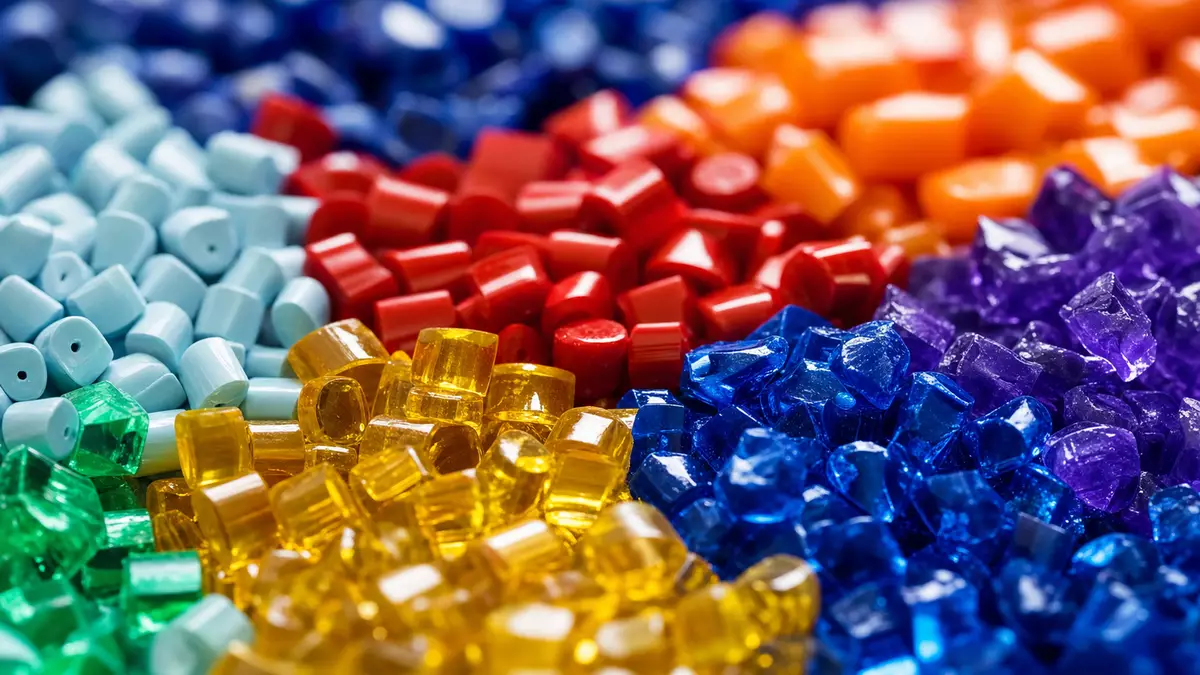
BASF (ISIN DE000BASF111) stock is benefiting from a combination of ongoing share buybacks and an earnings recovery, with the shares recently quoted at 53.59 EUR on a DAX-related Frankfurt indicator as of September 1, 2026, up 1.15 percent on the day according to a market overview by finanzen.de. As of the latest completed Xetra close on August 29, 2026, BASF traded at 52.28 EUR, leaving the stock 18 percent higher for 2026 and around 5 percent below its 52-week high of 55.05 EUR documented in an earlier BASF-focused report on ad-hoc-news.de.
Q2 2026 results show earnings rebound
According to a recent corporate analysis of BASF cited by ad-hoc-news.de, the group delivered strong Q2 2026 figures compared with the previous year, contributing to the current support under BASF stock. In that review, revenue, earnings before interest and taxes and net income for Q2 2026 were all reported higher than in the corresponding quarter of 2025, underscoring that the latest quarter represents a turnaround versus the prior year. The same analysis highlights that, for 2026 to date, the share price gain of 18 percent at the August 29, 2026 close compares favorably with the broader DAX development in the same period, underlining that investors are rewarding BASF for the improved profitability.
BASF has also combined the operational improvement with active capital allocation via a newly launched share repurchase program. The company has set up a share buyback running from August 2026 through April 2027, as detailed on BASF’s own investor pages in the section on share buybacks. This framework is designed to return excess cash to shareholders while signaling management’s confidence in the earnings trajectory. For equity holders, this means that each euro of profit is increasingly spread over a smaller share count, amplifying the effect of the earnings recovery per share.
Share buyback 2026-2027 underpins valuation
In its dedicated transaction overview for the 2026-2027 share buyback, BASF’s investor relations section documents the daily volume of repurchased shares and the total amount spent, with the overview last updated on August 31, 2026. Although the exact cumulative figures are updated frequently, the structure already shows that BASF is repurchasing stock in regular tranches, making the buyback a constant presence in the market. For investors, this regular demand can provide support to the share price, particularly in phases of heightened volatility.
The interaction between the buyback and the improved Q2 2026 operating result is central to the current investment case. With the stock still trading about 5 percent below the 52-week high of 55.05 EUR at the August 29, 2026 close, but up 18 percent year-to-date at 52.28 EUR, the market is pricing in progress without fully reflecting a best-case scenario. This quantified distance to the yearly high creates a reference point for investors assessing upside versus recent peaks. At the same time, the capital returned via buybacks complements BASF’s established dividend policy, strengthening the overall shareholder return profile.
More news and background on BASF
Further ad hoc announcements, background reports and regulatory disclosures on BASF can be found in the BASF topic overview at ad-hoc-news.de.
Key product area: performance materials
One representative part of BASF’s business that illustrates the link between operations and earnings is the performance materials segment, which supplies advanced plastics and polyurethane systems to automotive and industrial customers. These materials flow into applications from lightweight car components to energy-efficient building solutions, so that end-demand for cars and construction indirectly drives volumes at BASF. When volumes and pricing in performance materials improve simultaneously, this can have a visible effect on segment earnings and, in turn, on the consolidated EBIT figures that investors monitor.
BASF stock on Xetra and DAX context
As of September 1, 2026, BASF stock is quoted at 53.59 EUR on a Frankfurt LUS-DAX indicator snapshot, representing a gain of 1.15 percent compared with the previous close and signaling that the shares are tracking slightly ahead of the broader DAX in that intraday view, according to finanzen.de. The latest full Xetra closing price available, 52.28 EUR on August 29, 2026, implied a market capitalization of about 46.0 billion EUR as stated in the same BASF-focused analysis from ad-hoc-news.de. This positions BASF firmly among the larger constituents of the DAX and underscores the stock’s relevance for investors focusing on the German blue-chip index.
BASF stock at a glance
- Company: BASF SE
- ISIN: DE000BASF111
- WKN: BASF11
- Ticker: BAS
- Trading venue: Xetra
- Price (as of August 29, 2026, 16:00): 52.28 EUR
- Market capitalization: 46.0 billion EUR (as of August 29, 2026)
- Sector / Industry: Chemicals / Diversified Chemicals
- Index membership: DAX


