
Orsted stock holds steady as offshore wind projects progress
Published on 09/06/2026 at 17:28 | Editorial responsibility: Rafael Müller, Editor-in-Chief AD HOC NEWS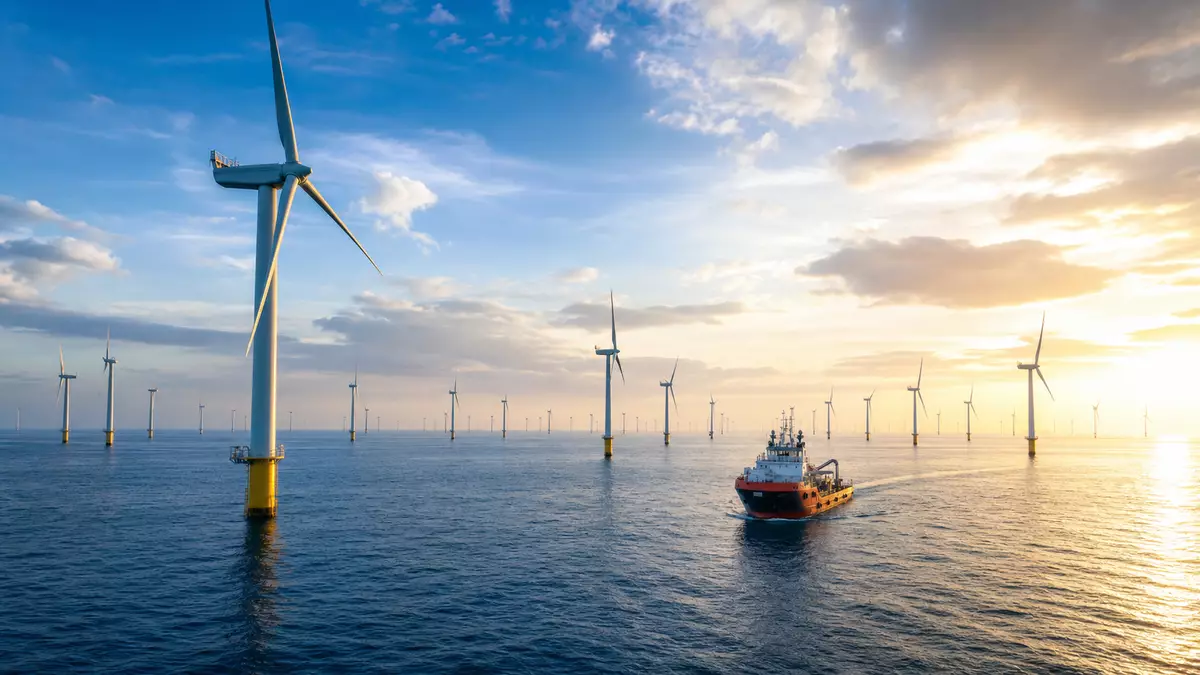
Orsted stock (ISIN DK0060094928) remains a key benchmark in the global offshore wind sector as investors track the company’s role in major projects and its valuation relative to historical performance as of September 6, 2026. The Danish renewable energy group continues to be closely watched as it builds out large-scale offshore wind capacity that is critical for the energy transition.
Offshore wind activity underpins Orsted stock
Orsted has long been recognized as a pioneer in offshore wind power, and its ongoing involvement in projects such as large offshore wind farms in Europe and North America continues to frame the investment case. The company’s strategy centers on expanding installed offshore wind capacity, supported by long-term power purchase agreements and government-backed frameworks, which provide visibility on future cash flows and underpin the resilience of Orsted stock in the renewable energy segment.
Investors typically look at Orsted’s installed offshore wind capacity, measured in megawatts, and its pipeline of projects as key operational metrics. Historically, the company has reported multi-gigawatt portfolios of operational assets and projects under construction or development, providing a scale advantage compared with smaller peers. These figures, while not tied to today’s specific reporting period, illustrate the long-term growth trajectory that continues to support the valuation of Orsted stock.
Financial profile and historical comparison
Orsted’s financial performance has been closely linked to the pace of offshore wind deployment and the structure of its contracts. In past fiscal years, the company has reported billions of Danish kroner in revenue from its offshore and onshore renewable segments, supported by stable income from long-term contracts and regulated assets. Historical figures show that revenue growth has often been driven by new projects entering commercial operation, with operating profit reflecting both project roll-outs and occasional impairments or cost pressures linked to supply chains and project execution.
For investors assessing Orsted stock today, these historical revenue and profit trends serve as a frame of reference rather than a direct snapshot of current fundamentals. Over time, Orsted has reported changes in margins as projects move from construction to operation, and as market conditions for power prices and equipment costs evolve. The company’s balance sheet has typically carried substantial investments in renewable assets, financed through a combination of equity, green bonds and other debt instruments, which are central to understanding leverage and capital efficiency.
Guidance, analysts and consensus context
Analysts following Orsted generally focus on the company’s guidance for capacity additions, expected earnings before interest and taxes from its offshore wind portfolio, and projected returns on invested capital. Consensus views often compare Orsted’s expected growth and profitability with peers in the European utility and renewable sector, using metrics such as earnings per share and net debt to EBITDA. This framework helps investors position Orsted stock within the broader sector, even when detailed current-period figures are not immediately in focus.
Past guidance from Orsted has typically included targets for installed capacity by specific years and expected financial outcomes from its core business segments. Historically labeled figures, such as revenue or operating profit for fiscal year 2023 or earlier, provide a reference point for how the company has navigated cost inflation, supply chain constraints and policy changes. Investors now weigh these historical outcomes against the future potential of new offshore wind tenders, regulatory support for renewables and the company’s ability to execute large projects on time and within budget.
More on Orsted stock and fundamentals
For additional details on Orsted stock, including historical financial results and corporate disclosures, investors can review further information and documents provided through market data and company channels.
Representative project and business model
A representative example of Orsted’s business model is its development and operation of large offshore wind farms, which generate electricity sold under long-term contracts to utilities, corporate customers or through regulated frameworks. These projects typically involve partnerships with other investors and suppliers and require significant upfront capital expenditure, followed by a long period of relatively stable cash flows once the wind farm is operational.
Stock perspective and market context
From a stock perspective, Orsted’s valuation reflects expectations about future capacity additions, policy support for renewables and the company’s ability to manage project risks. As of September 6, 2026, investors continue to see Orsted stock as a core exposure to the offshore wind segment, balancing potential volatility in project economics with the long-term demand for clean energy.
Orsted key data
- Company: Orsted A/S
- ISIN: DK0060094928
- Ticker: ORSTED
- Trading venue: NASDAQ Copenhagen
- Sector / Industry: Utilities / Renewable energy
- Index membership: OMX Copenhagen index


