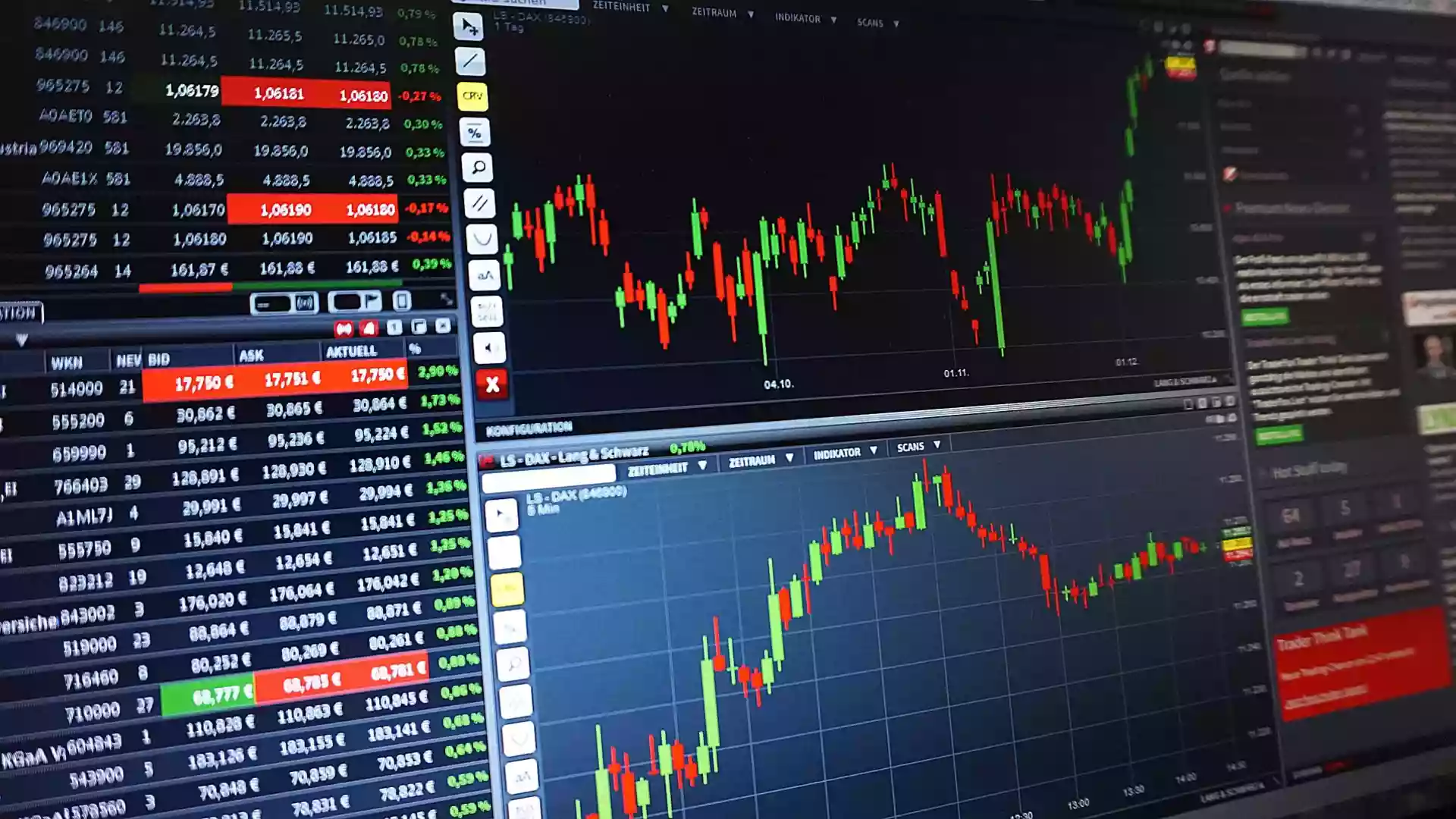
Monero price weighed against privacy flows and FCMP++ testing
Published on 11/05/2026 at 07:15 | Editorial responsibility: Rafael Müller, Editor-in-Chief AD HOC NEWSMonero balances privacy demand and network risk
- Monero was linked in recent reports to suspected theft-related conversion flows, but direct causation for market moves remains unproven.
- Stressnet v3.1 adds wallet-scanning and relay protections while FCMP++ remains a separate test-network proposal.
- Investing.com displayed XMR at 629.520 USD, with a reported market capitalization of 11.94 billion USD and 24-hour volume of 192.17 million USD.
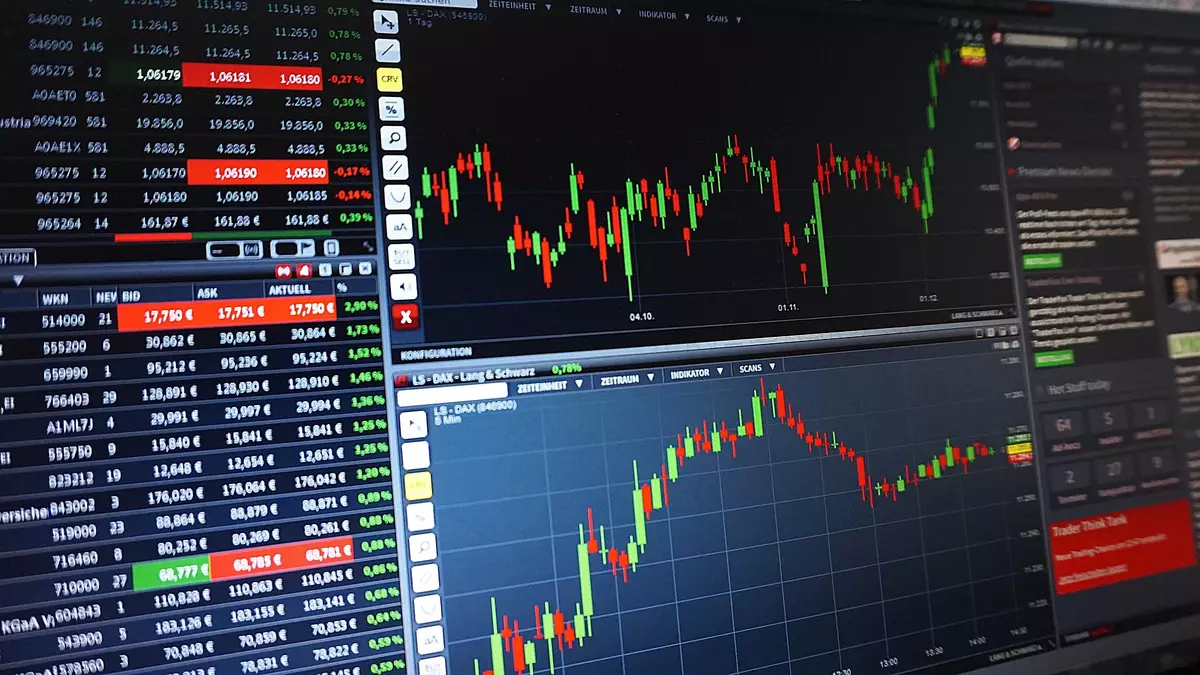
Monero price and network developments are giving investors two different signals: recent coverage has focused on privacy-related flows and the risks attached to that narrative, while developers continue testing changes intended to strengthen the network. The latest Investing.com snapshot listed XMR at 629.520 USD, with a 24-hour range of 623.067 to 646.600 USD, market capitalization of 11.94 billion USD and 24-hour volume of 192.17 million USD. The page displayed a 19:03:41 real-time timestamp.
Privacy narrative brings attention
A CoinMarketCap report dated November 3 described suspected theft-related flows in which part of more than 106 million USD allegedly taken from an unnamed European entity was converted into XMR through instant-exchange services. The report also cited a separate purchase of 188.25 XMR, worth about 115,000 USD, by an account associated with the BlueMove hack.
Those reports may explain why Monero attracted renewed attention, but they do not prove that the flows caused any specific price movement. They also underline a material reputational and regulatory risk: the same privacy features that support confidential payments can make XMR attractive for concealing the movement of stolen assets. Monero's project website describes the cryptocurrency as private, decentralized and designed to keep financial activity confidential.
Protocol work remains experimental
Development activity offers a separate, longer-term point of reference. TokenPost reported that stressnet version 3.1, published on October 26, added faster wallet scanning and denial-of-service protections for transaction relay and wallet-side tree building. The release also changed how Carrot outputs are handled on the test network.
Investors should not treat those changes as a completed mainnet upgrade. The beta stressnet is separate from Monero's main network, and FCMP++ remains a proposal under development. TokenPost noted that hardware-wallet support, multisig and transaction proofs were still unfinished in the beta. The Monero price therefore continues to reflect an existing network and market structure, not the full benefits of a future privacy redesign.
What investors should watch
The immediate issue is whether privacy-related attention develops into sustained demand or fades as the theft reports leave the news cycle. The project also remains dependent on community-driven development. A separate Crypto.news report said a developer proposal sought 45 XMR for three months of work on privacy infrastructure, wallet software and core maintenance; 31.04 XMR had been raised from 42 contributors as of October 26.
For investors, the Monero price should be viewed alongside exchange access, mining-pool concentration, development funding and the still-unfinished FCMP++ testing process rather than as a standalone signal. More Monero coverage is available on the Monero topic page.