UNUS SED LEO price holds as Bitfinex burn terms remain open
Published on 11/07/2026 at 13:09 | Editorial responsibility: Rafael Müller, Editor-in-Chief AD HOC NEWSBurn pledge still lacks a figure
- Bitfinex has committed at least 80 percent of remaining net proceeds from recovered hack funds to buying and burning LEO.
- The proceeds must first account for Recovery Right Tokens and legal costs, leaving the eventual burn amount unquantified.
- Investing.com showed LEO at 9.3455 USD at 12:56:41 Berlin time on November 7, with a market capitalization of 8.58 billion USD.
- The token's thin reported trading volume remains a key liquidity consideration for investors.
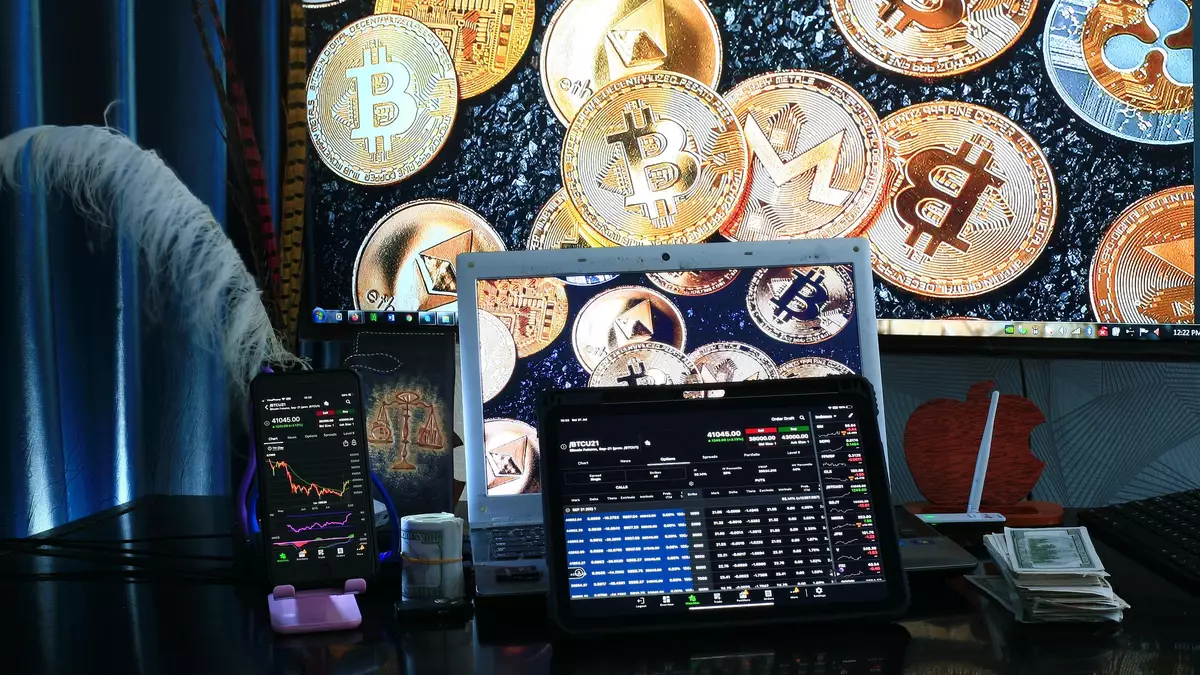
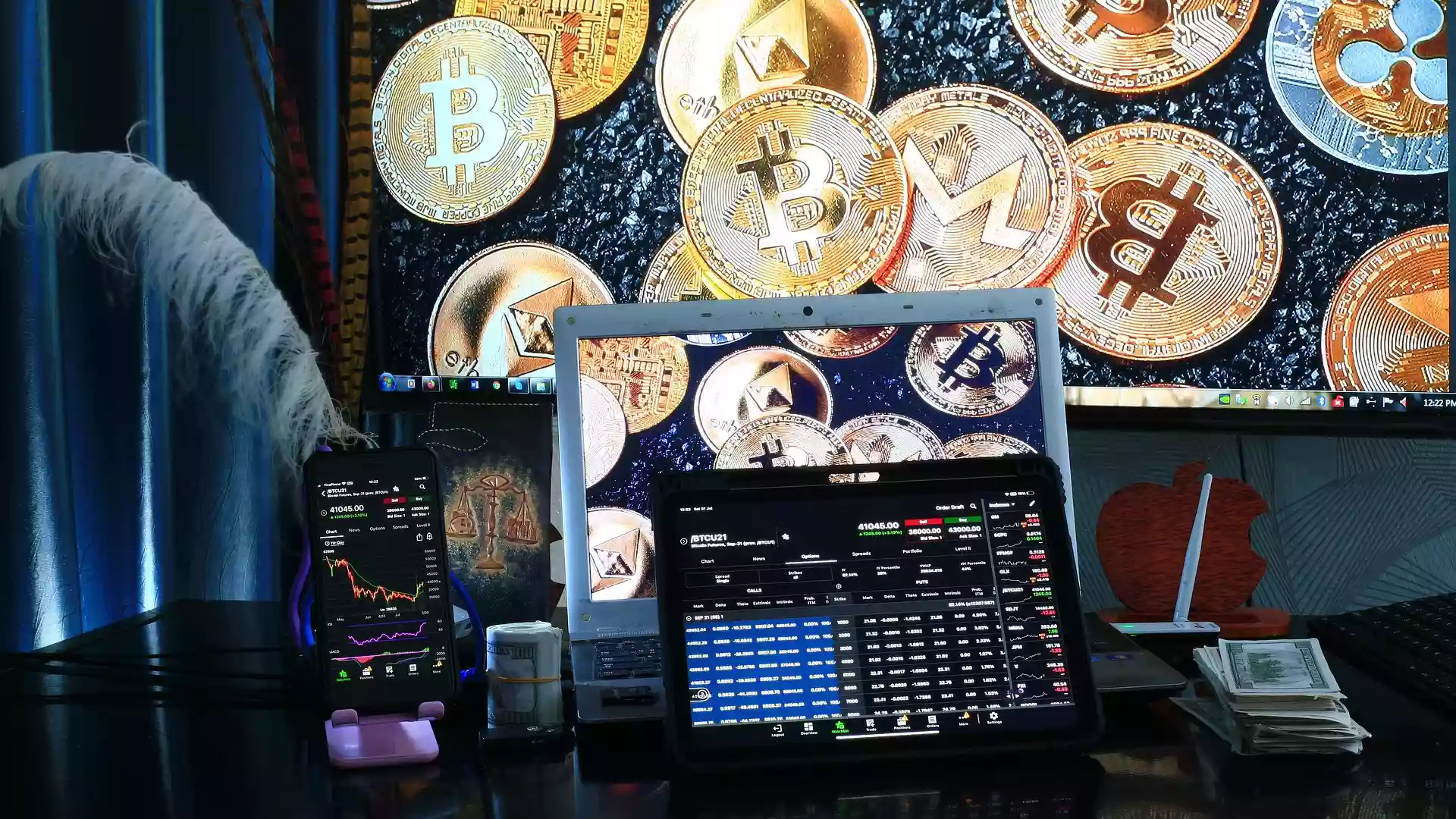
UNUS SED LEO price remains close to 9.35 USD while the market assesses a potential Bitfinex buyback funded by recovered Bitcoin from the 2016 exchange hack. The key investor question is not whether a burn has been pledged, but how much can ultimately be deployed.
At 12:56:41 Berlin time on November 7, the Investing.com UNUS SED LEO page showed a price of 9.3455 USD. Its displayed daily range was 9.1646 to 9.3484 USD, while the 52-week range was 6.211 to 10.4132 USD. The page also reported 24-hour volume of 212.59 thousand USD, a market capitalization of 8.58 billion USD, rank 13 and circulating supply of 919.86 million LEO. These figures describe the page's real-time snapshot; they are not a verified UTC day-over-day percentage.
Recovery funds carry conditions
According to CryptoTicker, a US government wallet transferred approximately 264.863 Bitcoin linked to the Bitfinex hack to Coinbase on October 6, 2026. Bitfinex has committed to use at least 80 percent of the remaining net proceeds to buy back and destroy LEO. The transfer itself does not establish the size of that future burn, however.
The word net is decisive. Recovery Right Tokens issued to users affected by the hack must be addressed first, and legal or other proceedings costs may also be deducted. Neither the size of those deductions nor a confirmed timetable for the buyback has been published. The 18-month period in the commitment is tied to Bitfinex receiving recovered funds, and it remains unclear whether the Coinbase transfer marks that point.
Recurring burn supports scarcity
Alongside the recovery-linked commitment, iFinex has pledged to use at least 27 percent of consolidated gross monthly revenue to buy and burn LEO. That mechanism has operated since May 2019. It provides a recurring source of potential supply reduction, but it does not remove the uncertainty surrounding the exceptional hack-related proceeds.
For investors, the UNUS SED LEO price therefore reflects both a possible deflationary catalyst and meaningful execution uncertainty. The reported volume is small relative to the token's market capitalization, which can make larger positions difficult to enter or exit without affecting the market. The recovery-linked burn should be treated as a conditional commitment rather than a calculable near-term value driver.
Further coverage is available on the UNUS SED LEO topic page.