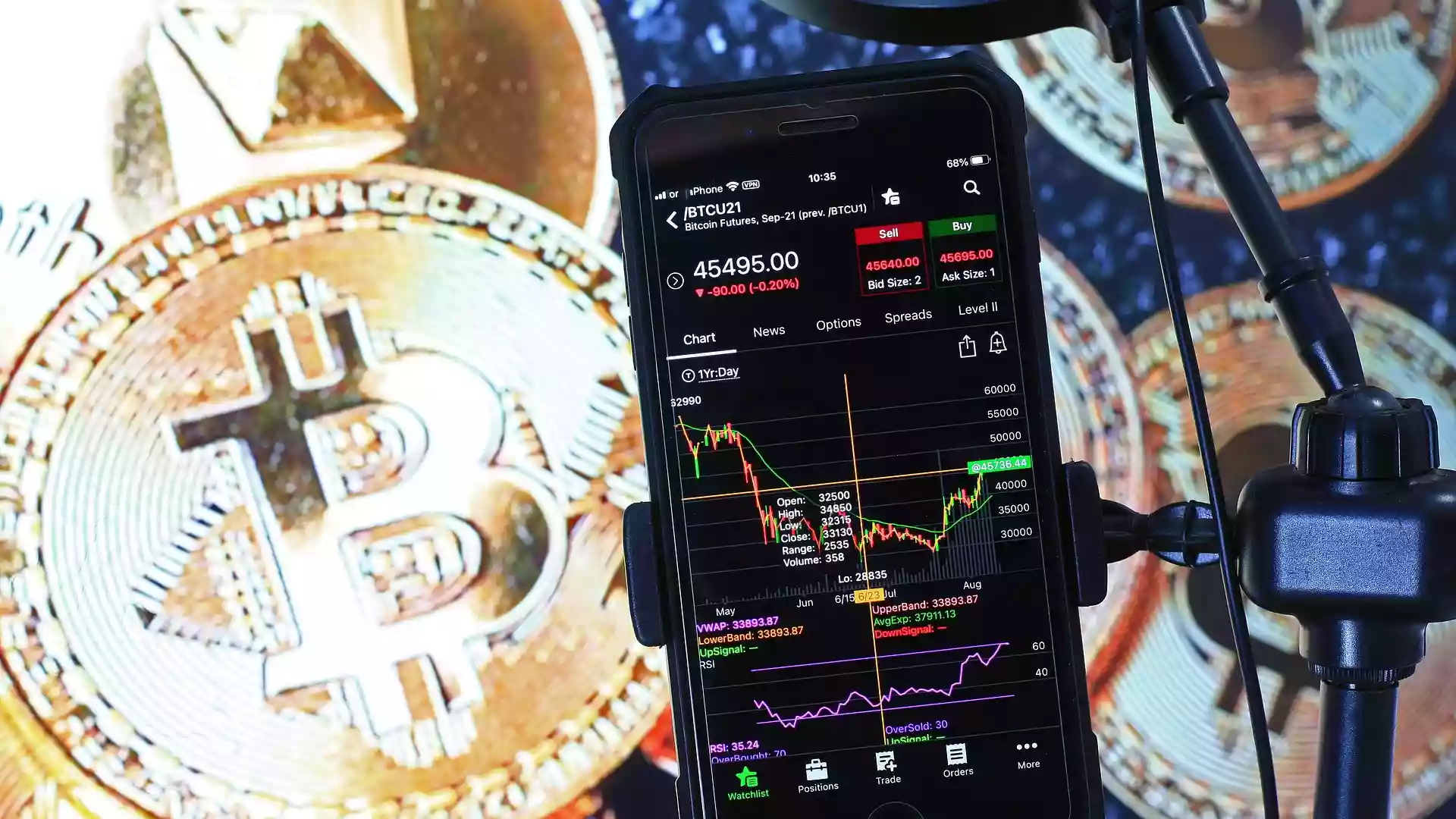
VIX closes at 19.46 as hot US inflation keeps rate fears elevated
Published on 11/11/2026 at 13:30 | Editorial responsibility: Rafael Müller, Editor-in-Chief AD HOC NEWSVIX outlook before Wall Street
- The VIX closed at 19.46 on November 10, down 2.31% from the previous session.
- Hotter-than-expected October inflation strengthened expectations for a December Federal Reserve rate hike and pushed Treasury yields higher.
- At about 05:00 CET on November 11, Saxo described the volatility regime as neutral with the VIX futures curve in contango.
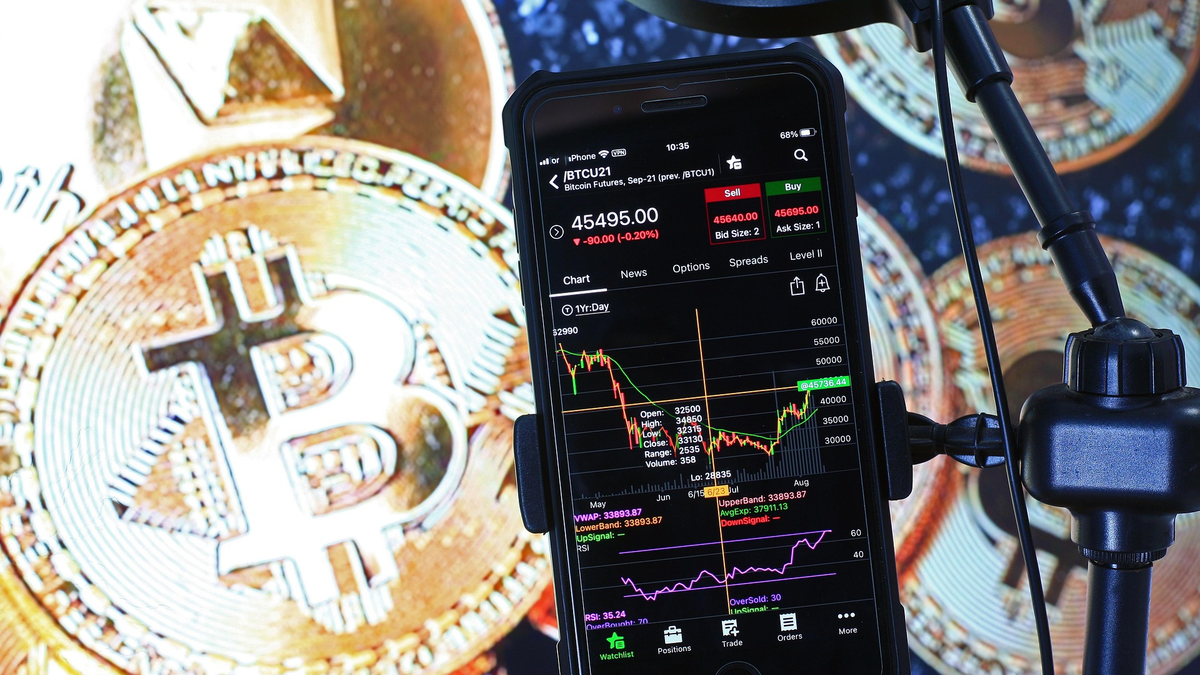
VIX outlook for November 11: The Cboe Volatility Index closed at 19.46 on Tuesday, November 10, according to MarketWatch. That was a decline of 0.46 points, or 2.31%, from Monday's close of 19.92. The index remained below the 20 level, but stayed above the calm conditions seen before last week's sharp volatility spike.
Inflation keeps rate risks in focus
The main new market driver was the October US Consumer Price Index. CNBC reported that headline CPI rose 0.4% from September, above the 0.3% expectation, while core CPI increased 0.3% against a 0.2% forecast. The data followed comments from Federal Reserve Governor Christopher Waller, who said a half-point increase should be considered in December if core inflation remained around 0.3%.
The inflation release raised the probability of a larger rate move while stocks fell and Treasury yields jumped. Reuters reported that futures tracking the Nasdaq and S&P 500 declined after the data, while the two-year Treasury yield rose 13 basis points to 4.68%.
Volatility curve remains orderly
Despite the renewed macroeconomic pressure, the spot volatility gauge did not replicate the equity selloff. Saxo's November 11 market update placed the VIX at 19.46 as of about 05:00 CET and described the term structure as contango. The report also put the November VIX future at 19.20 and characterized the market regime as neutral or choppy. Its assessment was that equity options had shed much of the event premium after the inflation release, while rate volatility absorbed more of the shock.
For investors, the configuration points to a mixed signal: the VIX remains elevated relative to its recent baseline, but the futures curve does not indicate broad-based panic. The focus for the upcoming US session is therefore likely to remain on Treasury yields, further Federal Reserve comments and whether technology shares can stabilize after Tuesday's decline. The VIX is an indicator of expected S&P 500 volatility, not a direct measure of realized market losses.
Further VIX coverage is available on the VIX topic page.