A Dental Practice in Berlin Steglitz Where Medicine and Dentistry Meet
Published on 03/30/2026 at 07:01 | Editorial responsibility: Rafael Müller, Editor-in-Chief AD HOC NEWS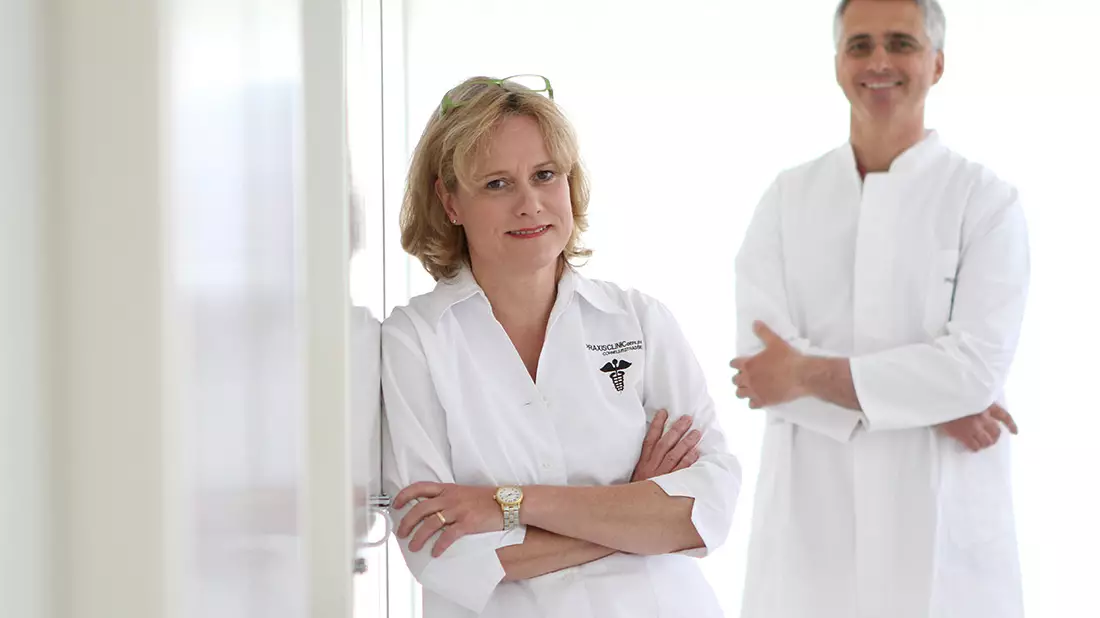
Arriving in a new city like Berlin can be both exciting and exhausting. Between Anmeldung, health insurance questions, and learning how the German healthcare system works, many people move dental care to the bottom of their to-do list. Yet toothaches, sensitive teeth, or a broken filling do not wait until you feel settled. When you finally search online for a reliable dental practice, you are confronted with German terms such as "Zahnarzt-Praxis", complex insurance details, and websites that are not always available in English. For many international residents in Berlin, the combination of dental anxiety, language barriers, and uncertainty about treatment standards can make it difficult to trust a new dentist.
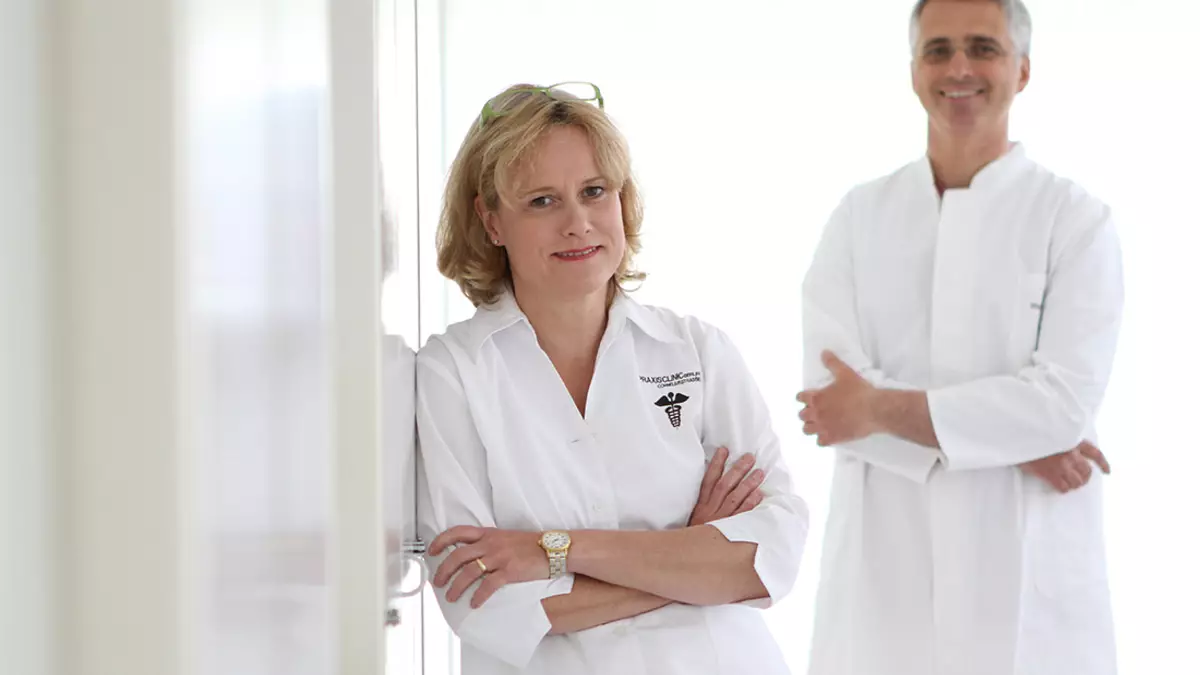
In Berlin’s southwest, in the district of Steglitz near Schloßstraße and not far from Zehlendorf, Zahnarzt-Praxis Berlin Steglitz (Dr. Djamchidi & A. Jannack) responds precisely to these concerns. This dental practice in Berlin Steglitz offers more than routine fillings and check-ups. It brings together high-end Implantology, Oral Surgery, and advanced tooth preservation techniques such as Endodontics and Microscopic Dentistry, delivered by an English-speaking team that understands the specific needs of expats and internationally mobile patients.
The practice has a very particular strength that sets it apart: a rare "double Approbation". Medical director Dr. Djamchidi is both a fully trained physician (with specialist expertise in Ear, Nose and Throat medicine) and a dentist. This double degree (MD and DDS equivalent) is especially valuable in complex Implantology and Oral Surgery, where understanding the whole body, the airway, the sinuses, and systemic diseases is crucial for safe and predictable results. Alongside him, dentist Annette Jannack focuses on Endodontics, Aesthetic Dentistry, and minimally invasive tooth preservation, following the philosophy "saving the tooth before replacing it" (Zahnerhalt vor Zahnersatz).
For expats who are used to different healthcare structures in their home countries, the practice offers an atmosphere of clarity and calm: treatments are explained step by step in comprehensible English, the team is used to dealing with dental anxiety, and your previous medical history from abroad is taken seriously. Whether you need a simple check-up, a second opinion on an implant, or a complex Root Canal Treatment, you are not just a number in the system but a patient whose concerns and expectations are actively listened to.
Many people do not immediately understand why a double qualification in medicine and dentistry is such a powerful combination in a Zahnarzt-Praxis. On the surface, it may sound like a nice extra title. In reality, especially in Implantology and Oral Surgery, it influences every stage of planning and treatment, from risk assessment to surgical technique and aftercare.
When placing dental implants in the upper jaw, dentists must work very close to the maxillary sinus, the largest air-filled space in the facial bones. The thin bone between the oral cavity and this sinus (the maxillary sinus floor) must be carefully evaluated. If the bone is too thin for a secure implant, a sinus lift or bone augmentation is often required. This is a sophisticated procedure in which the sinus membrane is gently lifted and new bone (or bone substitute) is placed to create a stable base for the implant.
Because of his ENT background, Dr. Djamchidi not only sees the teeth and jaw, but also fully understands the anatomy and function of the airways, the nasal cavity, and the paranasal sinuses. This dual perspective allows him to evaluate questions that may not be fully addressed in a standard dental exam, such as: Is the maxillary sinus healthy, or are there chronic inflammations that could jeopardize implant healing? Are there anatomical variations, previous ENT surgeries, or allergies that increase the risk for sinus complications? How will the chosen Implantology concept interact with nasal breathing, sinus drainage, or existing ENT conditions?
For patients, this means a significantly higher safety level. Before any Oral Surgery or implant placement, a thorough medical and dental anamnesis is carried out. Medication lists, blood thinners, chronic illnesses such as diabetes or cardiovascular disease, and even sleep apnea or snoring are taken into account. Instead of viewing the mouth in isolation, your dentist-physician understands how every intervention in the jaw can affect the entire organism.
Another advantage of the double Approbation is the ability to make more nuanced decisions about sedation, twilight sleep, and pain management. Certain systemic diseases or interactions with medications require caution when planning sedative procedures. With the knowledge of both internal medicine and ENT physiology, including airway management, Dr. Djamchidi can select the safest approach: whether a localized minimally invasive procedure under local anaesthesia, a sedation-supported intervention for anxious patients, or a carefully monitored twilight sleep in collaboration with anesthesiology partners.
In Implantology, modern procedures often strive to be minimally invasive: that means less surgical trauma, smaller incisions, more precise planning using radiological imaging, and careful selection of implant positions. Having a physician’s training supports the precise interpretation of imaging of the jaw, the maxillary sinus floor, and surrounding structures. This reduces the risk of damaging nerves, perforating the sinus, or compromising blood supply to the bone.
For expats used to interdisciplinary clinics in their home countries, it is reassuring to know that this Dental Practice is anchored in the German healthcare system but offers a diagnostic mindset similar to larger international medical centers. Complex cases, such as patients with autoimmune diseases, bisphosphonate therapy, or previous radiation treatments, benefit especially from the ability to align dental interventions with overall medical safety.
Implants are not the only focus of Oral Surgery at Zahnarzt-Praxis Berlin Steglitz. Wisdom tooth extractions, cyst removals, and soft tissue corrections are carried out with the same medically informed caution. The aim is always to preserve as much healthy tissue as possible, minimize swelling and pain, and achieve fast, complication-free healing.
While Implantology and Oral Surgery represent the high-tech surgical side of the practice, tooth preservation is just as central. This is where dentist Annette Jannack comes in, with a profile deeply rooted in Endodontics, Aesthetic Dentistry, and the concept of conserving what nature has given you.
Endodontics is more than simply "root canal treatment"; it is a specialized discipline that aims to save teeth whose pulp (nerve) has become inflamed or infected. Instead of immediately extracting a painful tooth and planning an implant or bridge, the goal is to clean, disinfect, and seal the inner structures of the tooth so precisely that it can remain functional for many years – both biologically and aesthetically.
In this Dental Practice in Berlin Steglitz, Endodontics is carried out using modern techniques that significantly increase the chances of success. Microscopic Dentistry plays a key role: using a dental microscope, extremely fine internal canals, additional side canals, and hidden fractures can be detected that would often remain unseen with the naked eye. This microscopic view means that infected tissue is removed more completely and the canal system is shaped and disinfected with maximal precision.
During a root canal procedure, several steps are followed. First, the tooth is isolated with a rubber dam to keep the area dry and prevent bacteria from saliva entering the open canals. Then access to the root canals is created, and specialized instruments are used to clean the entire length of each canal. Irrigation solutions help dissolve residues and eliminate microbes. Finally, the canals are filled with a biocompatible material that seals the space densely and stably to prevent reinfection. In many cases, a crown or onlay is then placed to protect the now more fragile tooth from fracture.
For patients, this careful approach means less risk of ongoing pain, fewer repeat treatments, and a significantly better chance that the natural tooth can be preserved instead of being replaced by prosthetics. This philosophy "Zahnerhalt vor Zahnersatz" is not just a slogan. It is an ecological and medical statement: every real tooth preserved maintains the natural chewing function, supports neighbouring teeth, preserves jawbone volume, and feels more authentic than any artificial substitute.
Beyond Endodontics, Annette Jannack also focuses on Aesthetic Dentistry that respects biocompatibility and tooth structure. Instead of aggressive grinding for large crowns, minimally invasive options such as inlays, onlays, veneers, and high-quality composite restorations are used whenever appropriate. The colour, shape, and surface texture of teeth are carefully matched to your facial characteristics, gender, and age, aiming for harmonious, natural-looking smiles rather than overly artificial results.
For expats who might have had previous dental work in other countries, this can include the replacement of old, leaking fillings, the improvement of existing crowns, or the aesthetic integration of implants into the visible smile zone. The practice works with materials that meet high biocompatibility standards, which is especially important for patients with allergies or autoimmune conditions.
One of the most underestimated obstacles to regular dental care is fear. Many adults, regardless of origin, carry memories of painful treatments from childhood or feel ashamed of their dental condition. Living in a foreign country can intensify this anxiety: you may be worried you will not understand explanations in German, or that your fears will not be taken seriously.
Zahnarzt-Praxis Berlin Steglitz is consciously structured to address these emotional barriers. From the first contact, the team treats dental anxiety as a normal, human reaction rather than a weakness. The atmosphere in the practice is calm and respectful, with clear communication and a willingness to take time. As an English-speaking Dentist, both the doctors and staff are used to explaining procedures in simple, non-technical English. You can ask questions, request clarifications, and even express your worries about past traumatic experiences.
For particularly anxious people, treatment options such as sedation or twilight sleep are available. Twilight sleep (a form of conscious sedation) allows you to remain responsive but relaxed, often with little memory of the procedure afterwards. This is especially helpful for longer sessions, for example when multiple implants are placed or extensive Endodontics is carried out. The medical background of the practice ensures that such sedation methods are embedded in a secure, medically controlled setting, with careful monitoring of your circulation and breathing.
Some patients also appreciate complementary approaches, such as gentle homeopathic support for relaxation or healing. While these methods never replace evidence-based dentistry, they can provide an additional layer of comfort for those who value holistic perspectives. The core principle is always the same: treatments must be safe, scientifically sound, and aligned with the individual psychological needs of the patient.
For expats, simply knowing that you can speak openly in English, receive written documentation about your treatment, and get help navigating insurance questions can significantly reduce anxiety. The practice also provides second opinions if you have already received a treatment plan elsewhere and feel unsure about the recommended steps or costs.
The physical setting of the Zahnarzt-Praxis is part of its character. Located in a classic Berlin Altbau in Steglitz, the practice reflects the architectural charm of the city’s southwest: high ceilings, historic facades, and a sense of tradition amid the lively urban environment near Schloßstraße. This area is well-connected, with public transport links to central Berlin and neighbouring districts such as Zehlendorf, making it accessible for many residents working or living across the city.
However, the historic building also means that the practice is not barrier-free. There is no elevator, and access involves stairs. The team is transparent about this limitation and wants patients to know it in advance, especially those with mobility impairments or parents who plan to visit with heavy prams. Rather than hiding this fact, they frame it honestly as part of the classic Berlin experience of an Altbau, while still striving to assist where possible in individual cases.
For patients who come by car, parking options in the surrounding streets of Steglitz are a practical advantage. Being slightly off the absolute city center, the area offers a more relaxed traffic situation compared to Mitte or Friedrichshain, while still being close to the commercial heart of Berlin’s southwest around Schloßstraße. After your appointment, you may even enjoy a walk through the local neighbourhood or run errands in nearby shops.
To help you imagine what a visit to this Dental Practice in Berlin Steglitz actually feels like, let us walk through a typical patient journey step by step. Imagine you are an English-speaking expatriate who recently moved to Berlin, perhaps from the UK, the US, or another European country. You have noticed increasing sensitivity in one of your molars and occasional discomfort near your upper jaw, close to the sinus region. You are worried that you may need a Root Canal Treatment or even an implant, but you are not sure.
Your journey begins online. You find the practice website and see that both English and German information are available. You read about the rare double Approbation of Dr. Djamchidi, the Endodontics expertise of Annette Jannack, and the focus on Implantology, tooth preservation, and anxiety-free treatment. Reassured that you can communicate in English and obtain a second opinion if needed, you decide to schedule an appointment.
You either call the reception or use the online contact form. On the phone, a friendly staff member speaks English and helps you find a suitable time. They ask for basic information, including your insurance status (public or private in Germany, or foreign coverage) and the nature of your complaint. Clear directions to the practice in Steglitz are provided, including a note about the Altbau stairs and nearby public transport stops.
On the day of your visit, you arrive a little early. The building’s historic staircase and facade give you a sense of classic Berlin charm. Inside the practice, you are welcomed at the reception and asked to fill out an anamnesis form. Here you can enter your medical history, current medications, allergies, and any previous surgeries. If you bring medical documents from your home country (for example, records from an ENT specialist, a list of medications, or previous x-rays), the team will help integrate this information.
In the treatment room, your dentist greets you in English and takes time to discuss your symptoms. You can describe your dental anxiety openly, if you have any, and ask what options exist for local anesthesia, sedation, or pain control. A clinical examination follows, often complemented by digital x-rays or, if indicated, advanced 3D imaging to assess the exact situation around the tooth and the maxillary sinus floor.
If your problem is related to nerve inflammation or infection, you may be referred to the Endodontics expertise of Annette Jannack. She explains the steps of microscopic Root Canal Treatment, shows you how the microscope works, and outlines how modern instruments and biocompatible filling materials will help save your tooth. If the imaging shows that the tooth cannot be preserved or that there is significant bone loss near the sinus, the conversation may shift to Implantology, where the physician-dentist perspective of Dr. Djamchidi becomes central.
The treatment plan is discussed in detail: what will be done, how many appointments are needed, what the costs and insurance implications are, and what risks and alternatives exist. If you need time to think, you are not pressured into an immediate decision. The practice understands that many expats want to compare treatment philosophies or obtain a second opinion, especially when implants or extensive dental work are proposed.
Once you agree on a plan, the treatment phase begins. If you decide for tooth preservation, the root canal procedure is typically performed under local anesthesia, ensuring that you feel no pain. The dental microscope allows for precise, minimally invasive work inside the tooth, increasing the chance of a long-lasting success. You may need one or more sessions, after which the tooth is reconstructed with a durable, aesthetic restoration.
If implants are needed, the planning is again meticulous. The bone quality in the upper jaw and around the maxillary sinus is measured, the exact positioning of the implants is mapped out digitally, and if necessary, bone augmentation or a sinus lift is scheduled. Thanks to his ENT expertise, Dr. Djamchidi can evaluate sinus health and anatomical risks more comprehensively than a typical Zahnarzt. During the surgery, whether under local anesthesia or twilight sleep, every measure is taken to keep the procedure as minimally invasive, safe, and comfortable as possible.
Post-operative care is explained carefully. You receive instructions in English about medication, hygiene, and what to expect in terms of swelling or temporary discomfort. Follow-up appointments monitor healing progress, and if any unusual symptoms arise, you know exactly whom to contact.
Throughout this journey, the combination of medical and dental expertise, advanced technology like Microscopic Dentistry, and a human, empathetic approach helps to transform the abstract idea of dental treatment in a foreign country into a concrete, manageable experience.
As you continue your everyday life in Berlin – perhaps commuting along Schloßstraße, exploring the green corners of Zehlendorf, or meeting friends in the city center – you carry with you not only restored teeth but also a renewed sense of safety in the local healthcare system.
For many expats, the decision to choose a Dental Practice is ultimately a question of trust. You want to know that your dentist is technically excellent, medically aware, and personally approachable. At Zahnarzt-Praxis Berlin Steglitz (Dr. Djamchidi & A. Jannack), several layers come together to create this trust:
1. Double medical-dental expertise for complex cases
With a rare double Approbation in medicine and dentistry, and specialist ENT background, Implantology and Oral Surgery are planned and performed with a deep understanding of the maxillary sinus, airways, and systemic health. This is particularly valuable in sinus lift procedures, implant placement in the upper jaw, and for patients with complex general medical conditions.
2. Strong focus on tooth preservation and Endodontics
Instead of rushing towards extractions and prosthetics, the practice lives the principle of Zahnerhalt vor Zahnersatz. Modern Endodontics, including microscopic Root Canal Treatment and high-quality restorations, aims to save your natural teeth wherever medically reasonable. This preserves function, aesthetics, and biological integrity.
3. Aesthetic, minimally invasive, and biocompatible care
Whether you need fillings, inlays, onlays, veneers, or full-mouth rehabilitation, the emphasis is on conserving healthy tooth structure and using materials with high biocompatibility. Aesthetic results are tailored to look natural in the context of your face, age, and personal style, avoiding the "overdone" look sometimes seen in cosmetic dentistry.
4. Anxiety-aware, English-speaking environment
Dental anxiety is taken seriously, not dismissed. The practice offers gentle communication, clear explanations, and the option of sedation or twilight sleep for more extensive or fear-inducing procedures. As an English-speaking Dentist team, they bridge the common language gap in Germany, helping you understand every step and feel included in decision-making.
5. Authentic Berlin location with honest transparency
Situated in a characteristic Altbau in Steglitz, close to the commercial hub around Schloßstraße and the green residential areas of Berlin’s southwest, the practice combines local tradition with modern high-tech medicine. While the building’s stairs mean it is not barrier-free, this is communicated openly, so you can plan accordingly.
6. Suitable for locals and international residents alike
Whether you are a long-time Berlin resident or have just arrived from abroad, your situation is respected. Previous treatments from other countries are carefully evaluated, and the practice can provide second opinions if you feel uncertain about already proposed Implantology or Oral Surgery plans.
Choosing a Zahnarzt in a new country does not have to be a leap into the unknown. Zahnarzt-Praxis Berlin Steglitz (Dr. Djamchidi & A. Jannack) offers a combination of medical depth, dental excellence, and human warmth that makes it a strong choice for anyone seeking high-quality, safe, and empathetic dental care in Berlin. From sinus-related Implantology and complex Endodontics to routine prophylaxis and preventive check-ups, the practice’s approach is always to see the whole person behind the teeth and to guide you through your treatment journey with clarity and care.
Disclaimer regarding our articles: No investment advice, no buy or sell recommendation. Information on prices, companies, and markets is provided without guarantee; changes are possible at any time. Stock market transactions can lead to substantial losses. Our articles are created and reviewed in whole or in part automatically with the support of AI.