ABB stock trades firm as electrification growth and margin discipline support the outlook
Published on 07/28/2026 at 07:52 | Editorial responsibility: Rafael Müller, Editor-in-Chief AD HOC NEWS
ABB stock sits on an industrial and electrification story where investors focus on earnings quality, divisional momentum, and cash generation rather than short-term noise. The Swiss-Swedish technology group ABB Ltd (ISIN CH0012221716) combines robotics, motion, electrification, and automation businesses that feed directly into energy transition and industrial efficiency demand. Recent quarterly reporting underlined this profile with growing revenue, disciplined margins, and resilient cash flows, even as global manufacturing conditions remain mixed.
Because ABB shares trade primarily in Zürich under the ABBN symbol and also via US ADRs, the equity is widely followed by both European and international investors. Market participants typically measure ABB stock against broader industrial indices and peers in electrification, automation, and robotics. The latest financial updates show how segment dynamics, order intake, and margin management intersect with this valuation narrative.
Revenue growth and margin discipline in recent quarters
ABB’s recent financial reporting highlights a pattern that matters directly for ABB stock: steady mid-single to low-double-digit revenue growth, coupled with improving operating margins and robust cash generation. In a recent quarter, group revenue increased year on year, with electrification and motion divisions contributing the bulk of the expansion. This mix aligns with ABB’s strategic focus on electrification, automation, and robotics solutions that support grid modernization, energy efficiency, and industrial automation projects.
The electrification division, which includes products and solutions for low- and medium-voltage systems, distribution equipment, and related digital offerings, has been a central growth engine. Revenue in this segment has typically grown faster than the group average over recent reporting periods, reflecting strong demand from data centers, commercial buildings, infrastructure projects, and renewable-energy-related investments. Motion, which covers motors, drives, and related solutions, has also benefited from efficiency upgrades and industrial modernization programs among customers.
ABB’s ability to convert revenue into operating profit has been supported by cost discipline, portfolio refinement, and a focus on higher-margin offerings. Over recent quarters, the company has streamlined parts of its portfolio, exiting non-core assets and sharpening its exposure to segments where it believes it can sustain higher returns on capital. This has helped underpin operating margins at levels viewed as competitive within the industrial and automation peer set. For ABB stock, margin resilience is as important as top-line growth because it directly feeds into earnings per share and free cash flow.
Cash flow strength and capital allocation underpin ABB stock
Free cash flow generation has been one of the financial pillars for ABB in recent periods. The company’s ability to convert operating profits into cash has enabled it to pursue a balanced capital-allocation strategy, combining investment in growth areas with shareholder returns via dividends and share repurchases. Investors in ABB stock typically monitor cash-flow metrics alongside operating profits to judge the sustainability of this strategy.
ABB has articulated financial targets that include margins, cash conversion, and capital efficiency indicators. In recent reporting, key metrics such as cash flow from operating activities and free cash flow have remained solid, even as the company invests in R&D, capacity, and selective acquisitions that support its electrification, automation, and robotics portfolio. This balance supports a view that ABB can continue to fund its growth agenda while maintaining an attractive profile for income-oriented shareholders through its dividend policy.
The company’s net financial position and leverage metrics provide additional context. ABB has generally maintained a moderate level of net debt relative to cash flow, leaving room for strategic flexibility. This allows management to consider bolt-on acquisitions or larger portfolio moves when they align with long-term strategy, without unduly stressing the balance sheet. For ABB stock, the combination of sound leverage, recurring cash flows, and disciplined capital allocation tends to be seen as a stabilizing factor in more volatile macro environments.
Further data and filings on ABB
Investors who want to examine ABB’s detailed financials, segment disclosures, and governance information can access regulatory filings and comprehensive reports via the dedicated Investor Relations portal.
Robotics and automation segment as a growth lever
The robotics and discrete automation segment is one of ABB’s most visible business lines for many retail investors because it ties directly to themes such as factory automation, logistics robotics, and collaboration between humans and machines. ABB has spent years building out its robotics portfolio, which includes industrial robots, collaborative robots, automation cells, and software platforms for programming and integration. Demand in this segment is closely linked to capital-spending cycles in manufacturing, automotive, electronics, and logistics, as well as to broader trends such as e-commerce fulfillment and warehouse automation.
Over recent reporting periods, robotics and discrete automation has experienced both cyclical swings and structural growth impulses. Short-term orders can fluctuate with macro conditions, but underlying trends such as labor-cost pressures, the search for productivity gains, and the need for more flexible production systems tend to support longer-term demand. For ABB stock, this segment is important not only for its direct revenue contribution but also for the way it anchors the company’s positioning in automation and Industry 4.0 narratives that attract investor interest.
ABB’s robotics offering is complemented by software and digital solutions that enable customers to design, simulate, and optimize robotic applications. This digital layer is strategically significant because it can deepen customer relationships, support recurring revenue, and differentiate ABB’s offering from more hardware-centric competitors. The company often highlights case studies in automotive, electronics, and logistics where robots and automation cells are combined with vision systems and software to deliver higher throughput and flexibility.
Electrification products underpin ABB’s defensive qualities
Electrification is another central pillar for ABB and a key reason investors consider ABB stock a way to gain exposure to energy transition and grid modernization themes. The company’s electrification portfolio covers low- and medium-voltage equipment, switchgear, breakers, wiring accessories, and digital solutions for power distribution and monitoring. Customers range from residential and commercial building markets to industrial sites, data centers, and utilities.
Electrification demand is underpinned by long-term drivers such as urbanization, the electrification of transport, the growth of data centers, and the need to integrate renewable energy into grids. While short-term cycles in construction and industrial spending can influence order trends, many of ABB’s electrification products are tied to infrastructure and safety requirements that have more stable characteristics. For ABB stock, this segment is often seen as providing a more defensive counterweight to more cyclical businesses such as robotics and certain industrial automation areas.
ABB continuously develops new electrification products and digital features to improve safety, efficiency, and monitoring capabilities. Smart breakers, connected switchgear, and cloud-enabled dashboards for energy management are examples of how traditional hardware is being integrated with software and connectivity. This allows customers to reduce energy consumption, improve reliability, and manage assets more effectively over time. The ongoing evolution of the electrification portfolio reinforces ABB’s relevance in modern building and infrastructure projects.
Motion and process automation: efficiency and reliability
The motion division, which includes electric motors, drives, and associated services, is central to ABB’s role in improving energy efficiency across industries. Electric motors consume a large share of industrial electricity globally; upgrading to high-efficiency motors and drives can therefore produce significant savings and emissions reductions. ABB’s motion offerings serve sectors such as manufacturing, oil and gas, mining, water, and HVAC systems in large buildings.
Process automation, another ABB business line, focuses on control systems, instrumentation, and automation solutions for industries such as oil and gas, chemicals, power generation, and marine. These systems are critical to the safe, efficient, and reliable operation of complex plants and infrastructure. ABB’s installed base in process automation provides a foundation for recurring service and modernization work as customers upgrade controls, integrate new sensors, and adopt more advanced data analytics.
From an ABB stock perspective, motion and process automation contribute to a diversified revenue base and provide levers to drive incremental margins through service and modernization work. Customers often sign long-term service agreements that extend beyond the initial hardware sale, which can smooth revenue and earnings across cycles. This service dimension is important because it tends to be less volatile than pure equipment orders and can support cash flow generation even when capital-spending cycles soften.
Strategic priorities: electrification, automation, and digitalization
ABB’s strategy emphasizes electrification, automation, and digitalization as the core pillars that shape its investment choices, portfolio moves, and innovation agenda. Electrification focuses on making power distribution safer, more reliable, and more efficient. Automation targets productivity gains in industrial and infrastructure settings through robots, control systems, and drives. Digitalization adds layers of data, software, and connectivity to both electrification and automation offerings, enabling predictive maintenance, energy management, and optimized operations.
ABB regularly outlines strategic priorities in its investor communications, indicating where capital is being deployed and which segments are expected to grow faster than the group average. This often includes investments in R&D for new electrification and robotics products, selective acquisitions to strengthen portfolio gaps, and expansion in high-growth geographies. ABB’s management has also stressed portfolio discipline, which includes evaluating businesses for fit with strategy and potential for value creation.
For ABB stock, these strategic priorities matter because they frame the medium- to long-term growth narrative. Investors look at how electrification, automation, and digitalization trends can translate into sustained revenue and margin expansion, and whether ABB’s positioning relative to competitors is strong enough to capture these opportunities. The strategy also shapes expectations for capital allocation, including how much will be directed toward growth investments versus returned to shareholders.
Competitive landscape and peer comparison
ABB operates in a competitive landscape that includes other large industrial and technology companies in electrification, automation, and robotics. Peers can include companies with strong positions in low-voltage equipment, industrial automation systems, and robotics platforms. Comparisons are often made on metrics such as organic revenue growth, operating margins, cash flow conversion, and capital allocation policies.
In robotics, ABB competes with several global players that offer industrial robots, collaborative robots, and automation solutions. Success in this area depends on factors such as product performance, reliability, market coverage, ecosystem partnerships, and software capabilities. ABB’s emphasis on applications in automotive, electronics, and logistics positions it to benefit from sectors that are undergoing automation and digital transformation.
In electrification and motion, ABB’s competitive position is shaped by breadth of portfolio, quality of products, and service coverage. Customers in these segments value reliability, safety, and efficiency, as well as the ability to access support and parts globally. ABB’s installed base and long-standing relationships in many markets help support recurring business and opportunities for upgrades and modernization, which are important for earnings resilience.
ESG considerations and ABB’s role in energy transition
Environmental, social, and governance (ESG) factors are increasingly important for many investors, and ABB’s portfolio aligns with several themes within energy transition and sustainability. Electrification products can improve energy efficiency and enable integration of renewables; motion solutions help reduce energy consumption in industrial motors; automation systems can optimize processes and reduce waste. These elements make ABB stock relevant for investors looking to integrate sustainability criteria into their portfolios.
ABB publishes information on its own ESG performance, including emissions, energy use, workforce diversity, and governance practices. The company’s role as a supplier of technologies that help customers reduce emissions and increase efficiency can support its standing in ESG-focused investment strategies. However, as with most industrial companies, ABB also serves sectors such as oil and gas and mining, which require nuanced interpretations in ESG frameworks.
For investors, the key question is how ABB’s technologies contribute to decarbonization and resource efficiency, and whether the company’s own operations follow best practices in environmental management, labor standards, and governance. ABB’s footprint in electrification and efficiency solutions suggests that it can play a constructive role in the broader transition to more sustainable energy and industrial systems.
Representative product line: ABB robotics and automation solutions
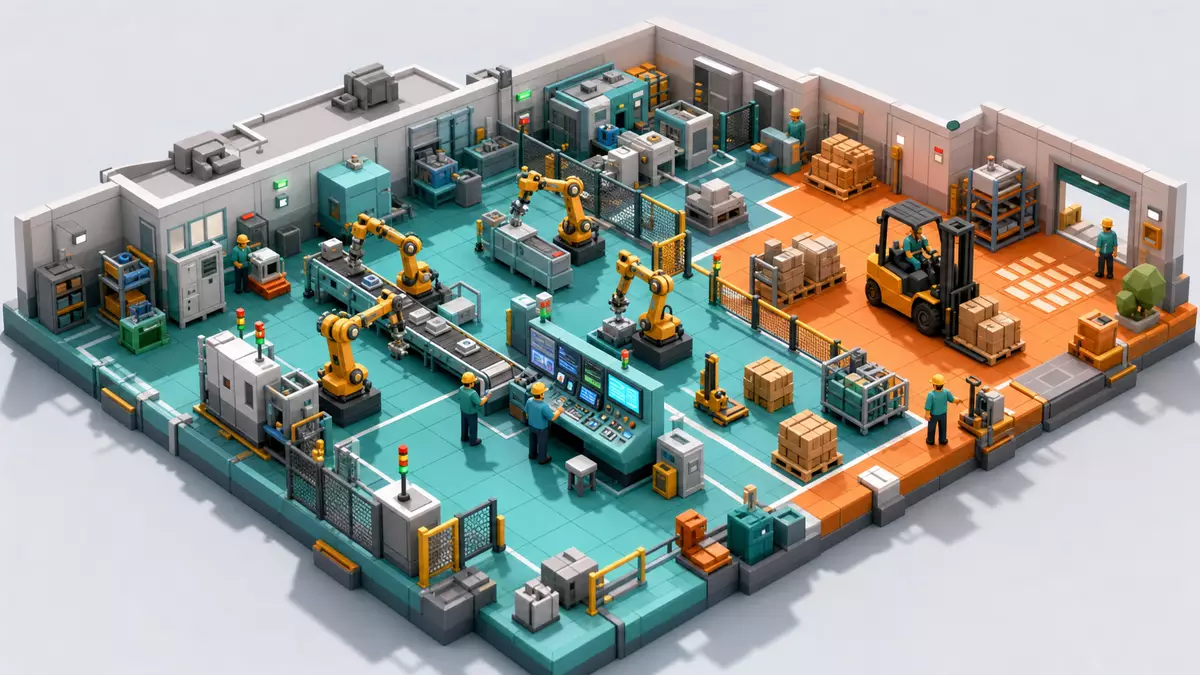
One representative product and business line for ABB is its robotics and automation offering, which includes industrial robots, collaborative robots, and automation cells designed for tasks such as welding, assembly, packaging, and material handling. These products are often deployed in sectors like automotive manufacturing, electronics assembly, and logistics warehouses. ABB’s robots work alongside humans in some applications, helping improve productivity and safety by taking on repetitive or physically demanding tasks.
The robotics portfolio is complemented by software tools that enable customers to design and simulate robotic cells, program movements, and integrate robots with other automation equipment and IT systems. This integrated approach helps customers reduce commissioning times, optimize cycle times, and adapt production lines more quickly when product mix changes. For ABB, robotics is not only a source of equipment sales but also an avenue for offering services, maintenance, and upgrades over the life of installed systems.
Remote monitoring, data analytics, and predictive maintenance capabilities are increasingly important features of ABB’s robotics and automation solutions. These digital layers can help customers identify potential failures early, schedule maintenance efficiently, and minimize unplanned downtime. As more robots and automation systems are connected, the data generated can also support broader optimization of manufacturing and logistics networks.
ABB stock and trading venue context
ABB stock is primarily associated with its listing on SIX Swiss Exchange in Zürich, where the shares trade under the ABBN symbol and are denominated in Swiss francs. The company also has American Depositary Receipts (ADRs) that allow US-based investors to gain exposure through US markets. Trading volumes on the primary exchange and ADR venues reflect ABB’s status as a widely held industrial and technology company.
Price levels, market capitalization, and index inclusion help define ABB’s role within equity portfolios. ABB is part of major indices that track Swiss and European markets, which means that many passive and index-linked strategies hold the stock as part of their allocations. For active investors, ABB’s valuation is often assessed against expected growth in electrification, automation, and robotics, as well as against its peers in global industrial sectors.
Liquidity in ABB stock supports participation from institutional and retail investors, facilitating entry and exit across different time horizons. The presence of derivatives and structured products linked to ABB shares in some markets further broadens the ways in which exposure to the company can be expressed, although such instruments should be approached with an understanding of their specific risk profiles.
ABB key facts
- Company: ABB Ltd
- ISIN: CH0012221716
- Ticker: SIX: ABBN
- Trading venue: SIX Swiss Exchange
- Sector / Industry: Industrials / Electrical Equipment and Automation
- Index membership: Swiss Market Index and other European industrial indices
Disclaimer regarding our articles: No investment advice, no buy or sell recommendation. Information on prices, companies, and markets is provided without guarantee; changes are possible at any time. Stock market transactions can lead to substantial losses. Our articles are created and reviewed in whole or in part automatically with the support of AI.