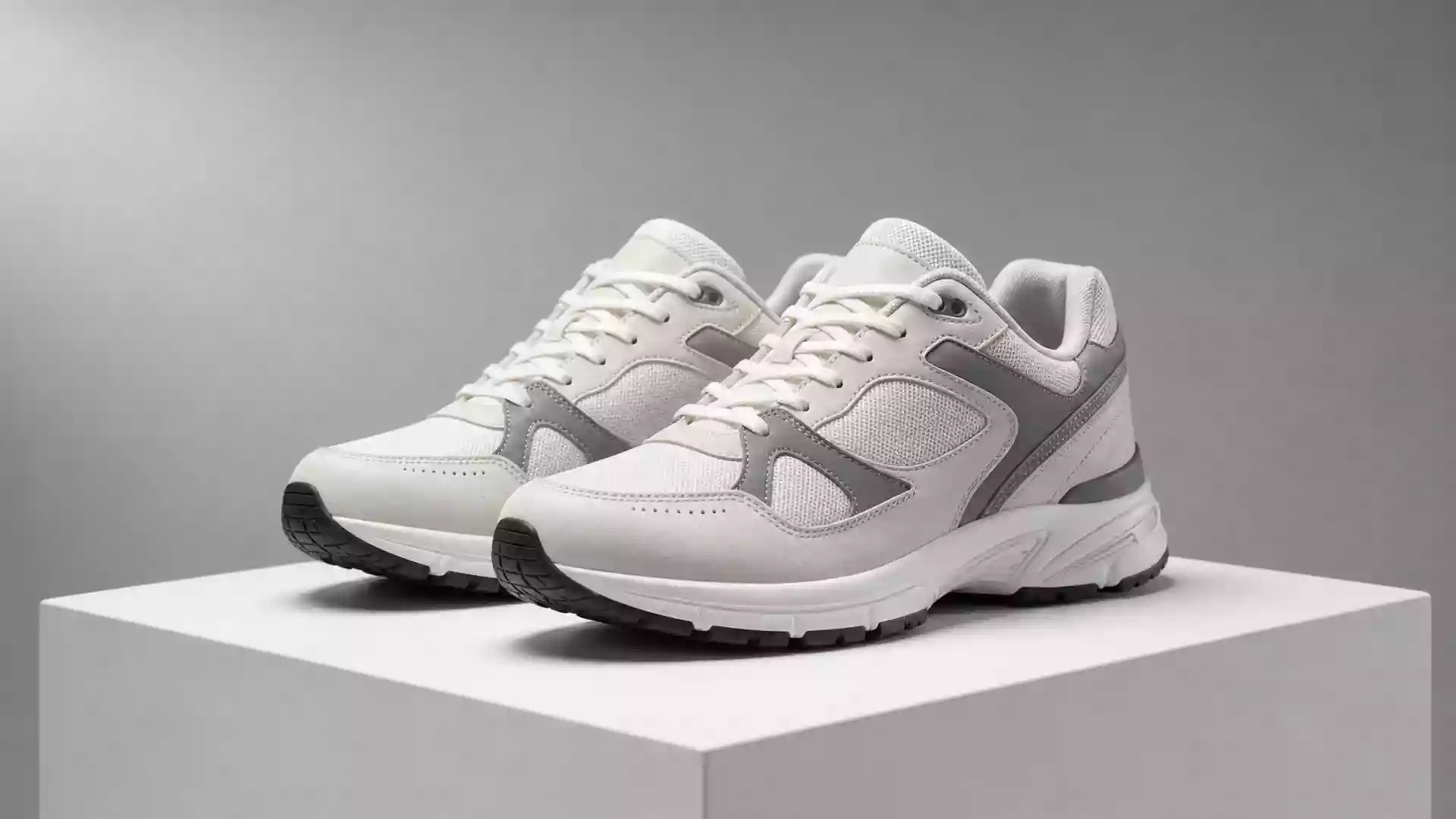
Adidas Gazelle by Adidas AG - suede classic pushes lifestyle sales
Published on 07/17/2026 at 17:15 | Editorial responsibility: Rafael Müller, Editor-in-Chief AD HOC NEWS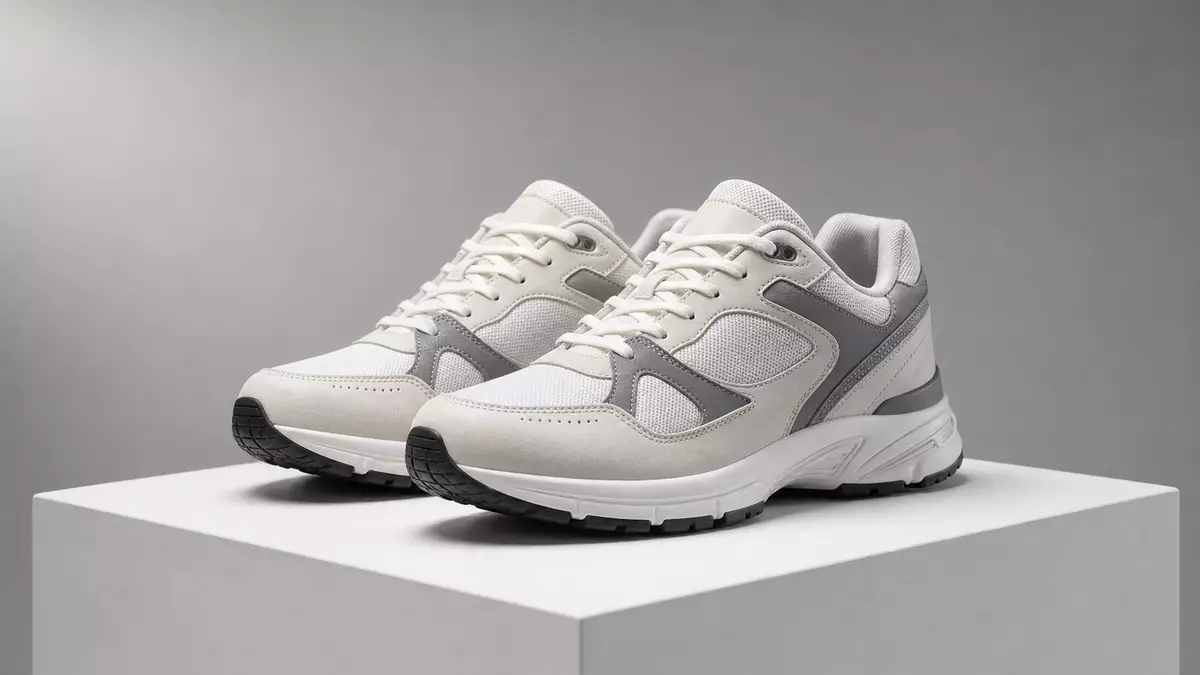
The Adidas Gazelle sits on the shop shelf with its soft suede catching the light, the three stripes almost seeming embossed under your fingers. The low profile feels familiar, almost modest, when you lace it up and hear the rubber outsole squeak on the store floor.
Retro training shoe turned lifestyle staple
Originally introduced as a training shoe in the 1960s, the Adidas Gazelle has shifted into a lifestyle sneaker that now comes in dozens of colorways across men’s, women’s and kids’ lines. The model typically features a suede upper, serrated synthetic leather three stripes, and a rubber outsole.
On the official Adidas product pages, the Gazelle is often described as a classic low-cut sneaker with a T-shaped overlay on the toe and a slightly cushioned insole, targeting everyday wear rather than performance training. In current collections, the shoe appears in standard and Gazelle Bold variants, plus seasonal collaborations, all built around the same recognisable silhouette.
Adidas Gazelle and Adidas AG stock context
How the Gazelle and other lifestyle sneakers sit inside Adidas AG’s broader portfolio and revenue mix.
Design details and material choices
When you run a hand over a current Adidas Gazelle, the suede feels slightly brushed, not overly plush, which helps the shoe keep its shape over time. The upper is usually made from suede leather with synthetic overlays, while the lining tends to be textile or synthetic, depending on the specific submodel.
Adidas lists a rubber outsole on most Gazelle variants, with a fairly flat tread that prioritises grip on urban surfaces rather than trail or track performance. The midsole is generally made from EVA or similar foam compounds, a standard approach in casual sneakers, and there is often a removable insole, giving retailers some leeway for customization.
Colorways, collaborations and segments
In the current online catalog, Adidas sells the Gazelle in a wide spread of colorways, from monochrome black or navy to saturated red, green and pastel tones. Some variants use contrasting stripes and heel tabs, while others stick to tonal branding for a cleaner look.
Collaborations have pushed the Gazelle into more niche segments, including tie-ups with fashion labels and artists that experiment with materials like premium leather, patent finishes or patterned uppers. These limited runs tend to sit above the standard Gazelle price points and are often promoted through lifestyle channels and social media campaigns.
Target audience and positioning
In Adidas marketing copy, the Gazelle is framed as a sneaker for everyday urban wear, aimed at customers who want a low-profile shoe that pairs easily with jeans, shorts or casual office outfits. It sits in the Originals line, alongside other retro-inspired models, reinforcing the heritage positioning.
Adidas segments the Gazelle across men’s, women’s and kids’ categories, with certain colorways marked as gender-neutral. The model is often placed in the mid-price band of the Originals range, below high-tech performance running shoes but above some entry-level casual sneakers, which helps it act as a volume driver in the lifestyle segment.
Price points and availability
On the German Adidas online shop, standard Adidas Gazelle models typically list at around 100 to 120 euros, depending on the specific colorway and materials. Special editions or collaborations can edge higher, while occasional discounts and seasonal sales move certain variants below the headline MSRP.
Availability varies by region, but the Gazelle is widely sold in Europe and other major markets through Adidas direct-to-consumer channels and selected retailers. In some regions, the Gazelle Bold and other derivative models are more prominent than the original low-profile version, reflecting local preferences in platform soles and styling.
Production and sustainability elements
Adidas has been steering parts of its Originals line toward more sustainable materials, and some Gazelle variants include recycled content in the upper or lining. On sustainability-focused product pages, the company highlights recycled polyester or other components that reduce the use of virgin plastics, though full leather upper models remain part of the range.
The wider Adidas sustainability strategy, outlined in investor and corporate responsibility reports, references initiatives such as increased use of recycled materials and lower-carbon manufacturing processes. The Gazelle benefits indirectly from these group-wide efforts, especially in packaging and certain textile elements, but it is not consistently marketed as a fully eco-labelled product.
Inside Adidas AG’s lifestyle portfolio
CEO Bjørn Gulden has repeatedly emphasised the importance of classic silhouettes and lifestyle sneakers as stable revenue drivers in Adidas AG’s portfolio. In presentations and interviews, he points to models like Samba, Gazelle and Spezial as key products for reconnecting the brand with its heritage and maintaining consumer demand beyond pure performance gear.
The Gazelle therefore sits alongside other retro styles as part of a deliberate strategy to leverage archive designs and cultural recognition. While newer performance models require regular technical updates, heritage sneakers can be refreshed primarily via colorways, materials and collaborations, keeping development costs controlled while sustaining sales.
Adidas Gazelle in retail practice
Walk into a multi-brand sneaker store in Berlin or Paris and the Gazelle often appears in a dedicated Originals wall, stacked in rows of colors that invite browsing. Retail staff tend to highlight its straightforward fit and versatile styling to customers weighing it against chunkier models.
From a retailer’s perspective, the Gazelle’s relatively simple construction and stable sizing make it a reliable stock item. It bridges the gap between more niche fashion sneakers and pure performance shoes, helping stores balance margin with turnover, especially when Adidas runs coordinated marketing campaigns around vintage silhouettes.
Digital channels and community
On social media, the Gazelle features heavily in outfit posts and sneaker shots, often styled with wide-leg trousers or vintage sportswear. Influencers and everyday users alike show worn suede, creased toe boxes and scuffed soles, underlining that the shoe’s appeal rests on lived-in texture rather than pristine condition.
Adidas leverages this user-generated content via hashtags and themed campaigns focused on Originals. The Gazelle benefits as one of the recognisable shapes in this broader ecosystem, drawing attention from both long-time fans who remember earlier releases and younger buyers encountering the model for the first time.
Competitive landscape
In the lifestyle sneaker market, the Gazelle sits in a crowded space that includes models such as Nike’s Blazer and Cortez or Puma’s Suede. These shoes share the formula of retro styling, basic materials and wide colorway ranges, competing for the same customers who want simple silhouettes.
Adidas differentiates the Gazelle through its specific panel construction, three-stripe branding and association with European terrace culture and street style. This cultural positioning helps the shoe retain relevance even when minimal changes are made between seasons, reinforcing its status as a long-running catalog product rather than a short-term launch.
Risks and opportunities for Adidas
The reliance on heritage models like the Gazelle carries a risk that trends may shift abruptly away from low-profile retro sneakers. If chunky or highly technical designs regain dominance, demand might soften, especially among younger consumers who cycle through aesthetics quickly.
On the opportunity side, the Gazelle gives Adidas a proven canvas for collaborations and limited editions, which can generate buzz without large R&D investments. Careful management of supply, avoiding over-saturation, is crucial to keeping the model desirable while still delivering meaningful volumes through mainstream channels.
Layer C – stock and broader context
For Adidas AG, the Gazelle occupies a role as a reliable lifestyle sneaker, supporting brand visibility and contributing to revenue alongside other classics like Samba and Spezial. The Adidas AG stock (ISIN DE000A1EWWW0) reflects the combined performance of such heritage lines and newer performance products, with investors watching how well these segments balance growth and stability.
Key facts on Adidas Gazelle
- Product: Adidas Gazelle
- Manufacturer: Adidas AG
- Category: Lifestyle/Consumer sneaker
- Market launch: Original model in the 1960s; current iterations updated regularly
- MSRP / Price: Approximately 100–120 EUR in the German Adidas online shop
- Availability: Widely available via Adidas direct channels and selected retailers in Europe and other regions
- Target group: Consumers seeking a low-profile retro sneaker for everyday urban wear
- Highlight / USP: Classic suede upper, three-stripe branding and long-standing heritage within the Adidas Originals line