Agriculture sector faces mounting safety challenges as pipeline incidents, fatal collisions and fires rise
Veröffentlicht: 07.07.2026 um 18:17 Uhr, Redaktion boerse-global.de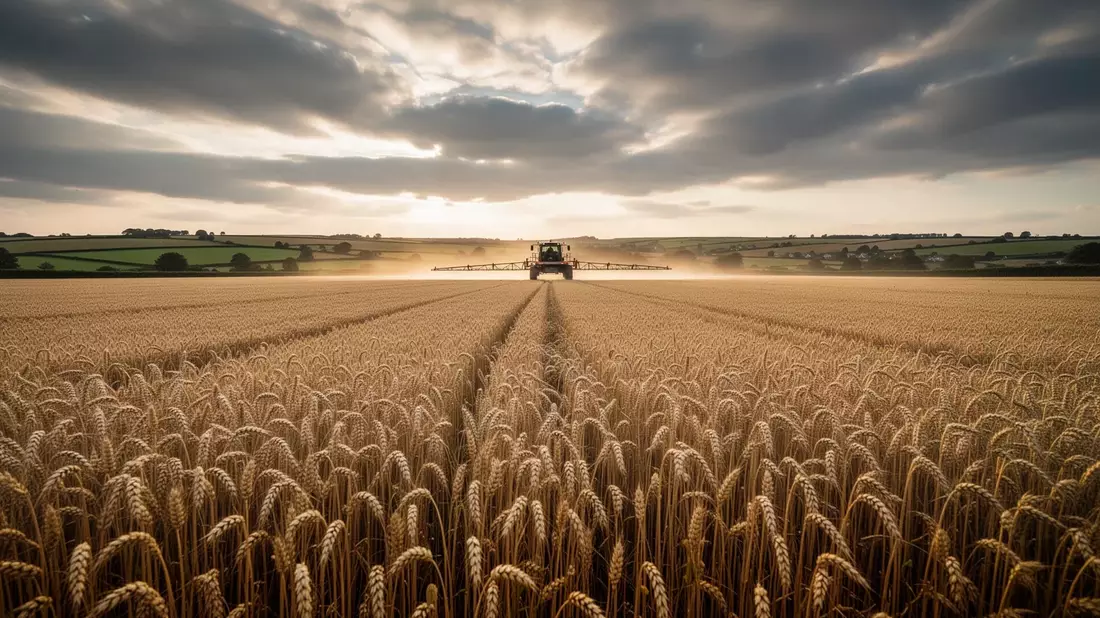
Recent data and a series of serious incidents have highlighted growing safety concerns within British agriculture, ranging from infrastructure damage and fatal transport collisions to large-scale crop fires and regulatory pressures.
Pipeline infringements reach new high
Agricultural activities were responsible for 51% of all pipeline infringements in the UK during 2025, according to a report from Linewatch. This represents a 10% increase on the previous year. Fencing was identified as the most frequent cause, accounting for 23% of cases.
The data revealed that 26% of all recorded infringements took place on farmland. More critically, agriculture was the source of 80% of all high-risk infringements — those posing the greatest threat to infrastructure integrity and public safety.
Fatal collision and field fire response
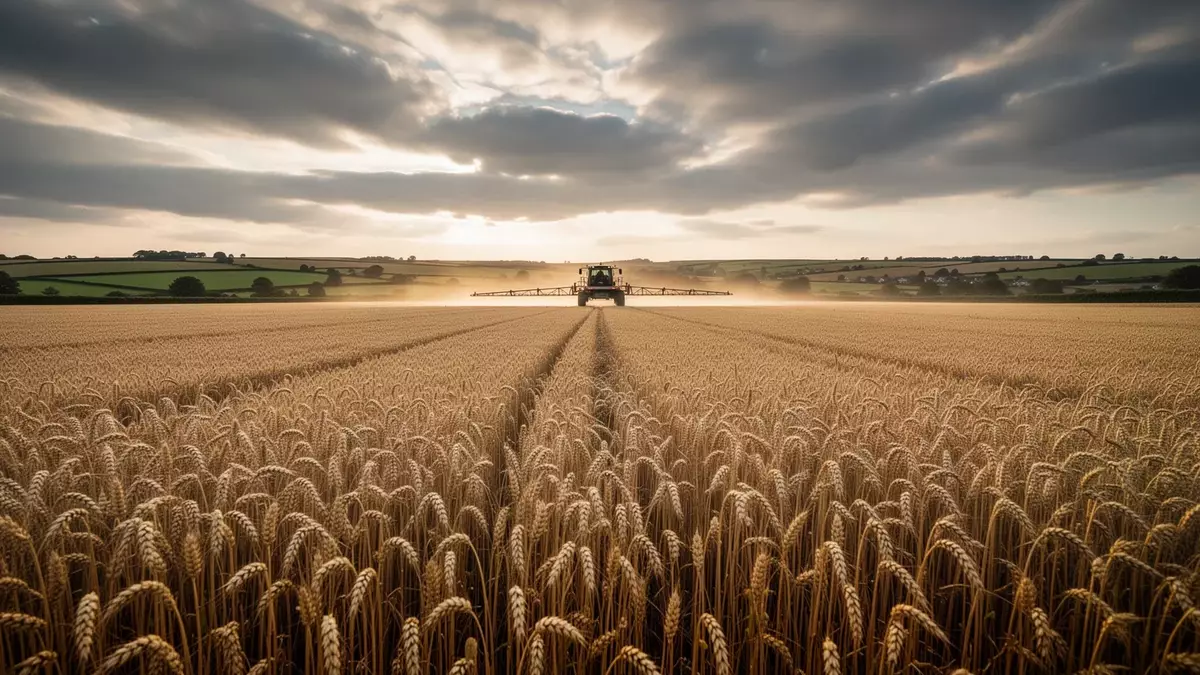
The risks associated with agricultural machinery on public roads were underscored by a fatal collision in Cambridgeshire earlier this month. On 2 July 2026, a motorcyclist in his 40s died following a crash with a crop sprayer on the B1050 Earith Road in Willingham. A man in his 30s was arrested on suspicion of causing death by dangerous driving and has been bailed until 1 October.
The industry is also grappling with seasonal fire risks. On 6 July 2026, firefighters from nine Shropshire stations were deployed to tackle a 40-hectare field fire near Bridgnorth. The blaze, involving crops, hedgerows and shrubbery, spread rapidly in multiple directions. Shropshire Fire and Rescue Service noted that local farmers assisted crews by creating fire breaks to contain the wildfire.
Legal challenges over abattoir fees
The agricultural and food processing sectors are navigating several high-profile legal challenges. In the High Court, a ruling recently determined that the Food Standards Agency (FSA) had unlawfully overcharged abattoirs for hygiene and animal welfare inspections. Luke Smith, owner of Down Land Traditional Meats, said his business was overcharged by tens of thousands of pounds.
The FSA stated it acted in good faith and is considering an appeal. However, industry group Aims has warned that such financial pressures could lead to further abattoir closures.
New police powers to tackle dog attacks on sheep
Livestock producers are adjusting to new police powers introduced in March 2026 to combat dog attacks on sheep. The legislation allows for unlimited fines and the use of DNA evidence to prosecute owners of offending dogs. The urgency of these measures is reflected in 2025 data showing that livestock worth approximately £1.95 million was killed or injured in the UK due to such attacks.
Workforce shift toward Central Asia
The workforce profile of British agriculture continues to shift toward Central Asian labour. In 2025, workers from Kyrgyzstan, Uzbekistan, Kazakhstan and Tajikistan received 78.5% of the UK’s seasonal worker visas — a sharp increase from just 7.6% in 2021. For the 2026 season, the government has set the visa quota at 42,900.
Pig sector under pressure
The National Pig Association (NPA) has reported difficult conditions in the pig sector. While a previous backlog of animals has cleared, the market remains saturated. Producers are facing challenges from EU price disparities and the impact of African Swine Fever outbreaks in Spain.
NPA CEO Lizzie Wilson noted that some processors are currently giving notice on supply contracts. The association is seeking meetings with government ministers to bolster demand for British pork in the foodservice sector.