Aguas del Norte Executives Charged After Two Workers Die in Confined Space Incident
Published on 07/13/2026 at 10:28 | Redaktion boerse-global.de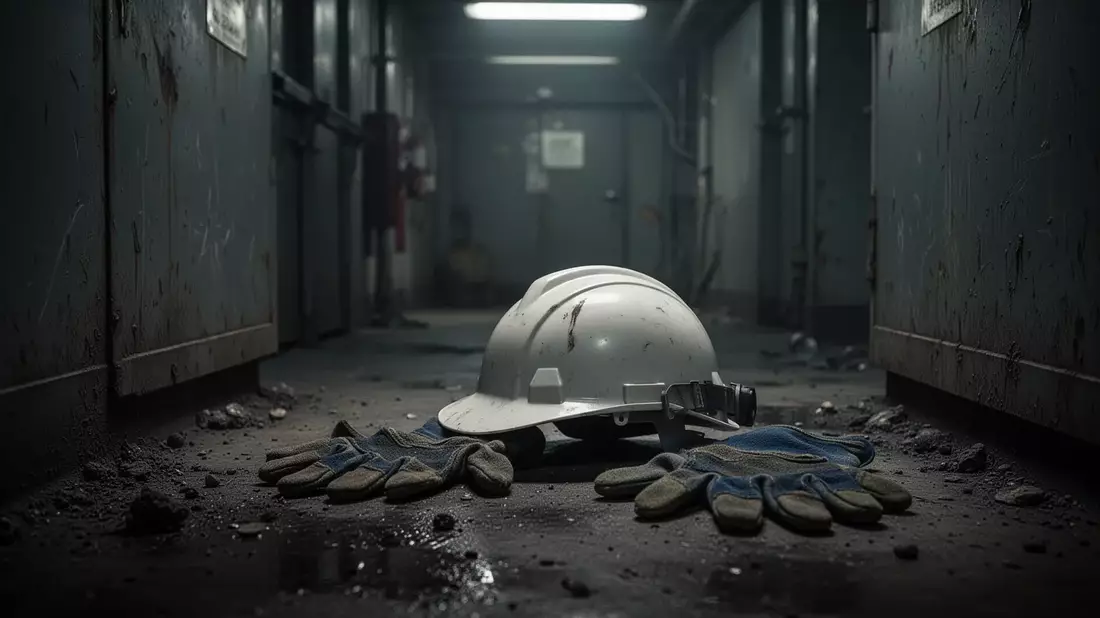
Four senior executives from the Argentine utility company Aguas del Norte have been indicted over a workplace incident that killed two employees and left a third seriously injured. The charges, filed on July 12, 2026, highlight critical failures in confined space safety protocols that carry direct lessons for UK employers operating in similar high-risk environments.
Charges Follow Fatal Confined Space Entry
Prosecutor María Sofía Fuentes filed charges of culpable homicide and causing serious injuries against four high-ranking officials, including the company's operational manager, a coordinator, and the head of hygiene and safety. The case stems from an incident in May 2026, when three operators descended into a seven-metre-deep well at a facility in Rivadavia Banda Sur.
The investigation found that the workers entered the confined space without appropriate safety equipment or prior training. Both fatalities were caused by toxic asphyxiation from hydrogen sulphide — a gas commonly found in sewage and water treatment systems. The third worker survived but sustained severe injuries. Authorities are focusing on the lack of institutional oversight and the failure to provide necessary protective gear as central elements of the alleged negligence.
Do your confined space entry procedures include documented risk assessments for toxic gas hazards? Without proper records you could be exposing your workforce to serious danger — and your business to legal liability. The free Risk Assessment Toolkit gives you 41 ready-to-use templates and checklists covering confined spaces, hazardous substances, and more, making compliance with UK regulations straightforward. Download the free Risk Assessment Toolkit Over 37,000 UK businesses already rely on this resource.
Under UK law, confined space work is governed by the Confined Spaces Regulations 1997, which require employers to conduct risk assessments, provide adequate training, and ensure proper ventilation and rescue equipment before any entry. The Aguas del Norte case underscores the severe consequences — both human and legal — when these duties are ignored.
Global Pattern of Industrial Safety Failures
The Argentine charges come amid a series of major industrial safety incidents reported internationally this week.
In Pune, India, municipal authorities issued cause notices to the environment department and waste management firm Antony Waste following a fatal collapse at a waste-to-energy plant in Moshi. The death toll from that incident rose to nine after a 30-metre mound of waste collapsed onto an administrative building following heavy rainfall. The rescue operation concluded on July 12. Local officials are investigating whether the facility, operated by Antony Lara Renewable Energy, adhered to building permit restrictions, as reports suggest only the ground floor was authorised for occupancy. Compensation for the families of the deceased has been set between ?10 lakh and ?25 lakh.
Toxic Smoke and Blocked Exits Fuel Bangkok Bar Fire
Workplace and public safety concerns were further highlighted by a fire at the Rong Beer Na Lat Phrao bar in Bangkok on July 13. Officials confirmed that 27 people died, with toxic smoke from decorative materials cited as a primary cause of death. Investigations revealed that emergency exits were obstructed by beer crates and furniture, preventing escape after an air conditioning unit suffered a short circuit.
Hydrogen sulphide and toxic smoke are just two examples of hazardous substances that can turn a routine operation into a lethal incident. UK employers have a legal duty under COSHH to identify and control such risks. The free COSHH Risk Assessment Toolkit provides 43 customisable templates, checklists and toolbox talks to help you meet your compliance obligations. Get the free COSHH Toolkit Already trusted by over 37,000 UK businesses.
Separate Incidents in Colombia and Canada
In a separate industrial accident on July 12, emergency services in Quinchía, Colombia, recovered the body of an artisanal miner who was buried during a structural collapse in the Chuscal Bajo district. One worker managed to escape the cave-in shortly before the collapse, but his colleague was unable to exit the site.
Additionally, a safety report released on July 12 detailed a major natural gas leak in northeast British Columbia. The Transportation Safety Board of Canada noted that approximately 47,000 cubic metres of gas escaped after Westcoast Energy Ltd. workers struck a misidentified pipeline during the installation of new infrastructure. Although no ignition occurred, the volume of gas released was equivalent to roughly 20 Olympic-sized swimming pools.
Disclaimer regarding our articles: No investment advice, no buy or sell recommendation. Information on prices, companies, and markets is provided without guarantee; changes are possible at any time. Stock market transactions can lead to substantial losses. Our articles are created and reviewed in whole or in part automatically with the support of AI.