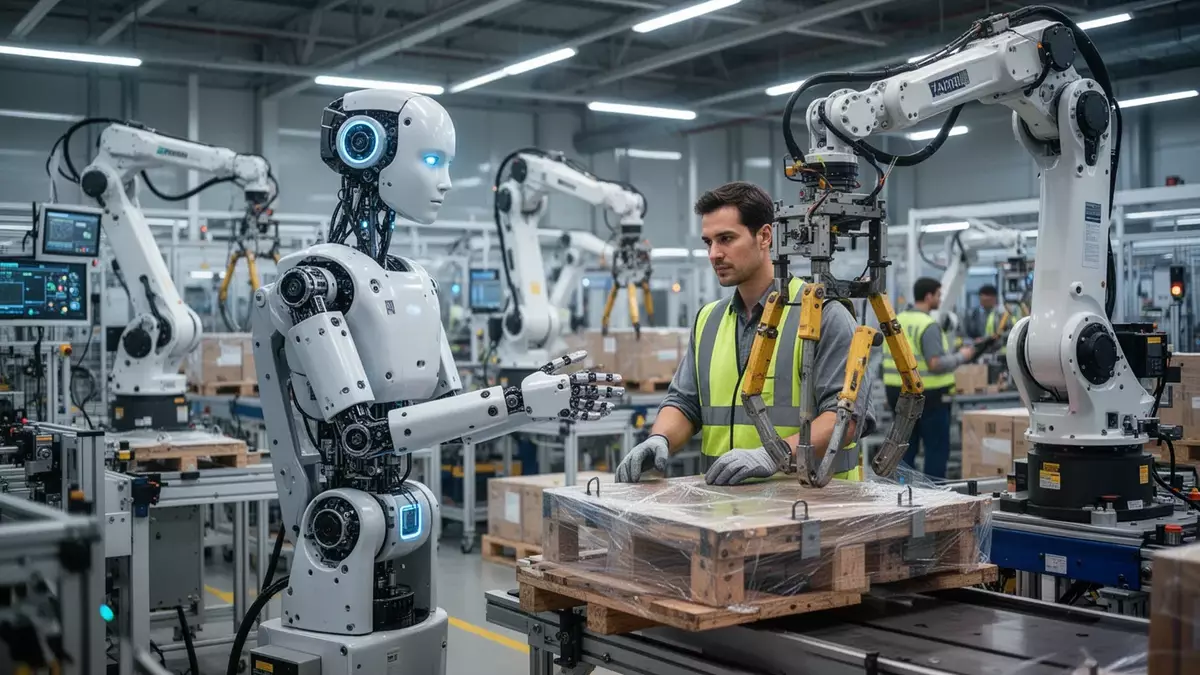
AI and Robotics Reshape Workplace Safety, But Tensions Mount
Published on 07/19/2026 at 08:47 | Redaktion boerse-global.de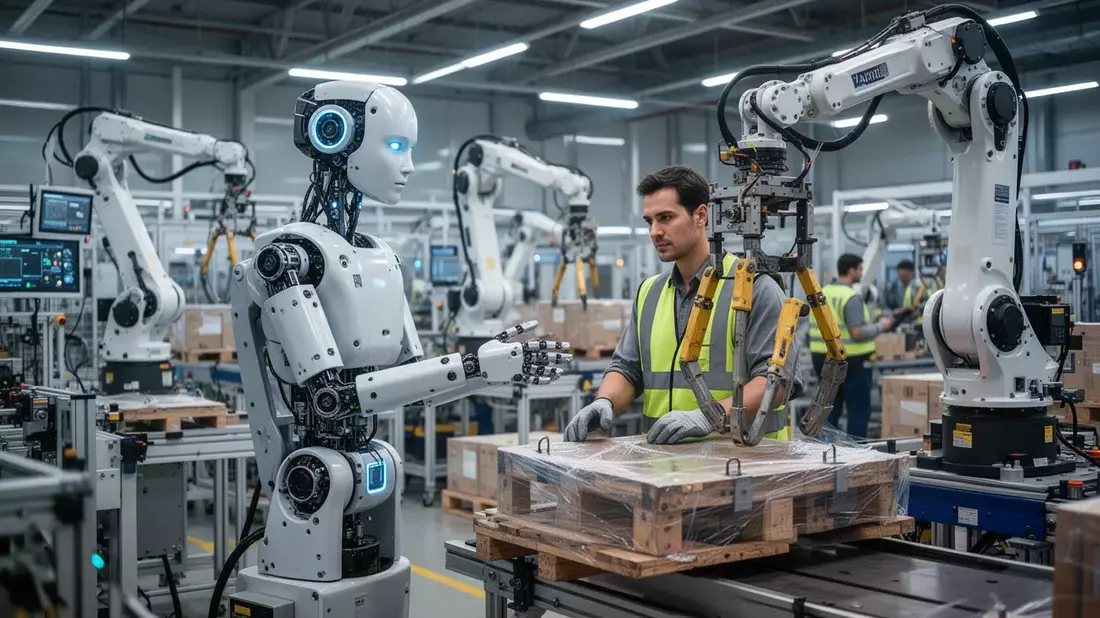
The 2026 World AI Conference (WAIC) in Shanghai has highlighted how autonomous systems are being rapidly integrated into high-risk work environments, with more than 1,100 exhibitors showcasing innovations from July 18 to July 21. For UK employers, the developments signal both the safety potential of automation and the growing regulatory and labour challenges that accompany its adoption.
Steel and Logistics Lead the Automation Charge
Baowu Steel Group, the world's largest crude steel producer with an annual output exceeding 130 million tonnes, introduced specialised robots at the conference designed to handle hazardous tasks. Under its AI 2.0 strategy launched earlier this year, the company is deploying robots to perform molten steel sampling — a role that traditionally exposed human workers to significant heat. This follows the company's achievement of a lights-out factory model in 2023.
In the logistics sector, JD Logistics and Zhiyuan Robotics unveiled the Spirit G2 Max humanoid robot. Currently deployed in an intelligent warehouse, the robot operates 24 hours a day on inbound tasks including the unloading and stacking of heavy packages. JD Logistics plans to deploy more than 1 million robots, autonomous vehicles and drones over the next five years to support its supply chain infrastructure.
New Safety Standards for Human-Robot Collaboration
NVIDIA introduced its Halos safety system, a platform designed to protect human workers collaborating with humanoid robots. The system draws on approximately 18,600 engineering years of data from autonomous vehicle safety research and has received certification from TÜV Rheinland and TÜV SÜD. Agility Robotics is now integrating Halos into its Digit robot models to enhance workplace safety.
Governmental bodies are also formalising the use of these technologies. In Singapore, the government recently certified a list of technology partners for JTC construction projects, following a late 2025 mandate that made robotics compulsory in certain construction tenders. Official data shows that the use of digital delivery and prefabrication in Singapore grew from 20% in 2018 to 70% by 2025.
Labour Disputes Over AI Deployment Intensify
While technology firms emphasise safety, the rollout of AI has triggered significant labour disputes. Hyundai workers in South Korea completed a partial strike from July 13 to July 15 and are scheduled to resume industrial action from July 20 to July 22. The union is protesting the planned deployment of 25,000 Atlas humanoid robots by 2028, and is also demanding fixed salaries and an increase in the retirement age from 60 to 65.
Healthcare professionals have raised concerns about AI-driven workplace management. Nurses at Kaiser Permanente reported that AI surveillance tools, tested in late 2024, were used to grade the empathy and tone of patient calls while pressuring staff to keep interactions under 15 minutes. The California Nurses Association, representing 25,000 workers, is currently bargaining over these metrics.
Global Adoption and Safety Challenges
Recent reports highlight both the rapid adoption of AI and the ongoing challenges in traditional safety management. In India, a 2026 report by Naukri found that 77% of professionals now use AI at work, with the frequency of AI skills appearing in tech job descriptions rising from 0.9% to 15.4% since 2020. An MIT study known as the Iceberg Index suggests that AI could technically perform work associated with 11.7% of the total US wage bill — approximately $1.2 trillion annually.
Meanwhile, traditional workplace hazards persist. Authorities in Melaka, Malaysia, recorded 277 workplace accidents resulting in disability or death during the first half of 2026, including three fatalities in the construction and manufacturing sectors. In Canada, transportation safety officials issued an advisory following a freight train derailment in Quebec on July 5. While there were no injuries, the investigation into track defects is expected to conclude within 450 days.
Legal Challenges Enter the Courts
Legal questions around AI safety are also emerging. In San Francisco, a wrongful-death lawsuit filed in June 2026 alleges that a 2025 fatality was linked to the failure of AI safeguards during a mental-health crisis. Separately, a federal judge recently allowed Meta to proceed with layoffs scheduled for July 22, despite claims from 26 employees that AI selection tools used in May 2026 discriminated against those on protected leave.
Disclaimer regarding our articles: No investment advice, no buy or sell recommendation. Information on prices, companies, and markets is provided without guarantee; changes are possible at any time. Stock market transactions can lead to substantial losses. Our articles are created and reviewed in whole or in part automatically with the support of AI.