Airbus Juggles Record Orders and Engine Bottlenecks as Production Ambitions Hit Turbulence
17.06.2026 - 07:15:17 | boerse-global.de
Airbus kicked off the week by christening a new A320neo final assembly line in Toulouse, housed in the cavernous hall that once built the A380. The expansion brings the group’s global assembly network to ten sites, part of a drive to push monthly output of its best-selling single-aisle to 75 units by the end of 2027. But the ramp-up, already delayed by supply-chain snags, continues to bump up against a stubborn obstacle: a shortage of Pratt & Whitney engines that chief executive Guillaume Faury has publicly blamed for holding back deliveries.
The tension between swelling demand and constrained supply was laid bare in May’s figures. The planemaker handed over 81 aircraft to 45 customers last month, a 59 percent jump from a year earlier, driven largely by the resumption of shipments to Chinese carriers after an administrative logjam cleared. That brings the year?to?date tally to 262, nudging ahead of Boeing’s 250. Yet the full-year target of roughly 870 deliveries — backed by a forecast for adjusted EBIT of €7.5 billion and free cash flow of around €4.5 billion — remains within reach, provided the engine logjam can be cleared.
The order book swelled to 9,247 aircraft by the end of May, representing more than a decade of production at current rates. That mountain of backlog is what is forcing the accelerated assembly?line buildout. “The pressure is enormous,” Faury said, pointing to the record pipeline. But the engine bottleneck at Pratt & Whitney has repeatedly pushed back the production?rate 75 milestone. An additional headache appeared late last year in the form of quality issues with A320neo fuselage panels; Airbus has promised to normalise the delivery schedule by the end of June, though it has not yet confirmed whether that will hold.
Further down the runway, the A350F freighter is set for its maiden flight in the third quarter of 2026, with first deliveries scheduled for the second half of 2027. The order book stands at 101 units from 14 customers, and certification work is proceeding in parallel with Europe’s EASA and America’s FAA.
Should investors sell immediately? Or is it worth buying Airbus?
Meanwhile, one of Airbus’s biggest A350 customers is pressing ahead with fleet renewal. KLM Royal Dutch Airlines will name its upcoming A350?900s after famous Dutch artworks, beginning with “Die Nachtwache” (The Night Watch) in homage to Rembrandt. The aircraft is being assembled and painted in Toulouse and is due to be ferried to Amsterdam at the end of August, with its first revenue service — to Toronto — slated for September. The plane seats 331 passengers, but a certification hitch with the new World Business Class seats means the first two jets will enter service without the upgraded cabin, pending revised regulatory interpretation. KLM has committed €7 billion to modernising its fleet, also ordering A321neos, Embraer E195?E2s, and A350F freighters.
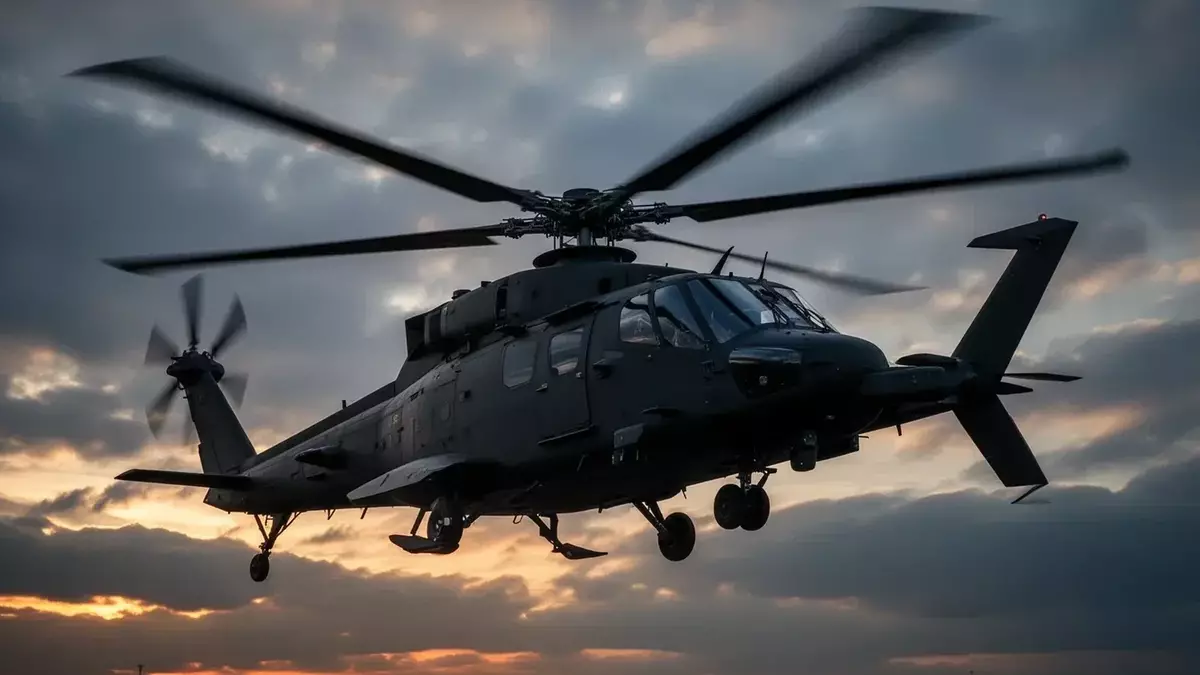
Beyond commercial jets, the helicopter division notched a pair of wins. Romania’s interior ministry ordered twelve multi?role helicopters for disaster relief and air rescue, while the European operator Avincis added 15 machines for missions across southern Europe and Scandinavia. On the unmanned front, Airbus has teamed up with Indian startup Garuda Aerospace to deploy drones for border surveillance and infrastructure inspections.
Macroeconomic tailwinds have also bolstered the outlook. A new framework agreement between the United States and Iran pushed Brent crude towards the $81?a?barrel mark, raising expectations of lower jet?fuel costs for airlines and, by extension, stronger purchasing power for new aircraft. European industry executives, however, caution that rising regulatory burdens — from high energy prices to stringent EU emissions rules — continue to weigh on the region’s competitiveness.
Airbus at a turning point? This analysis reveals what investors need to know now.
At the market’s close, Airbus shares were trading around €45.60, roughly 3 percent below their 200?day moving average and still in negative territory year?to?date. Over the past month, the stock has rallied about 11 percent and sits comfortably above its 50?day line, reflecting investor confidence in the long?term order pipeline. Analysts remain predominantly bullish: of 23 surveyed, 15 rate the shares a buy and eight a hold.
Still, the gap between an overflowing order book and production reality remains the central challenge. The new Toulouse line is a physical bet that Airbus can close that gap. Whether the engine supply chain will cooperate is a question that the third?quarter and fourth?quarter delivery figures will answer.
Ad
Airbus Stock: New Analysis - 17 June
Fresh Airbus information released. What's the impact for investors? Our latest independent report examines recent figures and market trends.