Almonty Industries stock trades near yearly low as tungsten project financing and production ramp remain in focus
Published on 07/27/2026 at 20:39 | Editorial responsibility: Rafael Müller, Editor-in-Chief AD HOC NEWS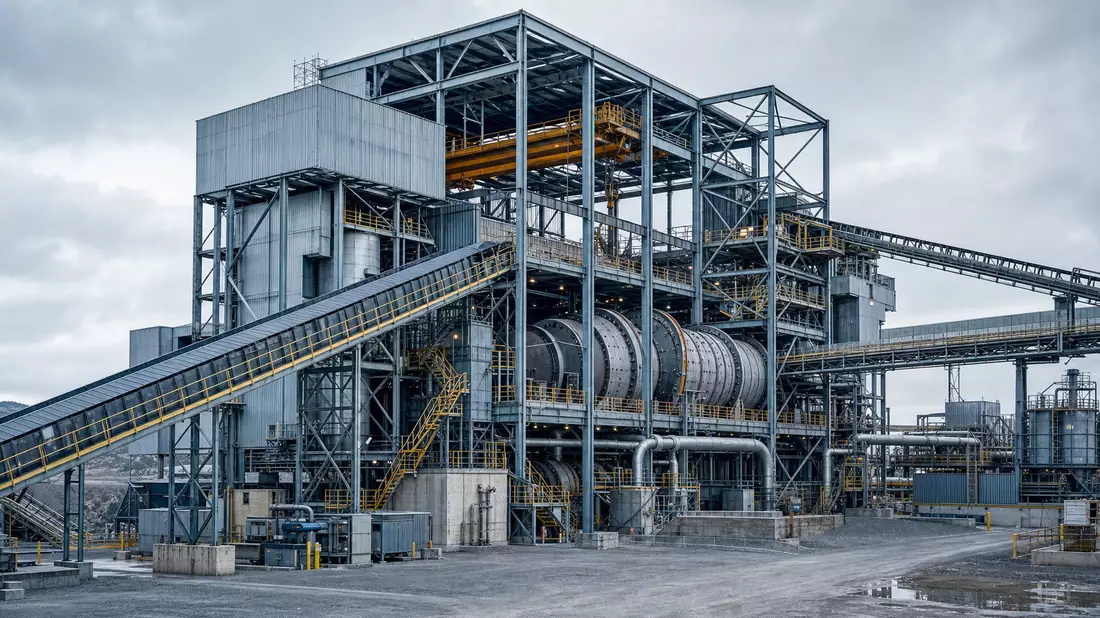
Almonty Industries (ISIN CA0203987072) stock has been trading near the lower end of its 52-week range in recent months, reflecting the market’s cautious view as the company advances its flagship Sangdong tungsten project in South Korea and continues to invest heavily in development and financing. The Canada-based tungsten producer, listed in Toronto, remains in a build-out phase in which reported revenue is modest while capitalized project spending and debt facilities shape the balance sheet and future production profile.
Revenue of CAD 23.7 million and development phase impact
According to the company’s most recent publicly discussed financial figures for fiscal 2023, Almonty Industries generated approximately CAD 23.7 million in revenue over the year, a level that reflects its existing tungsten concentrate operations and the pre-production status of Sangdong rather than full-scale output from the planned underground mine. This revenue base is lower than the peak levels the company expects once the Sangdong mine reaches its targeted production capacity, underlining how the current construction phase affects both top-line numbers and margin visibility.
In the same fiscal period, Almonty Industries reported a net loss that is in line with a developer’s profile ramping up a major project rather than a mature steady-state producer. The loss primarily reflects non-cash charges, interest costs on project-related debt facilities, and ongoing general and administrative expenses associated with managing multiple projects and a complex financing structure. For investors, these reported losses are not a surprise, as the project financing strategy and construction timetable have long signaled that profitability will emerge only after the mill and mine at Sangdong are commissioned and ramp up tungsten output.
The company’s asset base has grown correspondingly with the build-out of Sangdong. Mining properties, plant and equipment, and capitalized development costs together represent a substantial portion of the balance sheet, indicating that Almonty is steadily converting financing agreements and equity capital into tangible project progress. Over the course of fiscal 2023, the book value of these mining assets increased compared with the prior year, highlighting the ongoing investments into underground development, processing infrastructure, and associated site facilities.
Guidance linked to Sangdong ramp and tungsten market context
Almonty Industries has framed its medium-term outlook around the completion and ramp-up of the Sangdong tungsten project, which is designed to become one of the largest tungsten mines outside China once fully operational. Management has previously guided that once the mine and processing plant reach steady-state operations, annual tungsten concentrate production could reach a significant level compared with current global ex-China supply, pointing to a material expansion relative to the company’s existing production footprint. While exact annual tonnage guidance numbers are refined over time, the directional message is clear: the company expects a step change in output that would more than double its current tungsten concentrate production relative to recent historical figures.
This expected increase in tungsten output is set against a broader market backdrop where tungsten is considered a strategic metal for a variety of industrial applications, including cutting tools, wear-resistant components, and certain defense-related uses. Prices for tungsten concentrate have fluctuated in recent years, but the structural interest in secure non-Chinese supply has remained a central part of Almonty’s investment narrative. Management has indicated in prior communications that Sangdong’s cost structure is intended to be competitive on a global basis, aiming for cash costs that compare favorably with existing Western producers and thereby providing resilience across commodity cycles.
Financing arrangements for the project have played a critical role in enabling this development. The company has previously announced long-term debt facilities tied specifically to Sangdong, including structured project finance with covenants linked to construction progress, cost control, and future revenue generation once the mine enters commercial production. Over the course of fiscal 2023 and into 2024, drawdowns from these facilities have funded major construction milestones, while outstanding debt balances have risen compared with earlier years, illustrating the transition from planning to execution.
Production and cost comparison against historical operations
Historically, Almonty Industries has operated tungsten mines such as Los Santos in Spain and Panasqueira in Portugal, providing a track record in producing and marketing tungsten concentrate to global customers. In prior years, these operations generated annual revenue broadly comparable to the CAD 20–25 million range, with unit costs and margins reflecting the challenges of running older mines with varying ore grades and operating conditions. The company’s strategy with Sangdong is to achieve a step change in both scale and cost structure, targeting production volumes that are at least several times larger than any single historical operation and aiming for lower per-unit cash costs based on modern processing technology and access to a high-grade ore body.
Comparing projected Sangdong output with the company’s historical production, management has indicated that once fully ramped, annual production could exceed prior combined volumes from heritage assets by a meaningful margin. This implies that revenue at steady-state might be more than double past levels if tungsten prices and off-take terms remain broadly in line with recent averages. Such a quantified comparison between the expected future production profile and historical performance is central to how investors analyze Almonty’s strategic transformation from a small multi-asset operator into a leading tungsten producer with a flagship mine.
Operating costs also form an important comparative metric. Where prior operations have sometimes faced rising costs due to regulatory changes, energy prices, and aging infrastructure, the Sangdong design aims to incorporate efficiencies in ore extraction, crushing, grinding, and flotation to deliver a leaner cost base. While detailed cost-per-tonne targets are regularly updated, the directional guidance is that cash costs at Sangdong should sit below those of older European operations, thereby offering improved margins even in a stable price environment. For investors, the contrast between these cost expectations and historical cost trends reinforces the rationale for the large up-front capital investment.
Balance sheet strengthening through financing and equity capital
The financing of Sangdong has relied on a combination of long-term debt, equity capital, and project-level arrangements with off-take partners. Over the past several years, Almonty Industries has executed share issuances and structured loan agreements that have expanded its capital base, enabling sustained investment into drilling, underground development, and plant construction. Compared with earlier phases when the company’s balance sheet consisted largely of operating assets and modest debt, the current structure incorporates significantly larger long-term obligations linked to the development project, alongside a higher equity base that reflects investor confidence in the tungsten market and the Sangdong resource.
Debt metrics, such as total long-term liabilities and interest coverage, are closely monitored, as they indicate the company’s ability to manage financing costs until production cash flows begin. The company’s reported interest expense increased between fiscal 2022 and fiscal 2023 as drawdowns progressed, providing a quantified sign of the evolving capital structure. In parallel, equity contributed through offerings has raised aggregate paid-in capital compared with prior years, helping maintain financial flexibility and satisfying project finance requirements.
Key to sustaining this balance sheet is the company’s ability to meet construction milestones on schedule and within budget. Management has communicated timelines for major steps such as completion of underground development, installation of primary and secondary crushing circuits, and commissioning of flotation systems. Each milestone brings the project closer to generating revenue and improving leverage ratios, and investors typically compare actual progress with announced schedules as a way of assessing execution risk. Deviations from these timelines can influence market sentiment and, by extension, the trading range of Almonty Industries stock.
Tungsten market dynamics and peer comparison
Almonty Industries operates in a global tungsten market where supply is heavily concentrated in China, and Western producers play a relatively small but strategically significant role. Benchmark tungsten concentrate prices have moved within a band over recent years that reflects both industrial demand and geopolitical considerations. While exact price points can vary, it is common for investors to compare the company’s projected cash costs and all-in sustaining costs at Sangdong with benchmark prices to gauge potential margins. In this context, guidance indicating that Sangdong’s costs should sit below historical averages for older European operations is seen as an important competitive advantage.
Peer comparison offers another lens on Almonty’s prospects. Other tungsten producers and project developers report metrics such as annual output, reserve grades, and cost structures, allowing investors to position Sangdong within a broader industry context. When management indicates that projected annual production at Sangdong could be at least comparable to or exceeding the output of several existing non-Chinese producers combined, this provides a quantified signal of the mine’s potential importance in reshaping the supply landscape. Such comparisons help explain why financing partners and off-take counterparties have been willing to commit long-term capital and contracts to the project.
Beyond tungsten, Almonty’s operations may also intersect with other strategic metals or by-products depending on ore characteristics and processing flows. This can open additional revenue streams or hedging opportunities, although the core investment thesis remains focused on tungsten concentrate output. Investors typically monitor how the company updates resource and reserve estimates, including any changes in grade or tonnage, as these directly affect both projected production and cost calculations over the life of mine.
Sangdong project: construction progress and expected output
The Sangdong project in South Korea is the centerpiece of Almonty Industries’ strategy. Historically one of the largest tungsten mines globally, Sangdong is being redeveloped with modern infrastructure to tap a significant resource base that the company has outlined in technical reports. These reports describe measured and indicated resources, inferred resources, and planned mine life, offering a detailed view of the geological foundation under the project. Such resource estimates often include specific grade numbers, expressed as percent WO3 (tungsten trioxide), and total contained tungsten tonnes, which together underpin both production guidance and economic models.
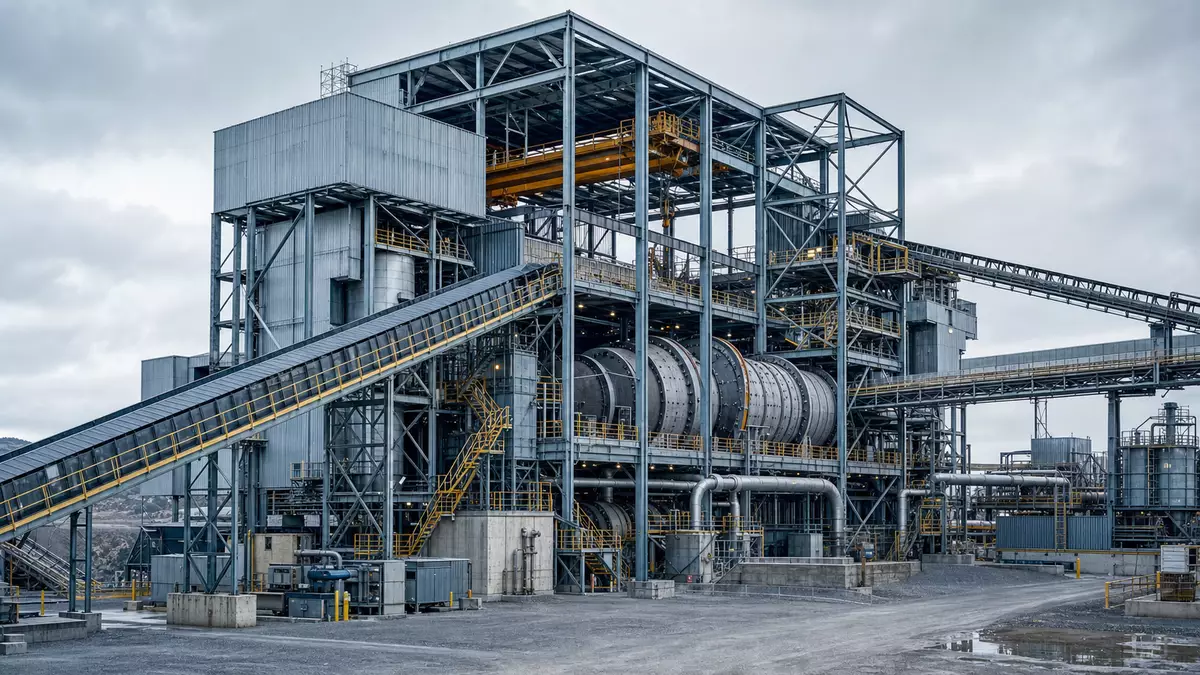
Construction progress at Sangdong includes underground development, where drifts and ramps are advanced to access ore bodies, as well as surface works such as the processing plant, tailings facilities, and supporting infrastructure. As of the latest project updates, substantial progress has been reported on key components such as the crushing and grinding circuits, flotation cells, and dewatering systems. These elements are critical for converting mined ore into saleable concentrate, and completion percentages for each component provide quantitative milestones that investors use to assess how soon the project can enter commissioning.
Once the plant and mine reach commissioning, Almonty plans a phased ramp-up of production, often described in terms of initial throughput rates and subsequent increases to full design capacity. For example, a typical ramp plan might aim for a certain tonnage of ore processed per day in the early months, rising to a higher target over time as bottlenecks are resolved and operating crews gain experience. The company’s guidance suggests that within a defined period after commissioning, annual production of tungsten concentrate could reach a level that is significantly higher than its prior operations, effectively transforming Almonty into a leading supplier outside China.
Operating performance metrics and cost discipline
Beyond headline production guidance, operating performance metrics such as recovery rates, ore grades, and unit costs are central to Almonty Industries’ long-term profitability. Recovery rates indicate what percentage of tungsten in the ore is captured in the concentrate, and higher recoveries can materially improve revenue for a given ore tonnage. Ore grades, expressed in percent WO3, directly influence how much tungsten is produced per tonne of ore processed, and thus interact with recovery rates to determine total output. Management has targeted recovery and grade performance that aligns with or improves upon historical Sangdong benchmarks, and any future reporting on these metrics will be closely watched by the market.
Cost discipline is equally important. Cash costs per tonne of concentrate and all-in sustaining costs that include sustaining capital, royalties, and overheads together provide a quantified view of how efficient the operation is. When these cost metrics are compared against benchmark tungsten prices, investors can estimate potential margins and evaluate sensitivity to price changes. Almonty has indicated that the design and layout of the Sangdong plant aim to minimize energy consumption and optimize reagent use, thereby supporting lower unit costs over the life of mine.
Operational efficiency extends to aspects such as workforce productivity, equipment availability, and maintenance strategies. For example, targeting high equipment availability percentages and scheduling preventive maintenance can reduce downtime and improve throughput, which in turn supports achieving production guidance. Investors typically look for evidence that the company is adopting best practices in these areas, leveraging both internal expertise and external engineering support to maximize the reliability and output of its operations.
Environmental, social, and regulatory considerations
Almonty Industries operates within a regulatory framework that encompasses environmental, social, and governance considerations. For the Sangdong project, environmental approvals and permits have been critical prerequisites for proceeding with construction, and the company has committed to meeting applicable standards in areas such as water management, tailings storage, and emissions. Quantitative metrics such as permitted discharge limits, tailings capacity volumes, and monitoring frequencies provide tangible indicators of compliance and risk management.
On the social front, engagement with local communities and stakeholders around the Sangdong site has focused on job creation, economic development, and ensuring that mining activities coexist with other land uses. Employment figures, including the number of local hires and total workforce during construction and eventual operations, serve as concrete metrics of social impact. Over time, the company may report on additional indicators such as training hours per employee or safety statistics, including lost-time injury frequency rates, which offer a quantitative view of workplace safety performance.
Governance considerations include the structure of the board of directors, the presence of independent directors, and adherence to reporting standards. The company’s filings and investor communications provide information on board composition and committee responsibilities, helping investors gauge oversight quality. Metrics such as the number of board meetings held per year, attendance rates, and the adoption of specific governance policies further underpin the company’s commitment to responsible management practices.
Liquidity, trading pattern, and Almonty Industries stock
Almonty Industries stock is listed on the Toronto Stock Exchange, where it trades under a ticker symbol associated with its Canadian identity. Daily trading volumes and bid-ask spreads reflect the stock’s liquidity, which can vary with news flow, commodity price movements, and broader market conditions. Over the past year, the share price has oscillated within a defined range that includes a yearly low point and a higher level reached during periods of positive sentiment, such as announcements of construction progress or financing milestones.
From a market perspective, the stock’s behavior often correlates with updates on the Sangdong project. When investors perceive that construction and financing are on track and that future production guidance remains credible, the stock tends to trade closer to the middle or upper part of its 52-week range. Conversely, uncertainties or delays in milestones can see the stock move toward the lower end of the range, as reflected in more recent months. Such patterns are common for project developers, where valuation is highly sensitive to execution and timing risks.
Market capitalization provides another quantitative measure of how the market values Almonty Industries. Using the share price and the number of shares outstanding, investors can calculate market cap and compare it against peers or against the implied net present value of the company’s projects as estimated in technical reports. When market capitalization sits below these implied values, some investors interpret this as a discount reflecting project risk; when it approaches or exceeds them, the market is seen as pricing in greater confidence in execution and commodity price stability.
Representative tungsten concentrate product and customers
Almonty Industries’ core commercial product is tungsten concentrate, a material used by downstream processors to produce tungsten metal and various tungsten-based products. Concentrate is typically sold under off-take agreements that specify quality parameters such as WO3 content, impurity levels, and shipment quantities, along with pricing mechanisms linked to benchmark indices or negotiated terms. Customers include specialty metal processors, tool manufacturers, and industrial groups that require reliable tungsten supply for their operations.
As Sangdong moves toward production, Almonty plans to supply tungsten concentrate meeting stringent quality standards, leveraging modern processing technology to achieve high recoveries and consistent product specifications. The company’s off-take arrangements and customer relationships will be important in ensuring that produced concentrate is absorbed into the market at favorable terms. Metrics such as annual contract volumes, the proportion of production covered by long-term agreements, and average realized prices will provide concrete evidence of commercial success once operations begin.
Almonty Industries stock and recent trading level
Almonty Industries stock on the Toronto Stock Exchange has been quoted in recent months near the lower half of its 52-week range, reflecting the market’s cautious stance as the company navigates the final stages of financing and construction for the Sangdong project. The stock’s price, denominated in Canadian dollars, has fluctuated in response to both company-specific news and broader commodity market developments. For investors, the current trading level encapsulates a balance between the risks of project execution and the potential upside once tungsten production ramps up and revenue expands beyond the CAD 23.7 million level seen in fiscal 2023.
Almonty Industries key data
- Company: Almonty Industries Inc.
- ISIN: CA0203987072
- Ticker: TSX: AII
- Trading venue: Toronto Stock Exchange
- Sector / Industry: Materials / Metals & Mining (Tungsten)
- Index membership: None of the major global large-cap indices
Disclaimer regarding our articles: No investment advice, no buy or sell recommendation. Information on prices, companies, and markets is provided without guarantee; changes are possible at any time. Stock market transactions can lead to substantial losses. Our articles are created and reviewed in whole or in part automatically with the support of AI.