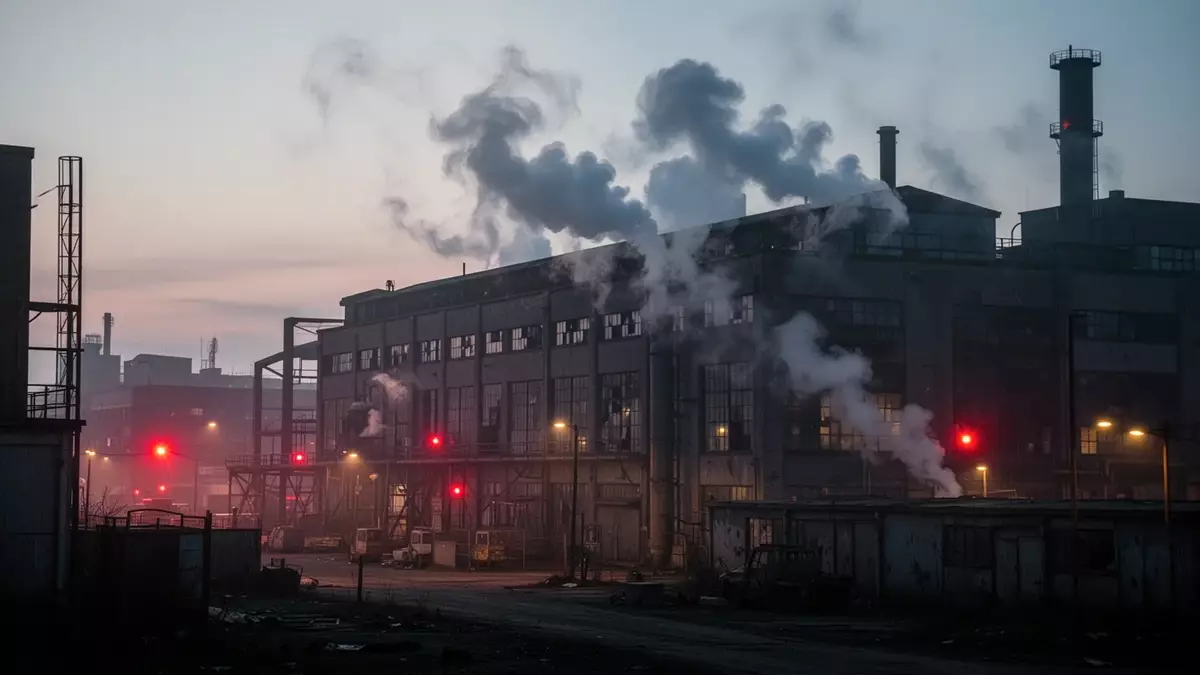
Ammonia Leak at Tamil Nadu Seafood Plant Prompts NGT Action Against Regulators
Published on 07/19/2026 at 18:48 | Redaktion boerse-global.de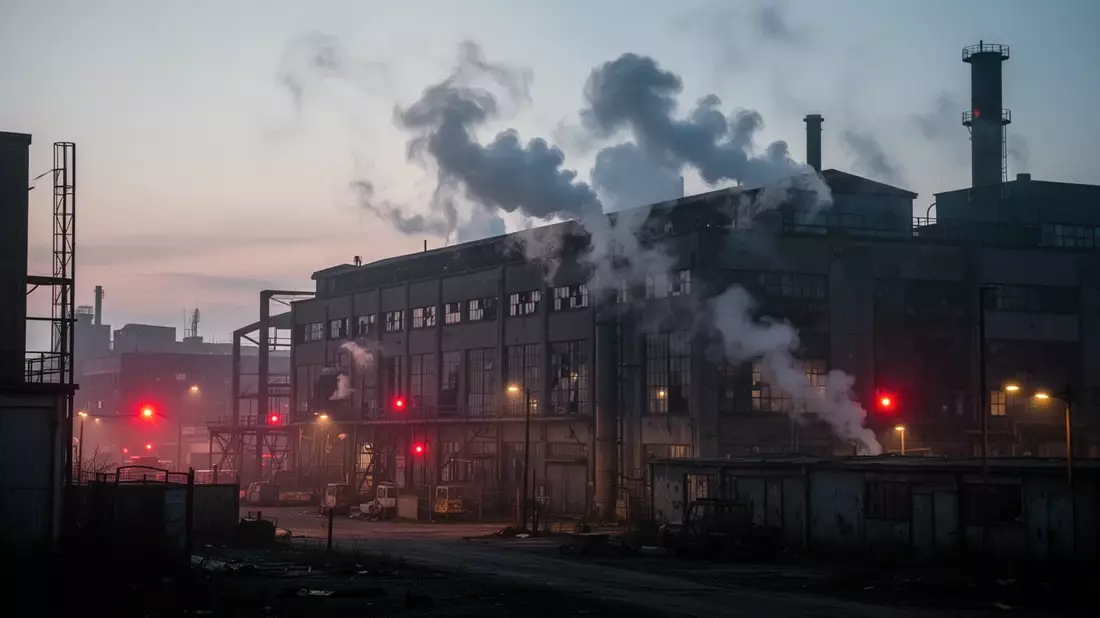
India’s National Green Tribunal (NGT) has issued formal notices to multiple state and central regulatory bodies following a fatal ammonia gas leak at a seafood processing facility in Tiruvallur, Tamil Nadu. The judicial intervention, which targets agencies including the Central and state pollution control boards, underscores growing scrutiny of workplace safety standards in India’s food processing sector.
The incident occurred on June 21, 2026, when an ammonia leak at a shrimp processing unit led to worker fatalities and dozens of hospitalisations. The NGT’s notices were directed to the Central Pollution Control Board (CPCB), the Tamil Nadu Pollution Control Board (TNPCB), the Ministry of Environment, Forest and Climate Change (MoEFCC), and the Tiruvallur District Magistrate.
Ammonia leaks like this one highlight the importance of strict hazardous substance management. UK employers handling chemicals must comply with COSHH regulations to prevent similar tragedies. Without proper risk assessments, your business could face hefty fines and legal action. A free COSHH toolkit provides 43 ready-to-use templates, checklists, and toolbox talks to help you stay compliant and protect your workforce. Download the free COSHH Risk Assessment Toolkit
Safety Violations Found at the Facility
In an order dated July 2, 2026, the tribunal identified significant prima facie violations of both the Air (Prevention and Control of Pollution) Act and the Environment Protection Act. Investigations revealed several critical safety lapses that allegedly worsened the severity of the leak.
The facility lacked a functional alarm system to warn employees of chemical exposure, according to the tribunal’s findings. It was also operating without a fire hydrant system and had failed to maintain ESI Form 12, a mandatory record for employee insurance.
Conflicting Casualty Figures and State Compensation
Reports on the total number of casualties have varied since the incident. While some initial assessments cited two deaths and more than 60 hospitalisations, other reports indicated that as many as 18 migrant workers lost their lives due to ammonia exposure.
In response, the Tamil Nadu government announced a compensation package of ?2 lakh for the families of those who died. The incident has raised broader concerns about workplace safety standards and the monitoring of hazardous chemical use in the region’s food processing industry.
The investigation revealed a lack of basic safety systems, from alarms to fire hydrants. UK businesses can learn from these failures by ensuring their own health and safety documentation is up to date. Missing records and inadequate risk assessments leave companies vulnerable to accidents and enforcement action. The free Health & Safety Toolkit provides ready-to-use risk assessments, checklists, and templates covering all major UK regulations. Download the free Health & Safety Toolkit
Next Hearing Scheduled for August
The NGT has scheduled the next hearing for August 31, 2026, before its Southern Zonal Bench in Chennai. The notified agencies are expected to provide detailed reports on the industrial accident and the status of environmental compliance at the Tiruvallur site.
The tribunal’s scrutiny comes amid a broader push for industrial accountability in Tamil Nadu. In a related development, the state government recently initiated an environmental and social audit of 28 water supply and sewerage projects as part of a World Bank-assisted programme, signalling increased oversight of municipal and industrial infrastructure.
Disclaimer regarding our articles: No investment advice, no buy or sell recommendation. Information on prices, companies, and markets is provided without guarantee; changes are possible at any time. Stock market transactions can lead to substantial losses. Our articles are created and reviewed in whole or in part automatically with the support of AI.