Ball Stock - Long-term aluminum packaging business model
20.06.2026 - 17:52:00 | ad-hoc-news.de
Edited by ad hoc news Long-Term & Business-Model Desk. Verified prior to publication on 06/20/2026, 17:48 CET. Details in the imprint.
Ball Corp. (US05722G1004) operates one of the best-known aluminum packaging franchises in the global beverage industry. With no newly confirmed ad-hoc or major analyst update today, the focus shifts to the company’s long-term business model and positioning.
Background and price data on Ball stock
All current reports, historical articles and price information on Ball stock are collected on the dedicated topic page for this ISIN.
Long-term role in aluminum cans
Ball’s core franchise remains the manufacture of aluminum beverage cans, an area where it has spent decades building capacity, customer relationships and technical expertise. The company supplies leading soft drink and beer brands across North America, Europe and other regions.
In this market, long-dated supply contracts with large beverage companies are central, because they underpin utilization of Ball’s plant network and help stabilize cash flows through cycles. The capital intensity is high, but once capacity is installed, incremental volumes can support attractive returns.
Structural packaging trends
Aluminum cans continue to benefit from recyclability and circular-economy narratives, which have become more important in procurement decisions of consumer-goods groups and retailers. This theme supports demand even in mature beverage markets.
At the same time, Ball has had to navigate shifts in mix between carbonated soft drinks, beer, energy drinks and new ready-to-drink categories. These trends can alter plant loading by region and influence which formats and can sizes see the most investment over time.
Business segments and customers
Historically, Ball has structured its business along geographic lines, focusing on beverage packaging operations in North and Central America, Europe, the Middle East and Africa, as well as other international markets. Each region carries its own demand cycles and regulatory framework.
Key customers include global beverage multinationals and regional brewers, which often negotiate multi-year agreements that tie volumes to mutual investment in filling and packaging capabilities. This concentration can be a strength, but it also exposes Ball to the purchasing decisions of a relatively small number of major buyers.
Capital intensity and returns
The company’s model relies on continuous capital expenditure for new lines, plant upgrades and efficiency projects. Building a new can plant is expensive and takes time, but a well-loaded facility can generate solid margins and cash flow once mature.
Given this profile, metrics such as return on invested capital and free cash flow generation over a full cycle are key yardsticks investors use to assess whether Ball is allocating capital effectively. The balance between growth investment, dividends and share repurchases has been a recurring topic in shareholder discussions.
Balance sheet and financial profile
As a heavy industrial operator, Ball typically carries a meaningful debt load, reflecting the capital invested in its manufacturing base. Investors watch leverage ratios closely, especially in phases of softer demand or higher interest rates.
Management’s long-term financial framework has usually combined growth initiatives with an explicit commitment to maintain leverage within a targeted corridor. That framework is designed to preserve flexibility for strategic investments while supporting shareholder returns over time.
Strategic focus on sustainability
Sustainability has become a central pillar of Ball’s long-term strategy, with management emphasizing aluminum’s high recyclability as a competitive edge versus other packaging materials. The company invests in light-weighting, recycling initiatives and collaborations along the value chain.
For investors, these initiatives are relevant because they can strengthen customer relationships, influence regulatory outcomes in packaging policy and potentially support pricing power if aluminum cans gain share from less sustainable formats.
Competitive landscape and peers
Ball competes with other global can manufacturers and regional players that also supply beverage producers. Market dynamics are shaped by capacity additions, input costs for aluminum and energy, and long-term contracts that lock in volumes and pricing formulas.
Compared with diversified packaging groups, Ball’s focus on aluminum beverage cans gives it a clear specialization. However, that specialization also concentrates exposure on a single packaging format and end market, which can amplify the impact of demand swings in beverages.
Revenue drivers over the cycle
Over the long run, Ball’s revenue is driven by beverage consumption trends, customer product launches and regional growth in packaged drinks. Volume growth can be modest in mature markets but stronger in emerging economies where per-capita consumption is lower.
Pricing mechanisms often include passthrough features for aluminum costs, which can stabilize margins but also mean that nominal revenue moves with commodity price cycles. The company’s ability to capture value through innovation, design and service is therefore important beyond pure volume and metal price effects.
Profitability and efficiency measures
Operating margins in can manufacturing depend on plant utilization, production efficiency and the balance between fixed and variable costs. High utilization of modern, automated lines generally supports better profitability.
Ball’s long-term strategy has included continuous improvement programs, network optimization and, at times, restructuring actions to consolidate capacity. These measures aim to protect margins when demand conditions are softer and to position the network for growth when volumes accelerate.
Role of innovation and design
While cans might appear commoditized, Ball invests in innovation around can shapes, sizes, finishes and printing capabilities. For brand owners, distinctive packaging can be a differentiator on the shelf.
Premium formats, such as sleek cans or specialty coatings, can offer higher value-add for both Ball and its customers. Over time, the mix between standard and specialty cans can influence the company’s average selling price and margin profile.
Exposure to macroeconomic conditions
Ball’s business is indirectly linked to consumer spending on beverages, which can be influenced by macroeconomic cycles. Periods of slower economic growth may dampen beverage volumes or shift consumption patterns between channels.
However, certain beverage categories, such as staple soft drinks or popular beers, tend to be relatively resilient, which can mitigate volatility in can demand. The company’s geographic diversification further helps to balance regional economic swings.
Currency and commodity factors
As a global operator, Ball generates revenue and incurs costs in multiple currencies. Currency movements can affect reported results when translated into dollars, even if local operating performance remains stable.
Aluminum prices are another external factor, although contractual passthrough structures are designed to limit the direct margin impact. Working-capital swings linked to metal prices can nonetheless affect cash flows in the short term.
Long-term strategic options
Looking ahead, Ball’s strategic degrees of freedom include further optimization of its plant footprint, selective capacity expansion in growth markets and possible portfolio adjustments if non-core assets are identified. Partnerships across the recycling chain are another area of ongoing development.
For shareholders, the central question is how these strategic moves translate into durable earnings power, cash generation and disciplined capital allocation over many years rather than a single quarter.
How the company makes money
Ball generates most of its revenue by manufacturing and selling aluminum beverage cans, such as the ubiquitous 12-ounce can used for many soft drinks and beers. It earns money through long-term supply agreements, production efficiencies and value-added packaging innovations.
Where the stock trades today
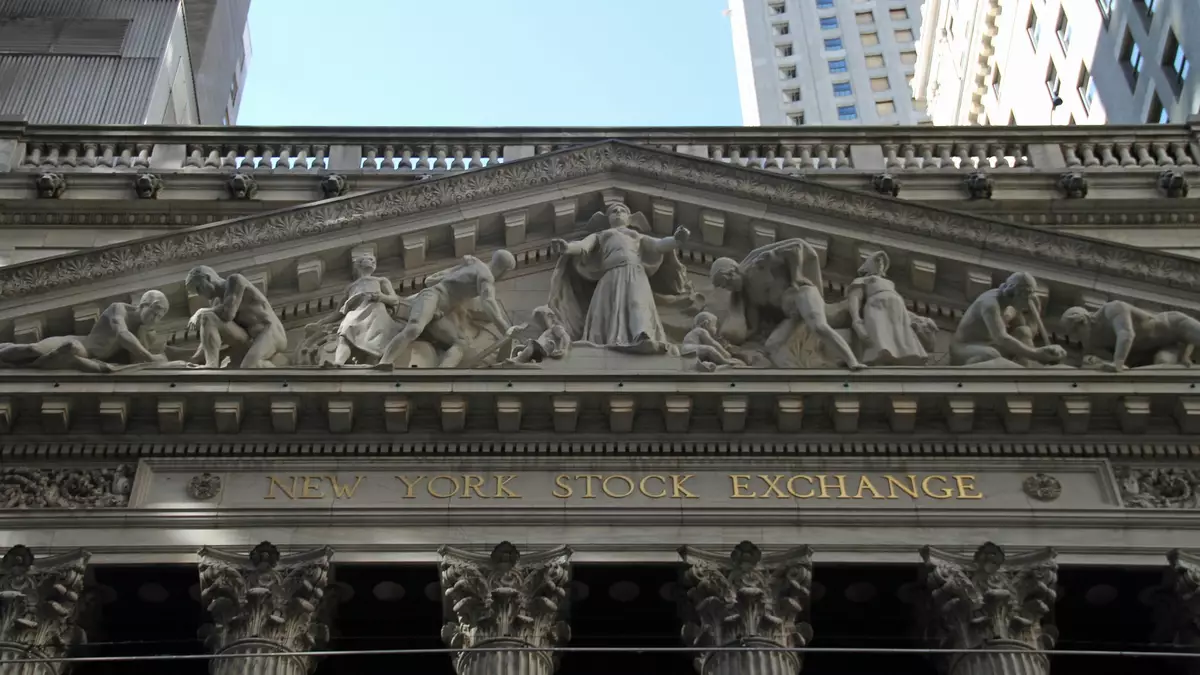
The shares of Ball trade on the New York Stock Exchange under the ticker BALL; a current, reliable price snapshot in USD was not independently verifiable at the time of editing on 06/20/2026, 17:48 CET.
Key facts on Ball stock
- Company: Ball Corp.
- ISIN: US05722G1004
- Ticker: BALL
- Venue: NYSE
- Sector / Industry: Materials / Metal & glass containers
This article was AI-assisted and editorially reviewed. Price and company data without warranty; prices and dates may change at short notice. No investment advice, no buy or sell recommendation. Trading securities involves risk up to total loss of capital.