Bank of America stock holds steady as US banking backdrop stays mixed
Published on 07/11/2026 at 22:28 | Editorial responsibility: Rafael Müller, Editor-in-Chief AD HOC NEWS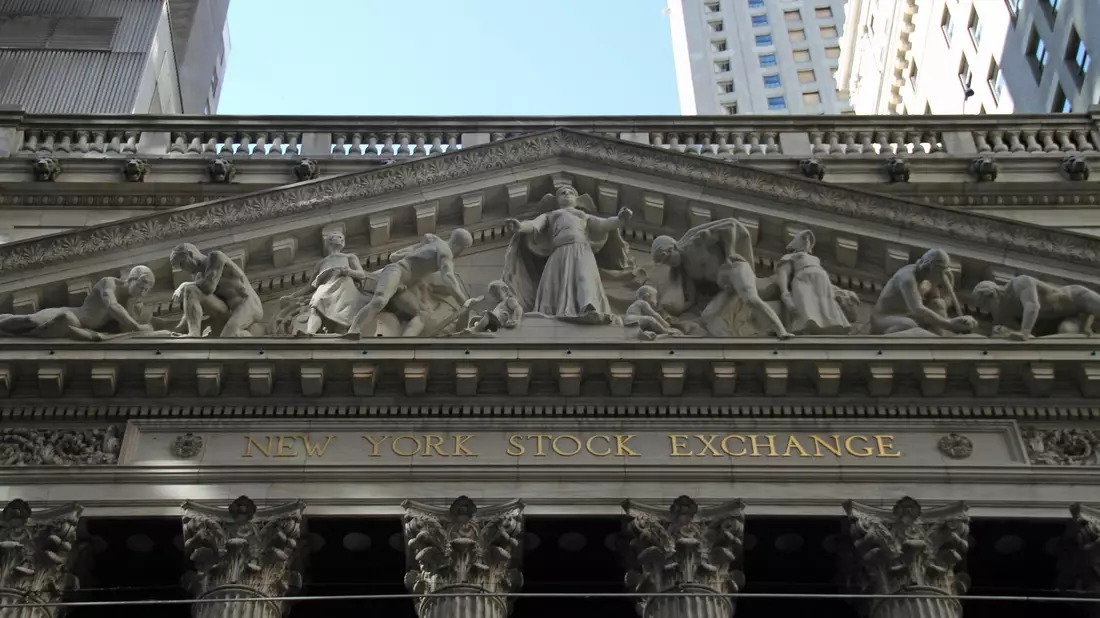
Bank of America stock, tied to one of the largest US banking groups by assets, is closely watched by investors looking for exposure to the US financial sector. The company, widely known as Bank of America Corp., plays a central role in consumer banking, corporate lending, capital markets, and wealth management across the United States. For many investors, the stock's appeal rests on its sensitivity to interest rates, loan growth, and credit quality, making it a barometer of broader economic conditions.
Bank of America in the US banking landscape
Bank of America Corp. is a major US financial institution with extensive operations in retail banking, commercial banking, investment banking, and asset management. The company serves tens of millions of consumer and small business relationships through branches, digital platforms, ATMs, and contact centers. Its scale makes it one of the key components of the US banking system, alongside other large peers in the country.
The bank's diversified model means that its revenue base includes net interest income from lending and deposits as well as noninterest income from fees, trading, and advisory services. This mix can help smooth earnings across different economic cycles, though profitability still depends heavily on prevailing interest rates, credit spreads, and customer activity. In periods of rising benchmark interest rates, the bank's net interest margin, which measures the difference between interest earned on assets and interest paid on liabilities, can expand if loan yields reprice faster than deposit costs.
Bank of America also benefits from its national footprint and digital banking capabilities. Over recent years, US banks have shifted significant activity to mobile and online platforms, reducing the reliance on physical branches as customers adopt digital tools for payments, savings, and investment. For Bank of America, this trend supports efficiency efforts, as technology investments can ultimately lower operating costs per customer compared with traditional branch-heavy models.
Interest rates, credit cycles, and profitability
For Bank of America stock, interest-rate dynamics are one of the most important drivers of earnings potential. When central banks increase benchmark rates to combat inflation or cool economic activity, the yields on variable-rate loans and newly originated credit can rise. If deposit costs lag, net interest income often increases, which can support higher profitability. Conversely, when rates decline or when competition for deposits becomes intense, banks may face pressure on margins as funding costs rise faster than asset yields.
Credit cycles play a second major role in shaping Bank of America's results. During periods of economic expansion, credit demand from households and businesses tends to grow, supporting loan volumes in categories such as mortgages, auto loans, credit cards, commercial and industrial loans, and commercial real estate. Lower default rates and smaller provisions for credit losses can bolster net income. When the cycle turns and growth slows, banks typically increase allowances for loan losses and tighten underwriting standards, which can weigh on earnings and sometimes constrain loan growth.
Bank of America and other large US banks manage credit risk through diversified portfolios, internal ratings, and stress testing. Regulatory frameworks require these institutions to maintain certain capital and liquidity ratios, and large US banks are subject to regular supervisory stress tests that assess their resilience under adverse economic scenarios. For shareholders, the results of these processes can influence expectations about dividend levels, share repurchases, and the bank's capacity to absorb potential losses in severe downturns.
Regulation, capital, and investor perception
Bank of America operates under comprehensive regulatory oversight in the United States and in other jurisdictions where it conducts business. US regulators set capital requirements that are designed to ensure banks can withstand unexpected losses. For large institutions, these requirements include common equity tier 1 capital ratios and leverage ratios that must meet or exceed minimum thresholds. Compliance with these standards is fundamental to maintaining market confidence and access to funding.
Investors often pay close attention to Bank of America's capital position, liquidity profile, and regulatory feedback. A strong capital base can support more flexible capital allocation decisions, such as dividend payouts or share repurchase programs, while a weaker position may lead to more conservative strategies focused on balance-sheet strengthening. Over time, improvements in efficiency, risk management, and capital discipline can help large banks deliver more stable returns, which in turn may support valuation metrics such as price-to-book and price-to-earnings ratios.
Regulatory developments, including potential changes to capital rules or consumer protection requirements, can affect Bank of America's operating environment. Adjustments to how certain assets are risk-weighted, or to how liquidity buffers are calculated, may alter the bank's capital structure and funding strategy. For shareholders, these changes may impact expectations around returns on equity and growth in book value, especially if new rules require banks to hold more capital relative to risk-weighted assets.
Revenue mix across core segments
Bank of America's revenue streams come from several core segments, giving the institution a diversified business model that spans retail, commercial, and capital markets activities. The consumer banking segment typically includes deposits and lending to individuals through checking accounts, savings products, mortgages, and credit cards. Fee-based revenue in this segment can arise from account services, card interchange fees, and other consumer-related charges.
The global wealth and investment management operations serve affluent and high-net-worth clients, providing products such as brokerage services, advisory mandates, and investment solutions. These activities generate fee income tied to assets under management and transaction volume. Meanwhile, the global banking and markets segments cover corporate lending, treasury services, investment banking, and sales and trading. Here, revenue depends on corporate activity levels, capital markets issuance, merger and acquisition transactions, and trading volumes across asset classes.
For investors in Bank of America stock, this diversified revenue mix can offer some protection when one segment faces cyclical pressure. For example, if trading revenue softens due to lower market volatility, stronger performance in consumer lending or wealth management could help offset the impact. However, major macroeconomic events, such as recessions or financial market dislocations, can affect multiple segments simultaneously, underscoring the importance of risk management and capital strength.
Digital banking and efficiency initiatives
Digital transformation is a key theme in the banking sector, and Bank of America has invested significantly in technology to enhance customer experience and operational efficiency. Mobile banking apps, online portals, and automated service channels allow customers to manage accounts, send payments, view statements, and engage with advisory services with minimal friction. The shift from branch-based interactions to digital engagement helps the bank reach customers at scale while reducing some of the cost structure associated with physical locations.
Efficiency initiatives often focus on streamlining processes, reducing manual tasks, and leveraging data analytics to optimize operations. For Bank of America, improvement in efficiency can translate into lower noninterest expenses relative to revenue, sometimes measured through metrics like the efficiency ratio. A lower ratio generally indicates that the bank is generating more income for each dollar of operating expense, which can support profitability and competitiveness.
Technology investments also play a role in risk management. Enhanced data systems and analytics tools can improve the bank's ability to monitor credit exposures, market risks, and operational risks across its global footprint. For shareholders, progress on digital initiatives and efficiency gains can be an important factor in assessing long-term value creation, particularly as competition from both traditional peers and newer entrants in financial technology continues to intensify.
Competitive position among US banks
In the US banking arena, Bank of America competes with other large national institutions, regional banks, and specialized financial companies. Its broad range of services and extensive customer base give it a prominent position in areas such as consumer banking and corporate lending. The bank's scale can be an advantage in terms of brand recognition, funding access, and the ability to invest in large technology projects that smaller rivals might find difficult to match.
Competition occurs across multiple fronts, including pricing for deposits and loans, fees for services, quality of digital platforms, and the breadth of advisory offerings. Customers increasingly expect frictionless digital experiences, competitive rates, and robust product choices, prompting large banks to continuously refine their offerings. For Bank of America, maintaining a strong competitive position involves balancing attractive customer terms with prudent risk and cost management.
Investors often compare Bank of America to other major US bank stocks by examining metrics such as return on equity, net interest margin, efficiency ratio, and valuation multiples. A bank that generates higher returns on equity with a solid capital base and manageable risk profile may be seen as better positioned to deliver shareholder value over time. In this context, Bank of America's performance is frequently assessed relative to peers, using publicly available financial statements and industry benchmarks.
Dividend policy and capital returns
Large US banks, including Bank of America, commonly return capital to shareholders through dividends and, when permitted by regulators and internal policies, share repurchase programs. Dividends provide a recurring income stream, which many investors in bank stocks value as part of a total-return strategy. The level and growth of dividends over time can reflect management's confidence in the sustainability of earnings and the strength of the balance sheet.
Share repurchases can play a complementary role by reducing the number of outstanding shares, potentially increasing earnings per share and supporting the stock price if executed at disciplined valuation levels. However, repurchase activity is often influenced by regulatory guidance, stress-test outcomes, and broader macroeconomic considerations. Temporary pauses or adjustments to capital return programs may occur in periods of heightened uncertainty or when regulatory bodies set more conservative expectations.
For Bank of America stock, the balance between maintaining robust capital ratios and delivering shareholder returns is a central consideration. Investors may view changes in dividend policy or repurchase activity as signals about the bank's assessment of future risks and growth opportunities. A cautious approach might prioritize capital retention, while a more confident outlook could support increased distributions to shareholders.
Macroeconomic factors shaping bank valuations
Macroeconomic trends have a significant impact on valuations of large banks such as Bank of America. Economic growth, employment levels, consumer confidence, and business investment all influence demand for financial services. In an environment of steady growth and low unemployment, households may take on more credit and maintain regular spending, while businesses may expand operations, invest in new projects, and seek financing. Such conditions can support loan growth, fee income, and overall profitability.
Inflation dynamics and monetary policy also affect bank valuations. Higher inflation can prompt central banks to raise interest rates, affecting borrowing costs across the economy. While banks may benefit from wider interest margins initially, sustained inflation and higher rates can increase credit risk if borrowers face difficulty servicing debts. Conversely, periods of low inflation and low interest rates can compress margins even as credit performance remains stable, leading investors to focus more on fee growth and efficiency gains.
Global financial markets, currency movements, and geopolitical developments further color the backdrop in which Bank of America operates. Changes in investor risk appetite can influence trading volumes and capital markets activity, while geopolitical tensions can impact cross-border flows and corporate investment decisions. The interconnected nature of modern finance means that large US banks must adapt to shifting conditions across multiple regions and asset classes.
Risk considerations for shareholders
Shareholders in Bank of America stock must consider several types of risk when evaluating the investment. Credit risk, the possibility that borrowers will fail to meet their obligations, is fundamental to any lending institution. While diversification and underwriting standards help mitigate this risk, economic downturns can still lead to increased defaults and higher provisions for loan losses. The composition of the bank's loan portfolio, including exposure to particular industries or segments such as commercial real estate, can influence how it responds to changes in the cycle.
Market risk, including interest-rate movements and volatility in fixed-income, equity, and foreign exchange markets, affects trading and investment portfolios. Banks manage these exposures using hedging strategies and limits, but unexpected shifts can still produce earnings variability. Operational risk, which encompasses internal process failures, fraud, cyber incidents, and system disruptions, is another element that large institutions must address through strong governance, controls, and resilience planning.
Reputational risk is also relevant. Customer trust is central to banking, and adverse events or negative publicity can lead to customer attrition or regulatory scrutiny. Banks address these issues through compliance programs, customer service initiatives, and transparent communication. For Bank of America, maintaining a strong reputation in consumer and corporate segments is vital to sustaining long-term relationships and preserving the value of its brand.
Long-term themes shaping Bank of America's outlook
Looking across multiple years, several structural themes are likely to influence Bank of America's trajectory. One major theme is the continued integration of technology across financial services. Advances in data analytics, artificial intelligence, and automation can help banks personalize offerings, detect fraud more effectively, and streamline back-office operations. Banks that successfully harness these tools may be able to deliver better customer experiences and lower costs, enhancing profitability and competitiveness.
Another theme is the evolution of regulatory frameworks and prudential standards. Authorities may adjust capital requirements, liquidity rules, and resolution planning obligations in response to lessons learned from past crises and new risks emerging in the system. For Bank of America, aligning with evolving standards while still pursuing growth opportunities is a balancing act that relies on disciplined risk management and strategic planning.
Environmental, social, and governance considerations are increasingly relevant to large financial institutions. Stakeholders, including investors, customers, and regulators, are paying more attention to how banks approach sustainability, support communities, and manage governance practices. Over the long term, Bank of America's policies and performance in these areas may influence access to certain pools of capital, customer relationships, and overall brand perception.
A key consumer banking product: checking accounts
Among Bank of America's many offerings, consumer checking accounts represent a core product that illustrates the bank's role in everyday financial life. These accounts provide customers with a platform to deposit income, pay bills, access cash, and conduct daily transactions using debit cards, online transfers, and mobile payments. Checking accounts often serve as the central hub of a consumer's relationship with a bank, linking to savings products, credit cards, and other financial services.
Bank of America's checking account lineup typically includes options tailored to different segments, such as basic accounts for general use, student accounts with features designed for younger customers, and accounts with benefits for higher-balance or relationship customers. Features may include overdraft services, online bill pay, mobile check deposit, and integration with budgeting tools. Fees and minimum balance requirements vary by account type, allowing customers to choose products aligned with their financial needs and habits.
For the bank, checking accounts are strategically important beyond the fees they may generate. They provide stable, low-cost deposit funding that supports the institution's lending activities. Strong checking account relationships can also create opportunities to cross-sell additional products such as savings accounts, credit cards, loans, and investment services, deepening customer ties and supporting revenue growth.
Bank of America stock and trading venue
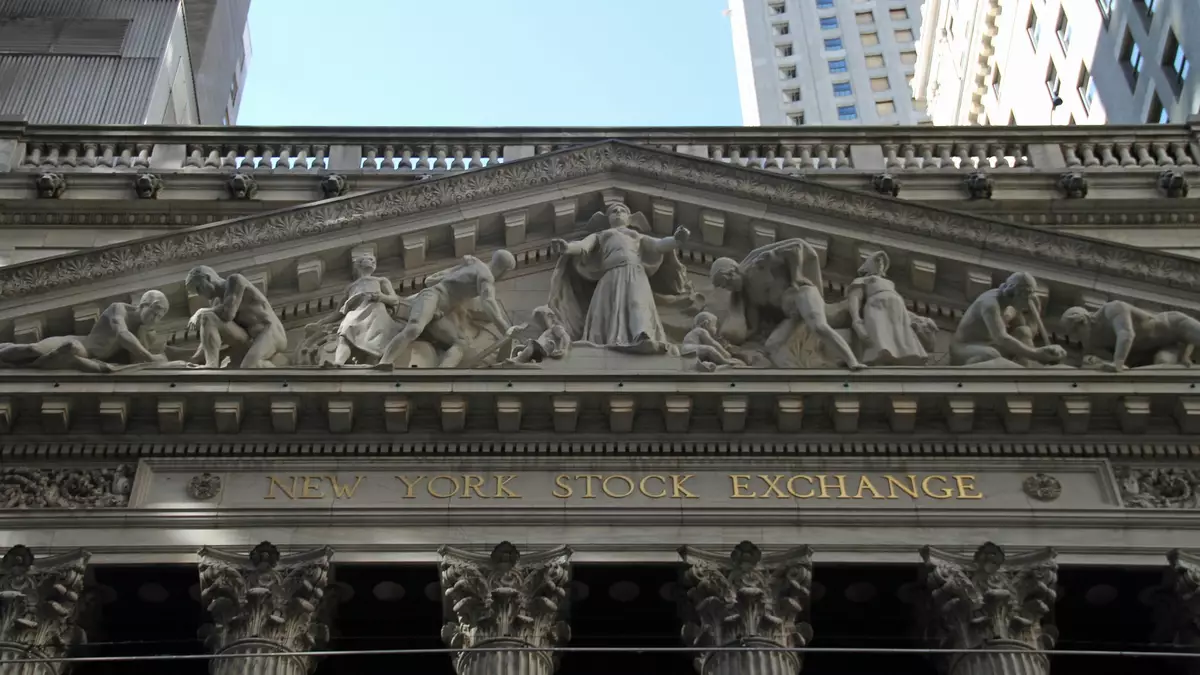
Bank of America stock trades in the United States on a major exchange, giving investors access to liquidity and transparent pricing during regular US market hours. The stock's performance over time reflects the interplay of company-specific factors, sector trends, and broader macroeconomic conditions. Price movements can be influenced by quarterly earnings reports, changes in interest-rate expectations, regulatory developments, and shifts in investor sentiment toward financial stocks.
Market participants often monitor Bank of America's valuation relative to metrics such as tangible book value per share and earnings per share. A stock trading at a premium to book value may signal investor confidence in the bank's earnings power and risk profile, while a discount could indicate concerns about future profitability or asset quality. Trading activity, including daily volume and order-book depth, helps determine how quickly investors can enter or exit positions in the stock.
Bank of America key facts
- Company: Bank of America Corp.
- ISIN: US0605051046
- CUSIP: 060505104
- Ticker: BAC
- Exchange: New York Stock Exchange (NYSE)
- Sector / Industry: Financials / Banks
- Index membership: S&P 500
- Next earnings date: not yet officially scheduled
Disclaimer regarding our articles: No investment advice, no buy or sell recommendation. Information on prices, companies, and markets is provided without guarantee; changes are possible at any time. Stock market transactions can lead to substantial losses. Our articles are created and reviewed in whole or in part automatically with the support of AI.