BASF stock holds steady as the chemicals giant navigates a complex global cycle
Veröffentlicht: 16.07.2026 um 00:13 Uhr, Redaktion AD HOC NEWS, Redaktionelle Verantwortung: Rafael Müller (Chefredaktion)
BASF stock, linked to one of the world’s largest chemical producers (ISIN DE000BASF111), represents a broad exposure to global industrial and consumer demand across multiple sectors. Investors use the shares to gauge broader trends in manufacturing, construction, automotive production and agriculture, because BASF’s portfolio reaches into each of these areas. The company’s long history and scale make its equity a benchmark for the European chemicals industry and a reference point for global materials suppliers.
Global chemicals bellwether
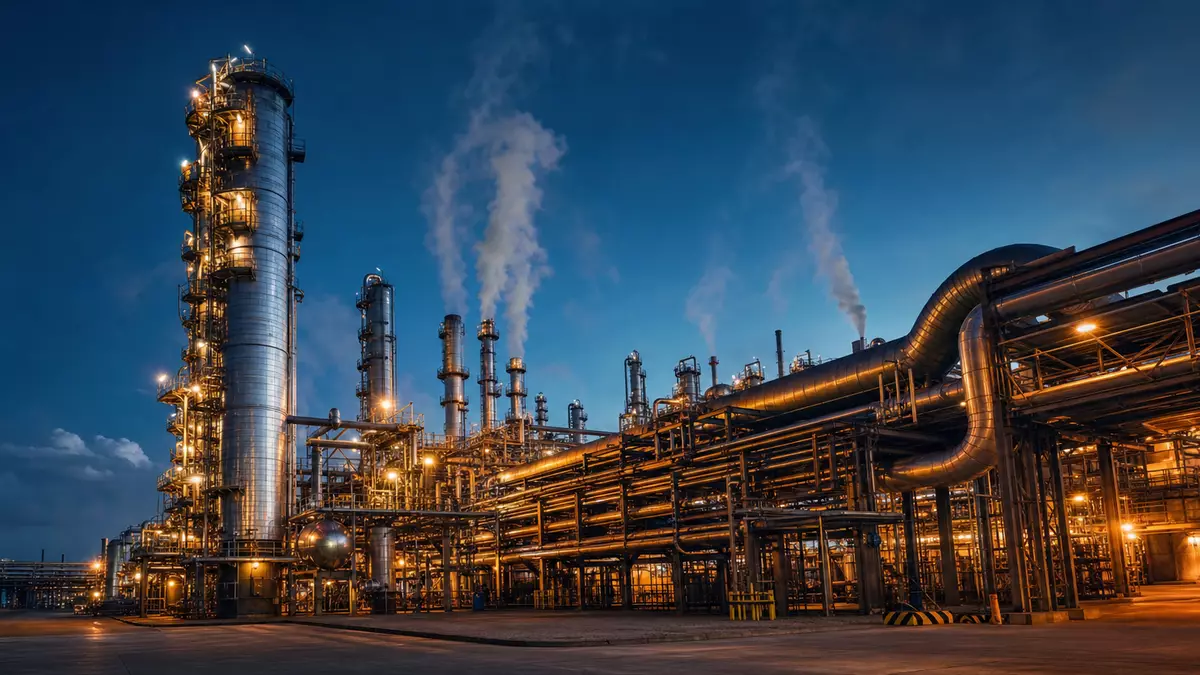
BASF operates a diversified chemicals business with integrated production sites, often called Verbund sites, that connect different plants through shared infrastructure and feedstocks. This structure aims to reduce energy use, cut logistics costs and make production more flexible, which in turn can support margins when demand conditions shift. The company’s output ranges from basic petrochemicals and intermediates to more specialized materials and solutions tailored for specific industries.
Because BASF supplies inputs to sectors such as automotive, construction, agriculture and consumer goods, movements in BASF stock often mirror changes in expectations for these end markets. When car manufacturers invest in new platforms or when construction activity accelerates, demand for coatings, plastics, additives and other materials can rise. Conversely, weaker industrial activity or consumer spending can weigh on order volumes, and investors tend to incorporate these signals into their view of the stock.
European roots, global reach
The company traces its roots to Germany and still has a major presence there, including key production sites and corporate functions, but it now operates globally with manufacturing and research facilities across Europe, Asia and the Americas. This geographic reach allows BASF to serve customers close to their own plants and projects, which can reduce transport costs and speed up delivery times. It also broadens the revenue base, making the group less dependent on any single region’s economic cycle.
BASF’s European footprint means that energy prices, regulatory frameworks and industrial policy on the continent can have a particular influence on the business. Changes in electricity and gas costs can feed directly into production economics, especially for energy-intensive units such as basic chemicals and ammonia. Environmental regulation and carbon pricing also matter, because they shape investment decisions, modernization projects and the long-term cost base.
US relevance for BASF stock
Although BASF is a European-based company, its products and operations interact with the United States in several ways that matter for US investors watching BASF stock. The group supplies materials and chemicals to customers that operate plants in North America, including automotive manufacturers, construction-related companies and producers of consumer goods. Demand trends in the United States, therefore, influence BASF’s global volumes and revenue mix, even if the primary listing of the shares is in Europe rather than on a US exchange.
In addition, BASF’s performance often features in coverage that compares major global chemical and materials suppliers with US-listed peers. Analysts and portfolio managers look at metrics such as revenue growth, margin stability, capital spending plans and exposure to cyclical industries in both regions. For an investor building a global chemicals allocation from the United States, BASF stock can sit alongside US-listed materials companies as part of a diversified basket, providing exposure to European regulation, energy dynamics and customer bases.
Balance between basic and specialty chemicals
One of the defining features of BASF’s business model is the balance between basic chemicals and more specialized products. The company produces core building-block materials that other firms further process into finished goods, but it also supplies solutions engineered for specific applications, such as advanced coatings, performance polymers or crop protection products. This mix can help smooth earnings across cycles, because specialized offerings may track long-term trends even when demand for basic commodities fluctuates.
From an investment perspective, the blend of businesses matters because it influences margin potential and capital intensity. Basic chemicals often require large-scale plants and steady access to raw materials, with margins shaped by commodity price cycles and capacity utilization rates. Specialized products may carry higher margins and depend more on research, formulation expertise and customer relationships. BASF’s strategy typically aims to keep both pieces strong, using the integrated structure to supply intermediates for downstream units and capture value along the chain.
Transformation and sustainability themes
BASF’s long-term strategy includes extensive work on improving energy efficiency, reducing emissions and adapting its portfolio to sustainability trends. This transformation involves investing in new technologies for lower-carbon production, redesigning processes and sometimes shifting product mixes toward offerings that help customers meet their own climate and resource targets. For BASF stock, these themes introduce both cost and opportunity: investment spending can be significant, but the potential for differentiated solutions can support demand and pricing over time.
Many global customers, including firms operating in the United States, Europe and Asia, increasingly evaluate suppliers based on lifecycle impacts, regulatory compliance and the ability to support their environmental goals. By embedding sustainability considerations into product development and manufacturing, BASF can position itself as a partner for such customers, which in turn can influence long-term contracts, preferred-supplier status and collaborative innovation projects. Investors often monitor how well these efforts translate into measurable financial outcomes, such as margin resilience, revenue from new portfolios and lower operational risks.
Cyclical patterns in BASF stock
Chemicals as an industry tend to be cyclical, reflecting broad swings in industrial production, consumer demand and capital expenditure. BASF stock, therefore, often exhibits patterns tied to economic confidence: in periods of expansion, expectations for volume growth and pricing can improve, while downturns bring questions about utilization rates, inventory management and cost control. Because BASF’s portfolio is broad, these cycles can play out differently across segments, with strength in one area offsetting weakness in another.
Investors who follow BASF usually pay attention to indicators such as manufacturing indices, automotive production data, construction permits, agricultural planting progress and energy prices. These signals help frame potential demand for BASF’s key products, from engineering plastics and coatings to fertilizers and crop protection. Viewed alongside broader equity indexes, BASF stock sometimes serves as a proxy for industrial health in Europe and, by extension, for parts of the global economy that depend on European manufacturing.
Margin management and cost discipline
For a company of BASF’s size, margin management and cost discipline are central themes. The group must manage raw-material costs, energy expenses, logistics, labor and maintenance across a large network of plants and support functions. The integrated Verbund approach can help by allowing side streams from one production unit to serve as feedstock for another, reducing waste and cutting transport needs. However, maintaining such systems requires careful planning and ongoing investment.
Investors often assess the company’s ability to adapt when input costs rise, whether through efficiency gains, portfolio adjustments or pricing actions. In phases of higher energy or raw-material prices, BASF’s performance depends partly on whether the company can pass some of these costs along the value chain or offset them with improvements in operations. In periods of relatively stable or lower input costs, the same efficiency measures can support margin expansion if selling prices hold steady and volumes grow.
Capital allocation priorities
BASF’s capital allocation reflects the need to invest in plants, research and portfolio development while maintaining financial flexibility. Expenditure on new production capacity, modernization projects and sustainability-related upgrades can be substantial, particularly in industries such as chemicals where equipment and infrastructure are complex. At the same time, the company seeks to manage debt levels and maintain a profile that supports long-term access to capital markets.
For shareholders, the balance between investment, balance-sheet strength and distributions is a key consideration. Chemical producers frequently commit to shareholder returns over time through mechanisms such as dividends, which can make their stocks attractive to investors seeking income alongside cyclical exposure. These policies must be weighed against future spending needs and the potential for new opportunities, especially as markets evolve and regulatory requirements shift.
Research, innovation and customer collaboration
Innovation is a central element of BASF’s positioning. The company invests in research and development to create new materials, improve existing products and develop solutions tailored for customer challenges. This work often occurs in dedicated research centers and laboratories, as well as in collaboration with customers, academic institutions and technical partners. The aim is to generate offerings that perform reliably, meet regulatory demands and support improved resource efficiency.
Successful innovation can reinforce customer relationships and open paths into new applications. For example, development of materials that help reduce vehicle weight while preserving safety standards can support automotive customers seeking better fuel efficiency or extended range for electric vehicles. In agricultural markets, new crop protection formulations or biological solutions can help farmers manage pests while complying with environmental regulations. Over time, these contributions can influence how investors value BASF stock relative to peers focused more narrowly on commodity output.
Digitalization and operational efficiency
Like many large industrial groups, BASF increasingly uses digital tools to manage operations, support planning and interact with customers. Data analytics can help optimize plant performance, predict maintenance needs and adjust production plans in response to demand signals. Digital platforms may also give customers better visibility into order status, product specifications and documentation, which can improve coordination and reduce friction in supply chains.
For investors, digitalization efforts feed into the broader efficiency and competitiveness story. Effective use of data and automation can support margins by cutting downtime, reducing waste and improving safety. Digital tools can also enable new business models, such as more customized supply arrangements or service layers attached to products. In an industry where incremental improvements across large volumes matter, these initiatives can gradually shift the cost base and enhance the resilience of BASF’s operations.
Regional diversification and risk management
BASF’s global footprint provides diversification across regions, which can help offset localized disruptions. If demand weakens in one area due to economic or political developments, orders from other regions may continue to support aggregate volumes. At the same time, operating in many countries exposes the company to a varied set of regulations, currencies and logistical challenges. Managing these factors effectively is an important part of risk control.
Currency movements can influence reported results, especially when earnings from operations outside the euro area translate into the company’s reporting currency. While such effects may be temporary or cyclical, they contribute to the overall volatility profile of BASF stock. Investors often consider how regional diversity and currency exposure fit within their portfolios, particularly when they hold positions in both European and US-listed companies.
Sector comparison and structural role
Within the broader chemicals and materials sector, BASF is often seen as a structural player due to its scale, integrated production and multi-segment portfolio. This position makes the company a natural point of comparison for other diversified groups and for more specialized firms that focus on narrower product sets. Because BASF spans from basic chemicals to advanced solutions, it can offer a perspective on the full value chain, including demand for intermediates and final applications.
For US investors, comparing BASF stock with US-listed materials and chemicals companies can highlight differences in regional regulation, energy prices, customer mix and capital allocation. European policy frameworks and market structures may shape strategic choices differently than in the United States, even when products and technologies are similar. This contrast can be useful for building diversified exposures or for assessing where particular risks and opportunities lie.
Representative product example: crop protection solutions
One representative area of BASF’s portfolio is its crop protection and agricultural solutions business, where the company develops and supplies products designed to help farmers protect crops and manage resources efficiently. These solutions can include herbicides, fungicides, insecticides and biological products, as well as digital tools that assist in planning and application. The goal is to support reliable yields while aligning with evolving regulatory frameworks and environmental expectations.
In practice, such solutions address challenges like disease pressure, weed management and pest control, which can threaten crop quality and volumes if left unmanaged. BASF works on formulations that provide effective protection while aiming to minimize unintended impacts on ecosystems. Over time, agricultural offerings have to adapt to shifting regulation, new scientific findings and changing climate conditions, which keeps innovation in this space active. For investors, exposure to agricultural markets through BASF’s portfolio adds another dimension to the stock beyond industrial and construction demand.
BASF stock and trading venue context
BASF shares are primarily listed in Europe, where they trade on a major exchange in the euro currency. The listing connects the stock to European equity indexes and investor bases, including institutional and retail investors who track regional benchmarks. The shares can also be accessed by international investors through cross-border trading arrangements, and they may be referenced in derivative products or funds that follow European materials and industrial companies.
Because the primary listing is not in the United States, BASF stock’s day-to-day trading patterns follow European market hours rather than US trading times. However, global investors often look at the company’s performance alongside US sessions, incorporating developments from both regions into their assessments. This interplay means that macroeconomic releases, sector news and currency moves across continents can feed into sentiment around the stock.
Company overview and key identifiers
BASF operates as a major player in the global chemicals sector, with a legal structure reflecting its corporate organization under German law. The company manages a broad portfolio of segments and business units that cover chemicals, materials, industrial solutions, surface technologies, nutrition and care, and agricultural solutions, alongside other activities. These segments give investors insight into where revenues and earnings originate and how different parts of the business respond to market conditions.
The company’s international securities identification number for the shares is ISIN DE000BASF111, which uniquely identifies the equity for trading, settlement and reporting. Market participants use this ISIN in back-office systems, custodial arrangements and documentation to ensure accurate handling of the security. In addition, the stock trades under a ticker symbol associated with its European exchange listing, enabling quick reference on trading screens and in market commentary.
Investor information and reporting
For more detailed information on financial performance, strategy, governance and sustainability initiatives, BASF publishes regular reports and updates through its investor communications channels. These materials typically include annual and quarterly reports, presentations, and information about major projects and strategic priorities. Investors use these documents to review trends in revenue, earnings, cash flow, capital expenditure and other key metrics, as well as to understand management’s view of the operating environment.
The company maintains a dedicated investor relations presence as part of its broader corporate communications, offering contact points and resources for analysts and shareholders. Alongside formal reports, BASF may share insights into topics such as portfolio management, innovation pipelines, environmental targets and materiality assessments. These communications help frame the narrative around BASF stock and give market participants data for their own models and valuation work.
Long-term themes for BASF stock
Over the long term, several themes tend to shape how investors view BASF stock. One is the evolution of global demand for chemicals and materials, including growth in emerging markets, shifts in industrial production patterns and changes in consumer behavior. Another is the regulatory environment, especially concerning emissions, resource use and product safety, which can influence costs, innovation priorities and portfolio composition. A third is technological progression in areas such as process design, digitalization and advanced materials.
How BASF navigates these themes can affect its competitive position and financial profile. By investing in energy-efficient plants, lower-emission processes and high-performance products, the company aims to maintain relevance and capture opportunities as markets change. At the same time, it must manage cyclical risks and short-term volatility. For investors, the combination of structural trends and cyclical elements forms the backdrop for assessing whether and how BASF stock fits into broader strategies involving industrials, materials and sustainability-linked companies.
Representative product and BASF’s broader portfolio
The agricultural solutions example illustrates only one slice of BASF’s broader offering. Across its different segments, the company provides materials and solutions that appear in everyday products and infrastructure, ranging from performance polymers and additives in vehicles and electronics to coatings on buildings and appliances. Many of these materials support durability, efficiency and aesthetics, and they must meet technical specifications and regulatory standards in diverse markets.
As global trends evolve, such as electrification of transport, increased digitalization or changing patterns in urbanization, the requirements placed on materials and chemicals can shift. BASF’s multi-segment approach allows it to allocate resources and innovation efforts to areas where it sees strong potential for growth or where it believes its capabilities can deliver particular advantages. This flexibility is part of the appeal for investors who seek exposure to both established and emerging applications in the materials space through a single, large-cap stock.
Disclaimer zu unseren Artikeln: Keine Anlageberatung, keine Kauf oder Verkaufsempfehlung. Angaben zu Kursen, Unternehmen und Märkten ohne Gewähr; Änderungen jederzeit möglich. Börsengeschäfte können zu hohen Verlusten führen. Unsere Beiträge werden ganz oder teilweise automatisiert mit Unterstützung von AI erstellt und geprüft.