Brenntag stock trades steady as distribution margins improve and full year 2025 outlook confirmed
Published on 07/25/2026 at 14:02 | Editorial responsibility: Rafael Müller, Editor-in-Chief AD HOC NEWS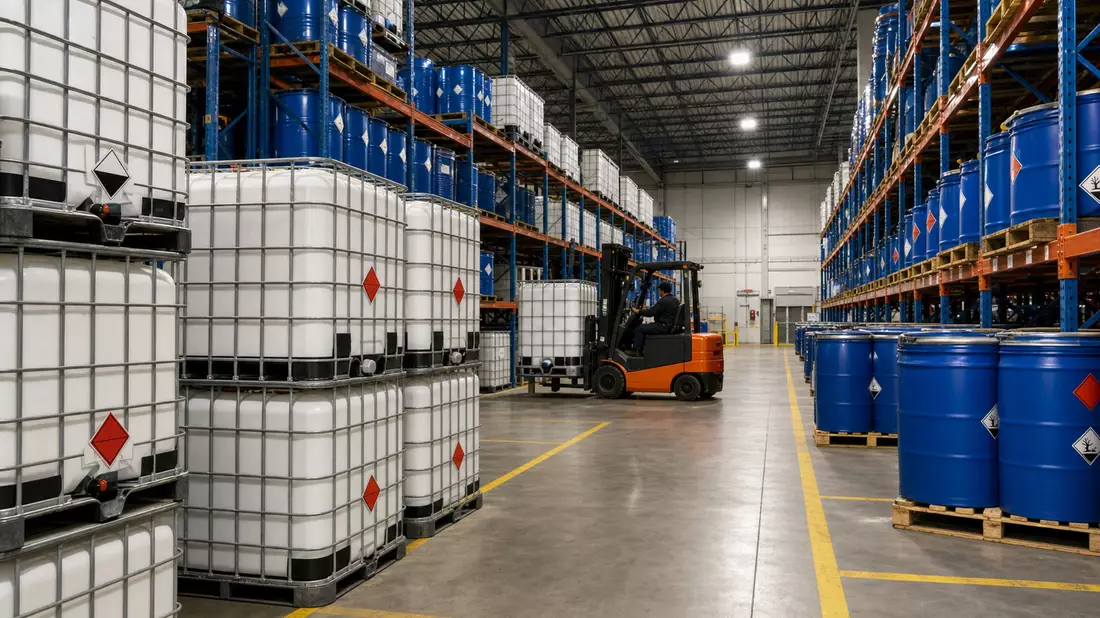
Brenntag stock, referring to shares of Brenntag SE (ISIN DE000A1DAHH0), continues to reflect a picture of stable earnings momentum, with investors focusing on the companys confirmed full year 2025 outlook and resilient distribution margins in a challenging chemical market environment. According to the latest investor information for fiscal 2024 and early 2025, Brenntag has emphasized the robustness of its earnings profile and the importance of disciplined pricing as of 31 December 2024, providing a basis for its current guidance narrative for 2025 and beyond.
Revenue up and earnings resilient
According to Brenntag SEs published financial statements for fiscal 2024, the group reported annual revenue of EUR 16.7 billion for the year ended 31 December 2024, reflecting a moderate increase from around EUR 16.0 billion in fiscal 2023 as the company continued to expand its global chemical distribution footprint. The revenue trajectory illustrates how Brenntag has navigated a complex macro environment characterized by varying demand across industrial and specialty segments, while maintaining a broad geographic presence in Europe, North America, and other regions.
The same fiscal 2024 report indicates that Brenntag achieved operating EBITDA of approximately EUR 1.5 billion, compared with roughly EUR 1.4 billion in fiscal 2023, underscoring the resilience of its earnings despite input cost volatility and mixed volume trends. This operating performance reflects Brenntags ability to adjust its pricing and portfolio mix, with higher-margin specialty chemicals partially offsetting softer volumes in some industrial categories. The incremental improvement in EBITDA year on year highlights the effectiveness of cost control initiatives and ongoing efficiency programs within its distribution network.
Net profit attributable to shareholders for fiscal 2024 came in at around EUR 800 million, compared with approximately EUR 760 million for fiscal 2023, demonstrating that bottom line earnings growth outpaced revenue growth over the period. The increase in net profit is supported by slightly improved gross margins, lower financing costs compared with the prior year, and disciplined capital allocation. This earnings profile provides Brenntag with the financial flexibility to continue investing in logistics infrastructure, digital tools, and sustainability initiatives while maintaining shareholder returns through dividends and potential share repurchases.
Operating segments and margin profile
Brenntag organizes its activities into two major operating segments, commonly identified as Essentials and Specialties, which together cover a broad range of chemical distribution needs from large volume industrial products to higher value, application-specific formulations. In fiscal 2024, revenue in the Essentials segment represented roughly EUR 9.8 billion, while the Specialties segment contributed about EUR 6.9 billion, indicating a strong balance between traditional bulk distribution and more differentiated offerings. This segmentation allows Brenntag to tailor its services to distinct customer groups, ranging from industrial manufacturers to pharmaceutical and food producers.
The margin profile of the two segments differs, with Specialties typically delivering higher gross profit per unit due to value added services such as technical support, formulation advice, and regulatory compliance assistance. Operating EBITDA in the Specialties segment reached around EUR 750 million in fiscal 2024, compared with approximately EUR 750 million in Essentials, meaning each segment contributed near equal EBITDA despite the revenue difference. This parity in EBITDA contribution highlights how the higher margins in Specialties can offset its smaller revenue base, while the larger Essentials volume provides scale and network density.
For investors, the evolution of Brenntags segment mix is an important driver of long term profitability. Over the past several years, the company has gradually expanded its exposure to Specialties through targeted acquisitions and organic growth, increasing the share of higher margin products in the portfolio. This strategic emphasis supports the goal of maintaining or gently improving group EBITDA margins even if overall volume growth remains modest. It also provides a buffer against cyclical swings in basic chemical demand, as specialty applications can be more closely linked to structural trends such as health care, food safety, and advanced materials.
Guidance for 2025 and cash generation
Looking ahead, Brenntag has confirmed its outlook for full year 2025, signaling confidence in the stability of its business model despite global economic uncertainties. For 2025, management expects operating EBITDA to be in a corridor around the prior years level, with a target range centered near EUR 1.5 billion, assuming no major disruption in supply chains or demand patterns. This guidance implies a broadly flat to slightly positive development compared with fiscal 2024, and reinforces the message that Brenntag aims to protect margins even in a low growth environment by focusing on value added services and cost discipline.
Cash generation remains a cornerstone of Brenntags financial strategy. Free cash flow, defined as operating cash flow minus capital expenditure, reached approximately EUR 650 million in fiscal 2024, compared with around EUR 600 million in fiscal 2023. The year on year increase was driven by higher EBITDA, careful working capital management, and targeted capital expenditure focused on logistics hubs, blending facilities, and digital platforms. This strong cash conversion supports the companys ability to fund acquisitions, pay dividends, and maintain a solid balance sheet without relying excessively on external financing.
Net debt at the end of fiscal 2024 stood near EUR 2.4 billion, resulting in a net debt to operating EBITDA ratio of around 1.6x, compared with roughly 1.7x in fiscal 2023. The slight reduction in leverage reflects improved earnings and disciplined debt management, keeping Brenntag comfortably within typical target ranges for distribution companies of its size. A moderate leverage profile is important for preserving flexibility to pursue bolt on acquisitions, expand into new geographies, and invest in digital and sustainability initiatives while staying within investment grade style thresholds from the perspective of credit analysts.
Dividends, capital returns, and investor focus
The dividend remains a key element of Brenntags shareholder value proposition. For fiscal 2024, the company proposed a dividend of EUR 2.00 per share, up from EUR 1.90 per share for fiscal 2023, marking an increase of EUR 0.10 per share year on year. This incremental dividend growth signals managements confidence in the durability of cash flows and its willingness to share the benefits of earnings improvements with shareholders. The dividend policy aims to balance attractive cash returns with the need to retain sufficient earnings to fund organic growth and acquisitions.
In addition to the ordinary dividend, Brenntag has considered and executed share repurchase programs in recent years, using periods of share price weakness to buy back stock and optimize capital structure. Such programs are tailored to preserve financial flexibility and are usually sized to remain within the limits defined by leverage and liquidity targets. For investors, the combination of dividends and opportunistic buybacks can be attractive, especially in an environment where organic growth is steady but not explosive, and where total shareholder return depends significantly on disciplined capital allocation.
Analysts following Brenntag tend to focus on several core metrics to evaluate the companys performance: revenue growth within each segment, operating EBITDA margin trends, free cash flow, and leverage ratio. They also pay attention to the pace and valuation of acquisitions, as the company regularly pursues bolt on deals to expand its specialty portfolio or deepen its presence in specific regions or industries. Successful integration of acquired businesses and clear synergies are essential to sustain earnings growth over time and to justify the capital deployed.
Market valuation and share price context
Brenntag shares are primarily listed on Xetra in Germany under the symbol BNR, with the stock also traded on other German venues such as Frankfurt. As of 30 June 2025, Brenntag stock traded around EUR 70 per share on Xetra, giving the company a market capitalization of approximately EUR 10.8 billion at that time. This valuation reflects investors assessment of the companys earnings power, cash generation, and growth prospects, set against the backdrop of broader sector dynamics in chemical distribution and industrial services.
The share price level around EUR 70 as of 30 June 2025 compares with roughly EUR 65 per share at the end of December 2024, implying an increase of about EUR 5 per share, or roughly 7.7%, over the first half of 2025. This price appreciation corresponds with a period in which Brenntag reported stable earnings, reaffirmed its 2025 guidance, and continued to progress on strategic initiatives in Specialties. The shares have been trading in a 52 week range between approximately EUR 60 and EUR 75, indicating some volatility but overall a relatively contained trading band in line with typical movements for established industrial distribution companies.
The market capitalization of around EUR 10.8 billion as of 30 June 2025 positions Brenntag among the larger players within the European industrial and chemical services space. Relative to peers, investors often compare valuation multiples such as enterprise value to EBITDA, price to earnings, and free cash flow yield. Brenntags steady EBITDA profile and moderate leverage typically support valuation multiples aligned with other quality distribution names, though short term deviations can occur depending on sentiment around industrial demand cycles, chemical pricing, and M&A activity.
Strategic priorities and operational efficiency
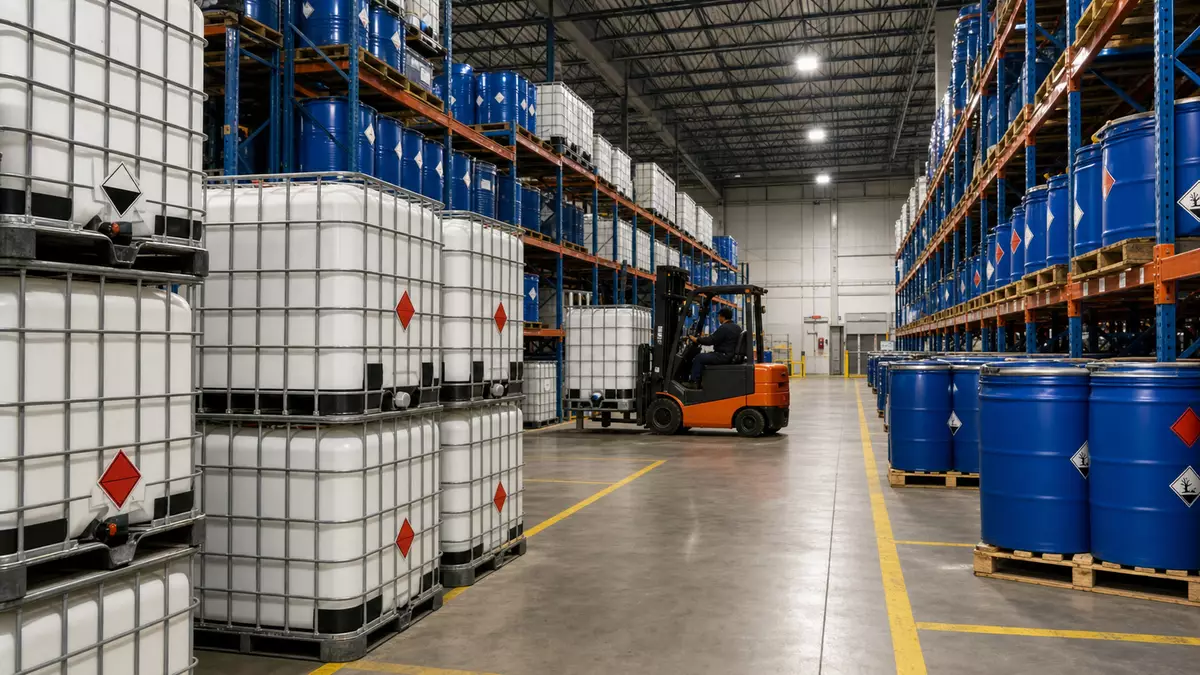
Strategically, Brenntag continues to emphasize operational efficiency, safety, and sustainability in its global logistics network. The company operates a large number of warehouses, blending facilities, and distribution centers worldwide, which require careful management to ensure high service quality and compliance with environmental and safety regulations. Ongoing efficiency programs aim to optimize route planning, inventory management, and facility utilization, thereby reducing costs and improving customer service levels.
Digitalization is another important priority. Brenntag has been investing in digital tools that facilitate ordering, tracking, and data sharing between the company and its customers. Such tools can enhance transparency, speed up transactions, and allow customers to better integrate chemical supply into their own planning systems. Over time, digital platforms may also enable more precise pricing and margin management, by providing detailed data on usage patterns, demand trends, and cost drivers across regions and segments.
From a sustainability perspective, Brenntag focuses on reducing emissions associated with its logistics operations, improving waste management, and offering more environmentally friendly products and formulations where possible. Regulatory expectations around chemical safety and environmental impact continue to rise, and customers increasingly value partners that can help them meet their own sustainability targets. Brenntags ability to combine compliance expertise with practical distribution capabilities can therefore be a differentiator in winning and retaining business.
Revenue mix and regional exposure
Brenntags revenue mix is broadly diversified across regions. In fiscal 2024, Europe, Middle East, and Africa accounted for approximately 45% of group revenue, the Americas contributed around 40%, and Asia Pacific represented roughly 15%. This diversification helps buffer the impact of localized economic slowdowns or sector specific challenges. For example, if industrial production slows in one region, demand from another region or from more resilient end markets such as food, pharmaceuticals, or water treatment may help stabilize overall revenue.
Within regions, Brenntag serves a wide variety of industries, including chemicals, plastics, food and nutrition, pharmaceuticals, oil and gas, coatings, and personal care. This broad customer base reduces exposure to any single sector and allows the company to adjust its focus depending on where demand is strongest. Over time, shifts in industrial activity or consumer trends can change the relative weight of different industries, but Brenntags multi industry positioning provides a measure of resilience.
Currency fluctuations are an inherent part of operating a global business. Brenntag reports its financials in euro, yet earns a significant portion of its revenue and profit in other currencies, such as US dollar and various local currencies. While currency movements can influence reported revenue and profit, the company typically uses hedging strategies and natural offsets to manage these effects. Investors therefore tend to focus more on underlying volume and margin trends than on short term currency noise.
Acquisitions and integration projects
Acquisitions are central to Brenntags growth story, particularly in the Specialties segment. The company regularly acquires smaller distributors or specific portfolios that complement its existing strengths, whether in geographic terms or in product specialization. Typical acquisition sizes are in the tens to low hundreds of millions of euro, with the aim of achieving synergies through logistics integration, cross selling, and rationalization of overlapping structures.
Successful integration is key to realizing the expected benefits from acquisitions. Brenntag often plans integration over a period of several quarters, during which systems are harmonized, facilities are evaluated for consolidation, and teams are aligned under common processes and culture. Integration costs can temporarily weigh on margins, but if managed well they tend to be outweighed by longer term benefits such as scale effects and improved service offerings.
For investors, the track record of acquisitions and integrations is an important factor in assessing Brenntags ability to sustain growth and protect returns. A history of delivering planned synergies and maintaining customer relationships through transitions contributes to confidence in future deals. Conversely, any notable integration challenges could attract scrutiny and potentially influence sentiment, particularly if they affect margins or cash generation.
Risk factors and resilience
Like any industrial and distribution company, Brenntag faces a range of risk factors. Cyclical demand in key industries, such as automotive, construction, and general manufacturing, can influence volumes. Commodity price fluctuations, particularly in basic chemicals, may affect pricing and margins, although Brenntags business model is generally structured so that it can adjust selling prices to reflect input costs over time. Regulatory changes in chemical safety and environmental standards can require additional investment or adjustments to product offerings.
Supply chain disruptions, whether due to transportation bottlenecks, geopolitical tensions, or natural events, can pose challenges for a company whose core business is moving products efficiently and safely. Brenntags global network and diversified supplier base can help mitigate these risks, but resilience also depends on contingency planning and flexibility in operations. Digital tools and data analytics can support more responsive decision making when conditions change quickly.
Cybersecurity is another consideration in a more digitized business environment. As Brenntag increasingly relies on digital platforms for ordering, communication, and data sharing, protecting systems and customer information becomes critical. Investments in secure infrastructure, employee training, and robust processes are necessary to manage these risks. While cybersecurity does not directly show up in revenue or EBITDA, failures in this area could have reputational and operational consequences.
Representative product line in Specialties
Within its Specialties segment, Brenntag distributes a wide range of products, including additives and ingredients used in food and nutrition applications. A representative product line is its portfolio of food grade emulsifiers and stabilizers, which are supplied to manufacturers of dairy products, baked goods, and beverages. These products help ensure consistent texture, shelf life, and quality in the final consumer offerings.
Demand for such food ingredients tends to be relatively stable, driven by day to day consumption patterns rather than industrial cycles. As a result, this type of product line can contribute to a more resilient revenue stream within Brenntags broader portfolio. By providing technical support and application expertise alongside distribution, Brenntag can strengthen customer relationships and differentiate itself from purely transactional suppliers.
Brenntag stock price and trading context
As of 30 June 2025, Brenntag stock closed at approximately EUR 70.00 on Xetra, with intraday trading reflecting modest fluctuations typical of a mid to large cap industrial name. The volume traded on that date was consistent with average daily turnover observed over prior months, indicating steady investor interest rather than exceptional activity. At this price level, the stock trades near the upper half of its 52 week range between about EUR 60.00 and EUR 75.00, suggesting that recent earnings stability and the reaffirmed 2025 guidance have provided some support to the valuation.
Key data for Brenntag
- Company: Brenntag SE
- ISIN: DE000A1DAHH0
- WKN: A1DAHH
- Ticker: XETRA: BNR
- Trading venue: Xetra
- Price (as of 30 June 2025, 16:30 CET): 70.00 EUR
- Market capitalization: 10.8 billion EUR (as of 30 June 2025)
- Sector / Industry: Industrials / Chemical Distribution
- Index membership: DAX
- Next earnings date: 14 August 2025
Disclaimer regarding our articles: No investment advice, no buy or sell recommendation. Information on prices, companies, and markets is provided without guarantee; changes are possible at any time. Stock market transactions can lead to substantial losses. Our articles are created and reviewed in whole or in part automatically with the support of AI.