
Bruce Springsteen 2026: Tours, Setlists, Wild Fan Theories
Veröffentlicht am: 11.02.2026 um 18:27 Uhr | Redaktionelle Verantwortung: Rafael Müller, Chefredakteur AD HOC NEWS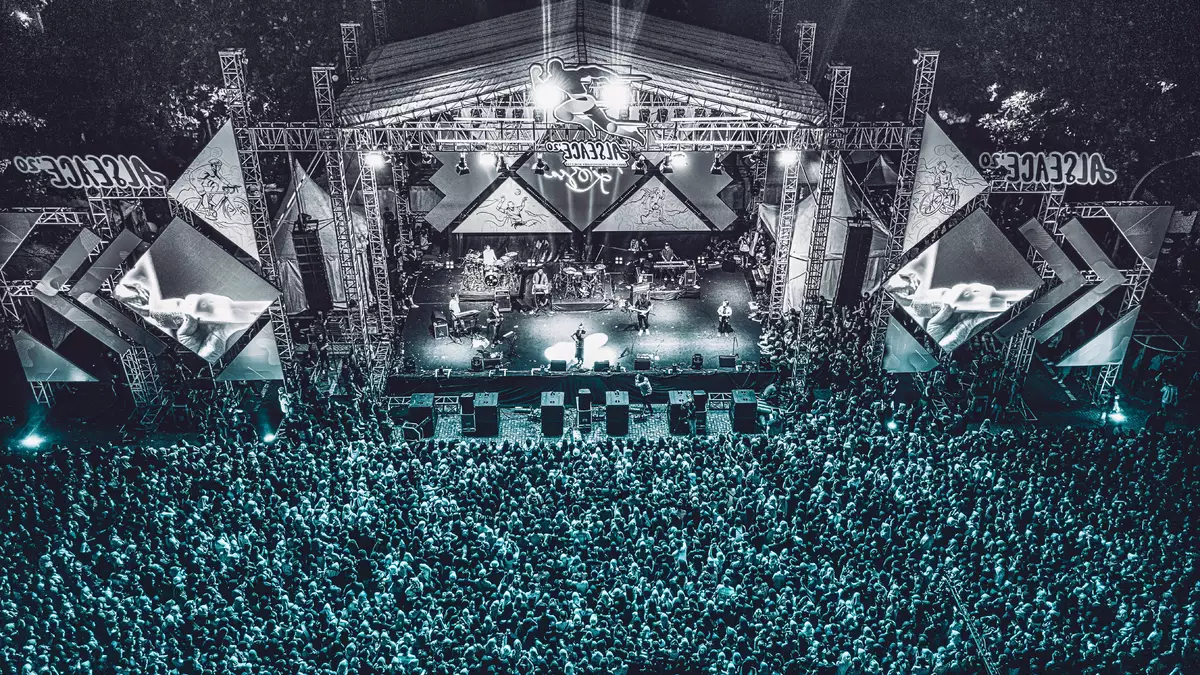
If you're even casually plugged into rock Twitter or TikTok right now, you've probably noticed it: Bruce Springsteen is back at the center of the conversation. Between fresh tour buzz, fans obsessively tracking setlists, and nonstop speculation about what he'll do next, it feels like the Boss era just refuses to slow down.
Check the latest official Bruce Springsteen tour dates here
You've got fans in their teens discovering him through TikTok edits, millennials screaming along to "Born to Run" like it's therapy, and long-time diehards refreshing that tour page like it's a full-time job. So what's really going on with Bruce Springsteen in 2026, and what should you expect if you're chasing tickets or planning a road trip to see him?
Let's break down the news, the music, the rumors, and the facts.
The Backstory: Breaking News in Detail
The big story around Bruce Springsteen in 2026 isn't just that he's touring again. It's that, after health-related postponements and reshuffled dates in recent years, fans are finally seeing some stability and momentum around his live plans. Official updates coming from his camp have focused on rescheduled shows, fresh dates in key cities, and a clear signal: Springsteen is not done playing marathon sets any time soon.
In recent interviews with major music outlets, he's hinted that the road still feels like home. Paraphrasing one of his more widely shared comments, he basically said that as long as he can stand up, sing in tune, and make people feel something, he's not walking away. That kind of line hits hard when you remember that this is an artist with over 50 years of touring history, still talking about pushing himself to deliver three-hour shows.
Behind the scenes, there's another layer: logistics and fan expectations. The last cycle of tours sparked big conversations about pricing, dynamic ticketing, and what it means to pay "stadium money" for a veteran rock act. This time around, the messaging has been more careful. While dynamic pricing hasn't disappeared from the industry, there's been a louder emphasis from promoters and fan communities on transparency. Hardcore fans on Reddit and X are trading tips on how to find face-value seats, which dates have the best chances for cheaper tickets, and which venues historically come with the best sound and sightlines.
On the creative side, the recent tours have leaned into a career-spanning narrative. Springsteen has treated the shows almost like a living documentary: early bar-band fire, 80s stadium dominance, introspective later work, and those recent soul and covers projects all being folded into one long story. That vibe is carrying into 2026, where the buzz is that he's doubling down on a "life in songs" concept for the setlists rather than a strict album cycle promotion.
For fans, the implications are big:
- If you're new, you'll get a crash course in his entire catalog in one night.
- If you're a lifer, you know every set can trigger a deep cut you haven't heard live in a decade.
- If you've been burned by high prices before, you're watching closely to see if the 2026 shows feel more accessible and fan-friendly.
Add in the fact that he's now playing to a generation raised on streaming, not radio, and you get a weird but electric mix: parents bringing kids, twenty-somethings who discovered "Thunder Road" in an A24 movie, and boomers who saw him in 1978 all crammed into the same arena. That shared, cross-generational anticipation is a big reason why any Springsteen update still moves like crazy across Google Discover, socials, and fan sites.
The Setlist & Show: What to Expect
If you've never seen Bruce Springsteen and the E Street Band, here's the headline: these are not normal concerts. They're long, emotional, chaotic in the best way, and structured like a movie with multiple climaxes.
Based on recent tours and festivals, here's the kind of song flow you can expect in 2026:
- Openers with a mission: He's been kicking off many shows with high-energy hits like "No Surrender," "Lonesome Day," or "Ghosts." These tracks do two things: they let the band lock in immediately, and they tell the crowd, "We're not easing in tonight."
- Core classics you're almost guaranteed: Fans would riot if they didn't hear certain songs. So yeah, you can pretty much expect "Born to Run," "Dancing in the Dark," "Thunder Road," and "Badlands" to show up in most sets. These are the singalongs where even the security guards know the words.
- Story songs and emotional gut punches: Depending on the night, he'll weave in tracks like "The River," "Racing in the Street," "Backstreets," or "Wrecking Ball." These sections feel almost theatrical: the tempo drops, the stage lights go deep blue or amber, and he slips into long spoken intros about memory, loss, and growing up.
- Recent material: You'll likely hear songs from his more recent albums — think "Letter to You," "Ghosts," or cuts from his soul covers project — slotted in alongside the old stuff. The surprising thing is how well they sit next to songs from the 70s and 80s. The themes are still work, faith, friendship, and survival.
- Rarities and wildcards: Fans follow the setlists night by night, obsessing when he pulls out rarer songs like "Incident on 57th Street," "New York City Serenade," "Atlantic City," or even something obscure from deep in the catalog. These are the moments where fan forums explode: "He played THAT in Philly? Are you kidding me?"
- Encore chaos: The encore run is pure celebration. Think "Born in the U.S.A.," "Glory Days," "Tenth Avenue Freeze-Out," "Rosalita (Come Out Tonight)," and often a cover or two — everything from old soul standards to rock 'n' roll staples.
The atmosphere is its own thing. You're not just standing around waiting for one viral hit. People around you know entire verses, shout lines at the exact same time, and react to the first chord of a deep cut like their team just scored in the final minute. It's sweaty, emotional, and weirdly communal. Total strangers will high-five you during "Born to Run." Someone's dad will start crying when he hits the bridge of "Thunder Road." You might, too.
Compared to newer pop or hip-hop shows with heavy backing tracks and choreo, Springsteen's set is old-school live performance: the band is actually playing everything, extending outros, speeding up or slowing down on the fly, taking cues straight from Bruce's hand signals and eye contact. It feels dangerous in a way a lot of modern big-ticket tours don't.
One more thing to know: he's still famous for length. When other artists are clocking out at 95 minutes, he's out here doing two and a half to three hours, sometimes more. So if you're going, hydrate, wear comfortable shoes, and don't schedule anything early the next morning.
What the web is saying:
Rumor Mill: What Fans Are Speculating
Springsteen fandom has always been intense, but 2026 social media takes it to another level. On Reddit, X, and TikTok, there are basically three main rumor threads running right now.
1. The "Farewell (But Not Really)" Theory
Because of his age and the fact that several rock legends have done farewell tours recently, some fans are convinced every new run of dates might be his last "big" world tour with the full E Street Band. Threads on r/BruceSpringsteen and r/Music are full of fans debating whether this is the final time he'll hit stadiums at full throttle, and whether the future is more likely to be shorter residencies, storytelling shows, or one-off festival sets.
Springsteen himself hasn't slapped the word "farewell" on anything, which is important. But fans are reading between the lines: the setlists that lean hard on legacy, the storytelling tone of certain speeches, and the sense that these shows are designed as "this is my whole life in songs" experiences. Even if it's not officially the end, a lot of people are treating 2026 like a "if you've ever wanted to see him, just go" moment.
2. New Music vs. Vault Music
Another huge rumor lane: are we getting a new album, a vault collection, or both? On TikTok, there are clips theorizing about unexplored archives from the "Darkness on the Edge of Town," "Nebraska," and "Born in the U.S.A." eras. Fans are pointing to past box sets and speculating that there's still a ton we haven't heard — full-band versions of songs that ended up solo, unreleased E Street anthems, or alternate takes with completely different lyrics.
More recently, some users have been stitching interview clips where he talks about constantly writing and "always working on something." That's triggered theories about a late-career studio album that leans into aging, mortality, and legacy even harder than "Letter to You" did. Until something official drops, expect fan detectives to keep pulling quotes from podcasts and magazine pieces to build a case.
3. Ticket Price Drama & Workarounds
Fans are still loud about ticket prices. Subreddits are full of screenshots showing wild resale numbers, and people comparing what they paid for shows in smaller cities versus major markets like New York, London, or Los Angeles. You see posts like, "How did I pay less for a floor ticket in Dublin than my friend did for nosebleeds in the States?"
Alongside the outrage, though, there's a lot of practical advice: Discord servers sharing presale codes, threads listing venues where prices dipped closer to showtime, and fans coordinating to swap extra tickets at face value. There's also a mini-trend of people choosing to travel to a different country or city where the combination of airfare plus a cheaper ticket still beats buying a single overpriced seat at home. It's wild, but very 2026 behavior.
4. Viral Clip Culture Around a 70+ Icon
On TikTok, one of the biggest trends around Springsteen is younger fans reacting to long, emotional performances like "Jungleland" or "Backstreets" for the first time. You'll see zoomer creators posting "I finally get why my dad wouldn't shut up about this guy" videos, with 30-second clips of Bruce screaming into the void on a sax solo break.
There's also a mini-meme culture built around his stage stamina. Edits compare his three-hour sets to 75-minute pop shows from people half his age, with captions like, "Try telling this man he's supposed to retire." That kind of viral energy keeps him visible to people who never grew up hearing him on the radio.
Key Dates & Facts at a Glance
Here's a snapshot-style cheat sheet to keep handy as you obsess over plans:
| Type | What | Location / Detail | Why It Matters |
|---|---|---|---|
| Tour Info | Official 2026 Dates | Listed on the official site | Always your most accurate, up-to-date reference for cities, venues, and schedule changes. |
| Classic Album | "Born to Run" (1975) | Breakthrough studio album | Source of signature songs like "Thunder Road" and "Born to Run" that still anchor modern setlists. |
| Classic Album | "Darkness on the Edge of Town" (1978) | Fourth studio album | A fan favorite for deep cuts like "Racing in the Street" and "Badlands." |
| Classic Album | "The River" (1980) | Double album | Where emotional epics like "The River" and party tracks like "Hungry Heart" collide. |
| Classic Album | "Born in the U.S.A." (1984) | Massive commercial peak | Seven hit singles, and a ton of songs that still blow up the encore. |
| Recent Era | "Letter to You" | 21st-century E Street album | Modern songs like "Ghosts" and "Letter to You" now sit comfortably in the live setlist. |
| Typical Show Length | 2.5–3+ hours | Full-band performance | You're not just getting a quick greatest-hits reel; this is an endurance test in the best way. |
| Band | E Street Band | Core live unit | One of the most legendary backing bands in rock, with years of onstage chemistry. |
| Audience | Multi-generational | Teens to 70+ | The crowd itself is part of the show — loud, emotional, and deeply invested. |
FAQ: Everything You Need to Know About Bruce Springsteen
Who is Bruce Springsteen, in simple terms?
Bruce Springsteen is a New Jersey-born singer, songwriter, guitarist, and bandleader who became one of the defining rock artists of the last 50 years. If you strip it down, he writes about working-class lives, big dreams, heartbreak, and survival. He's backed by the E Street Band, a crew of long-time collaborators who transform his songs into massive, emotional live experiences.
He's not just "that guy who made "Born in the U.S.A."" — though that song is huge. He's also the writer of quiet, devastating records like "Nebraska," storytelling epics like "The River," and intimate modern work like "Letter to You." His catalog runs from bar-band rock and soul to folk, Americana, and full-on stadium anthems.
What makes a Bruce Springsteen concert different from other big tours?
Three main things: length, emotion, and spontaneity.
- Length: While a lot of big pop or rock tours hit around 90–110 minutes, Springsteen regularly plays 150–180 minutes. That means dozens of songs, multiple mood shifts, and real storytelling arcs.
- Emotion: He doesn't just sing the hits and leave. He tells stories about his childhood, his parents, his friends who didn't make it, and his own battles with depression and doubt. When he plays something like "The River" or "My Hometown," you can feel the air in the room change.
- Spontaneity: While there's structure to every show, he's still known to switch songs out, reshuffle orders, or throw in unexpected covers. Old-school fans remember him taking signs from the crowd and calling audibles; that spirit is still there even in a more production-heavy era.
Where can I check the latest official tour dates and updates?
Always start with the official website, not random ticket resellers. That's where new shows get announced first, where rescheduled dates are confirmed, and where you'll find direct links to official ticket partners. Fan sites, forums, and social media are great for analysis and tips, but the official page is your base camp for hard info.
Once you know your city or region is on the list, you can then branch out to presale codes, fan club access, and verified resale options — but everything starts with the official tour listing.
When is the best time to buy tickets if I don't want to go broke?
There's no perfect answer, but fan behavior from recent tours points to a few patterns:
- Presales: Fan club and cardholder presales can be great if you get in early. But they can also be where the highest "dynamic" prices show up. Don't panic-buy the first price you see if it feels absurd.
- General on-sale: Sometimes more standard-priced tickets appear here, especially for upper levels and side seats.
- Closer to showtime: In some cities, prices on resale platforms dip in the last few days once sellers panic about unsold seats. This is risky if you're traveling, but fans have scored deals this way.
- Different city strategy: It's not a myth: certain markets are just cheaper. Smaller cities, or places slightly off the main tourist path, can have more reasonable prices and still deliver amazing shows.
Basically: know your budget, watch prices over a few days if you can, and don't feel pressured to buy the first insane number that pops up.
Why do people get so emotional about his songs?
Springsteen writes about ordinary lives with an intensity that makes them feel epic. He doesn't romanticize everything — his songs are full of layoffs, broken families, bad decisions, and people stuck in place. But he always leaves a tiny door open for hope, escape, connection, or at least understanding.
Tracks like "Thunder Road," "The River," "Atlantic City," or "Jungleland" hit listeners at different stages of life: when you're trying to get out of your hometown, when you're dealing with a breakup, when you're taking care of your parents, when you're watching friends drift away. It's very normal to find a song that meant one thing at 18 suddenly mean something completely different at 35.
What should I listen to before seeing him live if I'm new?
If you're just starting and you have limited time, try this short prep list:
- "Born to Run" (album) – For the classic, cinematic 70s Springsteen.
- "Darkness on the Edge of Town" (album) – For grit and intensity.
- "Born in the U.S.A." (album) – For huge 80s hooks and the songs you'll absolutely hear live.
- "The River" (a selection: title track, "Hungry Heart," "Independence Day") – For his balance of fun and heartbreak.
- "Nebraska" (album) – For the stripped-down, haunting storytelling side.
- "Letter to You" (album) – For recent material that regularly appears in modern setlists.
Even a run-through of the biggest tracks — "Thunder Road," "Born to Run," "Badlands," "Dancing in the Dark," "The River," "Glory Days," "Atlantic City" — will make the live show land so much harder.
Why is Bruce Springsteen still such a big deal in 2026?
A mix of stamina, honesty, and timing. He's one of the few major rock artists from the 70s and 80s who can still credibly deliver long, fully live, emotionally heavy shows without turning them into nostalgia cosplay. Younger listeners raised on playlists and algorithms are discovering him as a "story" artist whose catalog feels like a series you can binge.
On top of that, the themes in his music — inequality, work, identity, small-town frustration, family drama — haven't gone away. If anything, they've gotten sharper in a world dealing with economic anxiety, burnout, and a constant sense of instability. His older songs feel weirdly current, and his newer songs address aging and legacy in a way that hits people watching their own parents get older.
Put all of that together with the raw spectacle of a three-hour show, and you get why every new tour announcement still blows up feeds and search trends decades into his career.
Get the professional edge. Since 2005, 'trading-notes' has provided reliable trading recommendations. Sign up for free now


