
Bruce Springsteen live legend keeps rewriting his story
Published on 06/14/2026 at 14:01 | Editorial responsibility: Rafael Müller, Editor-in-Chief AD HOC NEWS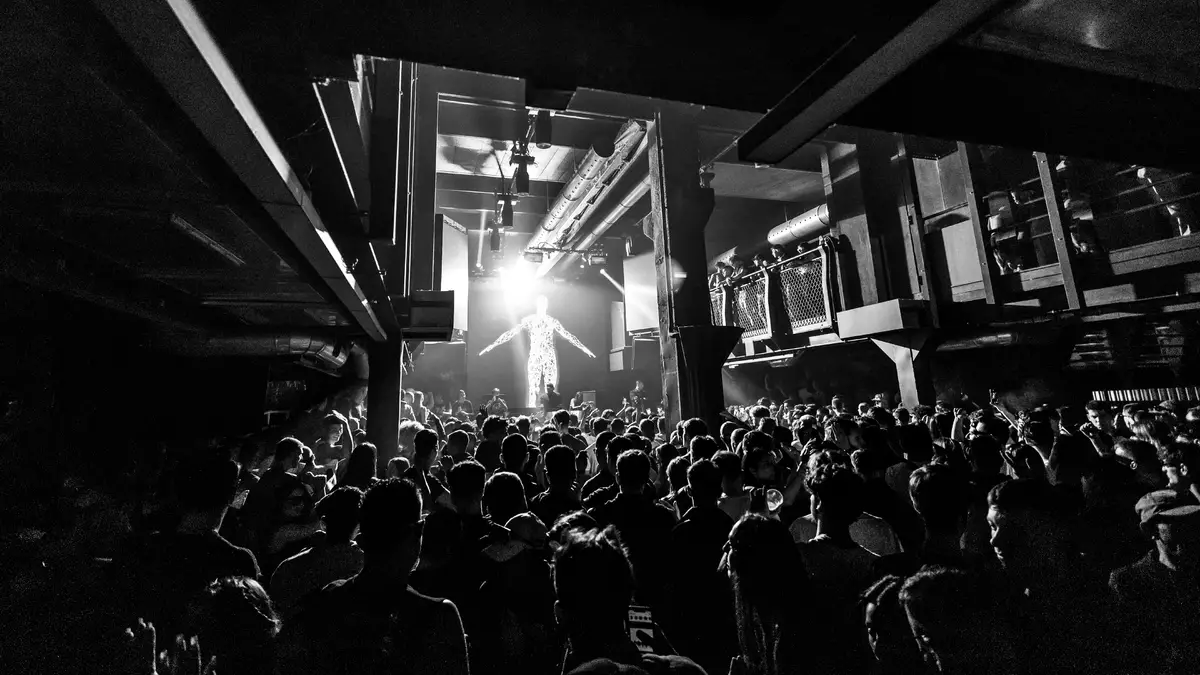
The lights go up, the E Street Band locks into a groove, and Bruce Springsteen is still the first one charging to the lip of the stage. Across six decades, the New Jersey rocker has turned American stories into arena-sized catharsis, building a catalog that keeps finding new generations even as his classic albums age into myth.
From New Jersey bars to stadium fervor
To understand why Bruce Springsteen still looms so large in US rock culture, it helps to go back to the clubs and boardwalk joints of the Jersey Shore. Long before he was filling football stadiums, Springsteen was grinding out marathon sets in venues like the Stone Pony in Asbury Park, stretching songs into extended jams and learning how to hold a room for hours at a time.
Those roots in the local bar-band circuit shaped everything that came later. Instead of chasing trends, he doubled down on muscular guitars, soulful keyboards, and a relentless work ethic. The E Street Band evolved alongside him, with players like Clarence Clemons on saxophone, Steven Van Zandt and later Nils Lofgren on guitar, Max Weinberg on drums, and Garry Tallent on bass combining into a unit that could snap from a whisper to a roar in a single bar.
Over time, the legend of those live shows spread well beyond New Jersey. By the mid 1970s, Springsteen was already gaining a reputation as a performer who treated every night as a last chance power drive, building three-hour-plus sets that blurred the line between rock concert and revival meeting. That ethos has remained intact through changing eras and shifting industry economics, turning his concerts into rites of passage for multiple generations of US rock fans.
Even today, when many legacy acts lean heavily on nostalgia without much reinvention, Springsteen continues to rework his sets, rotate deep cuts, and pair classic material with newer songs. For fans, that means there is always the sense that a particular night might reveal a surprise cover, an unexpected arrangement, or a story that has not been told quite that way before.
- Bar-band discipline on the Jersey Shore forged Springsteen's stagecraft.
- The E Street Band grew into one of rock's most cohesive live units.
- Three-hour concerts became a defining part of his myth.
- Rotating set lists keep shows fresh for repeat attendees.
Why Bruce Springsteen still matters in US rock
Bruce Springsteen is not just a legacy act coasting on nostalgia; he is a central figure in how US rock understands itself. His best work pinpoints the tension between personal dreams and systemic limitations, translating economic realities into stories that resonate far beyond the specific towns he sings about. That mix of romanticism and realism has helped his music maintain relevance as the nation itself has changed.
In the US, Springsteen often functions as a bridge between generations. Parents who grew up with Born to Run share it with their children, who then encounter newer albums like Wrecking Ball or Letter to You on streaming platforms. The result is a peculiar kind of cross-generational fandom: arena crowds where teenagers stand next to listeners who remember buying his early LPs on vinyl when they first came out.
His role within the broader rock ecosystem is equally distinctive. While many of his peers drifted toward retro shows or Vegas residencies, Springsteen has generally framed his ongoing work as an evolving conversation with the American past and present. Albums like The Rising responded to trauma and recovery, while Wrecking Ball addressed economic dislocation. Even on records that focus more on aging and mortality, such as Western Stars and Letter to You, he approaches those themes with a sense of communal reflection rather than purely personal confession.
That continuing engagement with the times helps explain why his back catalog remains so active on platforms like Spotify and Apple Music. Younger artists across country, indie rock, punk, and heartland rock still point to him as a songwriting model, and his name continues to surface in coverage across outlets like Rolling Stone, Billboard, and NPR Music whenever discussions turn to the enduring power of rock storytelling.
For US audiences, Springsteen's songs often double as unofficial road-trip soundtracks, political touchstones, and personal milestones. A song like Thunder Road marks the feeling of leaving town for the first time, while Dancing in the Dark taps that mix of frustration and hope that comes with trying to reinvent oneself. Those themes remain as recognizable today as they were when the records first dropped.
From Freehold beginnings to global stages
Springsteen's origin story starts in Freehold, New Jersey, where he grew up in a working-class family and began gravitating toward rock and roll as a way out and a way to make sense of his world. Inspired by early rock pioneers and 1960s bands, he picked up the guitar and spent years playing in various local groups before assembling the lineup that would eventually become the E Street Band.
His breakthrough moment arrived in the early to mid 1970s after signing to Columbia Records. Early studio albums built critical buzz with a blend of dense, image-heavy lyrics and expansive arrangements. As his songwriting sharpened and his band chemistry deepened, he began to craft records that felt like fully realized cinematic journeys rather than simple collections of individual tracks.
As his profile grew, so did the mythos around his shows. Critics, including those at major US outlets, started noting how Springsteen seemed determined to prove himself every night, whether he was playing a theater, an arena, or an outdoor festival. Long stretches on the road hardened both the band and the songs, burning arrangements into muscle memory while leaving room for improvisation.
The step from cult favorite to mainstream phenomenon came when the themes he had been refining found their most succinct and explosive expression on a handful of key albums. After that, there was no going back; he moved from theaters to arenas and eventually stadiums, with demand often outpacing supply whenever new tours were announced.
Yet even as the scale of his career expanded, Springsteen held on to the narrative core of his work. He continued to write about factory towns, family tensions, racing the night, and questioning the promises of the American Dream. That continuity between the early bar-band days and the later blockbuster years is one reason his discography feels cohesive despite stylistic shifts.
Along the way, he also honed his skills as a bandleader in the studio. Working with producers and engineers who understood the balance between raw energy and radio-ready clarity, he learned how to translate the sweat and volatility of his live sets into recordings that could hold up to repeated plays on turntables, CDs, and digital playlists.
Albums, songs, and the Springsteen sound
Over the course of his career, Bruce Springsteen has built one of rock's most studied discographies. Early records mixed verbose, Dylan-influenced storytelling with big-band arrangements that folded in piano, saxophone, and organ. As the 1970s progressed, that sound tightened into leaner, punchier anthems, while still leaving room for introspective ballads and narrative detours.
One of his most revered albums, Born to Run, distilled the sense of escape and romantic yearning that would come to define much of his work. The title track opens with a rush of drums and guitar that feels like a car already speeding down the highway, while songs like Jungleland wrap character sketches in sweeping orchestration. The record's blend of street-level detail and widescreen ambition helped cement its place in the canon of US rock.
He later pivoted toward starker, more stripped-down storytelling on Nebraska, recorded largely as demos that he eventually chose to release in that raw form. The songs on that album focus on drifters, criminals, and people pushed to the edges, delivered with just acoustic guitar and voice. That decision showed another side of his artistry, highlighting his narrative instincts without the full E Street Band behind him.
Another key record, Born in the U.S.A., became a cultural phenomenon, with multiple singles climbing the charts and videos in heavy rotation on music television. The title track, often misunderstood as a simple patriotic anthem, actually tells a harsher story about a Vietnam veteran and the difficulties of coming home. That tension between a triumphant sound and critical lyrics is one of Springsteen's signature moves.
In the new millennium, albums like The Rising and Magic saw him once again recalibrating his sound to speak to contemporary events and moods. The Rising drew on gospel-influenced choruses and layered instrumentation, while Magic paired radio-friendly hooks with lyrics that examined political and social unease. Later work such as Wrecking Ball blended rock with elements of folk and Americana, showcasing the flexibility of his musical vocabulary.
Recent projects have continued that pattern of reinvention and reflection. Western Stars explored orchestral country-pop textures reminiscent of vintage California soundtracks, featuring lush strings and narratives about aging, regret, and wandering. Letter to You, recorded live in the studio with the E Street Band, captured the urgency of musicians playing together in a room and meditating on memory, loss, and gratitude.
Across these shifts, several constants define the Springsteen sound. Guitars and piano intertwine rather than compete, saxophone lines act as emotional exclamation points, and rhythm guitars and steady drums create a backbone sturdy enough to support both whispered confessions and shout-along choruses. His vocals often toggle between a conversational drawl in the verses and a more forceful, open-throated delivery in the choruses.
Production-wise, his catalog shows an artist willing to adapt without chasing fads. The drum sounds and mixing choices track with different eras of rock history, but the core values remain: clarity for the lyrics, space for the band to breathe, and arrangements that build toward cathartic peaks. That combination has given many of his records a staying power that outlives any particular trend.
Influence, honors, and fan devotion
Bruce Springsteen's cultural impact stretches far beyond sales figures and chart peaks. Critics routinely place albums like Born to Run, Darkness on the Edge of Town, and Born in the U.S.A. high on lists of the greatest rock records, and his work appears frequently in retrospective rankings from publications such as Rolling Stone and other major music magazines. Those lists help codify his standing for new listeners who might first encounter him through streaming algorithms or social media clips.
His influence can be heard in the songwriting of artists across genres, from heartland rockers and country storytellers to indie bands that borrow his mix of narrative detail and widescreen arrangement. Acts inspired by him often talk about discovering not just a musical template but an ethical one, centered on working hard, respecting audiences, and treating concerts as communal experiences rather than one-way performances.
Institutional recognition has followed. Springsteen has been honored by major award bodies and cultural institutions that use his catalog as a touchstone when discussing American songcraft. He has received trophies and honors that mark his transition from rebellious rocker to establishment figure, even as his songs continue to ask uneasy questions about power, inequality, and identity.
Beyond the formal accolades, the lived culture around his concerts tells its own story. Fans trade recordings, compare set lists, and travel significant distances to string together multiple shows on a single tour. Some build vacations around runs of gigs in specific cities, turning show days into gatherings where long-standing friendships are renewed and new ones are formed.
Springsteen's decision to embrace storytelling formats outside traditional studio albums has also contributed to his legacy. Spoken-word performances, memoir work, and more intimate stage productions have allowed him to reframe familiar songs in new contexts, emphasizing the narratives and emotional arcs that have always been at the heart of his music. These projects underline his role not only as a hitmaker but as a chronicler of everyday lives.
As of 14.06.2026, the ongoing presence of his songs on playlists, radio formats, and in film and television underscores how deeply they are woven into the fabric of US culture. Tracks like Born to Run, Badlands, Thunder Road, and Dancing in the Dark continue to surface in soundtracks, commercials, and live cover versions, keeping his work visible even to those who may never have bought a physical record.
Key questions about Bruce Springsteen
What makes Bruce Springsteen's concerts so renowned?
Springsteen's concerts are famous for their length, intensity, and sense of community. He and the E Street Band often play for several hours, blending hits, deep cuts, and covers while maintaining high energy. Storytelling between songs adds emotional context, turning shows into shared narratives rather than just run-throughs of familiar material.
Which Bruce Springsteen albums are essential starting points?
For new listeners, key records include Born to Run for its romantic, widescreen rock, Darkness on the Edge of Town for its darker, more focused songwriting, Born in the U.S.A. for its chart-shaping anthems, and The Rising for a later-career statement that many fans and critics consider a modern classic. Each album highlights different aspects of his sound and themes while remaining accessible.
How has Bruce Springsteen stayed relevant across generations?
Springsteen has remained relevant by continually writing about the pressing concerns of his time, adapting his sound without losing his core identity, and maintaining a close relationship with his audience through powerful live performances. Younger artists cite him as an influence, streaming keeps his catalog in circulation, and his thematic focus on work, love, loss, and resilience speaks to listeners navigating new eras of change.
Bruce Springsteen across platforms and playlists
For many fans, engaging with Bruce Springsteen now means toggling between vinyl reissues, classic CDs, and curated playlists on major streaming platforms while following social-media clips from recent performances and archival footage. Those multiple access points make it easier than ever for new listeners to explore the depth of his catalog while long-time followers revisit favorite eras.
Bruce Springsteen – moods, reactions, and trends across social media:
Further reading on Bruce Springsteen
More coverage of Bruce Springsteen at AD HOC NEWS and elsewhere:
Read more about Bruce Springsteen on the web -> Search all Bruce Springsteen coverage at AD HOC NEWS ->


