Caterpillar stock holds steady as equipment demand supports the long-term outlook
Veröffentlicht: 16.07.2026 um 00:56 Uhr, Redaktion AD HOC NEWS, Redaktionelle Verantwortung: Rafael Müller (Chefredaktion)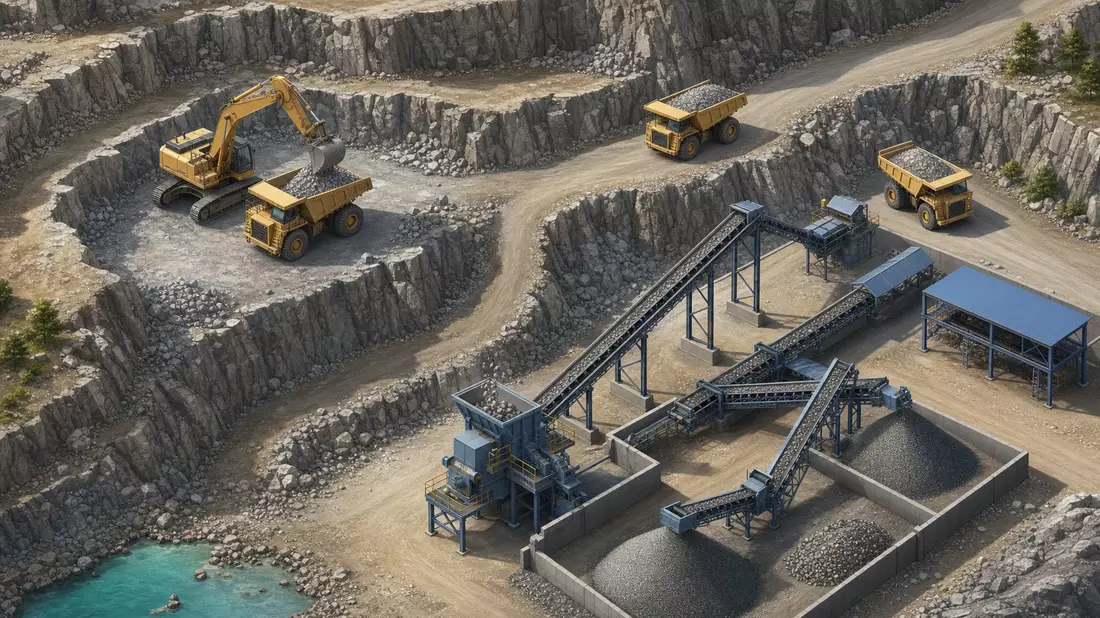
Caterpillar stock represents one of the largest industrial equipment manufacturers in the world, with Caterpillar Inc. (ISIN US1491231015) widely known for its yellow machines in construction, mining, and energy projects across developed and emerging markets. The company is listed in the United States and is commonly associated with major equity benchmarks such as the S&P 500, making it a reference name for investors following the industrials sector. For many US retail investors, Caterpillar shares are a proxy for global infrastructure spending and commodity-related investment.
Global industrial footprint and cyclical exposure
Caterpillar Inc. operates a broad portfolio of businesses focused on heavy machinery, engines, and related services that support customers in construction, mining, oil and gas, and power generation. Across these segments, the company supplies equipment used in residential building, commercial real estate, road construction, and large public infrastructure projects supported by government and private investment. This wide footprint makes Caterpillar sensitive to cycles in economic growth, industrial production, and commodity prices, but it also provides diversification across end markets.
The company typically generates revenue from the sale of new equipment, aftermarket parts, and service, which helps smooth out earnings across periods of weaker new-build demand. When construction and mining customers delay new equipment purchases, service and replacement parts can still provide recurring income. For investors, this balance between cyclical new equipment demand and more stable aftermarket revenue is a key part of the Caterpillar investment case and influences how Caterpillar stock trades over time.
Infrastructure demand and long-term projects
In recent years, there has been a global emphasis on infrastructure investment, including transportation, energy, and digital connectivity projects, which tends to support demand for Caterpillar machinery. Large-scale road, bridge, and rail upgrades, alongside new housing and commercial developments, require earthmoving equipment, loaders, excavators, and other heavy machinery that Caterpillar supplies. This creates a long pipeline of potential orders, sometimes stretching across many years, and gives investors a lens into the company’s long-term revenue prospects.
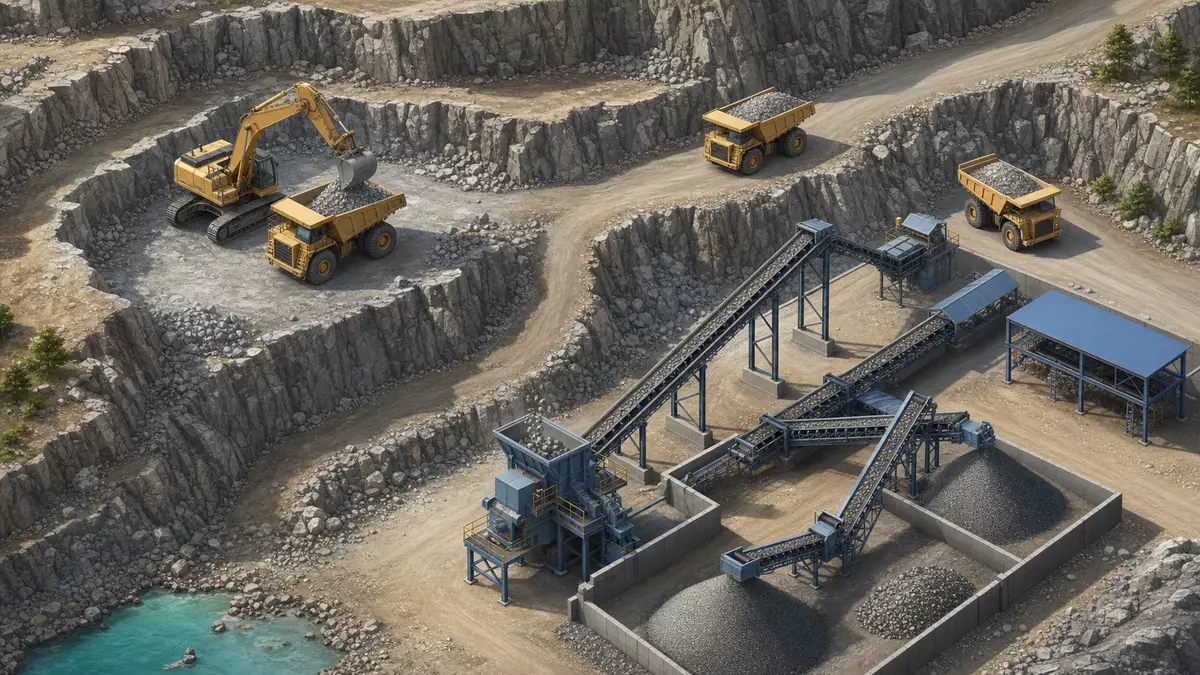
Mining activity is another important driver, as commodity producers use large trucks, loaders, and drilling equipment to extract minerals and metals used in construction, manufacturing, and technology. When commodity prices are strong, mining companies often increase capital spending to expand or maintain production capacity, which can translate into higher demand for Caterpillar machines. Conversely, downturns in commodity markets can lead to deferred equipment purchases and slower order intake, a pattern long observed by investors tracking Caterpillar stock in relation to global commodity cycles.
Energy and power systems exposure
Beyond construction and mining, Caterpillar is active in energy-related equipment and power systems, including engines and generators used in oil and gas operations, power plants, and backup power solutions for critical facilities. The company’s engines are commonly used in industrial applications and remote sites where grid power is limited. This energy exposure connects Caterpillar’s performance to investment cycles in oil, gas, and other energy sources, areas that can be volatile but also benefit from long-term infrastructure commitments.
The balance between traditional energy and newer forms of power generation is an increasingly important theme for industrial companies. Caterpillar’s equipment can be deployed in a range of energy projects, from conventional drilling to auxiliary power in renewable energy installations. For investors, this breadth offers both opportunity and complexity: Caterpillar participates in energy transitions while still serving established fossil-fuel infrastructure, and the mix of projects can influence margins and growth rates.
Aftermarket services and customer relationships
A core part of Caterpillar’s business model is the extensive network of dealers and service providers that support customers throughout the life of the equipment. Heavy machinery typically operates for many years, requiring maintenance, spare parts, and occasional refurbishment. Caterpillar’s dealer model aims to keep machines running efficiently, reducing downtime for customers and reinforcing loyalty to the brand.
For Caterpillar, strong service relationships help support recurring revenue and can lead to future equipment sales when customers decide to upgrade or expand fleets. Investors often pay attention to the health of the aftermarket business because it tends to be more resilient than new equipment orders in downturns. An efficient service network can also provide feedback on customer needs, helping Caterpillar refine product designs, enhance performance, and address emerging regulatory or environmental requirements.
Financing and equipment replacement cycles
Heavy equipment purchases are capital-intensive, and many customers rely on financing solutions to manage cash flows and investment timing. Caterpillar has historically supported financing through dedicated units and partnerships, helping customers obtain machines while spreading payment obligations over time. These financing arrangements can influence the pace of equipment replacement cycles, as favorable terms may encourage customers to upgrade fleets sooner, while tighter conditions may result in deferred purchases.
From an investor’s perspective, equipment replacement cycles matter because they shape multi-year demand patterns. When large cohorts of machines reach the end of their useful life, replacement demand can rise even in the absence of new construction or mining expansions. Conversely, periods of extended asset life and heavy maintenance can slow unit sales. Understanding these cycles helps investors interpret Caterpillar’s order trends and anticipate potential shifts in revenue and earnings, contributing an important layer of analysis when evaluating Caterpillar stock.
Digitalization and connected equipment
Like many industrial companies, Caterpillar is increasingly integrating digital technologies into its equipment and services. Sensors, connectivity, and data analytics can provide real-time information on machine performance, fuel use, operating conditions, and maintenance needs. This digitalization allows customers to monitor fleets more efficiently, optimize usage, and plan maintenance proactively, potentially reducing downtime and improving total cost of ownership.
For Caterpillar, connected equipment can support new service offerings, such as remote diagnostics or predictive maintenance programs, which may generate incremental revenue and deepen customer relationships. Data from connected fleets can also inform future product development, highlighting which components experience the most stress or where design adjustments could enhance reliability. Investors focused on long-term competitiveness view these digital initiatives as part of Caterpillar’s strategy to maintain its position in a more technology-driven industrial landscape.
Environmental and regulatory considerations
Heavy machinery and engines are subject to environmental and emissions regulations, which can affect product design, cost structures, and customer preferences. Over time, tighter emissions standards have driven the development of cleaner engine technologies and more efficient equipment. Caterpillar’s product portfolio reflects these regulatory trends, with engines and machines designed to meet relevant standards in each market.
Compliance with environmental rules can increase research and development and manufacturing costs, but it also can open opportunities, as customers seek newer, more efficient equipment to meet regulatory requirements. Investors watching Caterpillar stock often consider how environmental trends might influence demand for legacy equipment versus newer models, as well as the potential impact of climate-related policies on construction and energy investment patterns.
Competitive landscape and sector positioning
Caterpillar competes with other global equipment manufacturers across its key segments, including construction machinery, mining equipment, and engines. The competitive landscape involves both large multinational companies and regional players that serve specific markets or product niches. Brand reputation, product reliability, dealer support, and financing options all play roles in winning and retaining customers.
Within the broader industrials sector tracked by market participants, Caterpillar’s scale and history make it a well-known name, and its performance can be compared with other diversified industrial manufacturers and capital goods producers. While each company has its own business mix, investors sometimes consider relative valuation metrics, such as price-to-earnings or price-to-book ratios, to assess how Caterpillar stock trades compared with industrial peers, recognizing that differences in margins, cyclicality, and geographic exposure all influence those comparisons.
Operational efficiency and margin focus
Industrial companies like Caterpillar devote significant attention to operational efficiency, including manufacturing processes, supply chain management, and cost control. Improvements in production efficiency can help expand operating margins, especially during periods of solid demand. Conversely, supply chain disruptions, higher input costs, or production bottlenecks can pressure profitability even when sales volumes are strong.
For investors, the margin story often matters as much as top-line growth. Caterpillar’s ability to manage operating costs, adjust pricing, and balance product mix can influence earnings, free cash flow, and ultimately the stock’s performance. The company’s diverse portfolio means margins may vary across segments, and the overall margin profile can shift as demand patterns change between construction, mining, and energy-related equipment.
Capital allocation and shareholder returns
Caterpillar’s capital allocation decisions, including investment in new equipment designs, capacity expansions, acquisitions, and returns to shareholders, are important considerations for long-term investors. Industrial companies commonly reinvest a portion of cash flows into research and development, manufacturing capabilities, and service networks to sustain competitiveness. Remaining cash may be used to reduce debt or returned to investors through dividends and share repurchases, subject to board and management priorities.
While specific payout ratios or buyback levels can vary over time, Caterpillar’s role as a mature industrial company means that capital allocation is a key part of the discussion around Caterpillar stock. Investors often weigh the potential for future growth against the stability of income streams, acknowledging that industrial cycles can affect both capital needs and the timing of shareholder distributions.
Macroeconomic sensitivity and investor sentiment
Because Caterpillar’s equipment is closely tied to construction, mining, and energy activity, the company’s fortunes often move alongside broader macroeconomic indicators, such as GDP growth, industrial output, and commodity prices. Periods of stronger economic growth and higher commodity prices tend to support demand for heavy equipment, while recessions or industrial slowdowns can lead to cautious spending by customers. Investor sentiment toward industrials and cyclical stocks can therefore have a noticeable impact on Caterpillar’s share price.
At times, Caterpillar stock may be seen as a barometer for expectations around infrastructure spending and commodity demand. When markets anticipate robust investment in physical assets and resource extraction, valuation multiples can expand, and investors may favor industrial names. In more defensive market phases, capital may shift toward less cyclical sectors, and Caterpillar’s shares may reflect that change in preference. Understanding this macro sensitivity helps investors integrate Caterpillar into diversified portfolios and adjust exposure based on their view of the economic cycle.
Long-term structural drivers
Beyond short-term cycles, Caterpillar’s business is influenced by long-term structural drivers such as population growth, urbanization, and the need to modernize aging infrastructure. Growing urban populations require housing, transportation, water systems, and energy networks, all of which involve significant construction activity. Similarly, many regions face a backlog of infrastructure maintenance and upgrades, ranging from roads and bridges to ports and power grids.
These structural needs suggest ongoing demand for heavy equipment that can build and maintain physical assets, even if investment levels fluctuate from year to year. For long-term investors, these themes provide a context in which Caterpillar’s business can be viewed not only as cyclical but also as anchored in fundamental requirements for economic development and modernization. The interplay between short-term economic swings and these longer-term needs influences how Caterpillar stock is valued and how investors think about holding periods.
Caterpillar machinery as a flagship product example
One representative category within Caterpillar’s portfolio is its large construction and earthmoving machinery, which includes equipment such as wheel loaders, excavators, bulldozers, and dump trucks. These machines are widely recognized by their distinctive yellow color and are deployed on construction sites around the world. They perform tasks such as digging foundations, moving soil and rock, grading surfaces, and transporting materials, making them basic tools for building roads, housing developments, commercial facilities, and industrial plants.
Such machinery is designed for durability and performance under demanding conditions, often operating for long hours and over many years. Customers consider reliability, fuel efficiency, operator comfort, safety features, and ease of maintenance when choosing equipment. Caterpillar’s product lines target these needs by offering a range of sizes and configurations to match different project requirements. For investors, the broad installed base of Caterpillar machines helps underpin recurring demand for parts and service and showcases the company’s role in global construction activity.
Caterpillar stock and trading venue context
Caterpillar stock is traded on a major US exchange, giving it visibility among domestic and international investors who follow US equity markets. The listing provides access to liquidity, analyst coverage, and institutional participation, all of which contribute to price discovery and capital availability. As an established industrial name, Caterpillar’s shares are often included in portfolios that seek exposure to manufacturing, construction, and commodity-linked activity.
Investors considering Caterpillar stock typically monitor factors such as earnings reports, guidance, order trends, and macroeconomic conditions, recognizing that the share price reflects a combination of company-specific performance and broader market sentiment. While the stock can be volatile during periods of economic uncertainty or shifting expectations for infrastructure and commodity demand, Caterpillar’s long operating history and global presence offer a reference point for assessing how the company navigates cycles. For some investors, the interplay between cyclical sensitivity and long-term structural demand is central to how Caterpillar fits within an overall investment strategy.
Caterpillar stock at a glance
- Company: Caterpillar Inc.
- ISIN: US1491231015
- Ticker: CAT
- Exchange: New York Stock Exchange
- Sector / Industry: Industrials - Construction and mining equipment
- Index membership: S&P 500
- Next earnings date: not yet officially scheduled
Disclaimer zu unseren Artikeln: Keine Anlageberatung, keine Kauf oder Verkaufsempfehlung. Angaben zu Kursen, Unternehmen und Märkten ohne Gewähr; Änderungen jederzeit möglich. Börsengeschäfte können zu hohen Verlusten führen. Unsere Beiträge werden ganz oder teilweise automatisiert mit Unterstützung von AI erstellt und geprüft.