Ceasefire Strips Gold of Geopolitical Gloss as Fed Rate Jitters Deepen Price Rout
Veröffentlicht: 30.06.2026 um 03:41 Uhr, Redaktion boerse-global.de
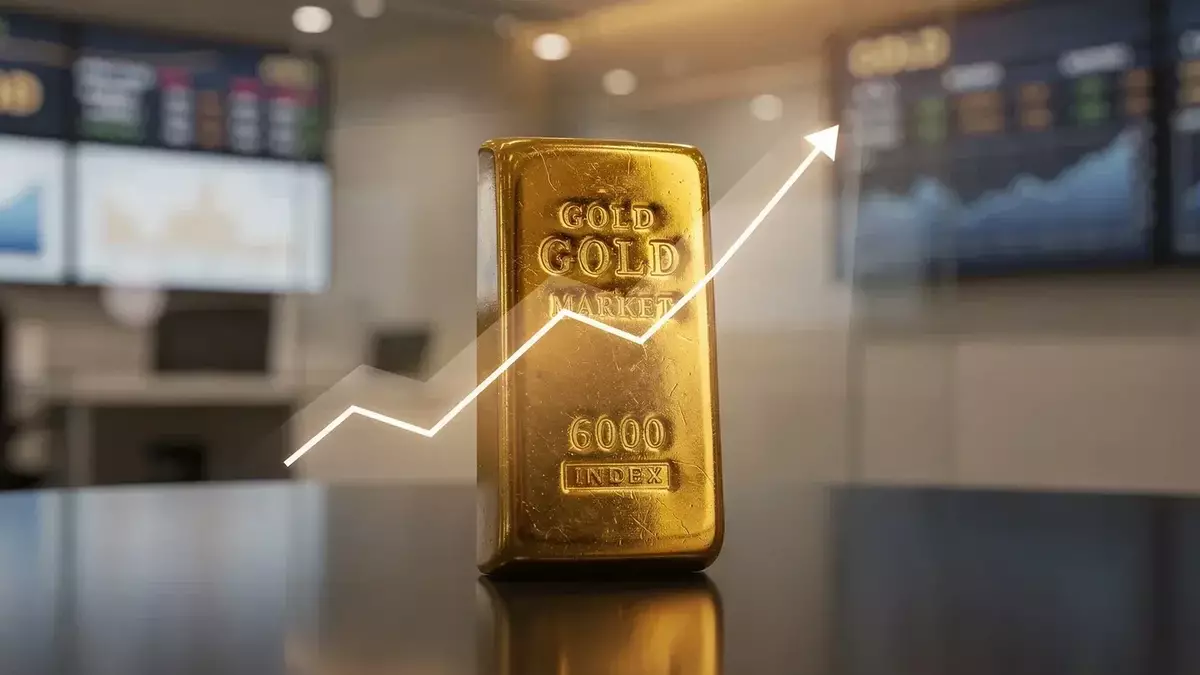
Three months of uninterrupted declines have brought gold to a precarious crossroads. After losing more than ten percent in June alone, the precious metal closed Monday at $4,035 an ounce — a staggering 28 percent below the January peak of $5,627. The relative strength index at 34 hints at oversold conditions, but catalysts for a rebound remain conspicuously absent.
Truce in the Gulf pulls the rug out from under safe-haven demand
The biggest wild card this week was the sudden de-escalation of tensions in the Strait of Hormuz. The United States and Iran have agreed to a preliminary ceasefire, paving the way for 60-day negotiations in Doha. Washington has lifted its naval blockade around the strategic waterway, and both sides have paused the cycle of attacks that earlier included Iranian strikes on commercial vessels and military bases in Kuwait and Bahrain.
The détente is hammering gold’s traditional safe-haven appeal. Oil, which had been hovering near $73 a barrel as a proxy for geopolitical risk, is now drifting. Investors are dumping hedges and rotating into risk assets. The spot price lost 1.67 percent on the day, compounding the year-to-date deficit of roughly seven percent.
The Federal Reserve is the bigger headwind — and it’s not letting up
Even before the ceasefire, gold was labouring under a macroeconomic weight that shows no sign of lifting. The core PCE inflation gauge accelerated to 4.1 percent in May, cementing expectations for additional tightening. Markets currently price in three more Fed rate hikes this year, with a first move in September carrying a probability of around 62 percent.
Should investors sell immediately? Or is it worth buying Gold?
Newly installed Fed Chair Kevin Warsh, who is set to give his first international speech at the ECB Forum in Sintra, has already ruled out early rate cuts and reiterated the central bank’s commitment to fighting inflation. The federal funds rate stands at 3.50-3.75 percent, and a rising dollar is making non-yielding bullion increasingly unattractive.
Greg Shearer of J.P. Morgan describes gold’s current position as a “technical no-man’s land.” The 200-day moving average sits near $4,340 and the 50-day average at $4,730 — both far above spot. As long as the Fed responds to energy-driven inflation with rate increases, the metal stays out of favour for most institutional portfolios.
Central banks keep hoarding, but ETFs tell a different story
The structural backdrop remains surprisingly robust. In the first quarter of 2026, global central banks added a net 244 tonnes of gold — up three percent year-on-year. April saw another 19 tonnes, led by Poland with 14 tonnes and China accelerating to eight tonnes, its highest monthly net purchase since December 2024 and the 18th consecutive month of buying. Nearly half of all central banks plan to expand their gold reserves further, according to the World Gold Council, citing persistent geo-economic uncertainty and a desire to diversify away from the dollar.
Yet exchange-traded funds painted a starkly different picture. Physically backed gold ETFs have suffered heavy outflows, especially in China, where the seven largest vehicles lost billions in value over three months. That outflow pressure is dragging on global sentiment and offsetting some of the buying from official institutions.
Physical demand shows two faces: investors hoard, jewellers retreat
Bar and coin demand surged to 474 tonnes in the first quarter — the second-highest quarterly figure ever recorded and a 42 percent increase from a year earlier. Asian retail investors drove much of the buying spree. Jewellery consumption, however, fell 23 percent in volume terms. Spending actually rose 31 percent, suggesting that consumers are willing to pay record prices but are buying less metal.
Gold at a turning point? This analysis reveals what investors need to know now.
The World Gold Council expects central banks to remain net buyers for the foreseeable future, which should cap downside even as the macro tide runs against gold. That floor may come into view as the metal approaches its 52-week low of $3,901.
Key levels and the data calendar ahead
Technicians are watching the $3,959 support level closely. If it holds through the next few weeks, a typical summer recovery pattern could emerge. A break below that, however, would open the door to further slides. Analysts are split on the medium-term outlook: Deutsche Bank targets $4,300 for the third quarter, while Morgan Stanley sees fair value much higher at $5,200.
All eyes now turn to the US non-farm payrolls report for June and the ISM manufacturing index, both due later today. Those data points will refine the market’s view on the Fed’s trajectory — and could deliver the next decisive jolt to a beleaguered bullion market.
Ad
Gold Stock: New Analysis - 30 June
Fresh Gold information released. What's the impact for investors? Our latest independent report examines recent figures and market trends.
Disclaimer zu unseren Artikeln: Keine Anlageberatung, keine Kauf oder Verkaufsempfehlung. Angaben zu Kursen, Unternehmen und Märkten ohne Gewähr; Änderungen jederzeit möglich. Börsengeschäfte können zu hohen Verlusten führen. Unsere Beiträge werden ganz oder teilweise automatisiert mit Unterstützung von AI erstellt und geprüft.