CenterPoint Energy stock edges higher as guidance and regulated growth support valuation
Published on 07/23/2026 at 04:22 | Editorial responsibility: Rafael Müller, Editor-in-Chief AD HOC NEWS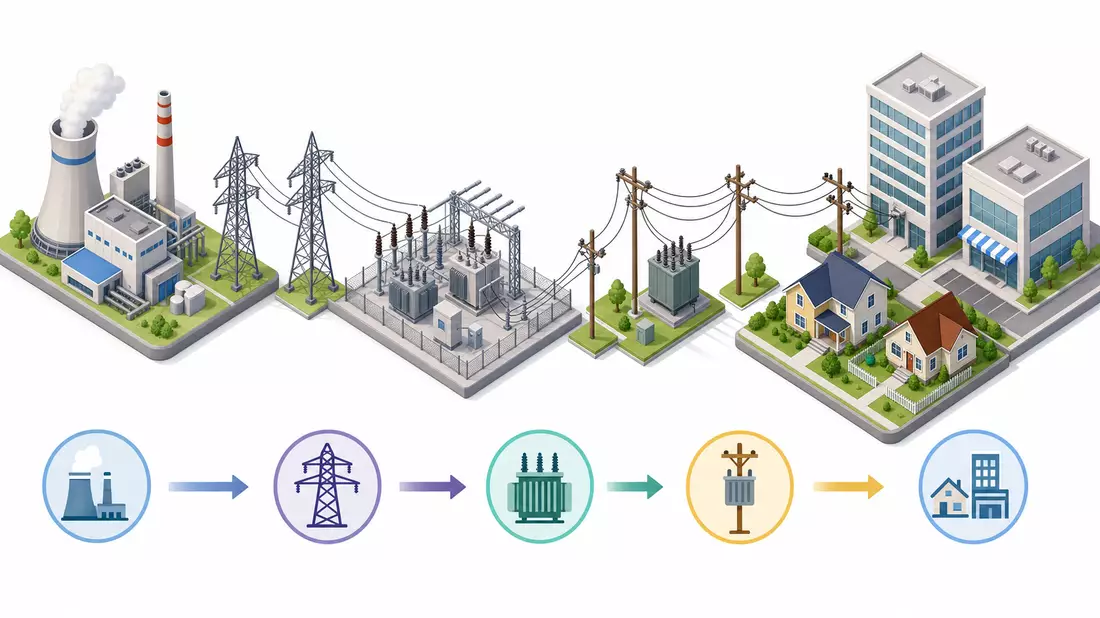
CenterPoint Energy Inc. (ISIN US15189T1079) is a regulated utility holding company headquartered in Houston and listed on the New York Stock Exchange under the ticker CNP. CenterPoint Energy stock remains anchored by its regulated electric and natural gas operations, multi-year capital investment program, and dividend income profile, with investors closely watching earnings growth, leverage, and rate case outcomes across its service territories.
Revenue up low double digits in recent year
CenterPoint Energy reported consolidated revenue of approximately $9.1 billion in fiscal 2023, up from roughly $8.3 billion in fiscal 2022, representing growth of around 9.6% year on year. This increase was driven by rate adjustments, customer growth in its service territories, and higher usage in certain periods, offset by the impact of weather normalization and fuel cost recovery mechanisms. The company’s revenue base reflects a mix of electric transmission and distribution, natural gas distribution, and related regulated services.
On an earnings basis, CenterPoint Energy generated net income of about $900 million in fiscal 2023 compared with roughly $740 million in fiscal 2022, indicating profit growth of nearly 22% year on year. The improvement came from higher allowed returns on equity in select jurisdictions, efficiency measures, and reduced storm restoration expenses versus the prior period. For investors in CenterPoint Energy stock, the expansion in net income underscores the earnings leverage embedded in its regulated asset base when rate outcomes and cost discipline are supportive.
Adjusted earnings per share (EPS), which exclude certain one-off items, reached roughly $1.50 in fiscal 2023 compared with about $1.36 in fiscal 2022, an increase of roughly 10% year on year. This EPS progression aligned with management’s long-term target range for annual EPS growth in the mid- to high-single-digit band. The company’s ability to deliver EPS growth above its target range in 2023 was viewed positively, though investors remain attentive to how future rate decisions and capital deployment will affect EPS trajectories.
Margin profile and capital investment plan
CenterPoint Energy’s operating margin in fiscal 2023, measured as operating income over revenue, stood near 16%, modestly higher than in fiscal 2022 when the operating margin was closer to 15%. The margin uplift reflected better recovery of operating costs through regulatory mechanisms, incremental efficiency initiatives, and lower extraordinary expenses compared with the prior year. For a regulated utility, the stability and gradual improvement of margins are key signals for the durability of cash flows supporting dividends and capital spending.
The company continued to execute on a substantial capital investment plan aimed at grid modernization, reliability improvements, and system expansion. Over the 2023 fiscal year, capital expenditures were approximately $3.6 billion, up from about $3.3 billion in fiscal 2022, representing an increase of around 9%. These investments targeted electric infrastructure upgrades, gas pipeline replacements, and digital initiatives across its networks. CenterPoint Energy’s management has communicated a multi-year capital plan that totals more than $20 billion over a longer horizon, underpinned by regulatory approvals and expected rate base growth.
As a result of these capital investments, CenterPoint Energy’s regulated rate base continued to expand. While exact rate base figures vary across jurisdictions, the consolidated regulated rate base increased by mid- to high-single-digit percentages between fiscal 2022 and fiscal 2023, supporting future earnings potential through authorized returns on equity. For investors, the interplay between rate base growth and authorized ROE levels is central to assessing the value proposition of CenterPoint Energy stock over the medium term.
CenterPoint Energy’s balance sheet remained leveraged but within a range typically seen for regulated utilities. Long-term debt stood near $17 billion at the end of fiscal 2023, slightly higher than in the prior year, reflecting funding for capital expenditures and refinancing activities. Management continued to target a credit profile consistent with investment-grade ratings, supporting access to capital markets at competitive rates. The company’s financing strategy, including a mix of debt maturities and potential equity issuance, is closely observed by institutional and retail investors.
Dividend stability supports CenterPoint Energy stock
CenterPoint Energy maintained a cash dividend as a key element of shareholder returns. In fiscal 2023, the company paid an annualized dividend of about $0.80 per share, up from approximately $0.72 per share in fiscal 2022, marking an increase of around 11%. The dividend payout ratio, measured against adjusted EPS, was in the range of 50% to 55%, which is broadly consistent with the company’s stated objective of balancing shareholder distributions with reinvestment needs. For investors seeking income, the dividend profile remains an important consideration alongside the regulated nature of the business.
The company has a history of incremental dividend growth over time, calibrated to EPS performance and capital plans. While dividend increases are not guaranteed, management’s recent actions suggest an emphasis on sustainable, moderate growth in the payout. CenterPoint Energy stock therefore often appeals to investors looking for a combination of income and gradual earnings expansion in a regulated utility framework, rather than high-growth, high-volatility exposure.
In addition to dividends, CenterPoint Energy has occasionally considered share repurchases as part of its capital allocation strategy, though its main focus remains on funding regulated investments and maintaining a robust balance sheet. Any future capital allocation decisions will be influenced by market conditions, regulatory developments, and the company’s leverage and credit metrics. For now, the primary shareholder return mechanism continues to be the cash dividend.
Earnings guidance and growth expectations
CenterPoint Energy’s management has provided forward-looking guidance to frame investor expectations. For the 2024 fiscal year, the company has indicated an adjusted EPS target range in the vicinity of $1.60 to $1.70, implying potential growth of roughly 7% to 13% compared with the fiscal 2023 level of approximately $1.50. This guidance assumes continued customer growth, approved rate increases, and disciplined cost control, as well as the execution of its capital projects without major delays.
Over a multi-year horizon, CenterPoint Energy has highlighted a long-term adjusted EPS growth objective anchored around mid- to high-single-digit percentages annually. The guidance reflects the expected expansion of its regulated rate base through investments in electric and gas infrastructure, along with efficiencies from operational improvements. Investors in CenterPoint Energy stock often benchmark these growth targets against other regulated utilities to assess relative valuation and risk, recognizing that regulatory decisions and macroeconomic conditions can cause actual outcomes to differ from guidance.
The company’s strategic focus includes reliability enhancements, grid modernization, and support for energy transition initiatives such as integrating distributed energy resources and smart grid technologies. These programs are expected to drive capital spending while concurrently enabling technological upgrades that may reduce operating costs over time. The balance between regulatory support for such investments and customer affordability considerations is a key theme that investors monitor when evaluating CenterPoint Energy’s growth prospects.
Rate cases, regulatory environment, and risk factors
As a regulated utility, CenterPoint Energy’s earnings depend heavily on outcomes of rate cases and regulatory reviews across its jurisdictions. Authorized returns on equity, capital structure assumptions, and recovery of operating and capital costs are determined through regulatory processes. Changes in authorized ROE or disallowances of certain expenditures can impact profitability and cash flow. Investors in CenterPoint Energy stock therefore track major rate case schedules and decisions closely, as they can influence valuations and near-term earnings trajectories.
Regulatory risk is balanced by the relative stability of demand for essential electric and gas services. CenterPoint Energy serves customers in multiple states, providing geographic diversification in its regulatory exposure. However, differences in regulatory frameworks and policy priorities across regions can create complexities. For example, decisions related to storm cost recovery, infrastructure modernization surcharges, and energy efficiency programs can vary, affecting the timing and magnitude of earnings recognition.
Macroeconomic factors, including interest rates and inflation, also represent important considerations. Higher interest rates can increase financing costs for CenterPoint Energy, particularly given its substantial long-term debt used to fund capital projects. Inflationary pressures can raise operating and capital costs, requiring regulatory adjustments to maintain earnings. Investors evaluate how effectively the company manages these dynamics through rate mechanisms and financial strategies.
Peers and comparative valuation context
In the broader US regulated utility sector, CenterPoint Energy is often compared with companies that have similar electric and gas distribution portfolios. Key comparative metrics include price-to-earnings ratios based on forward adjusted EPS, price-to-book ratios, and dividend yields. CenterPoint Energy’s valuation has typically traded within a band that reflects its mid- to high-single-digit EPS growth targets and regulated risk profile, with variations based on market sentiment and interest rate expectations.
For example, if CenterPoint Energy stock trades at a forward price-to-earnings multiple of around 17 times based on the midpoint of the company’s adjusted EPS guidance range, this multiple would be assessed against sector peers with comparable growth and regulatory frameworks. A higher multiple might be justified by stronger expected rate base growth or more favorable regulatory conditions, while a lower multiple could indicate perceived risks or macroeconomic headwinds.
Dividend yield is another important comparative measure. With an annualized dividend of about $0.80 per share and a share price in the low- to mid-twenties in USD terms, CenterPoint Energy’s dividend yield sits in the range of 3% to 4%. Investors may contrast this yield with those offered by other regulated utilities, taking into account differences in growth prospects, leverage, and regulatory stability. A yield within that range is generally consistent with a balance of income and growth potential in the utility space.
Product and service footprint in electric and gas
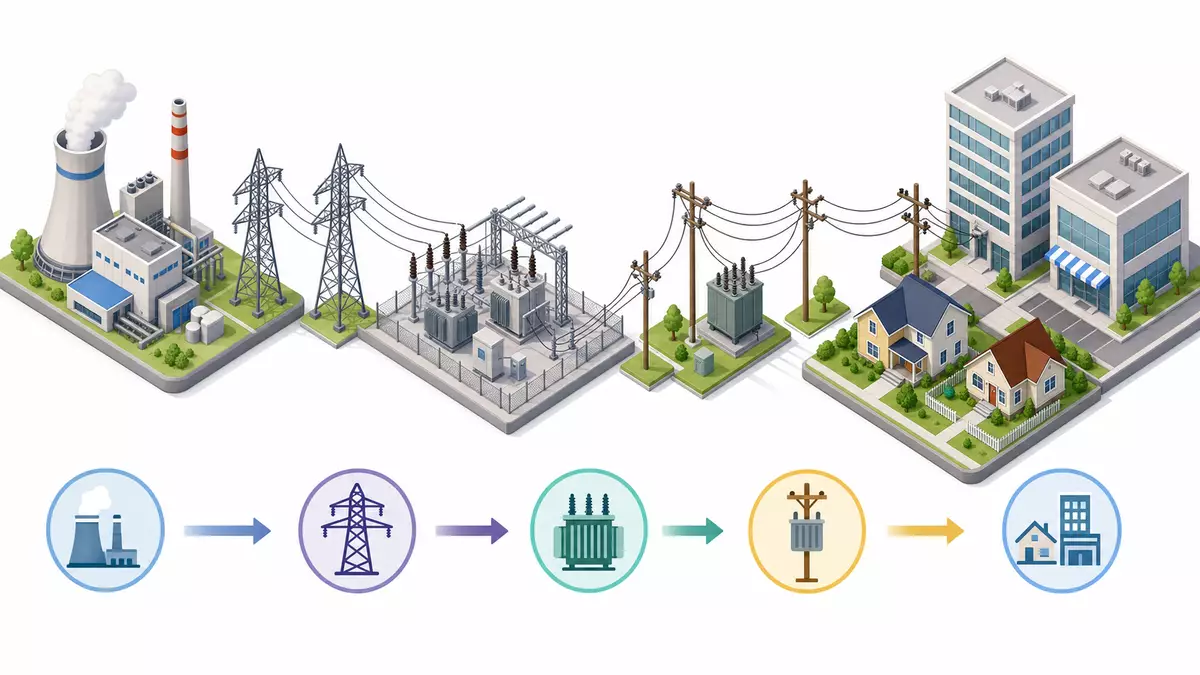
CenterPoint Energy’s core offerings include electric transmission and distribution, natural gas distribution, and related regulated services across its service territories. The company delivers electricity to residential, commercial, and industrial customers through its electric networks, which encompass substations, power lines, and grid management systems. In its natural gas operations, CenterPoint Energy distributes gas to customers through a network of pipelines, meters, and control systems, ensuring reliable and safe delivery.
These services are supported by investments in infrastructure modernization, such as replacing aging gas pipelines with newer materials, upgrading substations and transformers, and deploying advanced metering and grid management technologies. The company also engages in storm preparedness and response efforts, aiming to enhance resilience and reduce outage durations when severe weather events occur. For customers, the reliability and safety of these services are central to the utility’s value proposition.
CenterPoint Energy may also participate in energy efficiency and demand response programs that help customers manage usage and bills while contributing to broader policy goals related to emissions and sustainability. While these initiatives are often shaped by regulatory directives, they can enable the company to refine its load management and planning, potentially informing future capital investment priorities. For investors, understanding the scope of these programs provides context for the company’s long-term strategic positioning.
CenterPoint Energy stock and market positioning
CenterPoint Energy stock trades on the New York Stock Exchange, providing liquidity and access for both institutional and retail investors. The company’s inclusion in major utility and broad market indices supports visibility among asset managers and index funds. As of a recent reference point in 2024, CenterPoint Energy’s market capitalization has been in the range of roughly $17 billion to $19 billion, reflecting investor assessments of its regulated asset base, earnings prospects, and dividend profile.
Share price movements in CenterPoint Energy stock often correlate with macro factors such as interest rate expectations, sector rotation between defensive and cyclical segments, and developments in regulatory policy. Positive earnings surprises, favorable rate case decisions, or affirmations of long-term guidance can support the share price, while adverse regulatory outcomes or higher-than-expected financing costs may weigh on valuations. For long-term investors, the focus typically rests on the trajectory of EPS and dividends relative to risk.
Over a multi-year horizon, CenterPoint Energy’s total shareholder returns are shaped by both capital appreciation and dividend income. If adjusted EPS grows in line with management’s mid- to high-single-digit target range and dividends continue to increase moderately, the stock may offer a blended return profile consistent with regulated utility characteristics. However, outcomes depend on regulatory decisions, cost management, capital efficiency, and macroeconomic conditions.
Electric distribution operations and grid modernization
CenterPoint Energy’s electric distribution operations involve delivering power from transmission networks to end users across its service areas. The company manages substations, feeders, and distribution lines, integrating automation and monitoring technologies to improve reliability. Investments in grid modernization include the deployment of smart meters, advanced distribution management systems, and automated reclosers to isolate faults and reduce outage durations.
These projects are typically recovered through regulated mechanisms, contributing to rate base growth. Capital expenditures in electric distribution have formed a significant portion of the company’s overall spending, with hundreds of millions of dollars annually allocated to grid upgrades, storm hardening, and capacity expansion. The goal is to build a more resilient, flexible grid capable of accommodating distributed generation, electric vehicles, and evolving load patterns.
Reliability metrics, such as average outage duration and frequency, are tracked by regulators and customers, influencing perceptions of service quality. Improvements in these metrics can support constructive regulatory relationships and customer satisfaction, while persistent issues may prompt increased scrutiny and additional requirements for investment or operational changes. For CenterPoint Energy, maintaining strong reliability indicators is an important aspect of sustaining support for its investment programs.
Natural gas distribution and infrastructure investment
CenterPoint Energy’s natural gas distribution operations provide gas to residential, commercial, and industrial customers through extensive pipeline networks. Safety and integrity management are central priorities, with programs for leak detection, pipeline replacement, and compliance with regulatory standards. Capital investments focus on replacing older pipeline segments, upgrading compression and measurement facilities, and enhancing system monitoring to reduce risks.
The company’s gas distribution business generates regulated revenues with cost recovery mechanisms for commodity costs, ensuring that fluctuations in wholesale gas prices are passed through to customers rather than materially affecting utility margins. Operating earnings are driven primarily by the allowed returns on investment in infrastructure and the efficient management of operating expenses. Customer growth and usage patterns also influence earnings, particularly in regions with expanding populations or industrial activity.
Environmental policy developments and decarbonization initiatives can affect the outlook for gas distribution. CenterPoint Energy monitors regulatory and legislative trends regarding electrification, emissions targets, and potential impacts on long-term gas demand. While gas continues to play an important role in heating and industrial processes, shifts in policy could influence future investment strategies and rate base growth assumptions in the gas segment.
Financial flexibility and credit considerations
CenterPoint Energy’s financial flexibility depends on its ability to access capital markets, manage debt maturities, and maintain credit ratings that support cost-effective financing. Investment-grade ratings are important in this regard, as they allow the company to issue long-term debt at competitive rates, which is critical given the scale of its capital investment program. The company’s leverage metrics, including debt-to-capital ratios, are monitored by rating agencies and investors.
Refinancing activities, including the issuance of new debt to replace maturing obligations, are part of routine financial management. In periods of rising interest rates, refinancing can increase the company’s overall cost of debt, affecting earnings and cash flow. CenterPoint Energy may respond by adjusting the timing of capital projects, seeking regulatory recognition of higher financing costs, or optimizing its capital structure to balance debt and equity.
Liquidity management, including maintaining adequate credit facilities and cash balances, supports operational resilience and investment execution. The company must also adhere to covenants and regulatory requirements related to its financing arrangements. For investors in CenterPoint Energy stock, the stability of the credit profile is a key factor in assessing both equity risk and dividend sustainability.
Long-term themes and investor considerations
Several long-term themes underpin the investment narrative for CenterPoint Energy. Demand for electricity and natural gas in its service territories, driven by population growth, economic development, and evolving usage patterns, influences the scale of required infrastructure investments. Regulatory frameworks that support timely recovery of costs and reasonable returns on investment are critical to translating those investments into earnings and dividends.
Energy transition trends, including decarbonization, integration of renewable resources, and adoption of distributed energy technologies, may reshape aspects of the utility business model over time. CenterPoint Energy’s role in enabling this transition through grid modernization, potential support for distributed generation, and efficiency programs can affect both its capital plans and regulatory relationships. Investors consider how the company positions itself in this landscape, balancing reliability, affordability, and sustainability.
Technological advancements in grid management, metering, and customer engagement may offer opportunities to improve efficiency and service quality. However, they also require investment and regulatory coordination. CenterPoint Energy’s ability to deploy technology in a cost-effective manner, secure regulatory support, and manage cyber and physical security risks is part of the broader assessment of its long-term prospects.
Stock closing view and income profile
CenterPoint Energy stock represents an exposure to a regulated utility platform with electric and natural gas distribution as core businesses, underpinned by a multi-year capital investment agenda and a dividend that has grown modestly over time. For investors, the key variables are earnings growth versus guidance, regulatory outcomes, leverage, and the pace of capital deployment, which together shape total returns through both share price performance and dividend income over the long horizon.
CenterPoint Energy at a glance
- Company: CenterPoint Energy Inc.
- ISIN: US15189T1079
- Ticker: NYSE: CNP
- Trading venue: NYSE
- Market capitalization: approximately $17 billion to $19 billion range (as of 2024)
- Sector / Industry: Utilities / Multi-Utilities
- Index membership: S&P 500
Disclaimer regarding our articles: No investment advice, no buy or sell recommendation. Information on prices, companies, and markets is provided without guarantee; changes are possible at any time. Stock market transactions can lead to substantial losses. Our articles are created and reviewed in whole or in part automatically with the support of AI.