Central Banks' Record Gold Spree Collides With Dollar-Driven Price Rout
Published on 06/21/2026 at 19:32 | Redaktion boerse-global.de
The disconnect between structural demand and short-term market forces has rarely been wider in the gold market. While central banks have been piling into bullion at an unprecedented clip, the yellow metal is enduring its third consecutive weekly decline, dragged lower by a resurgent dollar and a hawkish tilt from the Federal Reserve.
The World Gold Council's latest survey of 76 central banks reveals a historic appetite for gold: nearly half of reserve managers intend to increase their holdings, the highest proportion since the survey began in 2018. That appetite is already showing up in the data. Net central bank purchases hit 244 tonnes in the first quarter of 2026, with Poland's National Bank leading the pack by adding 31 tonnes to its reserves. Ninety percent of respondents cited gold's crisis resilience as the primary motivation, with long-term value preservation and portfolio diversification close behind.
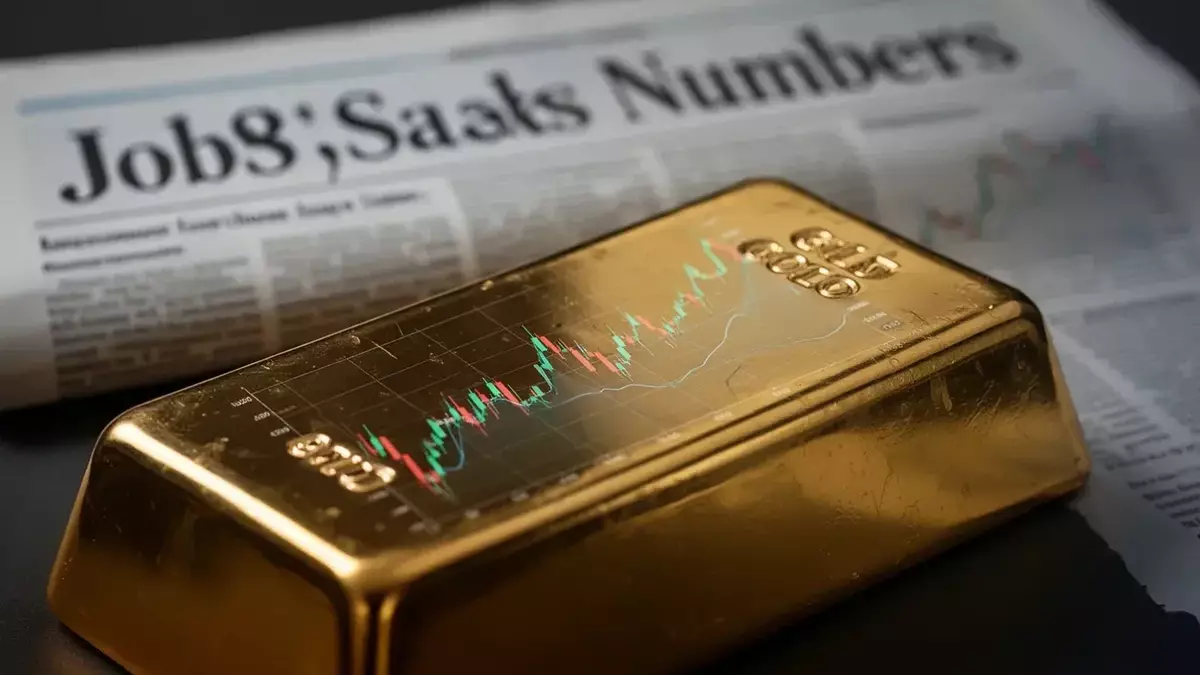
Yet on the ground, the price tells a very different story. Gold settled at $4,172.90 an ounce on Friday, losing nearly eight percent over the past month and trading well below its 50-day moving average of around $4,553. The pressure comes from a clear policy signal out of Washington: nine of 19 Fed officials now expect interest rates to rise before year-end, driving the U.S. dollar to an eight-week high. A stronger greenback makes gold more expensive for buyers outside the dollar zone — a dynamic that in China briefly pushed the market into a premium-to-spot discount.
Should investors sell immediately? Or is it worth buying Gold?
Goldman Sachs responded to the deteriorating rate outlook by slashing its year-end price target by $500, from $5,400 to $4,900. The bank noted that the prospect of Fed rate cuts in 2026 has effectively been taken off the table. Additional headwinds come from a cooling of geopolitical risk: easing tensions between the United States and Iran has sapped safe-haven demand, further chipping away at gold's support.
Technical indicators underscore the fragility. The relative strength index stands at 35.4, pushing bullion toward oversold territory without any sign of a reversal. The psychologically important $4,000 level is now within striking distance. On the upside, solid resistance sits in the $4,330–$4,355 zone, well above current prices. Should the selloff continue, the March low around $4,098 marks the next critical support level; a break below that could accelerate losses.
The coming week will test whether macro data can alter the narrative. Tuesday brings purchasing managers' indices for Germany and France, followed Thursday by U.S. GDP for the first quarter, jobless claims, and the May PCE inflation gauge — the Fed's preferred measure. Soft U.S. readings could soften the case for higher interest rates and give gold some breathing room. Hotter data, however, would likely add to the selling pressure, pushing the metal closer to that $4,000 threshold.
Ad
Gold Stock: New Analysis - 21 June
Fresh Gold information released. What's the impact for investors? Our latest independent report examines recent figures and market trends.
Disclaimer regarding our articles: No investment advice, no buy or sell recommendation. Information on prices, companies, and markets is provided without guarantee; changes are possible at any time. Stock market transactions can lead to substantial losses. Our articles are created and reviewed in whole or in part automatically with the support of AI.