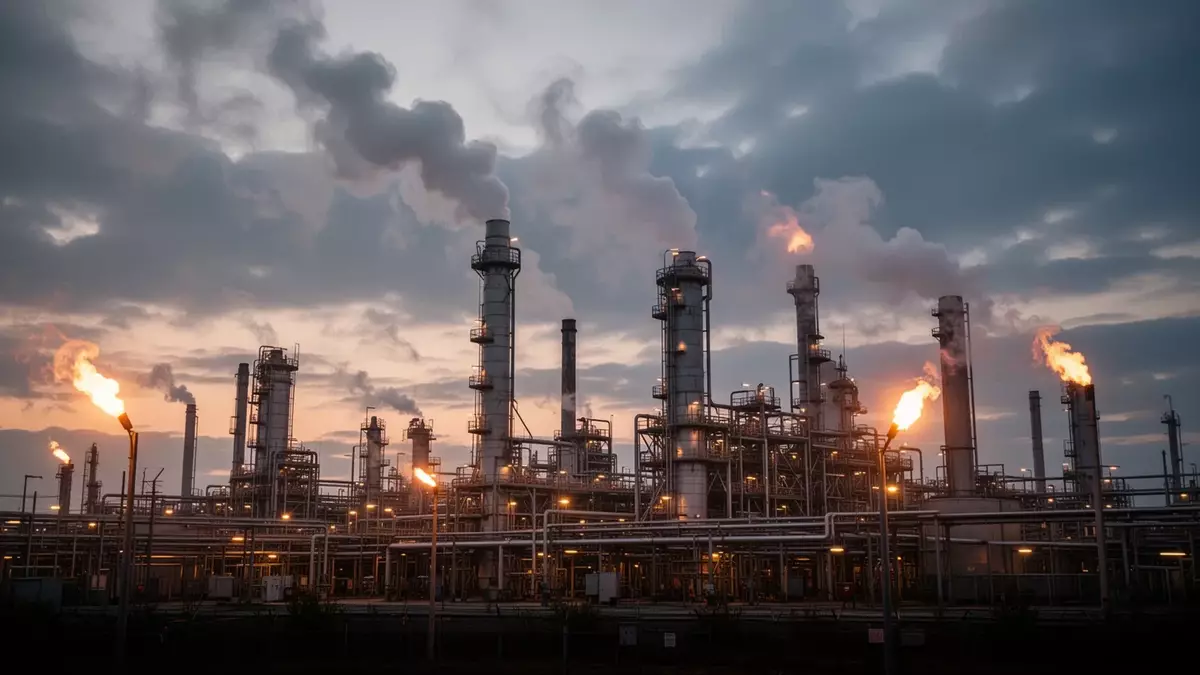
Chemikalien-Notfall: 50.000 Einwohner evakuiert nach Tank-Überhitzung
Published on 07/03/2026 at 21:57 | Redaktion boerse-global.de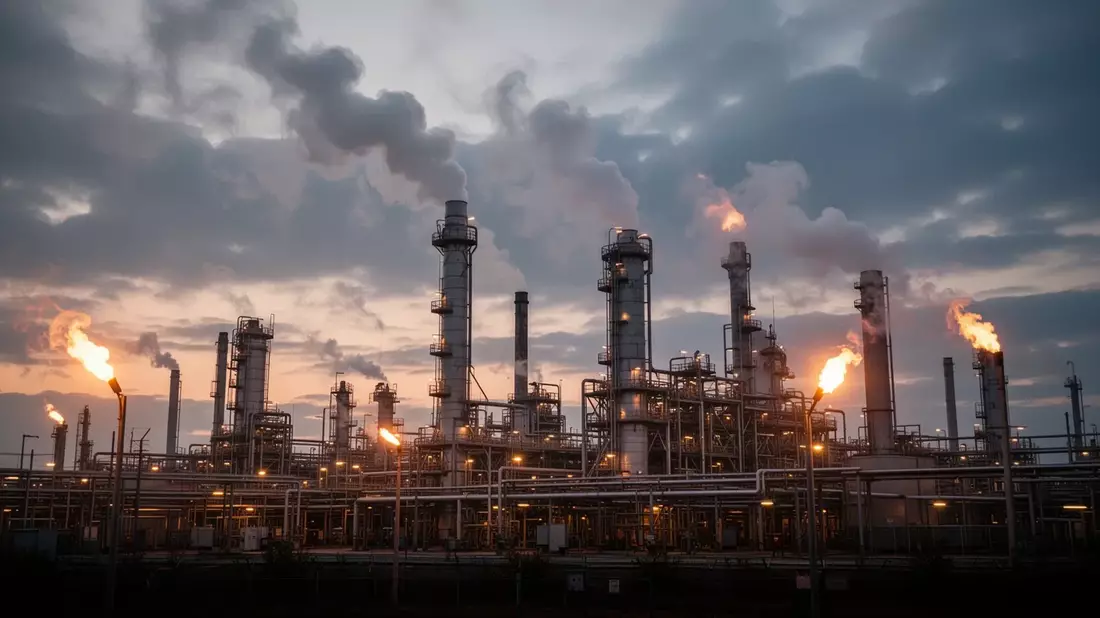
A wave of industrial incidents in California, coupled with changes in federal environmental oversight, has intensified public pressure on chemical safety regulation. The developments are prompting new legislation, legal action, and debate over the transparency of hazardous material data — issues with direct relevance to UK employers managing chemical risks under COSHH and other regulations.
Industrial Emergencies Trigger Evacuations and Lawsuits
In Southern California, residents and local officials are demanding answers after two major hazardous materials incidents. At a GKN Aerospace facility in Garden Grove, a tank containing approximately 7,000 gallons of methyl methacrylate began to overheat and crack earlier this year. The resulting explosion risk forced the evacuation of up to 50,000 residents across six Orange County cities. While firefighters successfully cooled the tank and averted disaster, a federal search warrant was served at the facility this week, and local families have initiated class-action litigation.
Separately, a coalition of residents in Boyle Heights held a rally on July 2 demanding the permanent closure and demolition of a Lineage cold storage warehouse. The site was recently the location of a fire that created an anhydrous ammonia risk, leading to reports of respiratory illnesses, nausea, and itchy throats among neighbours.
In response to these events, State Senator Umberg has proposed SB 883, a bill designed to increase state oversight of reactive chemicals.
In Tracy, a resident filed a lawsuit on July 3 against Medline Industries and other entities following a warehouse fire on June 11. The legal filing alleges negligence and nuisance, claiming that failing fire sprinklers allowed toxic ash to spread, causing ongoing health issues for the community.
Federal Shift on PFAS in Sewage Sludge
The Environmental Protection Agency (EPA) issued draft guidance on July 2 that alters the federal approach to per- and polyfluoroalkyl substances (PFAS) in sewage sludge. EPA water chief Jessica Kramer signed the document, which rejects previous assessments regarding cancer risks from PFAS in biosolids. Instead of mandatory regulations, the new guidance offers voluntary recommendations for applying treated sludge to land, suggesting it should be avoided near waterways or on crops with high exposure risks.
The move follows a May 18 proposal to roll back certain drinking water protections and delay their implementation. These federal shifts occur as communities elsewhere face long-term contamination issues; in Alabama, a new reverse osmosis treatment plant is scheduled to open in spring 2027 to address PFAS levels linked to the Georgia carpet industry.
Transparency Gaps in Hazardous Chemical Reporting
A recent analysis by Chemical & Engineering News (C&EN) has highlighted concerns over corporate transparency regarding hazardous substances. Reviewing data from 2012 to 2023, the study found that companies claim production volumes as confidential business information (CBI) 6 to 21 percentage points more often for highly toxic priority chemicals than for other substances regulated under the Toxic Substances Control Act.
At the state level, the California Department of Toxic Substances Control finalised a regulation on July 2 to add microplastics to its Candidate Chemicals List. While this does not impose immediate obligations on manufacturers, it authorises the state to evaluate consumer products that generate or contain microplastics for potential future regulation under the Safer Consumer Products Program.
Public Pressure Mounts Internationally
Public concern over chemical risks is also manifesting through consumer advocacy and direct protests. In the United Kingdom, health charities launched a campaign this week urging the public to replace plastic utensils with wooden alternatives to reduce exposure to endocrine-disrupting chemicals (EDCs).
In East Asia, residents in Hefei, China, successfully forced the cancellation of a planned waste transfer station in late June after blocking a major roadway for two hours to protest the facility's proximity to schools and residential housing.
Disclaimer regarding our articles: No investment advice, no buy or sell recommendation. Information on prices, companies, and markets is provided without guarantee; changes are possible at any time. Stock market transactions can lead to substantial losses. Our articles are created and reviewed in whole or in part automatically with the support of AI.