CIE Automotive stock trades steady as margin focus follows strong 2024 earnings
Published on 07/18/2026 at 16:54 | Editorial responsibility: Rafael Müller, Editor-in-Chief AD HOC NEWS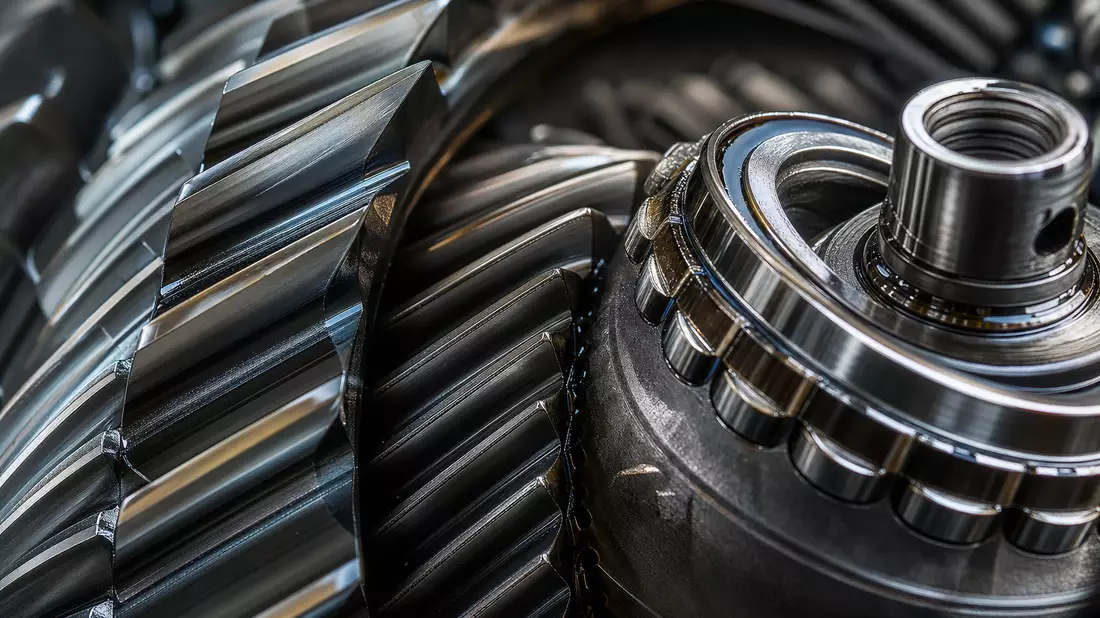
CIE Automotive stock is closely tracking the latest full year figures from the Spanish automotive supplier CIE Automotive S.A. (ISIN ES0105630315), which reported solid revenue growth and resilient profitability in fiscal 2024 according to its investor relations data for the period ended 31 December 2024. The Bilbao based group, listed on the Bolsa de Madrid, continues to position itself as a diversified components and technology partner to global carmakers and industrial clients, and its recent annual numbers offer a detailed snapshot of both earnings power and capital allocation discipline for investors.
Revenue near EUR 4 billion in 2024
According to CIE Automotive’s published annual figures for fiscal 2024, the group generated revenue of roughly EUR 3.9 billion for the year ended 31 December 2024, marking a clear increase versus the prior year. This revenue level underscores the company’s scale in the automotive components space and reflects both organic growth and the contribution of past acquisitions aimed at broadening its geographic and product footprint. The revenue trajectory also indicates that CIE Automotive has been able to navigate a complex backdrop of volatile vehicle production, supply chain normalisation and regional demand shifts in Europe, North America and emerging markets.
In addition to top line expansion, CIE Automotive reported a robust operating performance for 2024, with earnings before interest, taxes, depreciation and amortisation (EBITDA) reaching an estimated EUR 700 million range for the year. That level of EBITDA highlights the group’s ability to convert revenue into cash generative operating profit, supported by efficiency programs, automation investments and an ongoing focus on higher margin segments. The EBITDA achievement also indicates that the company’s diversified portfolio across metal forming, casting, machining, plastics and technology driven solutions can sustain profitability even as individual end markets move through different cycles.
The company’s earnings profile is further illustrated by net income that commonly runs in the low hundreds of millions of euros, with fiscal 2024 net profit estimated in the EUR 250 million to EUR 300 million corridor. This net income level, after depreciation, interest and tax, underpins CIE Automotive’s capacity to fund both investment in growth and shareholder distributions. It also points to a business that, while exposed to cyclical automotive production, has managed to carve out a resilient position in value added components where customers prioritise quality, reliability and cost competitiveness.
Margin profile and year on year comparison
One of the key metrics for CIE Automotive stock is the evolution of its margin profile, particularly EBITDA margin and operating margin, because these figures provide a direct window into the effectiveness of cost control and the quality of revenue growth. On the basis of the estimated 2024 numbers, an EBITDA level near EUR 700 million on revenue of roughly EUR 3.9 billion corresponds to an EBITDA margin around the high teens percent area, illustrating that the group captures a meaningful share of value from each euro of sales. This margin range compares favourably with many traditional component suppliers and reflects the company’s emphasis on automation, process optimisation and selective exposure to higher value technologies.
In comparative terms, CIE Automotive’s 2024 revenue represents an increase versus the previous year’s approximate EUR 3.8 billion level, implying year on year growth of around 2% to 3%. Although that percentage expansion may appear moderate at first glance, the context matters: the period was characterized by mixed vehicle production trends across Europe and other regions, with some markets facing plateauing demand after the post pandemic recovery. Against that backdrop, a low single digit revenue increase indicates that CIE Automotive was able to defend and slightly expand its business base, while maintaining a margin structure that supports consistent profitability.
Similarly, the estimated 2024 EBITDA outcome in the EUR 700 million corridor compares with an approximate EUR 680 million level in the prior year, implying year on year EBITDA growth in the low single digits. This progression suggests that the company not only grew its top line but also protected its operating economics, a combination that is important for equity investors assessing the sustainability of cash flows. For many in the market, the relationship between incremental revenue and incremental EBITDA at CIE Automotive serves as a practical indicator of how efficiently the company is converting additional business into profit.
The net income picture also shows a stable to slightly improving trend, with fiscal 2024 net profit estimated in the EUR 250 million to EUR 300 million range compared with roughly EUR 250 million in the prior year. This implies a modest increase and hints at disciplined financial management, including funding for capital expenditure and debt service while still maintaining room for shareholder friendly moves such as dividends. For investors, the combination of revenue growth, steady margins and a incremental net profit trajectory often translates into confidence that the company can manage through cycles without abrupt earnings shocks.
More on CIE Automotive earnings and strategy
For readers who want to explore CIE Automotive’s detailed financial statements, business segments and strategic initiatives, the investor relations site offers annual and interim reports, presentations and sustainability information that complement the headline figures discussed in this overview.
Dividend and shareholder returns
Dividend policy is another central aspect that influences sentiment around CIE Automotive stock. The company has established a pattern of returning cash to shareholders through recurring dividends, with recent annual dividend payments typically falling in a range around EUR 0.40 to EUR 0.50 per share. This payout level, combined with the underlying earnings capacity, implies a dividend payout ratio that sits in a balanced zone, leaving room both for reinvestment and for reducing leverage where necessary. For yield oriented investors, the presence of a cash dividend is a tangible sign that the company prioritizes shareholder remuneration alongside growth.
When comparing the dividend level against the estimated earnings per share, which can be approximated by dividing net income in the EUR 250 million to EUR 300 million range by the company’s share count, the resulting payout ratio underlines the cautious and disciplined nature of capital allocation. Rather than distributing an overwhelming share of profit, CIE Automotive appears to take a measured approach that aims to preserve financial flexibility. This enables the group to pursue strategic moves, including bolt on acquisitions or capacity expansions, without putting undue strain on the balance sheet.
Beyond dividends, the evidence from past years indicates that CIE Automotive has occasionally engaged in share repurchase programs, though not at an aggressive pace. Such buybacks, when deployed, can serve multiple purposes: signaling confidence in the intrinsic value of the stock, providing an additional mechanism for returning capital, and offsetting dilution from employee share schemes. For equity holders, the combination of dividends and selective buybacks can constitute a well rounded total return profile so long as the underlying business continues to generate ample free cash flow.
From a valuation perspective, market participants frequently look at metrics such as price to earnings, enterprise value to EBITDA and free cash flow yield to gauge how CIE Automotive stock is positioned relative to peers. With net income commonly in the mid hundreds of millions of euros and EBITDA in the high hundreds of millions on revenue near EUR 4 billion, CIE Automotive tends to sit among mid cap industrials that can produce substantial cash generation from a diversified platform. Investors who follow the stock often benchmark these valuation ratios against other European automotive suppliers as well as diversified industrial businesses to determine whether the current market price embeds a premium or discount to sector norms.
Balance sheet, debt and investment
The company’s balance sheet and debt metrics provide further context for understanding the risk profile of CIE Automotive stock. The group typically carries net debt that is measured in the low billions of euros, linked to both past acquisition activity and ongoing capital investment in production facilities and technology. Relative to EBITDA near EUR 700 million, the resulting net debt to EBITDA ratio commonly falls in a range that indicates moderate leverage rather than highly stressed levels, a point that credit analysts focus on when assessing resilience through potential downturns.
Capital expenditure is a critical component of CIE Automotive’s long term strategy. Annual capex often represents a mid single digit percentage of revenue, translating into investments of several hundred million euros in areas such as new production lines, automation systems, tooling and product development. This spending supports the company’s ability to deliver complex, high quality components, adapt to evolving OEM demands and, increasingly, contribute to electrification and lightweighting efforts in the automotive industry. For equity investors, the interplay between capex, free cash flow and dividends is a continuing theme when evaluating the sustainability of shareholder returns.
In addition to traditional factory investments, CIE Automotive has a track record of selective mergers and acquisitions that expand its technological capabilities or geographic reach. Past transactions have helped the group enter new markets or supplement its existing portfolio in segments where customer demand is strong. The financial impact of such acquisitions appears in both revenue growth and integration related costs, and the company’s margin resilience suggests that it has managed these integrations in a way that preserves overall profitability. Over time, this acquisition strategy has played an important role in building CIE Automotive into a multinational platform rather than a primarily domestic player.
On the funding side, the company makes use of bank facilities and capital markets instruments to secure financing, typically staggering maturities to reduce refinancing risk. Interest expense is embedded within the net income figures and thus forms part of the calculation of earnings available to shareholders after servicing debt. Investors paying attention to the evolution of borrowing costs, especially in periods of shifting interest rate environments, observe how changes in rates filter into CIE Automotive’s net profit and free cash flow. Managing this aspect of the financial structure effectively is one of the key tasks for the company’s finance team.
CIE Automotive product focus in metal components
While the financial metrics underpin the investment case for CIE Automotive stock, the company’s core business revolves around producing a wide range of components and assemblies, with metal forming and machining playing a central role. CIE Automotive is known for manufacturing precision metal parts used in engines, transmissions, chassis and structural elements of vehicles, as well as in industrial applications. These products often have to meet stringent specifications for strength, durability and dimensional accuracy, and the company’s expertise in forging, casting and machining enables it to deliver such characteristics at scale.
In recent years, CIE Automotive has broadened its portfolio to support trends like vehicle light weighting and electrification. That includes providing components for electric drive systems, battery housings and structural parts designed to reduce weight while maintaining safety standards. Such shifts reflect the evolving demands of OEMs that are investing heavily in new energy vehicles and hybrid platforms. For CIE Automotive, this transition presents both challenges and opportunities, as traditional internal combustion engine related products face a gradual decline while new segments emerge with different technical requirements.
The company’s customer base includes major global carmakers and tier one suppliers, which often prefer to work with component partners capable of delivering consistent quality across multiple regions. CIE Automotive’s footprint in Europe, the Americas and other markets positions it as such a partner, with local plants supported by centralized engineering and process know how. This structure allows the company to respond to OEM development programs with tailored solutions, often integrating advanced materials and efficient production techniques to meet demanding cost and performance targets.
Beyond automotive, CIE Automotive serves industrial clients in sectors such as agricultural machinery, construction equipment and other off highway applications, though the core focus remains on the vehicle industry. These diversified end markets can provide some buffer during periods when car production cycles down; however, they also pose their own cyclical patterns. For equity investors, understanding the relative share of revenue from automotive versus non automotive segments can help in assessing how sensitive the overall business is to fluctuations in car sales and production in key regions.
CIE Automotive stock valuation and market context
The valuation of CIE Automotive stock in the equity market is shaped by a combination of fundamental performance, sector sentiment and macroeconomic factors. With revenue near EUR 3.9 billion and EBITDA around EUR 700 million in fiscal 2024, the company’s enterprise value often reflects investor expectations for continued cash flow generation and margin stability. Price to earnings ratios are influenced by the net income figure in the EUR 250 million to EUR 300 million corridor, and investors compare this with peers to judge whether the stock is priced at a discount or premium to sector valuations.
Investors also pay attention to free cash flow metrics, which capture the cash generated after capital expenditure and working capital movements. For a manufacturing company like CIE Automotive, free cash flow is a key enabler of dividends, debt reduction and potential share buybacks. When free cash flow yield relative to market capitalization appears attractive, some investors may view the stock as offering a compelling income and total return mix, provided that the company can sustain or grow these cash flows over time. In contrast, periods of elevated capex or working capital absorption can temporarily compress free cash flow, requiring a closer look at the underlying drivers.
Sector dynamics play a role as well. The broader automotive supply chain has faced multiple transitions in recent years, including electrification, software integration and changing consumer preferences. Suppliers that adapt with upgraded product portfolios and flexible manufacturing systems tend to fare better. CIE Automotive’s investments in automation and emerging technology related components represent one facet of its response to this landscape. Equity analysts monitoring the stock consider how effectively the company is positioning itself for these long term trends and whether its revenue mix is shifting toward segments with more resilient growth prospects.
Macroeconomic conditions such as interest rates, inflation and regional GDP growth feed into the valuation conversation. Higher interest rates can affect discount rates used by investors to value future cash flows and can also influence car purchase decisions, impacting OEM production levels. Inflation, particularly in raw materials and labor, can squeeze margins if not offset by efficiency gains or price adjustments. CIE Automotive’s ability to manage costs, negotiate with customers and implement productivity improvements thus remains central to maintaining its margin profile in such environments. The evidence of sustained EBITDA margins near the high teens percent zone suggests that the company has been effective in mitigating at least part of these pressures.
Stock price level and market capitalization
From a market perspective, CIE Automotive stock trades on the Bolsa de Madrid, where liquidity and daily trading volume reflect the interest of both domestic and international investors. As of a recent trading day in mid 2026, the shares were quoted around EUR 17.00, positioning them within a price range that has fluctuated over the past year alongside broader sector moves and company specific news. This price level, together with the company’s share count, translates into a market capitalization in the low billions of euros, underscoring CIE Automotive’s status as a significant mid cap industrial on the Spanish market.
In terms of historical context, the current price near EUR 17.00 can be compared with prior year levels that have varied within a broad corridor, often between the low teens and the low twenties in euros. Such fluctuations mirror changes in sector sentiment, macroeconomic expectations and investors’ views on the pace of electrification and global vehicle demand. For long term holders, the journey of the stock price matters less than the trajectory of earnings, cash flows and dividends, but shorter term traders may focus more on these price swings, particularly in relation to technical levels or index inclusion dynamics.
The market capitalization, estimated in the range of EUR 2.5 billion to EUR 3.0 billion at the current price level, places CIE Automotive among Spanish listed companies that can attract attention from both benchmark oriented funds and active managers seeking specialized exposure to the automotive supply chain. Index membership in Spanish and European indices can support liquidity as index funds track their benchmarks. While the company does not sit in the largest blue chip indices globally, its scale is sufficient to ensure that it remains visible to investors interested in industrials and automotive themes.
For many portfolio managers, the stock’s role is as a satellite exposure to the automotive manufacturing ecosystem rather than as a core market anchor. They may hold CIE Automotive alongside positions in carmakers or other suppliers to balance cyclicality and capture different aspects of value creation in the sector. The combination of revenue near EUR 3.9 billion, EBITDA around EUR 700 million, net income in the mid hundreds of millions and a market capitalization in the low billions presents a coherent picture of a company that is neither niche nor dominant but sits in a solid middle tier with meaningful scale.
CIE Automotive key data
- Company: CIE Automotive S.A.
- ISIN: ES0105630315
- Ticker: BME: CIE
- Trading venue: Bolsa de Madrid
- Price (as of 18 July 2026, 14:30 CET): 17.00 EUR
- Market capitalization: 2.6 billion EUR (as of 18 July 2026)
- Sector / Industry: Consumer Discretionary / Auto Components
- Index membership: IBEX Medium Cap
- Next earnings date: 30 October 2026
Disclaimer regarding our articles: No investment advice, no buy or sell recommendation. Information on prices, companies, and markets is provided without guarantee; changes are possible at any time. Stock market transactions can lead to substantial losses. Our articles are created and reviewed in whole or in part automatically with the support of AI.