CSX stock trades steadily as recent earnings highlight cost control and intermodal demand
Published on 07/22/2026 at 05:56 | Editorial responsibility: Rafael Müller, Editor-in-Chief AD HOC NEWS
CSX Corp. (ISIN US1264081035) is one of the major U.S. freight rail operators, and CSX stock remains closely tied to trends in industrial output, consumer demand, and intermodal logistics across its Eastern network. The company is listed on Nasdaq and is widely followed for its ability to manage costs and maintain margins through freight cycles and shifting volume patterns.
Revenue and profit trends in recent quarters
According to the companys recent financial reporting, CSX generated several billion dollars of revenue in its latest fiscal year, supported by a broad mix of merchandise, coal, and intermodal freight. Investors pay close attention to how this revenue compares with prior periods, as even mid single digit changes can reflect meaningful shifts in volume and pricing dynamics for core segments. In recent quarters, management has emphasized cost discipline and productivity, which has helped the group preserve operating income despite a variable freight backdrop.
CSX also reports operating ratio as a key profitability indicator, measuring operating expenses as a percentage of revenue. Over the past few years the company has worked to push this ratio lower, using precision scheduled railroading principles, network optimization, and technology investments to streamline operations. For equity holders, incremental improvements in operating ratio tend to translate into stronger earnings per share and the capacity to support dividends and share repurchases.
Freight mix and intermodal dynamics
Merchandise freight for CSX includes shipments such as chemicals, agricultural products, metals, and forest products that provide a diversified industrial base. This diversification can temper demand swings in any one category and allow CSX to balance service offerings across sectors like energy, agriculture, and manufacturing. Coal volumes, both export and domestic, continue to contribute a meaningful share of revenue, though long term structural shifts in energy mix encourage the company to keep focusing on efficiency and variable cost alignment.
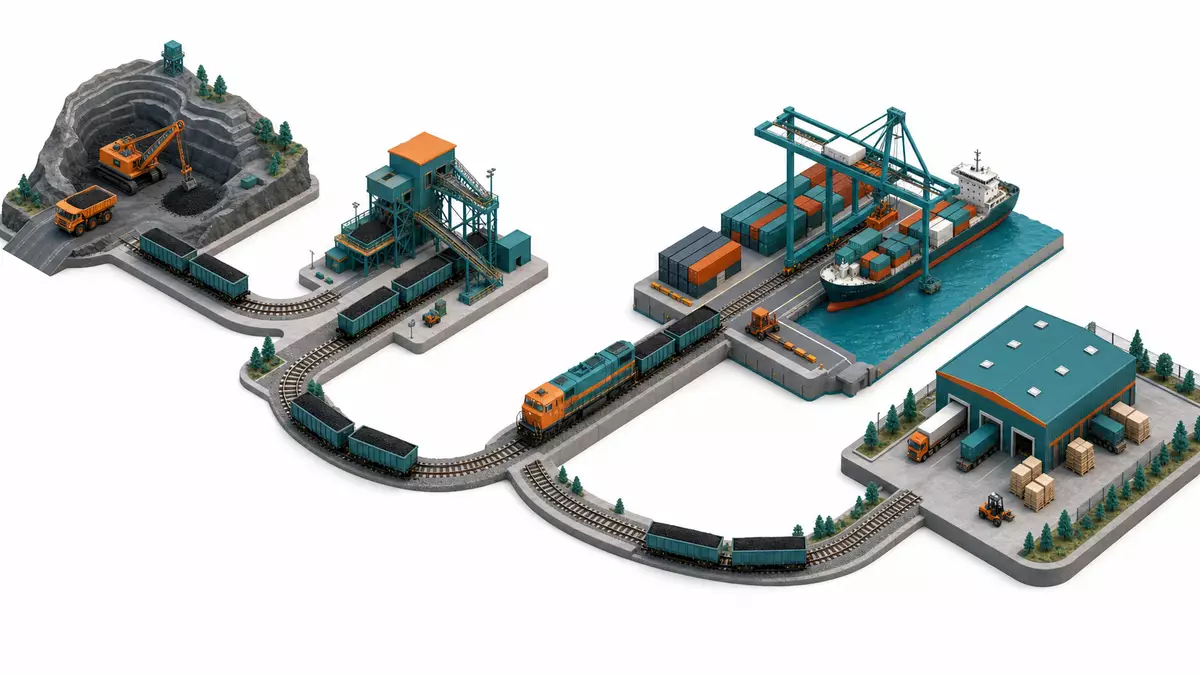
Intermodal services, which combine rail with trucking and other modes, are a central focus for CSX because they connect ports and inland terminals with consumer and industrial distribution centers. In periods of strong container imports and e-commerce growth, intermodal can deliver volume leverage without requiring proportionate increases in fixed assets. Over time, intermodal performance becomes a key differentiator versus both rail peers and over the road trucking, particularly on lanes where rail offers fuel and labor advantages.
More background on CSX fundamentals
For readers who want to explore CSX Corp.s financial details beyond this overview, including past earnings, segment data, and corporate presentations, the following links provide a starting point.
Network, capital investment, and efficiency
CSX operates a rail network that spans much of the Eastern United States, linking key metropolitan areas, ports, and industrial regions. This geographic footprint enables the company to generate substantial route density, which is essential for efficient scheduling, high asset utilization, and incremental economics on additional freight. Capital expenditures focus on track maintenance, rolling stock, terminals, and safety improvements, creating a balance between sustaining the current network and investing in capacity or technology that can drive future productivity gains.
The companys approach to efficiency includes deploying advanced train control systems, upgrading locomotives for fuel and reliability, and making targeted investments in digital tools that improve train planning and yard operations. These initiatives support the goal of running more consistent schedules, reducing dwell times, and cutting unnecessary movements, all of which contribute to a lower operating ratio. Over time, such efficiency programs can build a structural cost advantage relative to competitors and help CSX navigate periods of softer freight demand without disproportionate margin pressure.
Customer relationships and service metrics
Customer service is a critical component of CSXs value proposition, especially for shippers that rely on predictable transit times and reliable connections to ports and distribution centers. The company tracks metrics such as on time performance, car velocity, and terminal dwell to measure how effectively its network is serving customer needs. Higher service levels can encourage customers to shift freight from trucking to rail, particularly on medium and long haul routes where rail can offer cost and environmental advantages.
CSX also works with shippers to tailor solutions such as dedicated trains, specialized equipment, and customized terminal services. These offerings can deepen customer relationships and embed CSX more firmly in supply chains, potentially increasing the stability of volumes even in volatile macroeconomic conditions. Over many years, stronger service reliability and collaborative planning can enhance customer retention and support pricing discipline, contributing to the companys overall financial resilience.
Regulatory environment and safety focus
Like other major railroads, CSX operates within a regulatory framework that addresses safety, labor, environmental standards, and certain aspects of economic oversight. Safety regulations span areas such as track inspection, locomotive standards, crew training, and hazardous materials handling. As a result, CSX devotes meaningful resources every year to safety programs, equipment upgrades, and compliance processes that help reduce incident rates and support long term operational continuity.
Environmental considerations also shape CSXs strategy, especially as shippers increasingly prioritize lower emissions freight solutions. Rail is generally more fuel efficient than trucking on a ton mile basis, and CSX can leverage this advantage when engaging customers and designing intermodal offerings. Investments in more efficient locomotives, idling reduction technologies, and train handling practices contribute not only to fuel cost savings but also to emissions reductions, aligning the companys operations with broader sustainability trends.
Labor, technology, and operating model
Labor is a major cost component for CSX, and the companys workforce includes train crews, maintenance staff, terminal employees, and corporate functions. Relationships with labor unions and the structure of labor agreements can influence operating flexibility, staffing levels, and cost trajectories. Over time, CSX seeks to balance competitive compensation and work conditions with efficiency goals, making adjustments to scheduling practices, job roles, and training to support the operating model.
Technology plays an increasing role in CSXs operations, from data analytics platforms that monitor network performance to mobile tools for field employees. By analyzing real time and historical data on train movements, yard activity, and equipment condition, CSX can identify bottlenecks, prioritize maintenance, and refine dispatching decisions. These digital capabilities can help the company respond more quickly to disruptions, maintain service reliability, and further reduce costs, reinforcing the financial benefits of operational discipline.
Capital allocation and balance sheet
CSXs capital allocation framework generally includes funding necessary capital expenditures, maintaining a conservative balance sheet, and returning excess cash to shareholders through dividends and share repurchases. The companys debt profile is managed to keep interest costs and leverage at levels that support investment grade credit ratings, which can be important for accessing capital markets on favorable terms.
Dividends provide a regular cash return to shareholders, while buybacks may be used to adjust the share count over time. The interplay between earnings growth, capital expenditure requirements, and leverage dictates how much flexibility CSX has in its capital return programs each year. For many investors, the stability and predictability of these programs, alongside the companys earnings trajectory, form a key part of the investment thesis.
Peer landscape and competitive factors
CSX competes primarily with other Class I U.S. railroads, trucking companies, and intermodal providers. Peer comparisons often focus on operating ratio, revenue growth, margin trends, and network characteristics. For example, investors may compare CSXs revenue mix and cost structure with western U.S. railroads or Canadian carriers to gauge relative performance and strategic positioning.
Competitive dynamics can vary by corridor and commodity. In some lanes, trucking may offer faster transit times or more flexible scheduling, while in others, rail holds an advantage on cost or capacity. CSXs strategic initiatives thus target areas where the company can broaden its service offerings, improve transit reliability, or collaborate more closely with trucking partners to create compelling intermodal options. Over time, these efforts aim to protect and grow volumes and to maintain CSXs relevance in evolving supply chains.
Macro environment and freight demand
Freight demand for CSX is sensitive to macroeconomic factors such as industrial production, housing starts, consumer spending, and energy markets. Changes in these indicators can influence volume across segments; for instance, stronger construction activity may support shipments of lumber and building materials, while shifts in energy policy and global coal demand can affect coal traffic. Management monitors macro trends closely when setting guidance and planning capacity.
Inflation, interest rates, and foreign exchange movements also shape the environment in which CSX operates, impacting both customer activity and the companys own cost base. Fuel prices, in particular, are a critical input cost, though fuel surcharges and operational efficiency can help offset volatility. Over longer horizons, structural trends such as reshoring, e-commerce growth, and infrastructure investment can create new freight opportunities or reshape existing ones, providing CSX with a changing landscape in which to apply its network.
Long term themes and investor perspective
From a long term standpoint, CSX stock offers exposure to themes such as North American industrial activity, intermodal growth, and the ongoing optimization of rail operations through technology and process improvements. Investors assessing CSX often weigh factors like operating ratio progress, capital discipline, network advantages, and the resilience of customer demand across cycles.
The companys ability to adapt to regulatory changes, maintain safety standards, and align with environmental objectives also plays into its risk profile and potential attractiveness for sustainability focused portfolios. Over time, sustained execution on efficiency and service, alongside disciplined capital deployment, can support earnings and cash flow streams that underpin CSXs valuation on the stock market.
Representative service offering
CSX provides a range of integrated freight transportation services, including rail, intermodal, and related logistics solutions. These services connect origins and destinations for shippers across sectors such as chemicals, agriculture, metals, forest products, automotive, and consumer goods. The breadth of service offerings allows CSX to participate in diverse supply chains and to tailor solutions that meet varying transit time and cost requirements.
CSX stock in the market
CSX stock trades on Nasdaq under the CSX symbol and reflects investor views on the companys earnings prospects, balance sheet strength, and competitive position among North American railroads. Share price movements respond to quarterly results, guidance updates, and changes in freight demand expectations, as well as broader market sentiment toward industrial and transport equities.
CSX Corp. key data
- Company: CSX Corp.
- ISIN: US1264081035
- Ticker: NASDAQ: CSX
- Trading venue: Nasdaq
- Sector / Industry: Industrials / Railroads
- Index membership: S&P 500
Disclaimer regarding our articles: No investment advice, no buy or sell recommendation. Information on prices, companies, and markets is provided without guarantee; changes are possible at any time. Stock market transactions can lead to substantial losses. Our articles are created and reviewed in whole or in part automatically with the support of AI.