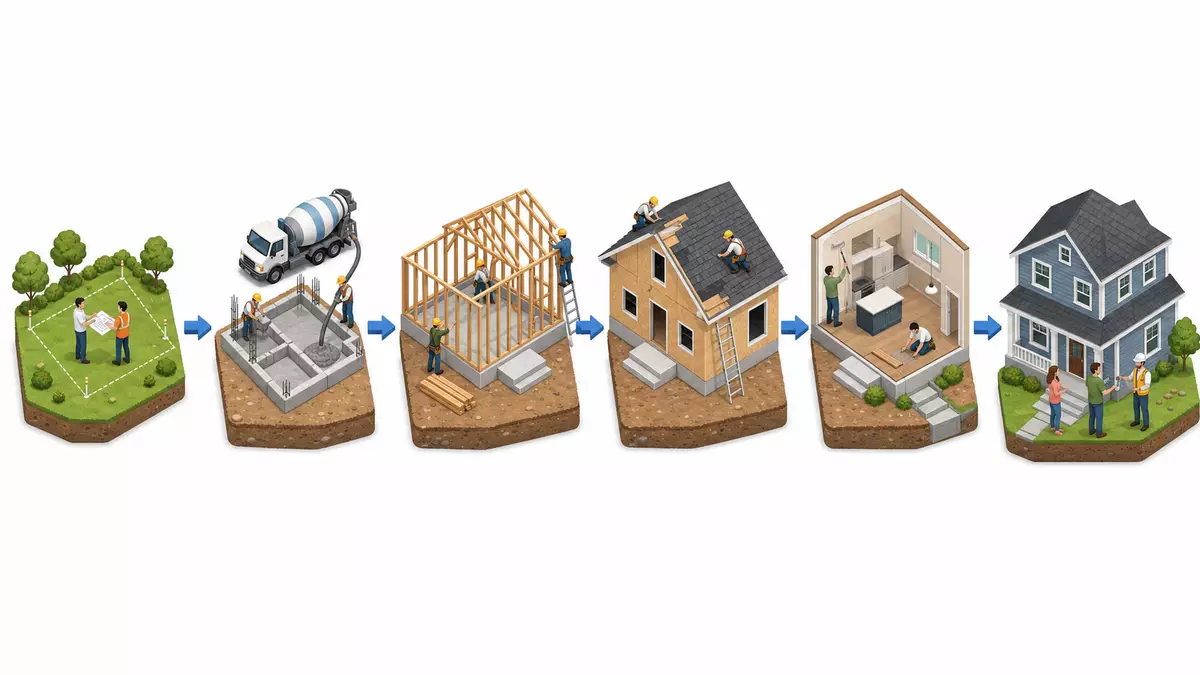
D.R. Horton stock trades near record levels as strong homebuilding demand supports earnings momentum
Published on 07/20/2026 at 03:41 | Editorial responsibility: Rafael Müller, Editor-in-Chief AD HOC NEWS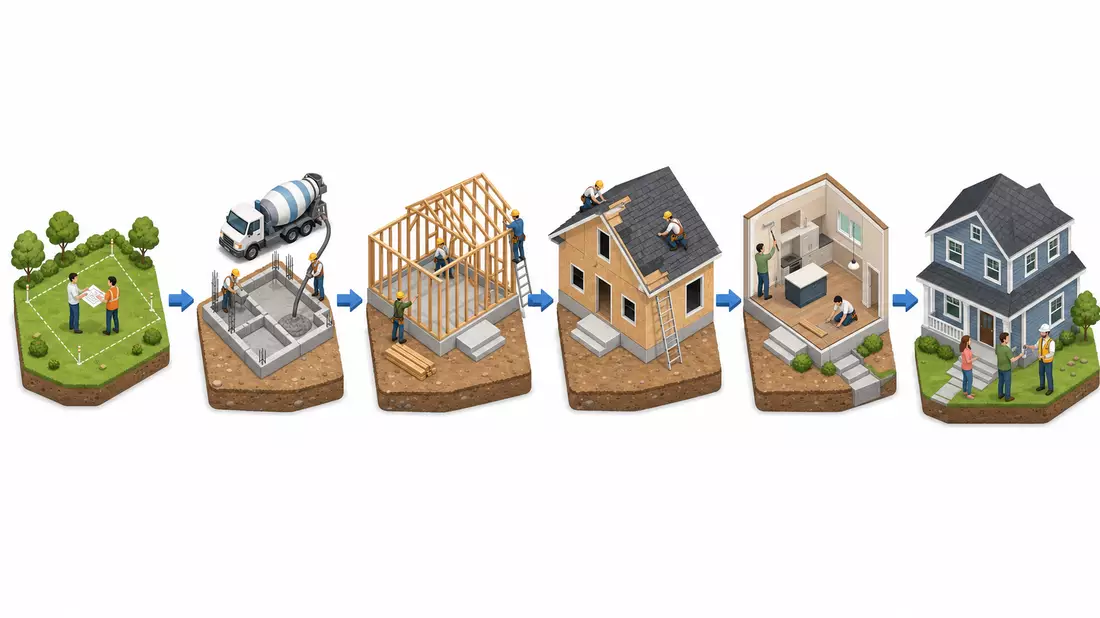
D.R. Horton stock continues to reflect the companys position as the largest US homebuilder, with recent financial results underscoring resilient demand for new homes despite higher mortgage rates. In its fiscal second quarter ended 31 March 2024, the company reported consolidated net sales revenue of $9.1 billion, up around 14% from approximately $8.0 billion in the same period a year earlier, according to the companys quarterly update available on its Investor Relations site. That growth was driven by strong home delivery volumes and continued pricing discipline in key markets, signaling that underlying demand remains robust in 2024.
In the same fiscal second quarter 2024 release, D.R. Horton highlighted that it closed 22,548 homes, an increase from roughly 19,600 homes in the prior year quarter, illustrating a double digit rise in delivery volumes with demand spread across entry level, move up, and active adult communities. This growth in unit closings, combined with careful cost management, supported higher profitability. Net income attributable to D.R. Horton for the quarter reached approximately $1.1 billion, up from about $0.9 billion a year earlier, as operating margins benefited from scale and favorable land positions secured in prior periods. The companys earnings per share for fiscal Q2 2024 also rose significantly, reflecting the stronger revenue base and efficiency gains in construction and overhead.
The companys order trends underpin the revenue growth story. According to the same fiscal Q2 2024 communication from D.R. Horton, net sales orders in the quarter were roughly 25,000 homes, representing a meaningful increase versus the prior year period, supported by limited existing home inventory across many US markets and buyers willingness to prioritize new construction for modern layouts and energy efficient features. The dollar value of these net sales orders climbed to about $8.8 billion compared with around $7.0 billion in fiscal Q2 2023, signaling strong visibility on future revenue. For investors, the order book is a key indicator of near term performance, and D.R. Hortons higher order value points to sustained momentum into the second half of fiscal 2024.
Revenue up double digits
The revenue and profit dynamics for D.R. Horton over the wider fiscal backdrop highlight how the builder has adjusted to a changing rate environment. In its fiscal year 2023, which ended on 30 September 2023, the company reported consolidated revenues of approximately $35.5 billion, slightly below the more elevated levels seen in fiscal 2022 when ultra low rates and pandemic driven demand boosted activity, but still representing a strong performance relative to longer term history. According to D.R. Hortons annual report information, homebuilding revenues remained the dominant contributor, while its financial services segment added a smaller but supportive share through mortgage and title services associated with its home sales.
Within that fiscal year 2023 context, net income attributable to D.R. Horton was around $4.7 billion, maintaining a high margin profile in an environment of tighter affordability for buyers. The companys reported homebuilding pretax profit margin remained in the mid to high teens percentage range, as land acquisition discipline, construction cost management, and community level pricing contributed to resilient profitability. Compared with fiscal 2021 and fiscal 2022, the companys revenue base in fiscal 2023 was somewhat lower due to a normalization of demand from peak pandemic levels, yet still above the pre pandemic period, underscoring the structural undersupply of US housing as a support driver for homebuilders like D.R. Horton.
Order and backlog data provide another view of the companys trajectory. D.R. Horton indicated that its backlog at the end of fiscal Q2 2024 represented thousands of homes with a total value of several billion dollars, slightly below the exceptionally high backlog levels observed in fiscal 2021 and fiscal 2022 when demand outpaced production in many markets, but adequately supporting near term revenue conversions. The companys ability to convert backlog into closings efficiently has been a core strength, reducing cycle times and supporting cash flow. For investors assessing D.R. Horton stock, backlog trends can be an important gauge of future quarters performance, especially as regional demand patterns evolve and mortgage costs influence buyer timing.
Margins and cash flow support
D.R. Hortons profitability has been supported by both gross margins and operating leverage. The company has emphasized that its homebuilding gross margin for fiscal Q2 2024, while below the peak levels achieved in fiscal 2021 and fiscal 2022, remained healthy due to disciplined incentive use and careful community level pricing, helping offset higher input costs in materials and labor. Operating margin trends have also benefited from scale efficiencies across its national footprint, and the company has maintained a relatively low leverage profile compared with some smaller peers, enabling it to continue investing in land and community development without relying on aggressive borrowing.
Cash generation remains a key pillar of D.R. Hortons strategy. In its recent filings, the company reported strong operating cash flow driven by home deliveries and efficient working capital management, which in turn has supported share repurchases and dividends. D.R. Horton has returned capital to shareholders through regular dividends and opportunistic buybacks, while still funding growth investments. Dividend payments over recent fiscal years have grown gradually as earnings expanded, offering investors a combination of income and growth, although the yield remains moderate given the elevated share price level.
Balance sheet flexibility has also allowed D.R. Horton to pursue land positions in high growth markets. The company has described its land strategy as a mix of owned and controlled lots, with a significant portion under option agreements that reduce upfront capital intensity. This approach helps manage risk across cycles while giving D.R. Horton the ability to ramp up communities when demand is strong. Compared with historical practice, the company has placed increasing emphasis on shorter duration land investments to enhance returns and reduce exposure to long dated land holdings that can be more sensitive to economic swings.
Entry level focus and product mix
The product mix is an important driver of D.R. Hortons volume growth. The builder has focused significantly on entry level and first time buyer offerings, which tend to be more resilient during periods of higher interest rates because they address structural housing shortages and demographic trends. Communities under the D.R. Horton and Express Homes brands are designed to offer relatively attainable price points with standardized floor plans that support construction efficiency. According to company materials, a substantial share of its closings come from these entry level communities, which aligns with demographics such as millennial household formation and migration to Sun Belt states.
D.R. Horton also operates move up and active adult product lines that cater to buyers seeking larger homes or lifestyle oriented communities. These product categories benefit from equity built in prior homes and often from cash buyers less sensitive to mortgage costs. The mix of entry level, move up, and active adult provides diversification across buyer segments and price ranges, helping D.R. Horton manage cyclical shifts. Over recent quarters, the company has reported healthy demand across all three categories, with particular strength where local job markets and population growth are strongest.
In addition to traditional single family offerings, D.R. Horton has expanded into multifamily and rental housing. Through its rental housing initiatives, the company develops build to rent communities that respond to demand from households preferring rental arrangements or not yet able to purchase homes. This segment allows D.R. Horton to tap additional revenue streams and diversify across tenure types. The company has indicated that build to rent projects have become a more meaningful part of its pipeline, with completed units contributing to both rental income and potential capital recycling through portfolio sales.
Land, communities, and geographic reach
D.R. Hortons national footprint is a key differentiator. The company operates in dozens of metropolitan markets across the United States, including high growth regions in Texas, Florida, the Southeast, and parts of the West and Midwest. This geographic diversity helps mitigate localized slowdowns, as weakness in one area may be offset by strength in another. In fiscal reports, D.R. Horton has highlighted particularly strong demand in markets with favorable job growth, in migration, and limited resale inventory, such as several cities in Texas and Florida where the company has substantial community portfolios.
Community count is another metric closely watched by investors. D.R. Horton has reported hundreds of active selling communities, and it continues to open new communities as it converts land positions into build ready lots. The pace of community openings and closings influences revenue visibility and capacity to meet buyer demand. The company aims to maintain a balanced community portfolio across its regions and buyer segments, adjusting product offerings to local preferences and affordability conditions. Compared with some smaller regional builders, D.R. Hortons broad presence and large community base offer scale advantages and brand recognition.
Land acquisition and development strategy underpins this footprint. D.R. Horton purchases land and enters option contracts with a focus on risk adjusted returns, targeting markets with strong fundamentals and regulatory environments conducive to construction. The companys long experience navigating zoning, permitting, and infrastructure requirements helps it bring communities online efficiently. It also invests in amenities and neighborhood features that enhance buyer appeal, such as parks, trails, and access to schools and retail. These investments can support pricing and absorption rates, contributing to overall profitability.
Cost environment and supply chain
The broader cost environment remains an important factor for D.R. Horton. Over the past several years, homebuilders have faced rising input costs in materials including lumber, concrete, and steel, as well as labor costs driven by tight construction labor markets. D.R. Horton has responded by leveraging its scale to negotiate with suppliers and contractors, standardizing designs to increase efficiency, and adopting construction practices that reduce waste and cycle times. The company also utilizes technology solutions in scheduling and procurement to better coordinate trades and deliveries, helping to manage costs and maintain build quality.
Supply chain constraints that emerged during the pandemic have gradually eased, but certain materials and components can still face delays. D.R. Horton has described efforts to diversify supplier relationships and maintain inventory levels where necessary to avoid interruptions. Its size allows it to work closely with national and regional suppliers, mitigating some of the volatility smaller builders may experience. By focusing on cycle time reduction, the company aims to minimize the duration between land acquisition, vertical construction, and closing, which improves returns on capital and supports more predictable cash flows.
Labor availability is another key element. Construction labor markets in many US regions remain tight, particularly in high growth Sun Belt areas. D.R. Horton works with a broad network of subcontractors and trades, and its consistent volume can make it an attractive partner. The company also invests in safety and training initiatives to ensure that work sites meet regulatory standards and deliver homes to buyers on schedule. While wage pressures can influence margins, D.R. Hortons scale and planning help it manage these pressures more effectively than smaller peers.
Mortgage rates and buyer behavior
The interest rate backdrop is central to the homebuilding sector. As US mortgage rates moved higher from historic lows after 2021, affordability considerations became more prominent for buyers. D.R. Horton has responded with a mix of pricing strategies, incentives, and product offerings aimed at preserving affordability, particularly in entry level communities. Incentives such as rate buydowns financed through its financial services arm, closing cost support, or design upgrades can help buyers qualify for mortgages and feel more confident about their purchase.
Buyer behavior has also evolved as many households reassess housing needs following remote work trends and lifestyle changes. Demand for larger homes, dedicated office space, and proximity to amenities remains evident in many markets, supporting the move up and active adult segments. D.R. Horton designs communities and floor plans that address these preferences, including flexible spaces and energy efficient features like improved insulation, efficient HVAC, and smart home technology. These attributes can help offset concerns about utility costs and enhance the long term appeal of new homes compared with older existing inventory.
Limited resale inventory in many markets also supports the case for new construction. Homeowners with low rate mortgages obtained during 2020 and 2021 are often reluctant to sell, reducing the supply of existing homes on the market. This dynamic has directed more buyers toward new homes where builders like D.R. Horton can provide available inventory or quick move in options. As long as this lock in effect continues, homebuilders may benefit from relatively favorable demand conditions even in a higher rate environment, provided pricing and incentives remain aligned with buyer budgets.
Regulation, ESG, and building standards
Regulatory frameworks and building standards are important for D.R. Horton. The company operates under a complex web of local, state, and federal regulations covering zoning, environmental impact, building codes, and consumer protections. Complying with these standards requires careful planning and engagement with municipal authorities, but also provides a foundation for quality control and buyer confidence. D.R. Horton invests in processes to ensure that homes meet or exceed applicable codes, and it works with inspectors and regulators throughout construction.
Environmental, social, and governance considerations have become more prominent for many investors. D.R. Horton integrates energy efficiency and sustainability elements into its homes, such as insulation improvements, energy efficient appliances, and water saving fixtures in suitable markets. While new home construction inherently involves land use and resource consumption, modern building standards can improve efficiency compared with older housing stock. The company also emphasizes safety and compliance on building sites, and governance practices include board oversight and risk management frameworks suited to a large national builder.
From a community impact perspective, D.R. Horton contributes to housing supply and infrastructure in growing regions. New communities often involve investments in roads, utilities, and public amenities coordinated with local governments. While some developments can face opposition or concerns about traffic and environmental effects, the company works within regulatory processes to address those concerns and align its projects with broader planning objectives. For investors, understanding how D.R. Horton navigates these regulatory and community landscapes can be important in assessing long term risk and opportunity.
Dividend, capital returns, and balance sheet
D.R. Hortons use of capital is a key part of its investment case. The company generates substantial cash flow from operations and deploys it across land investment, community development, and shareholder returns. Dividends have grown over time, reflecting higher earnings and managements confidence in the business model. Although the yield is moderate, regular dividends provide income and signal continuity of performance. Share repurchases supplement dividends, reducing share count and potentially enhancing earnings per share when executed at valuations considered attractive by management.
The balance sheet supports this capital strategy. D.R. Horton has reported relatively low net debt levels compared with the scale of its operations, and it maintains access to credit facilities and bond markets when needed. By keeping leverage moderate, the company retains flexibility to navigate housing cycles and macroeconomic shifts. Rating agencies and market participants pay close attention to builders leverage, liquidity, and land positions, and D.R. Hortons profile in these areas has generally been considered conservative relative to some past cycles in the sector.
Capital allocation decisions also consider opportunities in adjacent businesses. The companys expansion into rental housing, multifamily, and potentially other related real estate segments requires investment, but management aims for projects that meet return hurdles aligned with shareholder interests. Over time, the mix of owned versus operated assets, and the extent of capital recycling through portfolio sales, will influence how D.R. Hortons earnings and cash flow evolve beyond core for sale homebuilding.
Sector backdrop and peers
D.R. Horton operates in a competitive landscape alongside other large US homebuilders and numerous regional and local firms. The broader sector performance often reflects macroeconomic indicators such as employment, wage growth, consumer confidence, and mortgage rate trends. During periods of strong job markets and household formation, builders can see increased demand, while economic slowdowns or rising unemployment can weigh on activity. D.R. Hortons scale and brand recognition help it compete effectively, but it must continuously adapt to changing conditions.
Peers in the sector also focus on entry level and move up segments, and analysts often compare builders on metrics such as gross margin, return on equity, community count, geographic mix, and leverage. D.R. Hortons leading position in volumes and revenues gives it a prominent role in such comparisons. Investors evaluating D.R. Horton stock may consider how its metrics stack up against peers and whether its strategies in land acquisition, product mix, and capital allocation position it favorably for the current cycle.
Sector wide factors such as building material availability, regulatory changes, or shifts in tax policy can influence all builders. D.R. Horton monitors these developments and adjusts operations and pricing as needed. Its experience across cycles provides a foundation for navigating both growth phases and slowdowns, although no builder is immune to broad macroeconomic shocks. Understanding the sector backdrop helps contextualize D.R. Hortons performance and the potential risks inherent in homebuilding investments.
Technology, digital tools, and customer experience
Technology adoption is increasingly important in homebuilding. D.R. Horton leverages digital tools to enhance both internal operations and customer experience. Internally, scheduling, procurement, and project management platforms help coordinate construction activities across multiple trades and suppliers, improving efficiency and oversight. These tools support cycle time reduction and quality control, two elements critical to profitability and reputation.
On the customer side, D.R. Horton offers online resources for homebuyers, including virtual tours, interactive floor plans, and digital documentation processes. Buyers can research communities, compare models, and initiate purchase steps through online channels, which has become more common since 2020 as many consumers grew accustomed to digital transactions. Mortgage prequalification and closing processes are also supported through digital interfaces within the companys financial services operations, streamlining the buyer journey.
As technology evolves, D.R. Horton may further integrate data analytics into its land acquisition and product planning decisions, using demographic and market information to identify promising locations and tailor offerings to local preferences. While homebuilding remains a physical, asset intensive business, technology can enhance decision making and efficiency across the value chain.
Representative product line
A representative example of D.R. Hortons product lines is its entry level single family homes designed for first time buyers, often marketed under streamlined brands with standard floor plans and energy efficient features. These homes typically offer three to four bedrooms, open concept living spaces, and modern kitchens, targeting households seeking attainable pricing and new construction benefits. Communities featuring such homes are frequently located in suburban areas of growth markets, providing access to schools, employment centers, and retail amenities.
D.R. Horton stock and market context
D.R. Horton stock is listed on the New York Stock Exchange, giving investors broad access through US and international brokerage platforms. The company is a constituent of the S&P 500 index, reflecting its size and significance in the US equity market. As of a recent market checkpoint in mid 2024, D.R. Horton shares traded near record levels, with a market capitalization measured in tens of billions of dollars, underscoring investor confidence in its earnings power and strategic positioning. The share price performance over the past several years has benefited from strong housing demand and the companys ability to translate that demand into revenue and profit growth.
For investors, D.R. Horton stock represents exposure to the US housing cycle, homebuilding margins, and broader macroeconomic trends. Evaluating the stock often involves assessing order trends, backlog, margins, land strategy, and capital allocation, alongside external factors such as mortgage rates and regulatory developments. While homebuilding is cyclical, structural housing undersupply in many US regions has provided a supportive backdrop, and D.R. Hortons scale and diversified footprint position it as a key beneficiary of continued demand for new homes.
D.R. Horton stock fact box
- Company: D.R. Horton Inc.
- ISIN: US23331A1097
- Ticker: NYSE: DHI
- Trading venue: NYSE
- Sector / Industry: Consumer Discretionary / Homebuilding
- Index membership: S&P 500
Disclaimer regarding our articles: No investment advice, no buy or sell recommendation. Information on prices, companies, and markets is provided without guarantee; changes are possible at any time. Stock market transactions can lead to substantial losses. Our articles are created and reviewed in whole or in part automatically with the support of AI.