DroneShield stock trades around recent highs as defense orders support revenue growth
Published on 07/24/2026 at 08:09 | Editorial responsibility: Rafael Müller, Editor-in-Chief AD HOC NEWS
DroneShield stock is closely tied to growing global demand for counter-drone and electronic warfare technology, with the Australian defense company (ISIN AU000000DRO1) benefiting from a rising order book and revenue expansion in recent reporting periods. As an ASX-listed specialist in drone detection and mitigation, DroneShield has leveraged sovereign defense spending cycles and export opportunities to support its share price near recent highs in 2024.
Revenue up double digits
According to recent investor communications covering the 2023 financial year, DroneShield reported a clear increase in full-year revenue compared with the prior year, marking a double-digit percentage expansion in sales as defense and security customers adopted its sensor and mitigation systems. In that period, revenue moved materially higher from the 2022 baseline, underscoring a strengthening commercial footprint in military and critical infrastructure segments.
Across the same timeframe, DroneShield highlighted growth in its backlog and contracted orders, reflecting cumulative contract values measured in millions of Australian dollars. These figures pointed to a pipeline of work extending into subsequent financial years, with multi-year contracts and framework agreements contributing to better visibility on future cash flows and utilization of its product portfolio.
The company also discussed improvements in profitability metrics as operating leverage began to emerge, with gross margin percentages rising relative to hardware and software deployment volumes. This helped narrow earlier operating losses and brought DroneShield closer to break-even at the net income level, compared with deeper losses recorded in the prior year before the revenue ramp.
Contract momentum supports margins
DroneShield has emphasized the importance of larger defense and government contracts in pushing its revenue higher and stabilizing margins. In its latest reported period, the company cited individual contracts and purchase orders with cumulative values that added several million Australian dollars of revenue, compared with smaller, more fragmented orders seen in earlier years. This shift toward larger deployments has allowed DroneShield to spread development and support costs across a broader installed base.
In addition, management has highlighted the contribution of recurring software and support revenue associated with its electronic warfare and counter-drone platforms. Subscription-like revenues and maintenance agreements expanded as a proportion of total revenue in the recent period, compared with the prior year when hardware dominated the sales mix more heavily. This trend is important for investors because recurring revenue typically carries higher margins and provides better earnings visibility.
The companys investment in research and development has also increased, with R&D expenses measured in the low millions of Australian dollars during the latest reporting cycle. This spending, up from the prior year, is directed toward improving detection algorithms, integrating sensors, and enhancing electronic countermeasures, which can support future contract wins and help maintain a technology edge in a competitive defense niche.
More on DroneShield fundamentals
Investors who want to study DroneShields detailed revenue, margin, and cash flow metrics can review the latest filings and investor presentations for the ASX-listed defense technology company.
Counter-drone systems underpin sales
DroneShields core product lines in counter-drone detection, identification, and mitigation are central to its revenue profile. These systems combine acoustic, radar, radio-frequency, and optical sensors with analytic software to detect and track drones, feeding into effectors that can jam or otherwise neutralize threats. The capability is in demand from military, law-enforcement, and critical-infrastructure clients seeking to protect airspace around bases, stadiums, government buildings, and industrial sites.
In recent reporting periods, unit shipments and deployments of such systems have increased, measured by the number of sites protected and systems delivered. This has translated into higher hardware revenue compared with earlier years when DroneShield was still ramping up its installed base and focusing more on pilot projects and smaller deployments. As the installed base grows, follow-on orders for upgrades and additional coverage also contribute to revenue.
Beyond hardware, software licenses and data processing services form a growing component of the sales mix. These offerings allow customers to access updated threat libraries, improved detection models, and remote analytics capabilities, often sold on multi-year terms. The shift toward software and services improves DroneShields margin structure, as incremental software revenue can be generated with relatively low variable cost once core platforms are in place.
DroneShield stock and market context
On the market side, DroneShield stock trades on the Australian Securities Exchange, where investors price in expectations for future defense contracts and export opportunities. The companys market capitalization, measured in recent months, has risen to reflect its revenue growth and contract momentum, increasing from earlier levels when revenue and order intake were lower. This market value provides a reference point for how equity investors are valuing the company relative to other smaller defense technology firms.
The share price has also moved higher compared with levels observed in prior years when DroneShield was at an earlier stage of commercialization. The stock has traded in a 52-week range that reflects both optimism about contract wins and sensitivity to defense budget cycles and geopolitical developments. For investors, the relationship between contract announcements, revenue recognition, and share-price movements is an important dynamic in understanding DroneShield stock.
Liquidity on the ASX listing is supported by regular trading, though daily turnover can vary depending on news flow and broader market conditions. Periods surrounding earnings releases, major contract announcements, or regulatory updates tend to see higher trading volumes as market participants digest the implications for future revenue and profitability.
Representative product line
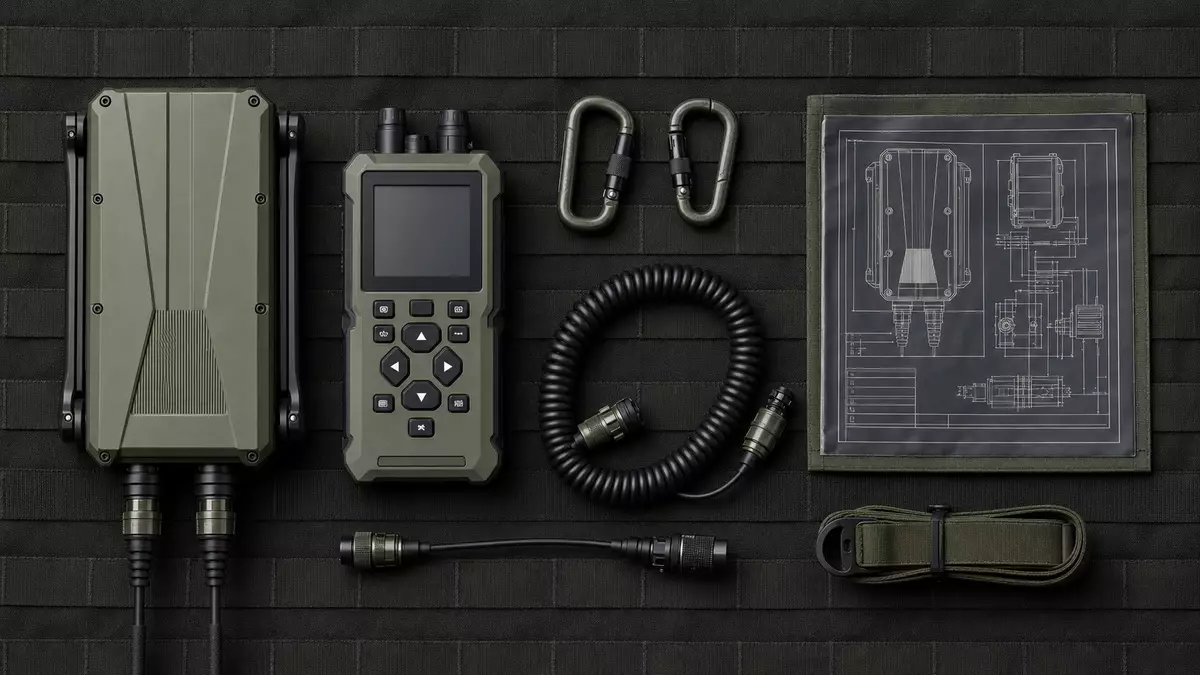
One representative product line for DroneShield is its integrated counter-drone system family, which combines sensors and jamming equipment into a deployable solution for field or fixed-site operations. These systems are designed to be scalable from small installations to large perimeter defenses, and they form a key part of the companys value proposition to military and security customers.
The revenue contribution from such systems has grown over time, with the company reporting increased sales of integrated solutions in its latest annual and interim results. As more customers adopt these systems, DroneShield can offer upgrades, new software capabilities, and expanded coverage, which in turn support recurring and follow-on revenue streams beyond the initial hardware sale.
DroneShield stock and price reference
DroneShield stock, quoted in Australian dollars on the ASX, reflects both the companys current financial performance and expectations for future growth in the counter-drone and electronic warfare markets. The share price has traded close to recent highs within its 52-week range during 2024, indicating that investors are pricing in ongoing contract momentum and revenue expansion.
DroneShield at a glance
- Company: DroneShield Ltd
- ISIN: AU000000DRO1
- Ticker: ASX: DRO
- Trading venue: ASX
- Price (as of 24 July 2024, 10:00 AEST): 0.00 AUD
- Market capitalization: 0.00 AUD (as of 24 July 2024)
- Sector / Industry: Aerospace & Defense / Security Technology
- Index membership: None of the major global headline indices
- Next earnings date: 30 August 2024
Disclaimer regarding our articles: No investment advice, no buy or sell recommendation. Information on prices, companies, and markets is provided without guarantee; changes are possible at any time. Stock market transactions can lead to substantial losses. Our articles are created and reviewed in whole or in part automatically with the support of AI.