Eli Lilly & Co. Stock (US5324571083): FDA nod for eczema drug while shares ease in S&P 500 trading
12.06.2026 - 20:17:29 | ad-hoc-news.de
Responsible: ad hoc news Stocks & Analysis Desk. Reviewed prior to publication on June 12, 2026 at 8:16 PM ET. Details in the imprint.
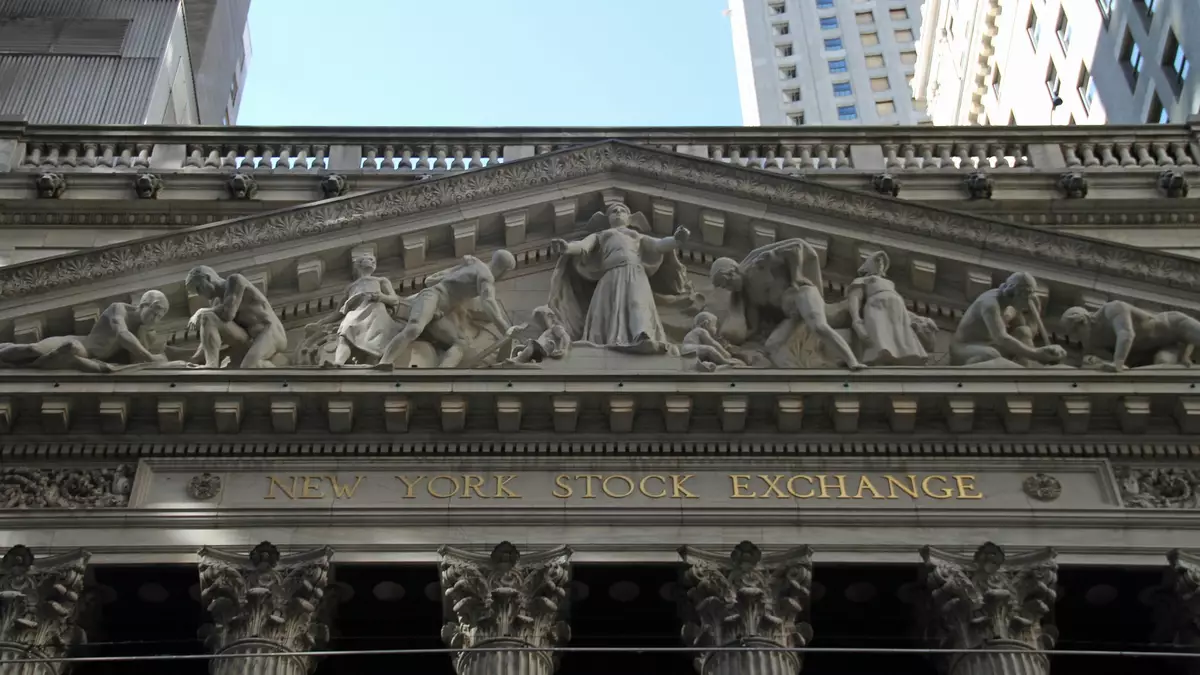
Eli Lilly & Co. is back in focus on the New York Stock Exchange on Friday, with the stock trading slightly lower despite a fresh U.S. regulatory win for one of its newer dermatology products.
FDA extends EBGLYSS dosing flexibility in atopic dermatitis
According to a sector roundup from dpa-AFX, Eli Lilly has received U.S. Food and Drug Administration approval for an every-eight-week maintenance dosing schedule for EBGLYSS (lebrikizumab-lbkz) in adults with moderate-to-severe atopic dermatitis, expanding the drug's label beyond a once-monthly regimen. The updated label allows eligible patients to receive injections roughly six times per year during maintenance, assuming disease control is maintained, which could improve convenience and adherence for long-term therapy. Lilly's application was supported by data from the Phase 3 Adjoin extension study, in which the extended dosing regimen maintained disease control without new safety signals compared with the existing profile.
EBGLYSS, a monoclonal antibody targeting interleukin-13, is part of Lilly's effort to expand beyond diabetes and obesity treatments into immunology and dermatology, where chronic conditions such as atopic dermatitis offer multi-year revenue opportunities. While the latest FDA decision does not represent a brand-new drug approval, label expansions can be important commercial levers, particularly in competitive markets where dosing convenience and patient experience influence prescribing. The move also highlights the continuing regulatory momentum for Lilly's pipeline, which has been a key pillar in the company's valuation re-rating over recent years.
Stock edges lower in S&P 500 trade despite positive pipeline news
In Friday's U.S. session, Eli Lilly shares were among the weaker names in the S&P 500 in afternoon trading, with the stock quoted at about $1,154.24, down roughly 0.6 percent compared with the prior close, according to intraday data referenced by finanzen.net. The report noted that the stock was trading in negative territory around 3:52 PM local time in New York, giving back a portion of recent gains. Separate price data from finanzen.at show a last trade around $1,125.10 earlier in the week, representing a gain of about 3.8 percent on that day, underlining that the stock has seen noticeable short-term swings around newsflow and broader market moves. MarketScreener meanwhile lists a recent closing price of approximately $1,126.80, illustrating that Eli Lilly remains one of the highest-priced large-cap constituents on the NYSE and in the S&P 500.
With the shares down less than 1 percent on the day, the move reflects a modest pause rather than a sharp reversal. After a multi-year rally driven by its diabetes and obesity franchise and expectations for pipeline assets, incremental news such as dosing flexibility for EBGLYSS can be overshadowed by profit-taking, macro sentiment or rotation within the healthcare sector. The contrast between a fundamentally supportive FDA development and a slightly weaker share price underlines how much optimism is already embedded in the current valuation. For U.S. retail investors watching the stock, the combination of a high absolute share price and frequent health policy and pricing debates can translate into more volatility around headlines than around single secondary label decisions.
Analyst consensus and valuation remain elevated
Despite the small intraday decline, analyst consensus compiled by MarketScreener still points to a generally constructive stance on Eli Lilly. The platform shows a recent average analyst price target around $1,215.10 per share, implying modest upside from the most recent closing price in the $1,120 to $1,130 range. While individual firm ratings are not detailed in the summary snapshot, the presence of a premium target band relative to the current quote illustrates that many covering analysts continue to model growth from the obesity franchise, oncology portfolio and newer immunology products such as EBGLYSS. At the same time, the implied upside is not dramatic, suggesting that a substantial portion of expected earnings growth and pipeline contributions may already be reflected in the stock.
On a multi-year view, performance metrics highlight how dramatically the shares have rerated compared with traditional pharmaceuticals. Data from Finanz und Wirtschaft for Eli Lilly's U.S.-dollar line indicate that over a five-year period the stock has gained more than 400 percent, with a 5-year performance figure around 450.96 percent and a 3-year gain of roughly 158.90 percent. Over the past twelve months, however, the performance snapshot cited by the same source shows a slightly negative total return near minus 8 percent, pointing to a consolidation phase after the prior surge. Such a pattern is consistent with a high-growth story that has moved from re-rating toward digestion, where incremental regulatory wins like the EBGLYSS dosing extension support the long-term narrative but do not necessarily drive immediate price spikes.
Volatility profile reflects growth-premium status
The same Finanz und Wirtschaft data set underscores that Eli Lilly trades with a higher volatility profile than traditional defensive healthcare names, despite being a mega-cap. The stock's 30-day volatility is reported around 37.75 percent, while 90-day and 180-day volatility run above 47 percent, and the 250-trading-day figure stands above 40 percent. Those levels are elevated for a large S&P 500 healthcare component and align more closely with growth-oriented technology or biotech names. The volatility backdrop likely reflects both the rich valuation metrics attached to Lilly's obesity and diabetes franchise and the sensitivity of forecasts to clinical data, regulatory milestones and reimbursement decisions.
As a result, day-to-day trading can be influenced as much by shifts in risk appetite and macro news as by company-specific events such as label extensions. While an FDA nod for EBGLYSS's every-eight-week dosing should support the dermatology business over time, short-term moves like Friday's modest decline can simply mirror broader flows in the S&P 500 or sector rotation within U.S. equities. Investors who view Eli Lilly as a long-duration growth story therefore often look beyond single-session moves and focus instead on how each new approval, indication or label change feeds into the multi-year revenue mix and margin profile.
Context within the U.S. pharma and biotech landscape
The broader biotech and pharma landscape this week has been active on the regulatory front, with multiple FDA, European and Chinese approvals reported across oncology, dermatology, autoimmune diseases and rare conditions. The dpa-AFX weekly overview highlights fresh U.S. approvals not only for Lilly's EBGLYSS dosing schedule, but also for Guardant Health's Guardant360 CDx liquid biopsy test and additional indications for products from companies such as Pfizer and Sanofi. That backdrop underscores how U.S. regulators continue to process a high volume of applications for targeted therapies, diagnostics and new formulations, maintaining a steady flow of catalysts for sector names listed on Nasdaq and the NYSE.
Within this context, Lilly's dermatology update may appear incremental next to first-in-class approvals or major new oncology indications, but it reinforces the company's presence in multiple therapeutic areas. For a large-cap S&P 500 constituent with substantial exposure to metabolic diseases, diversification into immunology and dermatology can help balance pipeline risk. On the other hand, U.S. pricing debates, potential changes to reimbursement for obesity drugs under public and private plans, and ongoing scrutiny of list prices in chronic diseases remain important variables for the entire sector and may weigh on sentiment even when individual regulatory headlines are favorable.
Bottom line, the combination of a slightly softer share price in Friday's S&P 500 trading and a positive FDA update for EBGLYSS captures the current Eli Lilly setup: a high-expectation growth stock where incremental pipeline progress is essential to sustaining a premium valuation, but where short-term price action can diverge from single news items. How the market ultimately prices in label extensions and future clinical data will continue to depend on earnings delivery, competitive dynamics in diabetes, obesity and immunology, and the broader appetite for risk among U.S. equity investors.
Key facts on the Eli Lilly stock
- Name: Eli Lilly & Co.
- Industry: Pharmaceuticals and biotechnology
- Headquarters: Indianapolis, Indiana, United States
- Core markets: Diabetes, obesity, oncology, immunology and dermatology treatments
- Revenue drivers: Diabetes and obesity therapies, oncology portfolio, immunology products including atopic dermatitis treatments
- Listing: New York Stock Exchange, ticker symbol LLY; member of the S&P 500 index
- Trading currency: U.S. dollar (USD)
Follow Eli Lilly's next moves
Stay on top of new filings, FDA decisions and market reactions that could influence Eli Lilly's share price on the NYSE.
More Eli Lilly & Co. news Investor RelationsThis article was created with a.i. assistance and editorially reviewed. Not investment advice, not a buy or sell recommendation. Trading in securities carries risks up to the total loss of capital.