Elia stock holds firm as grid investments reshape earnings profile
Published on 07/17/2026 at 16:18 | Editorial responsibility: Rafael Müller, Editor-in-Chief AD HOC NEWS
Elia Group SA/NV (ISIN BE0003822393) sits at the center of the European electricity transition, and Elia stock reflects a business that is both capital intensive and underpinned by long term regulatory frameworks. As a listed transmission system operator, Elia generates most of its earnings from regulated grid activities and is investing heavily in reinforcement and expansion of its network to support renewable integration and cross border capacity. For investors, the interplay between rising capital expenditure, regulated asset base growth, and allowed returns is central to understanding how Elia stock may respond to future earnings developments.
Regulated asset base drives earnings
Elia Group operates high voltage transmission grids that transport electricity over long distances and connect large generation assets and major consumption centers. In Belgium, Elia is the national transmission system operator, managing a network of substations, overhead lines, and underground cables that span the country and link it with neighboring systems. In Germany, the Group controls the TSO 50Hertz, which is responsible for grid operations in large parts of eastern and northeastern Germany. These two regulated businesses form the economic backbone of Elia Group and collectively represent a substantial regulated asset base upon which returns are calculated.
In a typical fiscal year, Elia earns regulated revenues based on tariffs approved by national regulators. These tariffs are set to recover efficiently incurred operating costs, depreciation, and a fair return on the invested capital in the grid. The regulated asset base grows as Elia undertakes new investments in reinforcement, interconnections, and offshore wind integration infrastructure. When the RAB rises, allowed revenues and earnings increase, usually with a lag corresponding to regulatory periods. This dynamic means that Elia stock is less about short term price movements and more about the pace and size of investment programs and regulatory decisions.
Revenue growth underpins Elia stock
Over recent reporting periods, Elia Group has typically shown revenue trajectories that reflect both its Belgian and German operations. Revenue growth often stems from increases in the regulated asset base and from new infrastructure projects that enter service. For example, when Elia completes a major interconnection line or a new offshore grid platform, the associated assets are included in the regulatory base and start generating tariff revenue. This mechanism drives a gradual rise in the Group’s top line, with the precise percentage changes varying from year to year as projects are commissioned and tariff decisions take effect.
In addition to regulated revenues, Elia can earn income from ancillary services and certain non regulated activities. Such services might include system balancing, reactive power management, or the provision of grid capacity for specific industrial customers. However, by far the dominant part of Elia’s turnover comes from the regulated transmission businesses in Belgium and Germany, meaning that investors in Elia stock tend to focus on regulatory frameworks, allowed returns, and the company’s investment pipeline rather than on discretionary commercial ventures.
Offshore wind and interconnectors reshape the grid
A major strategic theme for Elia Group is the integration of offshore wind generation into the onshore grid. In the North Sea, Belgium and Germany are building large clusters of offshore wind farms that feed power back to shore through high voltage cables and substations. Elia, through its Belgian operations and its German subsidiary 50Hertz, plays a critical role in connecting these offshore assets to the main transmission network. This requires the construction of offshore platforms, export cables, and onshore connection points that can handle high volumes of variable renewable energy.
Offshore integration projects are usually costly and technically complex, but they also expand the regulated asset base significantly. For example, a single offshore wind connection project can represent hundreds of millions of euros in capital expenditure. Once these assets are commissioned and accepted by regulators, they generate revenue for decades under tariff systems designed to reflect their cost and contribution to grid reliability. For Elia stock, this means that periods of heightened offshore investment often coincide with a rising asset base and a potential uplift in future earnings, even if near term free cash flow is constrained by construction spending.
Transmission security and grid stability
As a transmission system operator, Elia’s core mandate goes beyond financial metrics. The company must maintain system security, balance supply and demand in real time, and coordinate with neighboring TSOs to ensure that cross border flows are managed without overloading lines or endangering stability. This operational role has direct economic implications, because regulators typically incentivize reliability and penalize outages or poor performance. Elia therefore invests not only in new capacity but also in digital control systems, maintenance, and upgrades to existing infrastructure.
Grid stability is becoming more challenging as the share of intermittent renewable generation rises. Traditional power plants provided inertia and predictable output, whereas wind and solar are more variable and depend on weather conditions. Elia must adapt its system management tools, develop advanced forecasting, and install technologies such as phase shifting transformers or flexible AC transmission systems to handle changing flows. These initiatives require capital and operational expenditure but also feed into the long term efficiency and reliability of the network, factors that influence regulatory assessments and allowed returns.
Capital expenditure and financing profile
Elia Group’s investment cycle is intense, reflecting the need to expand and modernize the transmission network. Annual capital expenditure tends to be substantial, often amounting to hundreds of millions or more, as the company undertakes multiple large projects in parallel. Such projects can include new high voltage corridors, upgrades to existing lines to increase capacity, the installation of new substations, and the laying of high voltage direct current links to integrate remote generation or connect national grids.
To finance this investment, Elia can rely on a mix of operating cash flows, debt issuance, and occasionally equity financing. Because its revenues are largely regulated and recurrent, Elia can typically secure long term financing on competitive terms. The company’s balance sheet therefore reflects significant property, plant, and equipment assets and corresponding long term liabilities. Investors in Elia stock often analyze leverage ratios, interest coverage, and maturation profiles of debt to assess financial resilience. Higher leverage is common in regulated network businesses, but regulators usually consider financial stability when determining allowed returns and tariff structures.
Dividend policy and shareholder returns
Like many regulated utilities and infrastructure companies, Elia Group seeks to offer its shareholders a combination of earnings growth and stable distributions. The company’s dividend policy is typically calibrated to its investment needs and earnings outlook. In years when capital expenditure is particularly high, management might choose a payout ratio that balances shareholder returns with the requirement to retain earnings for reinvestment. Conversely, as major projects enter service and earnings become more robust, there can be scope for dividend increases.
For investors, the predictability of Elia’s dividends and the visibility of its investment pipeline are critical. Elia stock is often considered in the context of long term income and stability rather than short term speculative gains. The combination of regulated revenue, growing asset base, and disciplined capital allocation can be attractive for those looking at infrastructure exposure within a diversified portfolio, provided that regulatory frameworks remain supportive and financing conditions do not deteriorate sharply.
Regulatory frameworks in Belgium and Germany
Elia’s Belgian operations are regulated by the national authorities responsible for energy and electricity markets. Tariff methodologies in Belgium define how Elia can recover its efficiently incurred costs, including operating expenditure and depreciation, and how a fair return on the regulated asset base is calculated. These methodologies are periodically reviewed, and changes can affect the company’s earnings trajectory. Elements such as allowed return on equity, incentive schemes for efficiency, and mechanisms for dealing with unforeseen costs are central to Elia’s financial outcomes.
In Germany, 50Hertz operates under regulatory frameworks set by the Federal Network Agency. German regulation also relies on tariff systems and defined returns on capital. The presence of different regulatory regimes in Belgium and Germany means that Elia Group must navigate distinct sets of rules and expectations. However, both jurisdictions share a common focus on secure grid operation, support for the energy transition, and fair pricing for consumers and industry. For Elia stock, the combined effect of these frameworks shapes the Group’s earnings and investment conditions.
Energy transition and policy drivers
European energy policy is evolving rapidly as governments pursue decarbonization targets and seek to expand renewable generation. Transmission system operators such as Elia are vital in achieving these objectives. Policy initiatives that support offshore wind, cross border interconnections, and accelerated electrification of industry and transport all require grid reinforcement and new infrastructure. Elia’s investment pipeline is therefore closely linked to national and European policy signals.
When policy frameworks are clear and stable, Elia can plan multi year projects and coordinate with regulators and stakeholders. Investment decisions in high voltage lines and offshore platforms have long lead times and require certainty about cost recovery and returns. Policy changes that affect tariffs, environmental permitting, or technology choices can influence project timelines and risk profiles. Investors in Elia stock therefore pay close attention to developments in energy and climate policy, as these may impact both the scale of future investments and the mechanisms through which they are remunerated.
Operational challenges and innovation
Operating a large transmission network involves numerous technical and logistical challenges. Elia must manage maintenance schedules, respond to unexpected incidents, and coordinate planned outages to minimize impacts on consumers. Weather events, equipment failures, or third party activities can affect grid assets. To address these risks, Elia deploys monitoring systems, predictive maintenance tools, and contingency procedures designed to preserve reliability.
Innovation also plays a growing role. Digitalization of grid operations, advanced sensors, and data analytics can help Elia optimize asset use and extend equipment lifetimes. Distributed control systems enable more flexible management of flows, especially in areas with high renewable penetration. Investments in innovation are not purely discretionary; they can improve efficiency, lower operating costs, and enhance system security, all of which may ultimately benefit Elia’s regulated earnings profile. For Elia stock, the ability of the company to integrate innovation into its operations can support long term value creation.
Cross border flows and market integration
Elia’s grids are not isolated. Belgium and Germany both participate in integrated European electricity markets with significant cross border flows. Interconnectors link national systems and allow power to be traded across borders, smoothing out differences in supply and demand and supporting price convergence. Elia’s responsibility includes managing these interconnectors and coordinating with neighboring TSOs to allocate capacity and ensure safe operation.
Market integration has economic consequences. Increased cross border capacity can reduce price volatility and enhance security of supply. It can also influence the utilization of generation assets and the value of flexibility services. Elia’s investments in interconnectors therefore have both technical and economic dimensions. From a stock market perspective, successful cross border projects can enhance Elia’s strategic positioning in the European grid landscape and underline its relevance as an infrastructure provider in a continent wide electricity market.
Corporate structure and governance
Elia Group SA/NV is organized with clear governance structures that reflect its role as a critical infrastructure operator and its status as a listed company. The Board of Directors oversees strategy, risk management, and major investment decisions, while executive management is responsible for day to day operations and implementation. Regulated transmission businesses in Belgium and Germany operate within frameworks that demand transparency, accountability, and compliance with national and EU regulations.
Corporate governance practices typically include internal control systems, audit functions, and stakeholder engagement processes. Elia must coordinate with regulators, government agencies, customers, and other TSOs, often through formal consultations and reporting. For investors, robust governance is a key component of trust in Elia stock, especially given the scale of the Group’s capital programs and the strategic importance of its infrastructure.
Risk profile and mitigation
Elia faces a range of risks that can influence its financial and operational performance. Regulatory risk arises from potential changes in tariff methodologies, allowed returns, or compliance requirements. Construction risk is present in large projects, where delays, cost overruns, or technical issues can affect budgets and schedules. Operational risks include equipment failures, cyber security threats, and extreme weather events that might stress the grid.
To mitigate these risks, Elia employs risk management frameworks that identify, assess, and address potential issues. Insurance arrangements, contingency reserves, and flexible project management approaches can reduce exposure to adverse events. Strong relationships with regulators and transparent communication about project progress and challenges also help manage regulatory risk. Investors evaluating Elia stock often weigh these risk factors against the stable revenue base and the strategic importance of the company’s assets.
Elia stock in the infrastructure investment landscape
From the perspective of capital markets, Elia stock is part of the broader infrastructure and utility sector. Companies in this segment provide essential services, often under regulated frameworks, and tend to offer relatively stable cash flows compared with more cyclical industries. However, the capital intensity of transmission investments means that leverage and interest rate dynamics can be important considerations. As interest rates change over time, the relative attractiveness of regulated infrastructure returns may shift.
Elia’s positioning as a key player in the energy transition adds another layer to its investment profile. The Group’s role in integrating offshore wind, expanding cross border capacity, and supporting electrification aligns with long term decarbonization strategies. For some investors, this alignment with climate and energy policy goals enhances the appeal of Elia stock within portfolios that seek exposure to sustainable infrastructure. At the same time, the company’s financial performance remains anchored in regulatory decisions and the effective execution of complex projects.
Strategic priorities and long term outlook
Looking ahead, Elia Group’s strategic priorities are likely to continue focusing on grid reinforcement, offshore integration, digitalization of operations, and cross border capacity expansion. These priorities reflect both policy drivers and the evolving technical requirements of power systems with higher shares of renewables. Implementing this strategy requires careful planning, stakeholder coordination, and disciplined capital allocation.
The long term outlook for Elia stock will be shaped by how effectively the company executes its investment pipeline, manages regulatory relationships, and maintains system reliability. Success in bringing major projects on line, securing supportive regulatory decisions, and controlling costs can underpin sustainable earnings growth and dividend capacity. Conversely, delays or unfavorable regulatory changes could weigh on financial results. For investors, ongoing monitoring of Elia’s project milestones and regulatory developments remains important.
Representative grid projects
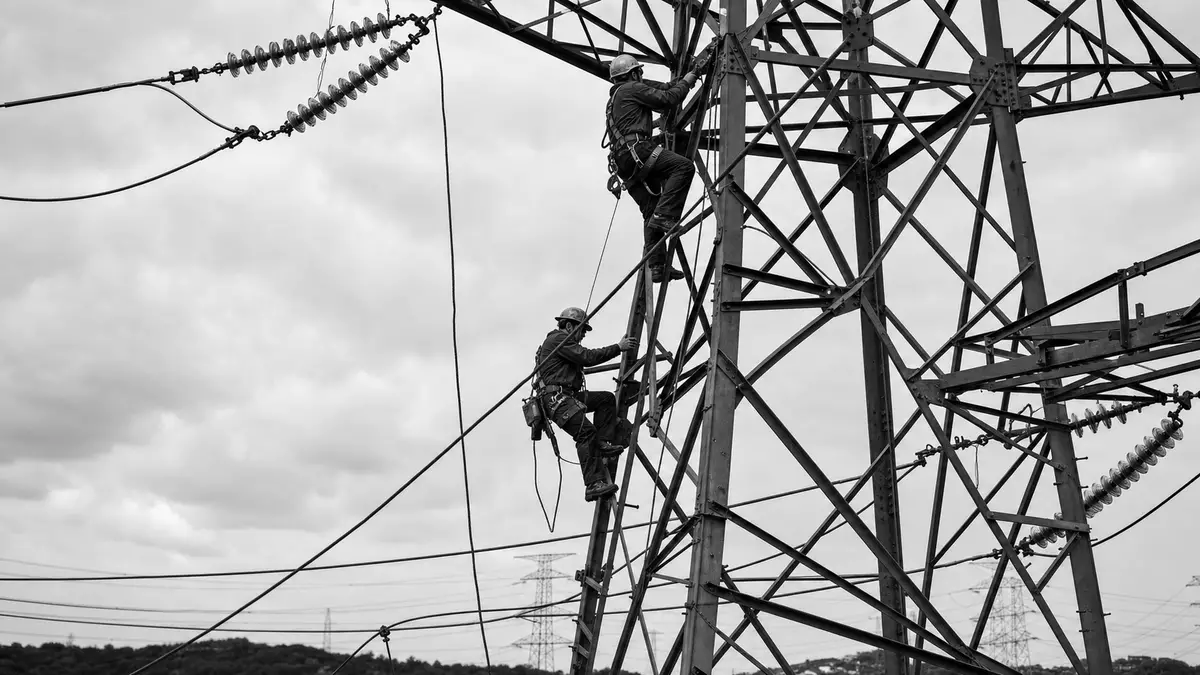
Among the types of projects Elia undertakes, large scale reinforcements of existing corridors are particularly noteworthy. Upgrading lines to higher voltage or greater capacity allows more power to flow across the network, accommodating both rising demand and greater renewable generation. Such projects often require complex planning to minimize disruptions, secure land use approvals, and coordinate with local communities. They are also capital intensive and can significantly expand the regulated asset base once completed.
Offshore connection platforms, interconnectors, and innovative technologies like high voltage direct current links are also representative of Elia’s project portfolio. Each project ties into the broader European objective of creating a flexible, resilient, and low carbon power system. The technical sophistication of these projects underscores the engineering capabilities required of a modern transmission system operator and the reasons why regulators emphasize strong governance and operational expertise in companies such as Elia.
Explore Elia Group investor materials
For a detailed view of Elia Group’s financial metrics, regulatory frameworks, and investment plans, consult the latest investor relations reports and presentations.
Transmission infrastructure and products
Although Elia does not sell consumer products, its core business revolves around high voltage transmission infrastructure and related systems. Substations, transformers, overhead lines, underground cables, and control centers together form the backbone of the grid. These assets are designed to operate reliably for decades, with regular maintenance and upgrades. The Group also deploys specialized equipment such as phase shifting transformers and high voltage direct current converters to manage flows and enhance flexibility.
From a commercial perspective, Elia’s products are essentially grid services: reliable transmission of electricity, provision of capacity for generation and consumption, and system balancing services. These services are not purchased by individual consumers but by market participants such as distribution system operators, large industrial users, and electricity suppliers, under regulated tariff structures. The focus on grid infrastructure and services aligns Elia with the broader transmission and utilities segment rather than with retail oriented energy providers.
Elia stock and market valuation
On equity markets, Elia stock represents a claim on the future cash flows generated by the Group’s regulated grid businesses. Valuation metrics used by investors often include price to earnings ratios, enterprise value to EBITDA multiples, and comparisons with peer transmission and utility companies across Europe. Because Elia’s earnings are closely tied to regulated tariffs and asset base growth, market participants typically analyze how current valuation levels reflect future investment and regulatory outlooks.
The stock’s performance can be influenced by macroeconomic factors such as interest rates, inflation trends, and investor appetite for infrastructure exposure. In periods when defensive, yield oriented assets are in demand, regulated utilities and transmission companies may attract more attention. When risk appetite shifts toward growth sectors, interest in infrastructure stocks can moderate. Elia’s role in the energy transition provides a structural narrative that may support longer term interest, but short term valuation remains sensitive to broader market conditions.
Elia Group key facts
- Company: Elia Group SA/NV
- ISIN: BE0003822393
- Ticker: BRU: ELI
- Trading venue: Euronext Brussels
- Sector / Industry: Utilities / Electric transmission
- Index membership: BEL 20
Disclaimer regarding our articles: No investment advice, no buy or sell recommendation. Information on prices, companies, and markets is provided without guarantee; changes are possible at any time. Stock market transactions can lead to substantial losses. Our articles are created and reviewed in whole or in part automatically with the support of AI.