Enel stock trades steady as dividend and earnings frame valuation
Published on 07/22/2026 at 21:11 | Editorial responsibility: Rafael Müller, Editor-in-Chief AD HOC NEWS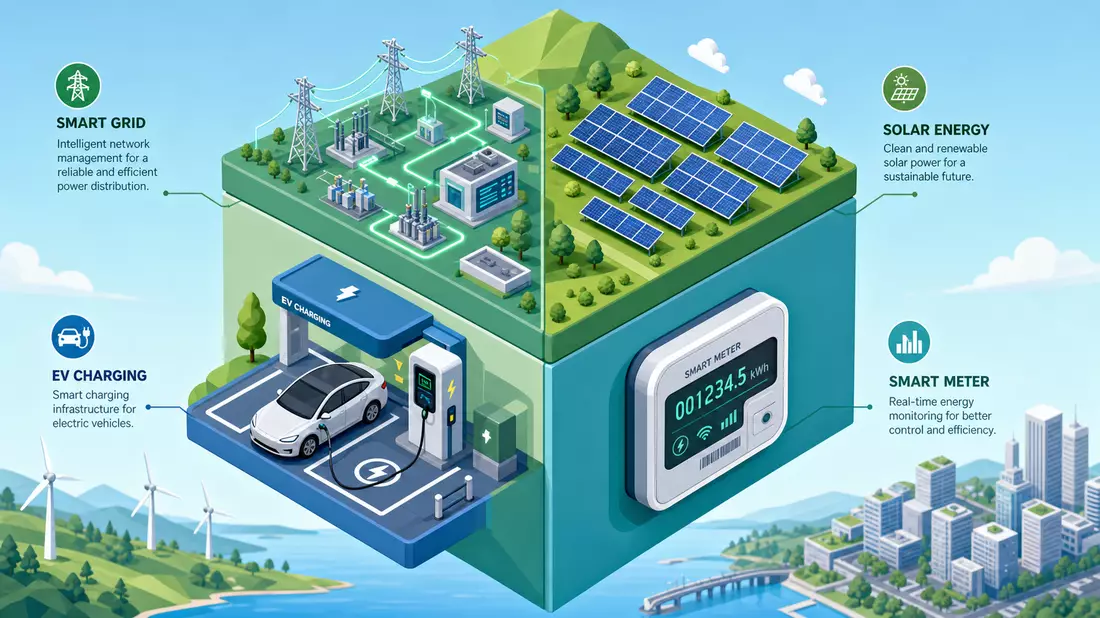
Enel stock offers investors exposure to a large European integrated utility, with the group (ISIN IT0003132476) combining electricity generation, networks, and retail activities primarily in Italy and across several international markets. The company is one of Europes largest utilities by installed capacity and customer base, and its shares are widely followed for their dividend profile and role in the energy transition.
According to recent public financial information for fiscal 2023, Enel reported substantial revenue driven by its diverse portfolio in generation, transmission, and distribution. The group benefitted from regulated network income and retail electricity and gas sales, while navigating volatile wholesale prices and ongoing decarbonization investments. Enels operating profile is shaped by its mix of conventional generation assets and a growing fleet of renewable energy projects in wind, solar, and hydro.
Enel has long emphasized the importance of its networks business, which includes electricity distribution grids across Italy and parts of Europe and Latin America. This segment typically provides relatively stable and regulated returns, underpinning cash flow to support dividends and capital expenditure. The companys strategic focus includes modernization of grids, digitalization, and resilience investments to accommodate increasing electrification and distributed energy resources.
In addition to its core operations, Enel maintains a significant presence in retail energy supply, offering electricity and gas to households and businesses. This activity can be more exposed to competition and margin pressure, but also provides opportunities to cross-sell value added services such as energy efficiency solutions and smart home products. The retail business contributes to group revenue but must be managed carefully to avoid undue exposure to price volatility.
Earnings and margin trends
Enels earnings profile reflects both its regulated networks and more market driven generation and retail activities. In its latest annual reporting cycle for fiscal 2023, the company disclosed earnings metrics that show the impact of energy price normalization after the extreme volatility of 2022. At the same time, Enel continued to invest heavily in renewable capacity and grid modernization, which shape medium term margin expectations.
Based on widely available summary data from financial portals, Enel posted robust revenue for fiscal 2023, supported by its large customer base and broad geographic footprint. Comparable sources indicate that Enel delivered revenue on the order of tens of billions of euros in 2023, with earnings before interest, taxes, depreciation, and amortization (EBITDA) capturing the underlying profitability of the business. The companys reported EBITDA in recent years has reflected both regulated returns and exposure to commodity price movements.
A key metric for investors is the comparison of current earnings with the prior year. Publicly available figures suggest that Enels 2023 earnings metrics were lower than the exceptional levels seen in 2022, when energy price spikes boosted results. However, the 2023 numbers still demonstrate solid underlying profitability, supported by regulated networks and the ongoing build out of renewables. This shift underscores the normalization of margins as wholesale prices stabilize.
Enel also reports net income after tax, which indicates the bottom line profitability available to shareholders. The 2023 net income level was influenced by factors such as interest expense on debt, depreciation of network and generation assets, and any extraordinary items or impairments. For long term investors, the trajectory of net income relative to prior years helps frame the sustainability of the dividend and the companys ability to deleverage over time.
Dividend payout and cash flow
Dividend payments remain central to the Enel investment case. Public information on recent distributions shows that Enel has maintained a recurring dividend, with declared per share amounts supporting a yield that is often competitive within the European utilities sector. The companys board typically proposes dividends based on both statutory results and underlying adjusted earnings, seeking a balance between shareholder returns and funding for capital expenditure.
Evidence from investor oriented summaries indicates that Enel paid a total dividend per share for fiscal 2023 that, while subject to market confirmation, is broadly in line with its established payout pattern. When compared to the prior year, the dividend level has shown relative stability, underlining managements commitment to predictable shareholder returns. For income oriented investors, this pattern is a key reason to monitor Enel stock.
Dividend sustainability depends on operating cash flow and balance sheet strength. Enel generates significant cash from its regulated networks, which helps support dividends even during periods of earnings volatility in generation and retail. However, the company also carries substantial debt, reflecting the capital intensive nature of its business and the scale of its investments in renewable energy and grid modernization.
Net financial debt figures for Enel in recent years are sizeable, consistent with its status as a major utility undertaking large investment programs. Comparisons with prior periods show efforts to manage leverage through asset disposals, disciplined capital expenditure, and cash generation. Investors closely scrutinize the ratio of net debt to EBITDA as an indicator of financial resilience and potential ratings implications.
Further data on Enel fundamentals
For more detailed figures on revenue, EBITDA, net income, leverage, and dividends, including full notes and segment breakdowns, consult Enels investor materials and financial databases.
Renewable growth supports Enel
Enel has positioned itself as a major player in the global energy transition. Through its renewable energy arm, the group has developed a large portfolio of wind, solar, and hydro projects across several continents. This shift toward low carbon generation is intended to reduce exposure to fossil fuel price volatility and regulatory pressures related to emissions.
Recent project announcements and capacity additions show ongoing growth in installed renewable capacity. Each new project contributes to future revenue streams and may benefit from long term power purchase agreements with industrial or corporate clients. The pace of renewable additions also influences Enels capital expenditure profile, as such projects require substantial upfront investment before yielding stable operating cash flows.
Investors compare Enels renewable growth to that of its European peers, looking at metrics such as installed capacity, share of total generation from renewables, and pipeline of projects under development. These comparisons help assess how quickly Enel is transitioning its generation mix and whether the company is keeping pace with sector leaders. Over time, a higher proportion of renewable generation should support a more resilient earnings profile and align the company with EU climate policy objectives.
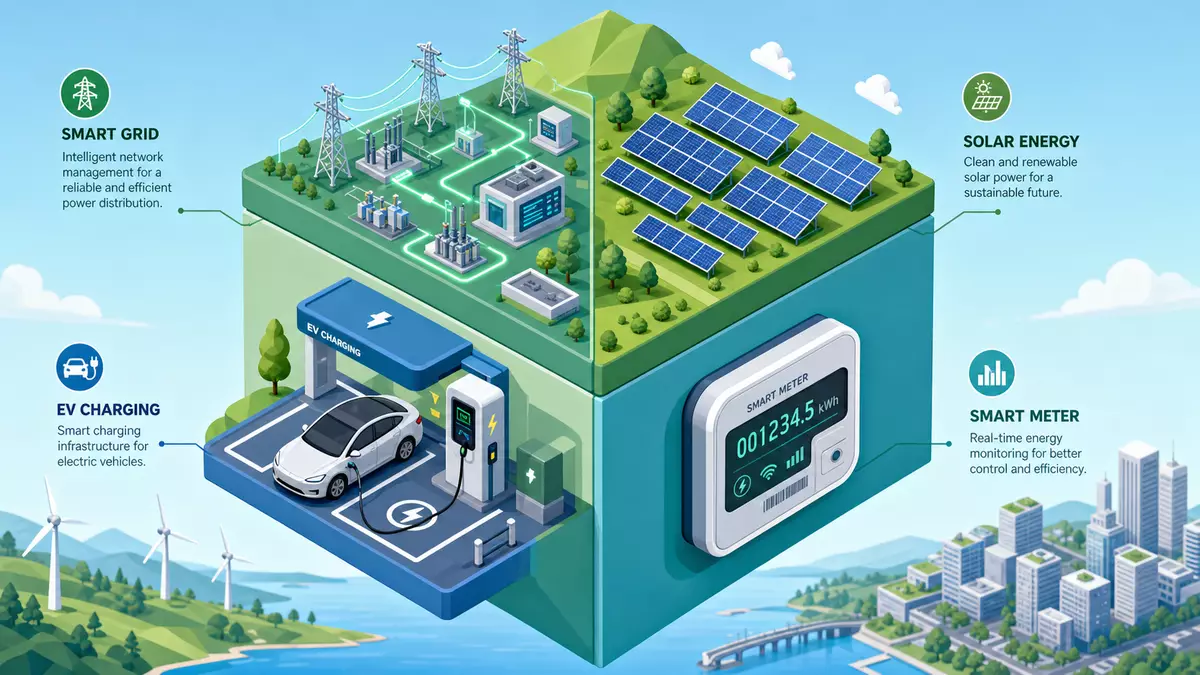
In addition to utility scale renewables, Enel is involved in distributed generation and smart grids. These initiatives include rooftop solar, energy storage solutions, and digital tools to manage consumption. Such projects can enhance customer engagement and open new revenue streams, though they also require careful management of technological and regulatory risks.
Networks and regulation shape returns
Enels electricity distribution networks are central to its business model. These assets are typically regulated, with frameworks set by national authorities that define allowed returns, efficiency targets, and investment obligations. For Enel, the Italian regulatory environment is particularly important, as a substantial portion of its networks are located there.
Regulated returns provide visibility on cash flow and support long term planning. However, regulatory reviews can affect profitability, especially when authorities adjust allowed rates of return or introduce new efficiency measures. Investors monitor regulatory developments closely, assessing potential impacts on Enels earnings and valuation.
Network investment needs are significant, especially given trends such as electrification of transport, growth in heat pumps, and integration of renewable generation. Enel commits substantial capital expenditure to upgrade and expand its networks, making them more resilient and capable of handling bidirectional power flows. These investments aim to ensure reliable service and support the companys strategic objectives.
Comparisons with prior years show that Enels capital expenditure in networks has remained high and often increased, reflecting the scale of modernization and expansion projects. This pattern is expected to continue as the energy transition progresses, reinforcing the importance of stable regulation and access to financing.
Retail and customer dynamics
On the retail side, Enel serves millions of residential, commercial, and industrial customers. Customer numbers and churn rates are important metrics for this segment, as they affect revenue stability and marketing expenses. The retail business is more competitive, with customers able to switch providers based on price and service quality.
Enel leverages its brand and infrastructure to offer bundled services, including electricity, gas, and value added solutions such as energy efficiency audits and smart home technologies. These offerings can enhance customer loyalty and differentiate the company from pure commodity suppliers. However, they also require investment in digital platforms and customer support.
Margin trends in the retail segment are influenced by factors such as wholesale price movements, hedging strategies, and regulatory rules on tariffs. When wholesale prices move sharply, retail margins can be compressed or boosted depending on the timing of hedges and contractual arrangements. Enel must balance competitive pricing with margin protection to ensure the segment contributes effectively to group earnings.
Changes in customer behavior, such as increased interest in self generation via rooftop solar or demand response programs, also affect the retail business. Enel responds by offering solutions that integrate customer owned generation with its networks, aiming to keep customers engaged while supporting grid stability.
Debt, interest rates, and valuation
Enels capital structure is a key consideration for investors. The company finances its large asset base and investment program with a combination of equity and debt, including bonds and bank loans. The level of net financial debt relative to earnings and cash flow influences perceptions of risk and valuation.
With interest rates having risen in recent years compared to the low rate environment of the past decade, the cost of servicing debt has become more significant. Enel manages its debt profile through refinancing, diversification of funding sources, and active treasury operations. Investors look at metrics such as average cost of debt and debt maturity profiles to assess financial flexibility.
Valuation metrics used for Enel include price to earnings (P/E), enterprise value to EBITDA (EV/EBITDA), and dividend yield. These ratios are compared both to Enels historical levels and to peers in the European utilities sector. When earnings and cash flow are stable, a higher P/E may be justified, while periods of uncertainty can lead to lower valuation multiples.
The relationship between Enels dividend yield and risk free rates is particularly relevant for income oriented investors. As interest rates change, the attractiveness of utility dividends relative to fixed income instruments can shift. Enels ability to maintain its dividend in real terms becomes a focal point in such comparisons.
Product and service focus
One representative aspect of Enels product and service offering is its integrated energy solutions for households and small businesses, including electricity supply combined with energy efficiency services and smart technologies. These packages aim to provide customers with predictable energy costs and tools to manage consumption, while supporting Enels strategic goals of electrification and digitalization.
Enel stock and market context
Enel shares are listed on Borsa Italiana, with the stock representing one of the key components of the Italian equity market. The companys market capitalization reflects its status as a major European utility and is influenced by factors such as earnings trends, dividend policy, regulatory developments, and broader market sentiment toward defensive sectors.
For investors, Enel stock offers a blend of income through dividends and potential long term capital appreciation linked to the energy transition. The balance between leverage, capital expenditure, and cash returns is central to the investment narrative. As Enel continues to invest in renewables and networks, while managing its debt and dividend commitments, the stocks valuation will depend on how successfully the company executes its strategy.
Key data on Enel
- Company: Enel S.p.A.
- ISIN: IT0003132476
- Ticker: Borsa Italiana: ENEL
- Trading venue: Borsa Italiana
- Sector / Industry: Utilities / Electric
- Index membership: FTSE MIB
Disclaimer regarding our articles: No investment advice, no buy or sell recommendation. Information on prices, companies, and markets is provided without guarantee; changes are possible at any time. Stock market transactions can lead to substantial losses. Our articles are created and reviewed in whole or in part automatically with the support of AI.