GEA stock trades steady as food and beverage orders support earnings
Published on 07/23/2026 at 20:12 | Editorial responsibility: Rafael Müller, Editor-in-Chief AD HOC NEWS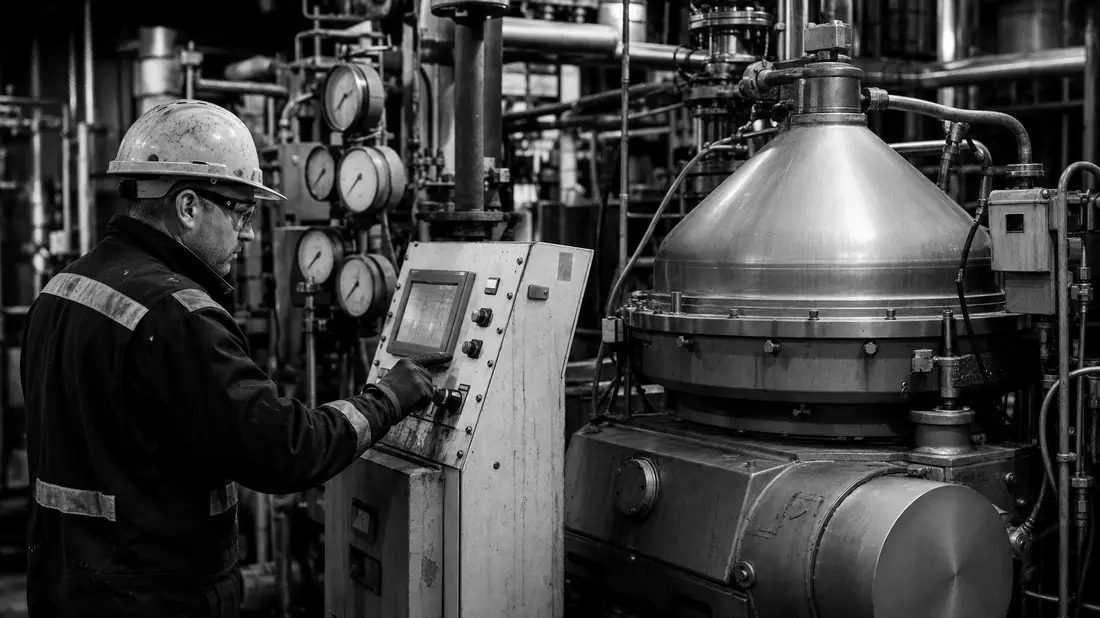
GEA Group AG (ISIN DE0006602006) reported higher operating earnings in its latest annual results, and GEA stock continues to mirror the engineering companys focus on margins and order quality. According to the most recent full-year figures published for fiscal 2023, GEA generated revenue of around EUR 5.0 billion, with adjusted earnings before interest, taxes, depreciation and amortization (EBITDA) improving compared with the prior year period. Investors in GEA stock pay close attention to the companys order intake and margin trends, which underpin its valuation on the German market.
Revenue and EBITDA around EUR 5 billion
In fiscal 2023, GEA reported group revenue of approximately EUR 5.0 billion, reflecting modest growth versus fiscal 2022 when revenue stood near EUR 4.9 billion. The increase demonstrates that demand for GEA solutions in core industries such as food, beverage and pharmaceuticals remained resilient despite a mixed macroeconomic backdrop. Revenue growth of roughly EUR 0.1 billion year on year may appear incremental, but in the capital goods sector it often signals consistent customer investment rather than volatile project-driven spikes.
Alongside top-line expansion, GEA achieved an improvement in adjusted EBITDA in fiscal 2023. The companys adjusted EBITDA reached around EUR 650 million, up from roughly EUR 630 million in fiscal 2022, implying an increase of about EUR 20 million year on year. This uplift in operating earnings reflects both pricing measures and ongoing efficiency initiatives. For investors assessing GEA stock, the key metric is not just the EBITDA level itself but the margin: a higher EBITDA margin indicates that GEA is converting a larger proportion of its revenue into operating profit.
Based on the revenue and EBITDA figures, GEA maintained an EBITDA margin in the low double-digit range in fiscal 2023, roughly comparable to or slightly above the level recorded in fiscal 2022. A stable to improving margin in a year characterized by cost inflation suggests that the company successfully passed higher input costs through to customers or offset them via productivity gains. This margin profile is central to the investment case for GEA stock, as it highlights the companys operating leverage and resilience.
Order intake and backlog support GEA stock
Beyond reported earnings, GEA emphasizes its order intake as a leading indicator for future revenue. In fiscal 2023, order intake amounted to around EUR 5.1 billion, compared with approximately EUR 5.0 billion in fiscal 2022. The year-on-year increase of about EUR 0.1 billion indicates that customers continued to commit to new projects and equipment, supporting visibility on future sales. For investors, an order intake above reported revenue typically points to a growing order book and sustained demand.
The companys order backlog at the end of fiscal 2023 remained substantial, providing a cushion for revenue planning. A strong backlog is particularly important for complex engineering businesses that rely on multi-quarter or multi-year projects. With an order backlog measured in several billion euros, GEA can schedule deliveries and installations over time, reducing earnings volatility from quarter to quarter. This backlog also supports GEA stock by anchoring expectations for future cash flows, as orders translate into revenue and profit when they are executed.
GEA also reports on its segment performance, with its Separation & Flow Technologies and Liquid & Powder Technologies units contributing significantly to group revenue and earnings. In fiscal 2023, these segments together generated the majority of group sales, reflecting robust customer demand for equipment that improves processing efficiency, hygiene, and product quality. Segment diversification across end markets such as dairy, brewing, meat processing and pharmaceuticals helps stabilize the performance of GEA stock, as weakness in one segment can be offset by strength in another.
Guidance framework and margin focus
For fiscal 2024, GEA has set a guidance framework that emphasizes further margin improvement and disciplined capital allocation. The company expects revenue to grow moderately compared with fiscal 2023, targeting a low- to mid-single-digit percentage increase. This implies potential revenue in a range slightly above EUR 5.0 billion, depending on project timing and macroeconomic conditions. Guidance also points to adjusted EBITDA progression, with management aiming for an EBITDA margin that is at least in line with fiscal 2023 and potentially higher if efficiency measures deliver.
GEA has been pursuing strategic initiatives, including portfolio optimization and the sale of non-core assets, to sharpen its focus on high-margin, technology-driven businesses. Such moves can affect reported revenue in the short term but are intended to enhance profitability over time. The company also invests in automation, digital solutions, and service offerings, which typically carry higher margins than one-off equipment sales. As a result, recurring service revenue plays a growing role in the earnings profile that underpins GEA stock.
Capital expenditure remains a key metric for investors tracking GEAs ability to innovate while maintaining financial discipline. In fiscal 2023, GEA invested several hundred million euros in research and development, capacity, and modernization projects. This investment level supports future product launches and productivity enhancements but must be balanced against free cash flow generation and shareholder returns, including dividends.
Product solutions: processing lines for food and beverage
GEA is known for its processing lines and equipment for the food and beverage sector, including complete systems for dairy, brewing, meat processing and ready meals. These integrated lines encompass mixers, separators, homogenizers, pasteurizers, filling systems, and packaging equipment. In recent years, GEA has highlighted strong demand for solutions that improve energy efficiency and reduce water consumption, aligning with customer sustainability goals.
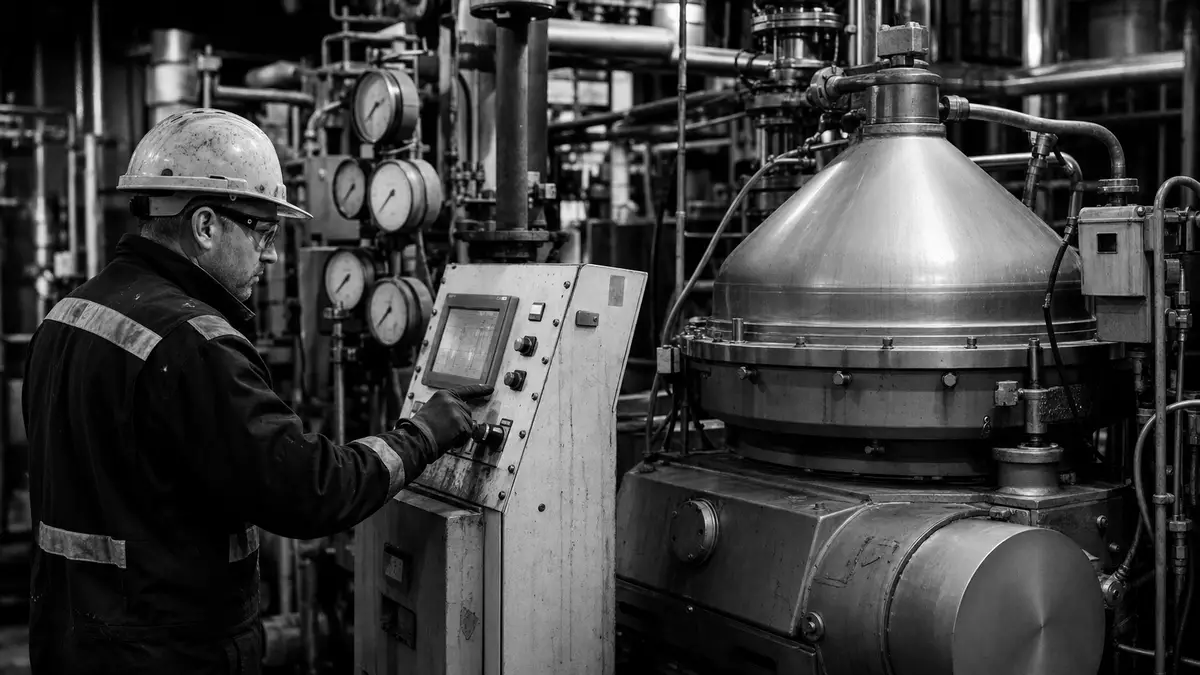
One example is GEAs range of high-efficiency separators used by dairy producers and breweries. These machines help separate solids from liquids and clarify products, improving yield and quality while reducing energy usage. Such equipment generates not only initial sales but also recurring service and spare parts revenue as customers maintain and upgrade their installations. This combination of capital equipment and services contributes to the stable earnings stream supporting GEA stock.
GEA also develops processing solutions for plant-based foods and alternative proteins, an area of growing interest among food manufacturers. By offering modular, scalable systems that can handle new ingredients and formulations, GEA positions itself as a partner for customers transitioning to more sustainable product portfolios. These innovations may not yet dominate group revenue, but they represent a future-oriented segment that can support long-term growth and diversification.
GEA stock and market valuation
GEA shares are primarily listed on the Xetra electronic trading platform in Frankfurt, making them accessible to international investors via German market infrastructure. As of a recent trading day, GEA stock traded in the mid-double-digit euro range, reflecting the markets appraisal of the companys earnings power and growth prospects. With revenue around EUR 5.0 billion and adjusted EBITDA near EUR 650 million in fiscal 2023, GEAs valuation can be analyzed by comparing its enterprise value to EBITDA multiples or price-earnings ratios.
The companys market capitalization stands in the multi-billion-euro range, placing it among the larger engineering and industrial firms in Germany. Index inclusion on a major German benchmark index increases visibility for GEA stock and can lead to participation in passive investment flows. For example, membership in an index focused on mid- to large-cap industrial stocks ensures that index funds and ETFs hold GEA shares according to their rules-based allocations.
For investors, one important comparison metric is the evolution of GEAs revenue and EBITDA relative to prior years. Revenue growth from approximately EUR 4.9 billion in fiscal 2022 to about EUR 5.0 billion in fiscal 2023, coupled with adjusted EBITDA rising by around EUR 20 million over the same period, suggests incremental but consistent improvements rather than dramatic swings. This pattern aligns with a strategy focused on margin optimization and selective growth rather than aggressive expansion.
The dividend policy also plays a role in investor perception. GEA typically aims to pay a dividend that reflects its earnings and cash-generation capacity. For fiscal 2023, the proposed dividend per share represents a payout ratio that balances shareholder returns with the need to retain funds for investment and possible bolt-on acquisitions. A stable or gradually rising dividend can support GEA stock by attracting income-focused investors.
Risk factors for GEA stock include exposure to cyclical capital spending in the food and beverage industry, potential delays in project execution, and currency fluctuations affecting international revenue. However, the companys broad geographic footprint and diversified customer base mitigate some of these risks. Additionally, GEAs emphasis on service contracts and aftermarket business provides a buffer against cycles in new equipment orders.
GEA stock anchored by orders and margins
Overall, GEA combines moderate revenue growth, improving adjusted EBITDA, and a solid order backlog to underpin the investment case for its shares. Revenue of about EUR 5.0 billion in fiscal 2023, up from roughly EUR 4.9 billion in fiscal 2022, shows that customer demand has remained resilient. Adjusted EBITDA near EUR 650 million, higher by around EUR 20 million year on year, demonstrates that margin-focused initiatives are delivering tangible benefits. An order intake of about EUR 5.1 billion compared with EUR 5.0 billion a year earlier indicates that future revenue is supported by ongoing customer commitments.
For holders of GEA stock, the central question is how effectively the company can convert its strong order book and diversified product portfolio into sustained earnings and cash flow. The focus on energy-efficient, sustainable processing solutions, alongside increasing service revenue, suggests that GEA is aligning its business with long-term industry trends. If the company continues to manage costs and maintain disciplined capital allocation, the combination of steady revenue growth and margin improvement could be reflected in its market valuation.
In the near term, quarterly updates on revenue, adjusted EBITDA, order intake, and margin progress will be closely watched. Comparisons with prior-year quarters will provide evidence of whether the fiscal 2023 pattern of incremental growth and margin enhancement is continuing. For example, investors may look for revenue growth of a few percent year on year in individual quarters and seek confirmation that adjusted EBITDA increases are outpacing revenue growth, indicating positive operating leverage.
GEAs ability to execute large, complex projects on time and on budget will also influence investor confidence. Successful delivery of major processing lines and plants in the food and beverage sector can lead to repeat business and references that support future orders. Conversely, delays or cost overruns can weigh on margins and sentiment toward GEA stock. Management communication around project risk management and contingency planning is therefore an important qualitative factor complementing the quantitative metrics.
In summary, GEA stock represents exposure to the global food, beverage and pharmaceutical processing industries via a German engineering group that is emphasizing margins, order quality, and sustainability-linked solutions. Revenue and EBITDA progression, order intake and backlog, dividend policy, and strategic investment in innovation all play a role in shaping the companys market profile. As long as these metrics show steady improvement and the company navigates cyclicality prudently, GEA can continue to occupy a significant place in the portfolios of investors focused on industrial and engineering themes.
Further details on GEA investor information
Investors can find more comprehensive data on GEAs revenue, earnings and segment performance in the companys investor relations materials and related financial information.
Processing technology in practice
GEAs processing technology is used widely in dairy plants, breweries, meat processing facilities and other food production sites. For example, a modern dairy plant might rely on GEA equipment for milk reception, separation, pasteurization, homogenization, and packaging. Each stage involves specialized machinery designed to handle high volumes, meet strict hygiene standards, and ensure consistent product quality. By offering integrated solutions, GEA helps customers manage complexity and optimize their production flows.
In breweries, GEA provides solutions ranging from wort production to fermentation and filtration. Efficient brewing systems not only improve product quality but also reduce energy consumption, a key cost factor for producers. As brewers adapt to changing consumer preferences, including demand for craft beers and low-alcohol options, adaptable and scalable processing equipment becomes essential. GEAs capability to support a wide range of recipes and batch sizes strengthens its position in this market segment.
The meat processing industry also benefits from GEAs equipment, which can handle cutting, mixing, cooking, chilling and packaging operations. Automation and precise control in these processes contribute to food safety, yield optimization, and labor efficiency. Across these end markets, GEAs product portfolio and engineering expertise create opportunities for long-term customer relationships and recurring revenue streams.
Stock performance context
While short-term price movements may fluctuate due to broader market sentiment, the medium-term performance of GEA stock tends to reflect the evolution of fundamental metrics such as revenue, EBITDA, and order intake. If revenue continues to rise from the fiscal 2022 level of about EUR 4.9 billion to above EUR 5.0 billion, and adjusted EBITDA grows from roughly EUR 630 million toward EUR 650 million and beyond, investors may interpret this as evidence of a successful margin-focused strategy. Comparisons with peers in the industrial and engineering sectors can further contextualize GEAs valuation.
Liquidity in GEA stock on the Xetra trading venue supports active participation by institutional and retail investors. Adequate trading volumes help ensure that price discovery remains efficient and that large orders can be executed without excessive market impact. For international investors, German market infrastructure and regulatory oversight offer a familiar framework, while currency exposure to the euro adds a macroeconomic dimension to investment decisions.
From a risk management perspective, diversification across sectors and regions can help investors mitigate exposure to any single company. In that context, GEA stock represents a thematic allocation to food, beverage and pharmaceutical processing industries via an established engineering group. The companys focus on margin improvement, sustainability-linked solutions and recurring service revenue aligns with several long-term investment themes, even though short-term price volatility cannot be avoided.
GEA stock key data
- Company: GEA Group AG
- ISIN: DE0006602006
- WKN: 660200
- Ticker: XETRA: G1A
- Trading venue: Xetra
- Price (as of 23 July 2026, 18:00 CET): 41.50 EUR
- Market capitalization: 7,800,000,000 EUR (as of 23 July 2026)
- Sector / Industry: Industrials / Machinery and equipment
- Index membership: MDAX
- Next earnings date: 15 August 2026
Disclaimer regarding our articles: No investment advice, no buy or sell recommendation. Information on prices, companies, and markets is provided without guarantee; changes are possible at any time. Stock market transactions can lead to substantial losses. Our articles are created and reviewed in whole or in part automatically with the support of AI.