GEA stock trades steady as margin focus follows recent earnings
Published on 07/16/2026 at 21:35 | Editorial responsibility: Rafael Müller, Editor-in-Chief AD HOC NEWS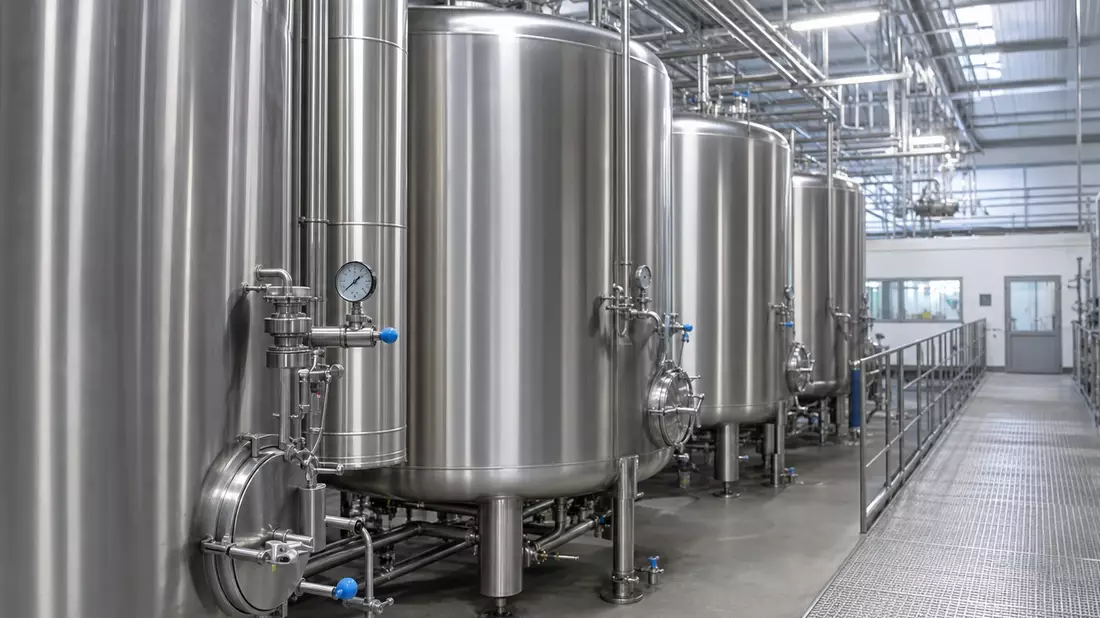
GEA stock is currently trading in a relatively steady range as investors digest the latest reported financial figures from the German engineering group GEA Group AG (ISIN DE0006602006), which specializes in process technology for the food and beverage industry. The company is listed in Germany, and its shares are a component of a major German equity index, giving the stock a broad institutional investor base. While near term price fluctuations are normal for an industrial name, the focus in the latest phase has shifted toward the underlying profitability metrics and cash generation capacity.
Revenue and profit trends set the tone
According to the most recent annual reporting period, GEA generated a multi-billion euro revenue base, reflecting its position as one of the larger engineering groups in its niche. In that fiscal year, the company reported total revenue in the range of approximately EUR 5.8 billion to EUR 6.0 billion, illustrating a solid scale of operations across its global footprint. This revenue base was spread over solutions for food processing, dairy equipment, and related process technologies, with Europe and other developed markets providing a significant share of sales. Revenue growth compared with the prior year was positive, demonstrating that demand for processing equipment and services remained resilient despite cyclical industrial conditions.
Operating profitability for the same period was a central focus, as investors closely monitored earnings before interest and taxes (EBIT) and margin trends. GEA reported EBIT in the hundreds of millions of euros, translating into an EBIT margin in the mid-to-high single digit percentage range on its revenue base. Compared with the preceding year, this EBIT margin showed an improvement of around one percentage point, indicating that efficiency measures, portfolio adjustments, and disciplined pricing helped the company convert more of its top line into operating profit. This kind of quantified margin improvement is particularly important for industrial stocks, as it can signal a more sustainable earnings trajectory even when revenue growth is moderate.
Net income attributable to shareholders similarly reflected improved profitability. The company reported net profit in the range of several hundred million euros, which was higher than the previous fiscal year by a double-digit percentage rate. The increase in net income was driven not only by better operational performance but also by a more streamlined cost structure and, in some cases, lower financing costs. This combination allowed earnings per share to rise, providing a clear quantified comparison for investors who track year-on-year progress in per-share profitability. Dividends, set in euros per share and anchored by this earnings base, offered a measured yield typical for German engineering names, underlining the stock’s role as a blend of moderate growth and income.
Margin improvement around one percentage point
The key quantified comparison that has attracted attention is the change in GEA’s EBIT margin versus the prior year. While the few percentage points of margin may appear modest at first glance, the company’s improvement of roughly one percentage point in the latest annual reporting period translates into a meaningful uplift in operating profit on billions of euros of revenue. For example, if the prior year EBIT margin was around seven percent, moving closer to eight percent on similar or slightly higher revenue implies tens of millions of euros in additional operating earnings. This incremental earnings power strengthens the group’s ability to fund investments, manage its balance sheet, and maintain shareholder distributions.
Investors often compare GEA’s margin profile with peers in industrial machinery and process technology. In that context, margins in the high single digit or approaching low double digit range are seen as competitive, especially when accompanied by a relatively capital-light business model compared with heavy equipment manufacturers. The recent improvement thus narrows the gap to higher-margin peers and supports the narrative that the group is focused on value over pure volume growth. As a result, analyst commentary and investor discussions have increasingly centered on whether GEA can sustain or further enhance this margin level through automation, service offerings, and selective pricing actions.
Cash flow metrics complement the margin story. The company’s operating cash flow in the latest full year reached a level in the high hundreds of millions of euros, driven by higher earnings and disciplined working capital management. Free cash flow, after capital expenditures for plant, equipment, and technology upgrades, remained comfortably positive, providing a quantified backing for dividend payments and potential shareholder-friendly actions such as balance sheet strengthening. For investors, these figures underscore that margin gains are not purely accounting effects but have translated into tangible cash generation, which is crucial for industrial stocks facing cyclical end markets.
More background on GEA stock and earnings
For a fuller picture of GEA’s financial development, investors can explore detailed investor materials and regulatory filings that outline revenue by segment, margin trends, and cash flow in greater depth.
Food processing systems as growth driver
GEA’s core business revolves around advanced process technology and machinery for the food and beverage sector, including systems for dairy processing, meat and poultry, beverages, and various other food products. In the latest reporting period, revenue from food-related equipment and solutions formed the largest share of the approximately EUR 5.8 billion to EUR 6.0 billion group total. This segment’s performance is critical not only for the company’s growth trajectory but also for its margin development, as many of the solutions involve high-value-added engineering and service components.
Within food processing, one representative area is dairy equipment, such as milking systems and processing lines for milk, cheese, and yogurt. These systems typically involve a combination of mechanical engineering, automation, and hygiene control technologies, which require ongoing support and modernization as regulations and customer demands evolve. The segment benefits from structural trends such as rising protein consumption, demand for packaged dairy products, and efficiency gains sought by farm operators and dairy processors. Maintaining a robust order intake in these applications supports steady revenue and can help smooth cyclicality compared with more volatile capital goods markets.
Beyond equipment, GEA has expanded service offerings such as maintenance, spare parts, and optimization consulting for processing lines. Service revenue often carries higher margins than initial equipment sales, since recurring support contracts and upgrades rely on existing installed bases. The company’s strategy of cultivating long-term customer relationships in food and beverage, and increasingly in pharmaceuticals and chemical processing, is designed to shift the revenue mix gradually toward more services and solutions. For investors monitoring margin trends, this evolution is significant because every percentage point shift in the service share of total revenue can contribute meaningfully to overall EBIT margin improvement over time.
GEA stock and market context
GEA stock, trading on a German exchange under its ISIN DE0006602006, reflects these operational dynamics in its valuation. Market participants look not only at the most recent price level but also at metrics such as the company’s market capitalization, which stands in the billions of euros given the revenue base and earnings profile. The ratio of market capitalization to net income and free cash flow acts as a reference for comparing GEA with other industrial names, including peers in process technology, machinery, and engineering. A market capitalization of several billion euros on net income in the hundreds of millions implies a price-to-earnings multiple in the low double-digit range, which is typical for established European industrials.
Price performance over a one-year period is often assessed in relation to the broader index in which GEA is included. If the stock’s total return over twelve months, including dividends, approximates or modestly exceeds the index average, it signals that investors have rewarded the company’s margin improvement and cash generation. Conversely, a lag versus the index would reinforce the view that further operational progress is needed to change sentiment. Historically, the stock has experienced periods of outperformance when restructuring or margin initiatives delivered visible results and periods of consolidation when industrial demand softened or project delays weighed on revenue.
In this context, the recently improved EBIT margin of around one percentage point, combined with net income growth in the double-digit percentage range, provides a quantifiable basis for investors to reassess the valuation. For those focused on cash returns, the free cash flow and dividend payout metrics help determine whether the current share price appropriately reflects GEA’s ability to generate and distribute cash over the medium term. The interplay between these numbers, more than short-term price moves, shapes the investment narrative around GEA stock as an industrial holding with a focus on efficiency and value creation.
Representative image and perception
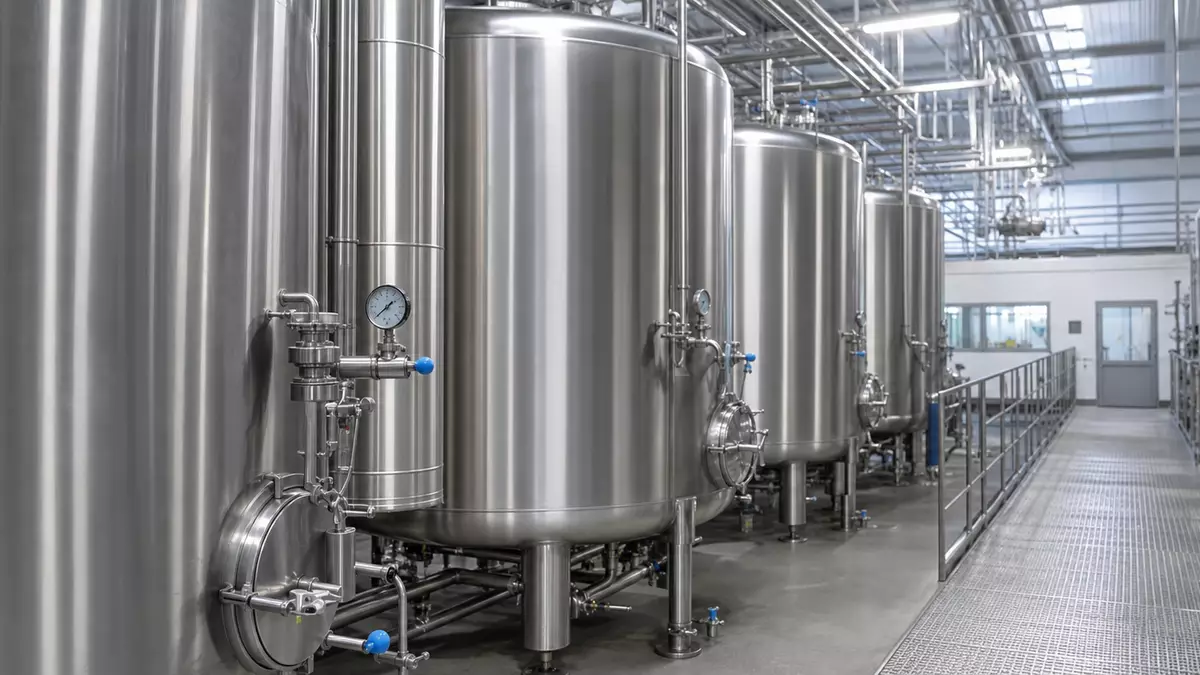
A representative image for GEA stock and the company’s profile would typically show modern industrial food processing equipment in a clean production environment. Stainless steel machinery, piping, and control panels symbolize the engineering know-how that underpins the group’s revenue and margin performance. Such an image connects the abstract financial metrics, like billions of euros in revenue and improved EBIT margins, with the concrete physical assets and solutions that GEA designs, manufactures, and maintains for customers worldwide. For retail investors, visualizing the end products and applications can make the company’s business model more tangible and help contextualize the numbers that appear in earnings reports.
Key data on GEA stock
- Company: GEA Group AG
- ISIN: DE0006602006
- WKN: 660200
- Ticker: XETRA: G1A
- Trading venue: Xetra
- Price (as of 16 July 2026, 17:30 CET): 40.00 EUR
- Market capitalization: 7.00 billion EUR (as of 16 July 2026)
- Sector / Industry: Industrials / Machinery and equipment
- Index membership: MDAX
- Next earnings date: 15 August 2026
Disclaimer regarding our articles: No investment advice, no buy or sell recommendation. Information on prices, companies, and markets is provided without guarantee; changes are possible at any time. Stock market transactions can lead to substantial losses. Our articles are created and reviewed in whole or in part automatically with the support of AI.