Gold Falls as Fed Rate Fears and Dollar Strength Trump Geopolitical Turmoil
Published on 07/09/2026 at 03:53 | Redaktion boerse-global.de
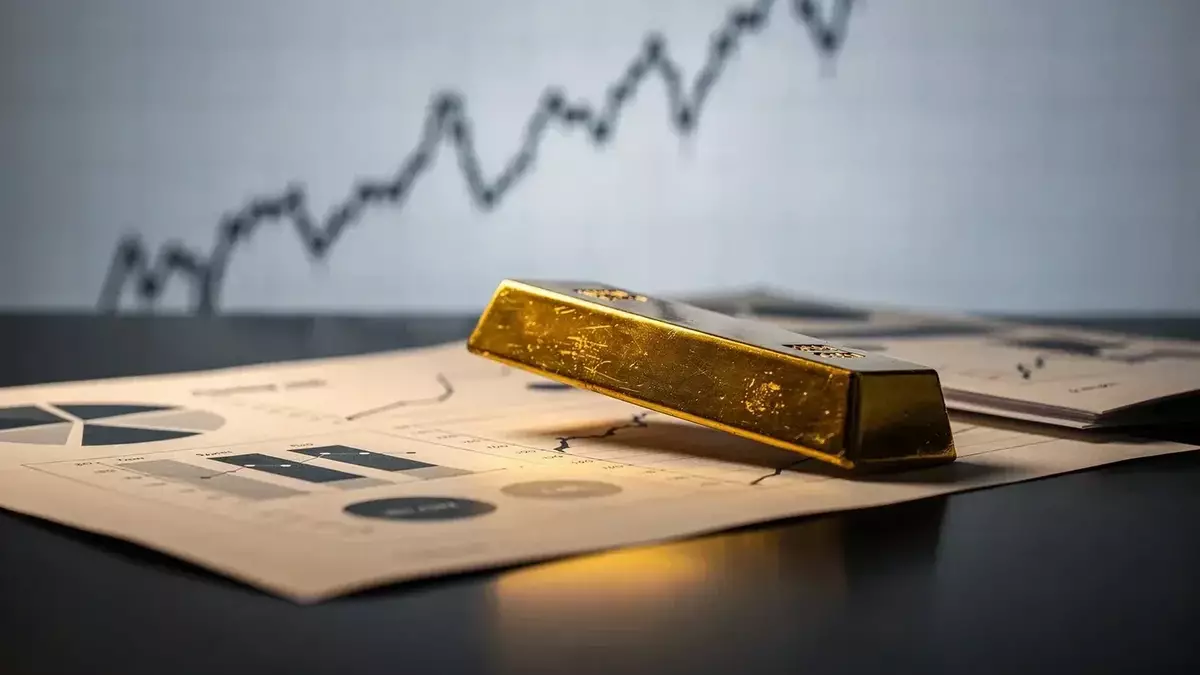
Gold is caught in a punishing crosscurrent. The precious metal closed at $4,043.60 an ounce on Wednesday, sliding nearly 2% on the day and extending its year-to-date loss to 6.87%. The decline comes despite a dramatic escalation in the Middle East: President Trump declared the ceasefire with Iran over, and U.S. forces struck more than 80 targets, sending oil prices surging over 6%. In a normal risk-off environment, that should have been a tailwind for bullion. Instead, gold is being crushed by two forces that have proved more powerful than any safe-haven bid.
The biggest headwind is the Federal Reserve. The minutes from the June meeting, the first official document under Chair Kevin Warsh, reveal a deeply divided committee. While the vote to hold the federal funds rate at 3.50%–3.75% was unanimous, Warsh himself described the internal debate as a “family quarrel.” Nearly half of Fed officials now expect at least one rate increase by the end of 2026. The median inflation forecast was revised sharply higher, with core inflation estimated at 3.4% in May and headline inflation hovering near 4% — both well above the central bank’s target. Policymakers cited new tariffs, the massive expansion of artificial-intelligence infrastructure, and potential supply shocks from the Middle East as persistent price pressures. Markets are pricing the policy rate toward 4% by year-end, and the odds of a September hike stand at roughly 50%.
Rising rate expectations have lifted real yields, making interest-bearing assets more attractive relative to gold, which offers no yield. But this time the dollar has added an extra layer of pain. Rather than flocking to gold, flight capital from the Iran crisis poured into the greenback, pushing the U.S. currency higher. Because gold is priced in dollars, a stronger dollar makes the metal more expensive for international buyers, amplifying the selloff. Technical indicators underscore the weakness: gold now trades nearly 11% below its 200-day moving average, and the relative strength index has fallen to 38.4, a clear sign of momentum fatigue. The price is approaching its year-to-date low near $3,901.
Should investors sell immediately? Or is it worth buying Gold?
None of this has deterred central banks. China’s central bank added another 15 tonnes of gold in June, marking the 20th consecutive month of purchases and lifting its total holdings to 2,346 tonnes. Poland and Tanzania have also been building reserves aggressively. In Hong Kong, a new state-backed gold-clearing system launched this week, introducing a benchmark “HAU” price and processing physical bullion directly through local vaults. HSBC is planning to expand its regional storage capacity to 200 tonnes. The center of gravity for physical gold demand is shifting decisively toward Asia, even as Western investors retreat.
The next major catalyst arrives on July 14, when the U.S. releases June consumer-price data. A hotter-than-expected reading would almost certainly cement expectations for tighter policy. The Fed’s next policy decision follows on July 28–29. Until then, gold’s fate remains tightly tethered to every data point out of Washington — and to a dollar that shows no sign of loosening its grip.
Ad
Gold Stock: New Analysis - 9 July
Fresh Gold information released. What's the impact for investors? Our latest independent report examines recent figures and market trends.
Disclaimer regarding our articles: No investment advice, no buy or sell recommendation. Information on prices, companies, and markets is provided without guarantee; changes are possible at any time. Stock market transactions can lead to substantial losses. Our articles are created and reviewed in whole or in part automatically with the support of AI.