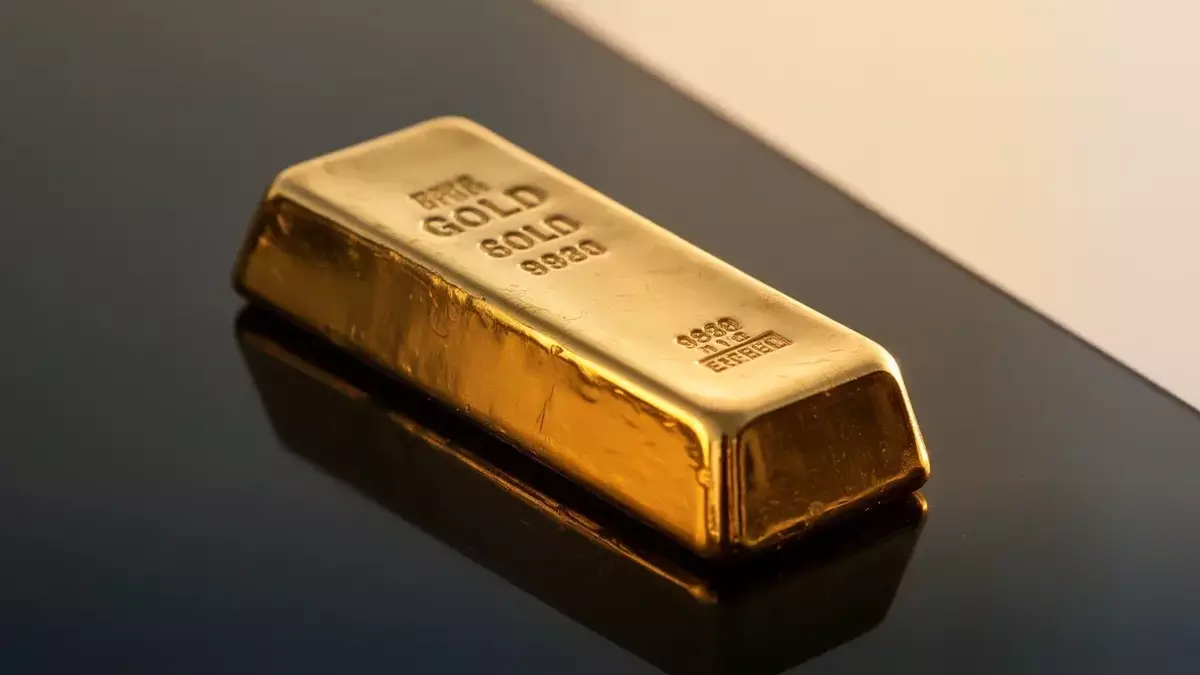
Gold’s 26% Slide from Record Exposes a New Reality: Geopolitical Risk Now Hurts, Not Helps, the Yellow Metal
12.06.2026 - 07:47:37 | boerse-global.de
Just as markets priced in a swift Iran peace deal, Tehran’s foreign ministry pushed back sharply against Washington’s narrative. The conflicting signals have left gold traders in a state of whiplash, with the precious metal gyrating between a six-month low and a modest Asian recovery. On Friday morning, bullion climbed back to around $4,240 per ounce after plunging more than 2% the previous day to $4,174 – its weakest level since November.
The core driver is counterintuitive: rather than boosting safe-haven demand, the prospect of a US-Iran agreement is weighing on gold by slashing crude prices. Oil’s collapse below $90 a barrel undermines the inflation narrative that had supported rate hike expectations. With US producer prices surging 6.5% year-on-year in May – the fastest since November 2022 – markets now see a 67% probability of a Federal Reserve rate increase by December. Higher rates strip gold of its allure relative to yielding assets.
Since hitting a record peak in January, the yellow metal has hemorrhaged nearly 26% of its value. The daily RSI reading of 30.9 hovers just above oversold territory, a level that historically has preceded technical bounces. Yet strategists caution that a sustained rally remains elusive as long as the Fed’s hawkish stance holds sway.
Should investors sell immediately? Or is it worth buying Gold?
Beneath the surface, structural support is quietly building. China’s central bank added 8.1 tonnes to its reserves in April – the largest monthly haul since December 2024. Goldman Sachs maintains its year-end target of $5,400 per ounce, while JPMorgan, despite trimming its 2026 average forecast, still sees a base case of roughly $6,000 by December. The disconnect between official-sector accumulation and market pricing is widening.
The immediate catalyst for the selloff was Donald Trump’s decision to call off planned military strikes on Iran and signal a possible framework agreement as early as this weekend. But Tehran’s denial that it has approved any final text injects fresh uncertainty. Iran’s semi-official Fars news agency reported that the deal is likely to be ratified, but a formal response remains pending.
For gold, the critical variable is how quickly – if at all – the Strait of Hormuz reopens. The three-month blockade has pushed crude averages above $100, feeding inflationary pressures that paradoxically hurt gold more than any war premium helped it. An actual peace deal would likely send oil tumbling further, easing price pressures and potentially slowing the pace of rate hikes – a scenario that could eventually favor gold.
Technical analysts point to the January low of $3,901.30 as the next major support if a deal collapses and geopolitical risk dissipates entirely. Conversely, any failure in negotiations could reignite safe-haven buying. For now, the market remains hostage to diplomatic signals from Washington and Tehran, with the next 48 hours likely to set the tone for the weeks ahead.
Ad
Gold Stock: New Analysis - 12 June
Fresh Gold information released. What's the impact for investors? Our latest independent report examines recent figures and market trends.