Gold’s $4,000 Floor Faces Its Sternest Test as Fed Hawks Circle
Published on 07/29/2026 at 04:51 | Redaktion boerse-global.de
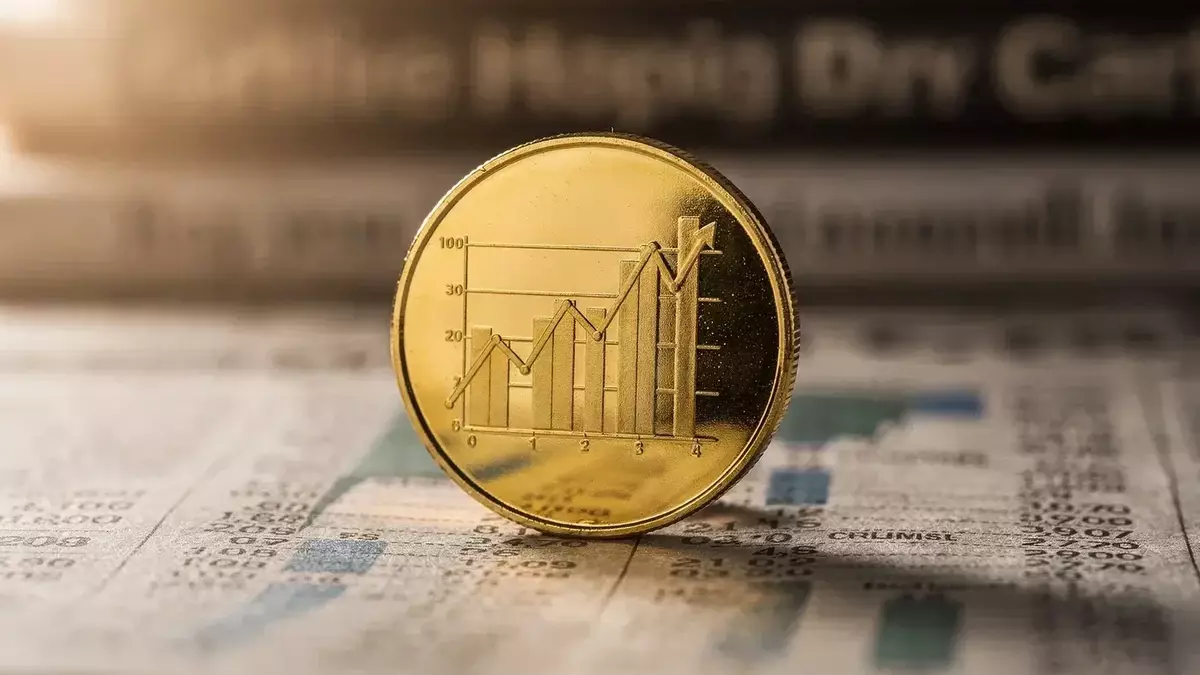
Gold is walking a tightrope. The precious metal settled at $4,042.90 an ounce on Tuesday, down 0.88% on the day and 2.23% lower over the past week, as traders braced for the Federal Reserve’s latest interest-rate decision. Since the start of the year, bullion has shed 6.69% of its value, and the gap to its 52-week high of $5,626.80 — struck on January 29 — has widened to a yawning 28.15%.
The immediate headwind is a muscular US dollar, hovering near its monthly peak and making gold more expensive for buyers outside the dollar zone. But the bigger weight on sentiment is the Fed. The central bank’s two-day policy meeting concludes Wednesday, and while economists expect no change to the federal funds rate — held at 3.5% to 3.75% since the fifth consecutive pause — the market’s focus is squarely on what comes next. Fed Chair Kevin Warsh has already signaled no tolerance for persistent inflation, and futures markets now price a September rate hike as more likely than it was just weeks ago. For a non-yielding asset like gold, rising rate expectations are a direct blow to its appeal.
The macro picture is further muddied by geopolitics. A multi-day pause in US strikes on Iran briefly dampened safe-haven demand, only for reports of Iranian rocket fire against US forces to rekindle nervousness. The net effect has been a metal stuck in a narrow range, trading 4.29% below its 50-day moving average of $4,224.22 — a technical signal that the short-term trend has soured — while staying just 3.63% above its 52-week low from late October.
Should investors sell immediately? Or is it worth buying Gold?
Banks Trim Forecasts as Correction Deepens
The sustained pullback is forcing analysts to recalibrate. Commerzbank has cut its year-end gold forecast from $4,800 to $4,500 an ounce. JPMorgan, Deutsche Bank, and UBS have also trimmed near-term price targets, though all maintain a bullish long-term stance. Philip Hopf at HKCM says his portfolio is running a high cash allocation through the correction and hasn’t ruled out a sharper leg lower, but remains positive on gold’s structural outlook, citing geopolitical risk and ballooning sovereign debt.
Central Banks Keep Buying — China Leads the Charge
If the short-term picture is dominated by Fed anxiety, the long-term narrative rests on an unbroken chain of central bank accumulation. Market observers estimate that official institutions continue to purchase roughly 1,000 tonnes of gold annually. China is the standout: BMO Capital Markets now estimates the country holds around 30,000 tonnes, equivalent to 13% of global reserves, against the US’s roughly 15% share. The People’s Bank of China itself reports 5,200 tonnes and added 15 tonnes last month — its largest monthly purchase since October 2023. At that pace, China could overtake the US in total gold holdings within two to five years.
Beijing is also quietly building out trading infrastructure to shift price discovery eastward, a structural shift that will outlast any single Fed meeting. For now, though, the market’s focus is on Wednesday’s press conference. A hawkish Warsh could send gold below the psychologically critical $4,000 mark. A more measured tone, and the metal may find its footing above that line — at least until the next inflation print lands.
Ad
Gold Stock: New Analysis - 29 July
Fresh Gold information released. What's the impact for investors? Our latest independent report examines recent figures and market trends.
Disclaimer regarding our articles: No investment advice, no buy or sell recommendation. Information on prices, companies, and markets is provided without guarantee; changes are possible at any time. Stock market transactions can lead to substantial losses. Our articles are created and reviewed in whole or in part automatically with the support of AI.