Gold’s $4,030 Tightrope: Why Oil’s Surge Is Backfiring on Bullion
Published on 07/24/2026 at 17:43 | Redaktion boerse-global.de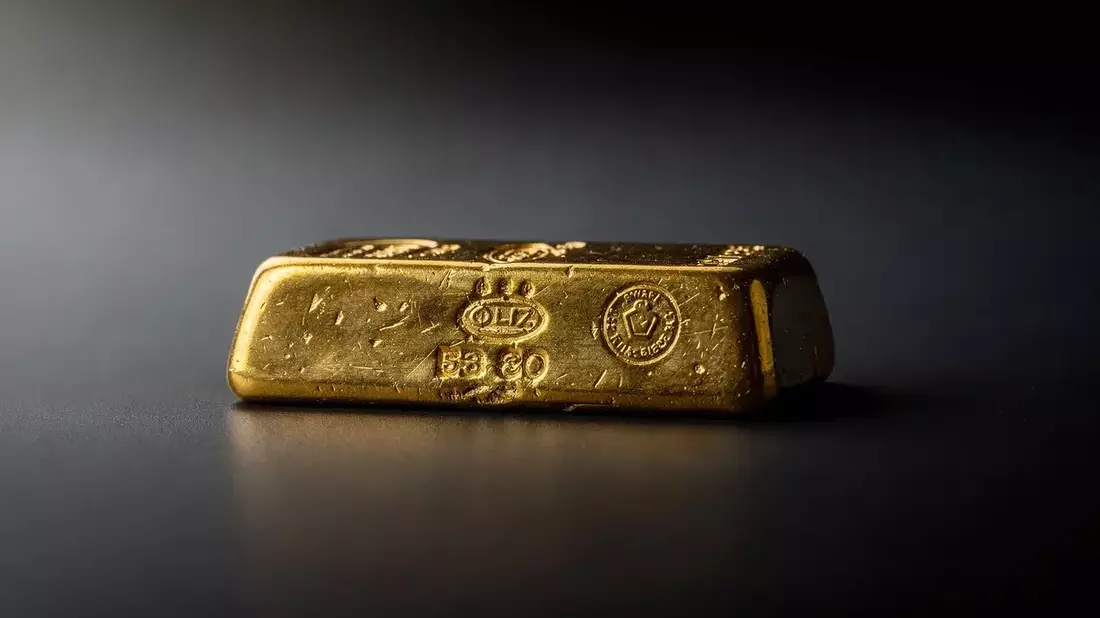
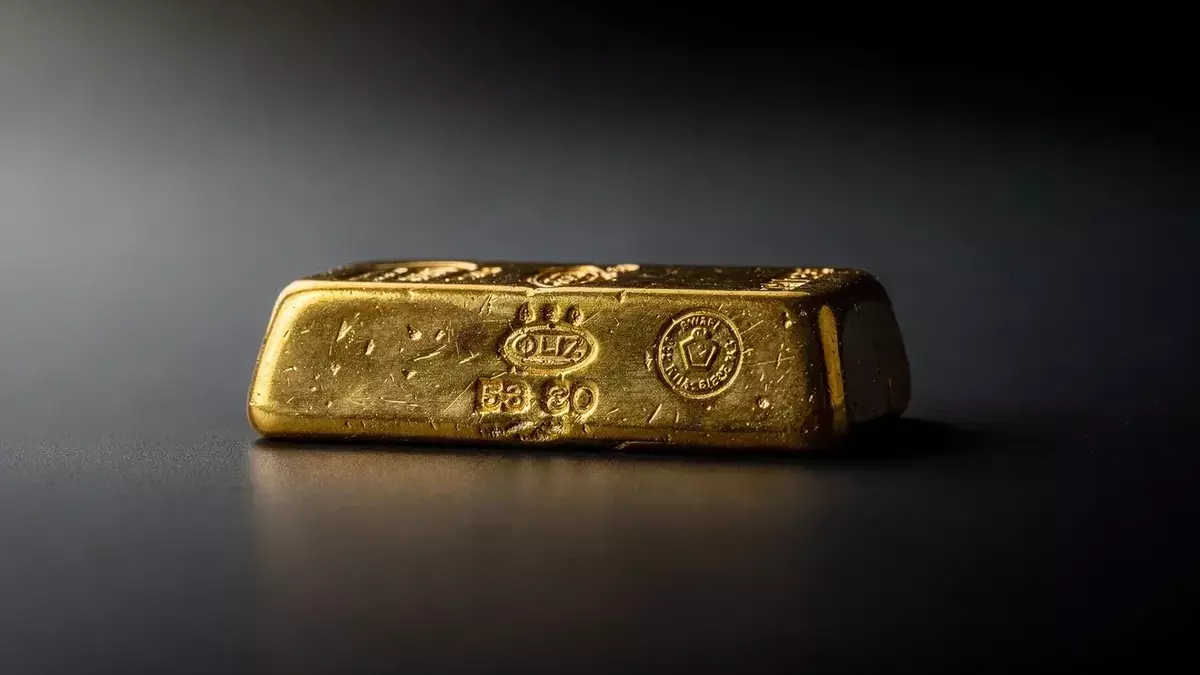
Gold is teetering dangerously close to the psychologically critical $4,000 threshold, with the precious metal shedding another 0.5 percent on Friday to trade near $4,030 per troy ounce on the European spot market. The decline, while modest in percentage terms, marks a steady erosion that has brought the yellow metal within striking distance of a level that many market participants view as a make-or-break support zone.
The culprit isn’t a sudden loss of faith in gold’s traditional safe-haven credentials. Rather, it’s the relentless ascent of bond yields that is reshaping the calculus for investors. Ten-year US Treasury yields have surged to approximately 4.71 percent — their highest level in 18 months — following a surprisingly strong labor market reading. Initial jobless claims tumbled to 187,000, the lowest figure in decades, reinforcing expectations that the Federal Reserve, now under Chairman Kevin Warsh, will maintain an aggressive monetary stance.
The Fed’s Hawkish Shadow Looms Large
The interest rate outlook has become the dominant driver for gold, overwhelming even the most dramatic geopolitical developments. Markets are now pricing in an 82 percent probability of a rate hike at the Fed’s September meeting, according to futures pricing. For the upcoming July 29 decision, the calculus is more nuanced: CME data suggests a 65 percent chance of a pause, though the effective federal funds rate remains anchored at 3.63 percent, essentially unchanged since February.
Goldman Sachs analysts have outlined four potential scenarios for the July meeting, each with distinct implications for bullion. A “hawkish hold” — where the Fed keeps rates unchanged but signals future tightening — could push gold toward $4,000. A neutral stance would likely produce sideways trading, while a “dovish hold” might trigger a relief rally toward $4,300 to $4,400. The most bearish outcome, an actual rate increase, could send prices tumbling toward $3,900.
Should investors sell immediately? Or is it worth buying Gold?
The arithmetic is brutally simple for a zero-yield asset like gold: with US inflation running at 3.5 percent and core inflation at 2.6 percent, real yields are becoming increasingly attractive. Every basis point rise in real rates increases the opportunity cost of holding bullion, driving investors toward interest-bearing alternatives.
When $100 Oil Becomes a Headwind
This week delivered a textbook example of gold’s paradoxical relationship with geopolitical risk. Houthi attacks on Saudi oil tankers in the Red Sea pushed Brent crude above $100 per barrel, while President Trump threatened military action against Iran and Tehran rejected ceasefire proposals. Under normal circumstances, such escalation would be rocket fuel for gold prices.
Yet the expected safe-haven bid failed to materialize. The reason lies in the inflationary feedback loop: surging energy prices stoke inflation expectations, which in turn forces central banks to maintain or even tighten monetary policy. The bond yield advantage has simply overwhelmed the risk premium that gold would typically command in a crisis. As one analyst put it, high oil prices are now acting as a headwind for gold rather than a tailwind, because they reinforce the very interest rate dynamics that are hurting bullion.
Central Banks: The Structural Counterweight
While speculative and institutional investors rotate toward fixed income, a different dynamic is playing out among the world’s central banks. A World Gold Council survey reveals that 89 percent of central banks expect to increase their gold holdings further, with 45 percent actively planning to expand their reserves. The proportion of institutions holding any gold at all has jumped to 93 percent from 81 percent a year ago. For four consecutive years, central banks have purchased more than 1,000 tonnes annually.
Poland has been particularly aggressive, acquiring a net 31 tonnes in the first quarter alone. China’s central bank, meanwhile, added to its reserves for the 20th consecutive month, bringing its total holdings to 2,346 tonnes as of June. Chinese gold imports reached 173 tonnes in June — the highest since March 2024 — following 163 tonnes in May. A new licensing system implemented in early June has made it easier for Chinese banks to access import quotas, contributing to the surge. Over the first five months of the year, Chinese imports were running 76 percent above the prior-year level.
This structural demand provides a floor beneath prices, but it may not be sufficient to defend the $4,000 level if the selling pressure intensifies. On the other side of the ledger, Russia has sold approximately 44 tonnes from its reserves this year — the largest disposal in 25 years — partially offsetting the buying from other nations.
Gold at a turning point? This analysis reveals what investors need to know now.
Producers Feel the Squeeze
The price dynamics are showing up in corporate earnings. Newmont, the world’s largest gold producer, reported a realized gold price of $4,414 per ounce for the second quarter, well above year-ago levels. Yet rising energy costs and higher capital expenditures are compressing margins, even as production volumes stagnate.
Chart watchers are now focused on the $4,000 level as a critical technical threshold. IG analyst Tony Sycamore identifies support above $3,942, with a bullish signal only emerging above $4,202. A break below $4,000 could trigger additional selling from momentum-driven funds, with the 200-day moving average at $4,495 representing the next major upside target.
JPMorgan maintains a price target of $4,500, while Goldman Sachs sees $4,900 as achievable. But those projections assume a more favorable interest rate environment than currently prevails. For now, gold remains caught between the gravitational pull of rising yields and the countervailing force of central bank accumulation — with the July 29 Fed decision likely to determine which force wins out.
Ad
Gold Stock: New Analysis - 24 July
Fresh Gold information released. What's the impact for investors? Our latest independent report examines recent figures and market trends.
Disclaimer regarding our articles: No investment advice, no buy or sell recommendation. Information on prices, companies, and markets is provided without guarantee; changes are possible at any time. Stock market transactions can lead to substantial losses. Our articles are created and reviewed in whole or in part automatically with the support of AI.