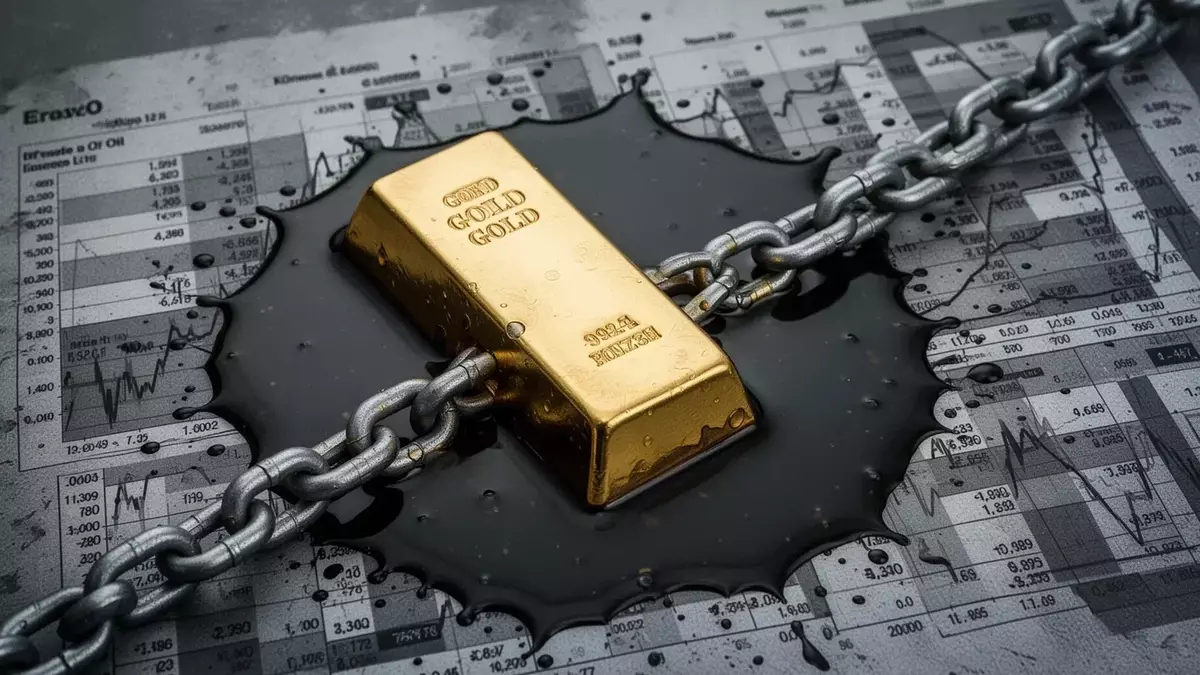
Gold Suffers Steepest Slide Since March as Energy-Fueled Inflation Eclipses Geopolitical Risks
Published on 06/11/2026 at 08:14 | Redaktion boerse-global.de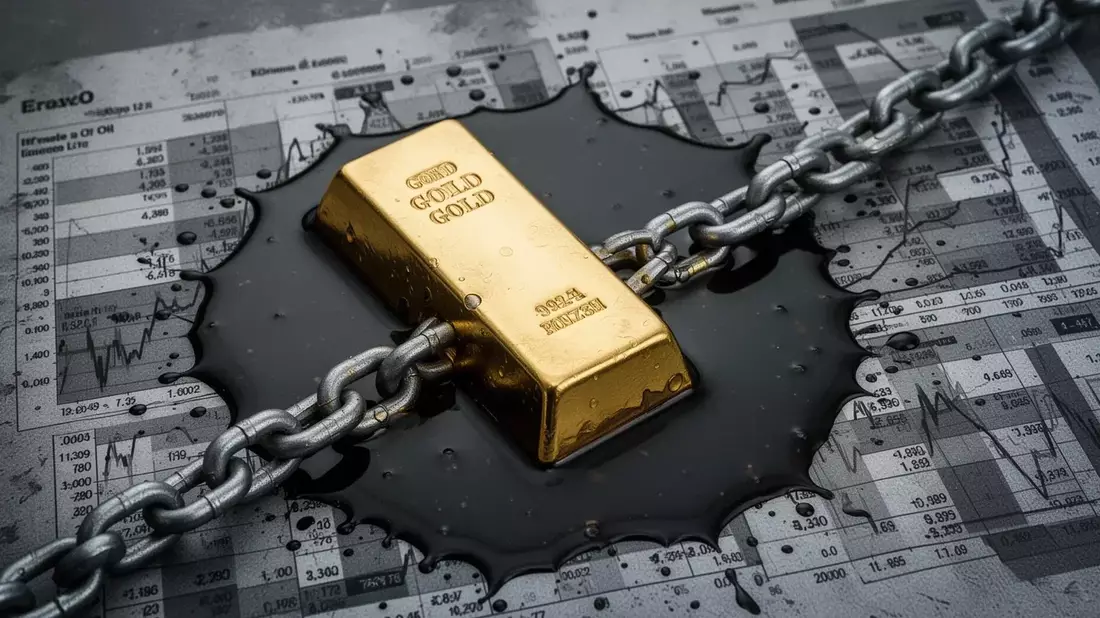
Gold tumbled 2.7 percent on Wednesday to $4,148.86 an ounce, touching its lowest level since March 23, as red-hot US consumer price data rewrote the script for the precious metal. The spot close of $4,143.60 left the yellow metal nursing losses of almost 8 percent over the past week and just over 4.5 percent since the start of the year, with the Relative Strength Index sinking to 25 — a level that typically signals deeply oversold conditions.
The sell-off was triggered by the May consumer price index, which rose 0.5 percent month-on-month and 4.2 percent from a year earlier. Energy was the overwhelming culprit: the energy index surged 3.9 percent on the month, accounting for more than 60 percent of the headline increase. Core CPI, which strips out volatile food and energy items, rose a more modest 0.2 percent sequentially and 2.9 percent annually, but that did little to calm rate-expectation nerves. Traders now price in a 70 percent probability of a Federal Reserve rate hike in December, two percentage points higher than a day earlier, according to CME FedWatch data. Higher rates raise the opportunity cost of holding non-yielding bullion, and Wednesday’s action reflected that calculus in full force.
The conventional wisdom that geopolitical tensions in the Middle East automatically buoy gold was turned on its head this week. Escalation between the US, Israel, and Iran stoked oil prices higher, which in turn amplified inflation expectations — a chain reaction that ultimately punished the metal. Rather than providing a safe-haven bid, the crisis served to reinforce the tightening bias in monetary policy. A stronger dollar, itself a consequence of rising rate expectations, added another layer of headwind by making dollar-denominated gold more expensive for overseas buyers. All four factors — higher oil, higher inflation, higher rates, and a firmer dollar — aligned simultaneously against gold, overwhelming any residual crisis premium.
Should investors sell immediately? Or is it worth buying Gold?
Institutional demand offered no counterweight. Gold-backed exchange-traded funds globally recorded net outflows of $2 billion in May, pushing total assets under management down 2 percent to $604 billion. Holdings stand at 4,121 metric tons, just shy of the record peak hit in February 2026. Only European-listed ETFs attracted net inflows last month, leaving the broader investor base conspicuously absent as physical demand fails to cushion the paper-market rout.
The next test comes later today with the release of US producer prices for May. A hot reading would reinforce the hawkish narrative and pile further pressure on gold. But if the data print below expectations, the narrative could flip quickly — the technical oversold signal at RSI 25 suggests limited downside from current levels. Looking further ahead, the next CPI report for June is due on July 14. Until then, gold’s fate remains tightly tied to the trajectory of energy costs, the dollar, and the market’s evolving bet on Fed policy.
Ad
Gold Stock: New Analysis - 11 June
Fresh Gold information released. What's the impact for investors? Our latest independent report examines recent figures and market trends.
Disclaimer regarding our articles: No investment advice, no buy or sell recommendation. Information on prices, companies, and markets is provided without guarantee; changes are possible at any time. Stock market transactions can lead to substantial losses. Our articles are created and reviewed in whole or in part automatically with the support of AI.