
Gorillaz spark comeback rumors with studio teasers and tour hints
Published on 06/01/2026 at 04:12 | Editorial responsibility: Rafael Müller, Editor-in-Chief AD HOC NEWS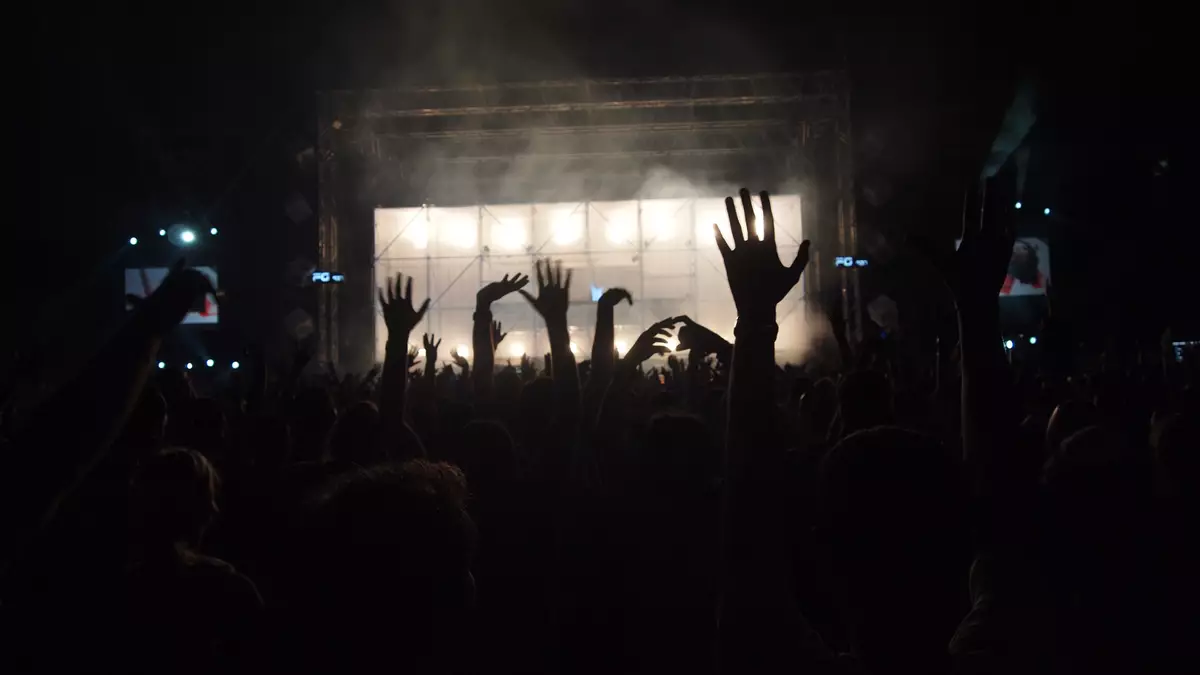
Gorillaz, the shape-shifting virtual band created by Damon Albarn and Jamie Hewlett, are quietly stoking comeback talk again, with fresh studio teases, visual updates, and renewed tour chatter suggesting that a new chapter could be forming for US fans.
Why Gorillaz are back in the news right now
Over the past year, Gorillaz have moved through a transitional stretch: wrapping another album cycle, pausing intensive touring, and watching Damon Albarn briefly return to Blur before suddenly exiting that band’s latest run of dates, which sparked questions about where his attention would turn next. According to reports from outlets such as the BBC and The Guardian, Albarn’s Blur commitments in 2023 and early 2024 were framed as a short-lived reunion burst rather than a permanent refocus, leaving the door open for renewed Gorillaz work afterward.
Industry-facing coverage in US music press has consistently treated Gorillaz as Albarn’s primary ongoing project in the 21st century, especially given the group’s deep bench of collaborators, touring infrastructure, and cross-media appeal in the American market. Publications like Rolling Stone and Billboard have emphasized how Gorillaz evolved from an experimental cartoon band into a reliable festival headliner and streaming-era staple, positioning them as one of the few rock-adjacent acts that can comfortably sit in both pop and alternative spaces for US audiences.
As of June 1, 2026, the band’s official channels and core US outlets had not announced a fully detailed new studio album or a complete North American tour itinerary, but fans have been closely parsing every visual update, remix drop, and social media hint for signs of what might come next. That anticipation alone keeps Gorillaz in the conversation, particularly in the United States, where their hybrid of rock, hip-hop, electronic, and pop still fits neatly into streaming playlists and festival lineups.
How Gorillaz became a US festival and streaming mainstay
To understand why any small hint of activity from Gorillaz resonates so loudly in the US, it helps to remember how unusual their rise has been. The project launched at the turn of the millennium as what many US listeners initially assumed was a one-off art experiment: a fully animated band with fictional members 2D, Murdoc, Noodle, and Russel, performing music written and produced by Albarn and a rotating cast of collaborators. According to long-form profiles in outlets like The New York Times and Rolling Stone, this gamble paid off quickly when early singles such as "Clint Eastwood" and "19-2000" crossed over on American rock and pop radio, as well as on MTV-era video channels that played heavily into the animated visuals.
Gorillaz’s early success in the United States foreshadowed the streaming era’s emphasis on genre-fluid mashups. Per retrospective coverage in Billboard and NPR Music, the band’s blend of hip-hop beats, dub, punk energy, and melodic pop choruses appealed not only to rock listeners but also to hip-hop fans drawn in by guest verses from artists like Del the Funky Homosapien and later De La Soul, and to electronic music listeners who recognized the production sensibility. The group’s fictional nature made them a perfect match for internet fandom culture, with American fans building elaborate lore, fan art, and theories around the animated characters long before Discord servers and TikTok edits would turn that behavior into the norm.
As the 2000s rolled on, US coverage increasingly treated Gorillaz as a touring force. The band’s live shows, which have ranged from semi-concealed silhouettes of the human musicians to full-band staging with giant animated backdrops, became fixtures at major American festivals. Although specific date lists shift, acts like Gorillaz have regularly been booked at festivals including Coachella in California and Outside Lands in San Francisco, according to curated lineups and festival recaps in publications such as Variety and Consequence. Those repeated appearances helped cement Gorillaz as a reliable draw for US promoters like Goldenvoice and Another Planet Entertainment.
Streaming only deepened that connection. Once US-based platforms prioritized mood and genre-mixing playlists, Gorillaz tracks fit seamlessly into categories like "alternative hits," "retro 2000s," "indie pop," and "lo-fi beats". Critical commentary from Pitchfork and Stereogum has pointed out that this catalog elasticity keeps the band in constant low-level rotation for American listeners even in between full album cycles, which in turn makes each new single or tour announcement feel like a major event.
The state of the catalog and what US fans are revisiting now
During a moment when concrete news is limited, US listeners tend to circle back to the band’s existing album run, reassessing which eras resonate most today. According to archivist-style pieces in outlets like Spin and Vulture, the early 2000s albums are often viewed as foundational, but US critics and fans have also warmed strongly to later projects that originally produced more divided reactions.
The band’s second album is frequently hailed as a creative high point, especially in assessments from NPR Music and The Guardian that describe its mix of dub, hip-hop, and melancholy pop as an early blueprint for the emotional, genre-blurring records that would come to define the streaming era. US listeners often cite the record’s singles as gateway tracks that pulled them deeper into the Gorillaz universe, in part because of heavy rotation on rock and alternative radio.
Later releases moved even further into collaboration-heavy territory, with guest lists that read like mini-festival posters. According to coverage from Billboard and Variety, these albums allowed Gorillaz to plug directly into contemporary US scenes, whether by tapping hip-hop heavyweights, rising pop vocalists, or underground electronic producers. Some American critics initially felt that this approach turned the project into a cameo collage, but recent reassessments have emphasized the curatorial vision behind the pairings, positioning Albarn as a kind of festival booker working inside the studio.
From a US-chart perspective, Gorillaz have also enjoyed a steady presence. While exact chart positions fluctuate over time, coverage in Billboard’s archival features has noted that several of the band’s albums have reached high positions on the Billboard 200, and individual singles have repeatedly impacted rock and alternative radio charts. As of June 1, 2026, Gorillaz continue to appear on US streaming charts and algorithmic playlists, especially catalog tracks that soundtrack TikTok trends and YouTube edits. Analysts who cover the American music market emphasize that this kind of durable catalog performance can sometimes matter more to long-term career health than a single massive hit.
Touring potential: what a future US run might look like
Even without a freshly announced tour for the United States, it is possible to sketch out the contours of what another American run from Gorillaz could entail based on their recent touring history and the current live landscape. According to Pollstar and coverage in US outlets that follow the touring business, the band’s previous tours have focused heavily on coastal markets and major hubs: cities like Los Angeles, San Francisco, Chicago, New York, and Atlanta tend to be reliable stops, often in arenas or large outdoor amphitheaters operated by companies such as Live Nation and AEG Presents.
American festivals would almost certainly be part of the picture. Promoters like Goldenvoice, which runs Coachella in Indio, California, and C3 Presents, which handles events like Lollapalooza Chicago and Austin City Limits, have a track record of booking Gorillaz as headliners or high-ranking sub-headliners. Festival preview pieces and recaps in outlets like Consequence, Spin, and Rolling Stone consistently rank the band as a highlight, particularly because of the sheer number of guests who can potentially appear during a given set, turning each show into a one-night-only event.
Venue choice in the US is also structured around the project’s unique staging needs. A full-scale Gorillaz production typically requires large video walls, intricate lighting, and enough space to house both the core band and frequent guest musicians. That makes arenas such as Madison Square Garden in New York, the Kia Forum in the Los Angeles area, and United Center in Chicago natural fits. US coverage of past tours often emphasizes how visually immersive the shows are, with critics comparing them to animated films performed live. Variety and The Los Angeles Times have both described previous US performances as closer to multimedia theater than standard rock concerts.
One practical step for American fans tracking tour developments is to keep tabs on dates and routing information shared through Gorillaz's official website, which has historically been used to centralize announcements when a new run is confirmed. As of June 1, 2026, observers are watching for any subtle updates there that might signal a shift from background planning to firm on-sale dates, particularly as the fall and spring touring windows begin to fill up for other major acts.
Visual world-building: why the Gorillaz universe still matters in 2026
One of the biggest reasons Gorillaz generate such persistent US interest even in quiet periods is the depth of their visual storytelling. Jamie Hewlett’s art style, which blends punk comics, anime, and underground illustration, has given American fans a set of characters who feel both cartoonish and oddly human. According to feature stories in The New Yorker and Rolling Stone, this visual identity has allowed the project to evolve across technology shifts: music videos started on MTV and MuchMusic, migrated to YouTube and Vevo, and now circulate widely on TikTok and Instagram Reels, where snippets of animation can rack up millions of loops.
The band’s fictional members have personas that US fans treat almost like live-action celebrities, tracking their in-universe relationships, rivalries, and evolutions. American music writers in outlets like Vulture and Pitchfork have argued that this meta-storytelling keeps Gorillaz relevant in an age when listeners often connect with artists as characters in an ongoing narrative rather than simply as performers. Each new album cycle tends to bring updated character designs, story beats, and visual motifs, which fans dissect in YouTube essays and Reddit threads.
This cross-media appeal also aligns Gorillaz with broader trends in US entertainment, where franchises build out worlds across film, television, gaming, and music. Analysts who cover intellectual property and media convergence have pointed to Gorillaz as a music-first version of that strategy: the songs anchor the project, but the surrounding art, videos, and hypothetical film or series pitches create a sense that the universe could expand in multiple directions. That perception helps keep anticipation high whenever there is talk of a new phase, whether or not the band has formally attached a title or release window to it.
For younger US listeners who may have discovered Gorillaz through streaming rather than through early-2000s radio, the animated aspect can also provide a low-barrier entry point. Clips of the characters dancing, fighting, or just vibing in stylized environments translate well into GIFs and memes, extending the band’s reach beyond core music fans into general internet culture. This helps explain why a Gorillaz catalog track can suddenly spike years after release if a particular scene or lyric gains traction on social media.
Collaborations, genre fluidity, and US radio realities
Gorillaz’s collaborative nature aligns well with contemporary American listening habits, where playlists frequently jump between hip-hop, R&B, pop, rock, and EDM in a single sitting. According to commentary from Billboard and NPR Music, the group’s willingness to pair Albarn’s melodic sensibilities with rappers, soul singers, and experimental producers anticipated the current era of genre-mixing before it became standard practice. This foresight has endeared Gorillaz to younger US artists who cite the band as an influence when discussing their own fusion-heavy sound.
However, this same openness has sometimes made US radio support more complex. Program directors for commercial stations often prefer songs that fit neatly into established formats—top 40, alternative, adult contemporary, rhythmic, or urban. Gorillaz tracks, which can include rap verses, sung choruses, and electronic production in the same song, do not always sit comfortably in one category. Coverage in trade publications and industry interviews reported by outlets like Rolling Stone and Variety has noted that certain singles required multiple mixes or targeted promotion to find their footing on American airwaves.
Despite these challenges, US radio has played an important role in familiarizing casual listeners with the Gorillaz name, particularly during album cycles where a single was pushed to alternative or rock stations. College and non-commercial radio networks, including influential American public radio stations, have also helped champion deeper cuts that might not otherwise get mainstream rotation. Critics at NPR Music have highlighted how this ecosystem of college radio, satellite radio, and streaming services can support artists like Gorillaz who operate slightly outside the standard genre lanes.
Streaming platforms ultimately lessened the constraints of format by allowing listeners to self-curate. In the United States, playlists that focus on mood (chill, study, road trip) or aesthetics (retro-future, lo-fi) tend to feature Gorillaz tracks across multiple eras. This presence keeps the band’s name and songs in circulation even when a specific campaign is not targeting US radio in a traditional way. As of June 1, 2026, catalog analytics discussed in US media coverage indicate that the project’s listenership skews globally but includes a large and enduring American segment, reinforcing that any new release or tour announcement would immediately resonate stateside.
US cultural impact: where Gorillaz sit in the 2026 landscape
In a crowded US music scene, what sets Gorillaz apart is not just their animated gimmick, but the ways they anticipated several trends that now define the mainstream. Commentators in outlets like The Washington Post and The New York Times have noted that Gorillaz predicted the rise of virtual personalities and avatars years before VTubers, AI influencers, and digital pop stars became commonplace. American audiences now regularly interact with fictional characters on social media, watch concerts in video games, and follow musicians who build stylized alter-egos; Gorillaz helped make that dynamic feel natural long before it became the norm.
The project’s emphasis on collaboration also reflects US cultural shifts toward cross-genre and cross-generational partnerships. Albums that bring together legacy figures and emerging artists are now standard, but when Gorillaz started pairing Britpop alumni with US rappers and underground producers, the combination felt strikingly novel to Stateside listeners. Contemporary commentators often frame this history as a reason younger American artists feel comfortable crossing genre lines without apology: the model of a cartoon band that could work with anyone opened mental doors.
Visually and thematically, Gorillaz have also mirrored US anxieties about technology, urban life, climate change, and isolation, especially in albums released after the 2008 financial crisis and during the social media boom of the 2010s. Critics in American publications such as Pitchfork and Vulture have read many of the band’s videos and lyrics as portraits of a world overwhelmed by screens, advertising, and environmental decay. That sensibility still resonates today, making older songs feel eerily current to US listeners navigating algorithmic feeds and AI-generated content.
From a live perspective, the band’s constant reshuffling of guests and arrangements aligns well with US expectations for big-ticket shows that deliver unique moments. Reviewers at outlets like Variety and The Los Angeles Times have described previous Gorillaz dates at venues such as the Hollywood Bowl and major festivals as events where anything could happen, whether it is an unexpected guest appearance or a reworked version of a familiar song. That unpredictability contributes to the build-up whenever rumors of new touring activity surface.
How US fans are staying engaged between major announcements
In the absence of a fully detailed new album or tour, Gorillaz fans in the United States have developed their own routines to keep the flame burning. Online communities on platforms like Reddit, Discord, and X (formerly Twitter) routinely share rare live recordings, remix contests, and fan-made art, treating the band’s universe as a collaborative sandbox. US-based content creators host listening parties, ranking streams, and longform video essays that revisit each album cycle and speculate about future directions.
American music news outlets also help maintain momentum by publishing anniversary pieces, oral histories, and think-pieces that reframe different eras of the band’s career. For example, major dates around album releases or landmark US tour stops often prompt retrospective features in publications such as Rolling Stone, Billboard, and Stereogum, which in turn encourage casual listeners to revisit classic tracks. These cyclical rediscoveries can yield small spikes in US streaming statistics, reinforcing the perception that Gorillaz are a constant presence rather than an act that disappears between cycles.
Merchandising, collaborations with fashion labels, and limited-edition drops keep the visual side of the project in front of American fans. While details vary, analysts in US culture and business outlets have noted how music-adjacent merchandise and lifestyle branding can both solidify a fan base and provide revenue streams during quiet release periods. For Gorillaz, whose character designs translate easily onto clothing, posters, and collectibles, this is a natural extension of their world-building and a consistent point of connection for US listeners who want to express fandom offline.
For readers who want to dig deeper into coverage of the band’s evolving story, there is more Gorillaz coverage on AD HOC NEWS, including reports that track how the project’s different eras have resonated across rock, pop, and electronic music in the United States.
FAQ: Gorillaz now and what US fans should watch
Are Gorillaz currently on tour in the United States?
As of June 1, 2026, there is no widely publicized, fully routed US tour for Gorillaz that has been confirmed through the usual American industry channels. Coverage in outlets that track major tours for the US market has not reported a fresh nationwide run with dates, venues, and on-sale information. However, because the project has a history of announcing festival appearances, one-off shows, and regional legs on a rolling basis, US fans are watching the band’s official platforms and industry news feeds closely for updates.
Where will US tour dates be listed first when they are announced?
When Gorillaz do lock in new US dates, information typically appears across several channels in quick succession: the band’s official website, social media accounts, and major US promoters and ticketing partners. Historically, the project’s internal team has used the official web portal to provide centralized, regularly updated listings that group US dates with international tour stops, making it a key reference point for American fans.
Do Gorillaz still have a strong US fan base?
Everything from streaming metrics discussed in US media to the enthusiasm surrounding prior tour stops suggests that Gorillaz maintain a robust American following. Catalog tracks continue to circulate on US streaming platforms, especially in playlists oriented around alternative hits, nostalgic 2000s music, and genre-bending collaborations. Past US shows have drawn large crowds in markets along both coasts and in the Midwest, indicating that demand for future appearances remains high.
Will a new Gorillaz era sound more rock, pop, or electronic?
Because Gorillaz have always been defined by their willingness to shift sounds and collaborators, predicting the exact sonic direction of any future project is difficult. Critics in American outlets often emphasize that each album era balances rock, pop, hip-hop, and electronic influences in different proportions. US listeners can reasonably expect that whatever comes next will continue this tradition of genre fluidity, while incorporating voices and sounds that feel contemporary to the 2026 landscape.
How important is the US market to Gorillaz overall?
The United States has long been one of the most important territories for Gorillaz in terms of touring opportunities, festival slots, and streaming volume. Major festival bookings, strong chart showings on Billboard rankings during past album cycles, and continued catalog performance on US services all point to the American market as a cornerstone of the project’s global footprint. That reality provides a strong incentive for the band to keep cultivating the US audience with future releases and live performances.
For now, Gorillaz remain a rare example of a UK-born project that has built an enduring, multi-generational American fan base around a virtual band concept, suggesting that whenever a new era fully emerges, the United States will once again be one of its most important stages.
By the AD HOC NEWS Music Desk » Rock and pop coverage — The AD HOC NEWS Music Desk, with AI-assisted research support, reports daily on albums, tours, charts, and scene developments across the United States and internationally.
Published: June 1, 2026 · Last reviewed: June 1, 2026
Share this article
Copy link and share with friends who follow Gorillaz, US tours, and the evolving world of virtual bands.


