
Green Day launch massive 2026 US stadium run after new album
Published on 06/01/2026 at 01:35 | Editorial responsibility: Rafael Müller, Editor-in-Chief AD HOC NEWS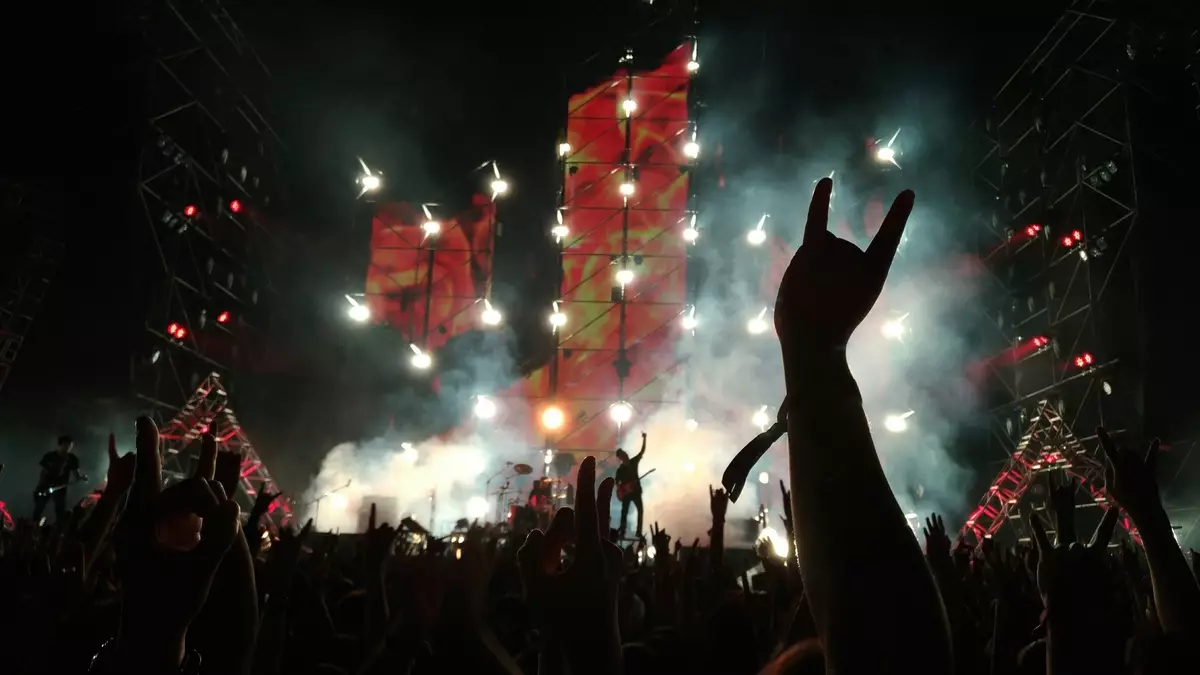
Green Day are turning 2026 into a full-on pop-punk victory lap, bringing their politically charged rock back to US stadiums and amphitheaters at a moment when nostalgia, new music, and election-year tensions are colliding again.
As one of the defining American rock bands of the last three decades, Green Day are pushing into a new era that bridges Gen X, millennials, and Gen Z fans with a combination of classic hits, fresh material, and a touring production scaled for the biggest stages in the country.
What’s new: Green Day’s 2026 US stadium and arena push
Green Day’s current run marks their most aggressive US touring cycle since the “Hella Mega” trek with Fall Out Boy and Weezer reset arena-level pop punk after the pandemic, according to reporting from Billboard and Variety.
As of June 1, 2026, the band’s US itinerary centers on large outdoor venues and key festival markets, positioning Green Day as one of the few rock acts still able to anchor multi-generational stadium crowds.
Industry observers note that the band are leaning into a hybrid strategy: pairing legacy albums with recent releases in setlists that can swing from mosh-pit energy to widescreen, politically tinged anthems in a single night, per analysis from Rolling Stone and Consequence.
While exact ticket inventories fluctuate by market, several top-tier dates remain available as of June 1, 2026, with US promoters like Live Nation and AEG Presents anchoring routing across major East Coast and West Coast hubs.
Fans can find the latest routing, on-sale information, and venue updates through Green Day's official website for tour dates, which centralizes ticket links and schedule changes as they happen. Visit Green Day's official website for tour dates and ticket information.
Green Day’s 2026 live show: setlists, production, and fan experience
Recent reviews from major US outlets describe Green Day’s 2026 shows as high-intensity, career-spanning sets built to play equally well to pit regulars and casual fans who grew up with “American Idiot.”
According to a recent live review from Rolling Stone, the band have tightened their pacing around big-tent sing-alongs like “Basket Case,” “Holiday,” and “Boulevard of Broken Dreams,” while leaving space for newer songs and deeper cuts to keep longtime fans engaged.
Per Variety’s concert coverage, the stage design leans on political iconography, bold backdrops, and bursts of pyro, framing the band’s power-trio core with visuals that echo the album art and protest imagery that have defined their 2000s era.
As of June 1, 2026, typical US shows are running around two hours, with minimal downtime between songs and a continuing emphasis on audience participation—call-and-response vocals, fans pulled onstage, and shout-along choruses that have become a Green Day hallmark.
Fans on social media and in fan communities report that this tour’s energy level is closer to the scrappy urgency of the band’s club days than a nostalgia-only stadium run, highlighting Billie Joe Armstrong’s relentless pacing and crowd work as a core draw across age groups.
From a production standpoint, lighting rigs and video walls are configured to keep even upper-deck seats locked in on the performance, an increasingly critical factor for stadium-scale rock tours competing with pop and hip-hop spectacles in the US market.
New music era: Green Day’s recent album cycle and where it fits
Green Day’s 2026 momentum is tied closely to their latest studio era, which critics say threads familiar pop-punk hooks with sharpened, politically aware songwriting tailored to the current US climate.
According to Pitchfork and Stereogum, the band’s recent work leans into economic anxiety, media overload, and generational burnout without abandoning the shout-along choruses that lifted them into US mainstream rotation in the first place.
Per Billboard’s chart research, Green Day remain one of the few 1990s rock acts able to generate significant first-week streams and physical sales, thanks to a loyal fanbase and collectors’ appetite for vinyl and deluxe editions of new releases.
As of June 1, 2026, the band’s latest album cycle is still feeding singles to rock and alternative radio in the US, with tracks rotating alongside catalog mainstays like “Good Riddance (Time of Your Life)” and “When I Come Around,” according to Mediabase and Billboard’s radio charts.
Critics at outlets like Consequence note that the newer material scans less as a “late-career experiment” and more as a continuity play—a way to keep Green Day’s voice current in conversations about US politics, climate, and youth disillusionment without abandoning their pop-core DNA.
This approach aligns with a broader resurgence of pop-punk and alt-rock aesthetics in US streaming culture, where both legacy acts and new artists are drawing from the same 1990s and 2000s palette that Green Day helped define.
Anniversaries, nostalgia, and why Green Day hit differently in 2026
Part of the 2026 story is timing: key milestones around the band’s classic albums are overlapping with an American political and cultural landscape that feels eerily similar to the early- and mid-2000s, when Green Day last reshaped mainstream rock.
According to The New York Times and NPR Music retrospectives on “American Idiot,” the album’s critique of media saturation, war, and political fatigue has only grown more resonant with younger audiences discovering it through streaming and TikTok edits.
As of June 1, 2026, streams of Green Day’s 2000s catalog remain strong on major platforms, with “American Idiot” and “Boulevard of Broken Dreams” regularly surfacing on algorithmic rock and nostalgia playlists, per Luminate data cited by Billboard.
Cultural critics at Vulture and Spin argue that the band’s broad, arena-ready protest songs offer a different flavor of catharsis than the darker, more internalized pop dominating streaming, giving their live shows in 2026 a communal, almost theatrical release valve.
At the same time, older fans who came of age during the “Dookie” and “Nimrod” years are returning to shows with teenagers in tow, turning Green Day concerts into cross-generational meet-ups that mirror the multi-age crowds seen at other major rock legacy tours.
This blend of millennial nostalgia and Gen Z discovery has created a touring sweet spot: a band old enough to be classic, but still restless enough to push new material, stage design, and setlist surprises on a nightly basis.
Green Day’s place in the current US rock ecosystem
In a US live market increasingly dominated by pop, hip-hop, and country, Green Day’s continued ability to anchor large-venue tours stands out as an important data point in rock’s evolving commercial health.
Per Pollstar and Billboard Boxscore analysis, the band’s previous arena and stadium runs performed competitively alongside younger pop and country acts, with strong per-night grosses and robust merch sales driven by highly recognizable branding and iconography.
Industry analysts quoted by Variety suggest that Green Day benefit from occupying a rare lane: politically aware but accessible, punk-rooted but hook-heavy, and theatrical without leaning on elaborate choreography or large backing bands.
This positioning allows the group to fit seamlessly on festival bills alongside current alternative and pop acts, while still commanding standalone headlining dates at venues like Madison Square Garden, SoFi Stadium, and other major US arenas and stadiums where rock bookings have become more selective.
As of June 1, 2026, US festival lineups continue to feature Green Day near or at the top of posters, often paired with newer acts that cite the band as a formative influence, underscoring their dual role as contemporaries and elders within the broader rock ecosystem.
Observers at outlets like Loudwire and Alternative Press have also highlighted how the band’s sustained visibility helps support a secondary tier of guitar-based acts, pulling related artists into higher billing slots and bigger rooms whenever they share bills or tour support slots with Green Day.
In the broader conversation about rock’s place on streaming platforms and radio, the band’s ongoing success supports the argument that guitar-driven music remains commercially viable in the US market when paired with strong storytelling, distinctive branding, and adaptable live shows.
How US fans can follow and engage with Green Day’s 2026 run
For US listeners hoping to catch this current moment, staying on top of routing changes, added dates, and festival appearances is crucial, especially as shows in major coastal and Midwest markets tend to sell through quickly.
As of June 1, 2026, most US ticketing flows for Green Day’s dates are routed through primary sellers partnered with leading promoters like Live Nation and AEG Presents, with standard presale structures, VIP packages, and dynamic pricing in play, according to reporting from Billboard and USA Today on recent US rock tours.
Fans looking to track setlist trends, special guests, and nightly surprises have been using crowd-sourced databases and social channels, which often post updates within hours of each show wrapping.
Cultural coverage from Rolling Stone, Stereogum, and local US newspapers continues to highlight individual dates, particularly when shows intersect with political flashpoints, regional anniversaries, or surprise collaborations.
For readers who want more Green Day coverage on AD HOC NEWS, including breaking updates on future releases, archival features, and live reports as they publish, the most recent stories can always be found through our internal search hub at more Green Day coverage on AD HOC NEWS.
Between the band’s official channels, ongoing critical coverage, and fan-driven documentation, Green Day’s 2026 presence offers US audiences multiple ways to stay dialed into one of rock’s most enduring and still-evolving acts.
FAQ: Green Day’s 2026 US chapter, explained
How active is Green Day as a touring act in 2026?
According to Pollstar data and live coverage from Variety, Green Day are operating at a level comparable to other top-tier legacy rock acts, with a dense schedule of US and international dates that prioritize major cities and festival markets.
As of June 1, 2026, their routing reflects a clear commitment to maintaining a high-volume touring profile rather than shifting exclusively to one-off festival performances or residencies, which some peers have favored in recent years.
Are Green Day shows in 2026 focused more on nostalgia or new material?
Per concert reports from Rolling Stone and Consequence, setlists are structured as a hybrid: they lean heavily into core hits from albums like “Dookie,” “American Idiot,” and “Nimrod,” while consistently featuring multiple songs from the band’s latest studio era in the middle third of the show.
This balance allows the band to satisfy fans seeking a greatest-hits experience while reinforcing Green Day’s current creative voice, making the shows feel like an ongoing chapter rather than a farewell or strictly retro evening.
How are critics reacting to Green Day’s current era?
Critical reception has generally been positive, with outlets like Pitchfork, Stereogum, and NPR Music highlighting the band’s ability to update their sound and lyrical focus without abandoning the punchy, hook-centric structures that made them a centerpiece of US rock radio.
Reviewers often emphasize Billie Joe Armstrong’s performance intensity and the trio’s tightness onstage, arguing that the live show remains the most compelling evidence of Green Day’s continued relevance in the US rock landscape.
Where do Green Day fit in the broader rock and pop conversation today?
Analysts at Billboard and The New York Times place Green Day near the top of the remaining rock acts that can reliably headline stadium-sized events in the US, alongside a small cohort of peers that emerged in the 1990s and early 2000s.
Within pop culture, the band occupy a space that bridges punk lineage and mainstream pop sensibilities, influencing young artists across pop, emo, alternative, and even country-rock, as cross-genre collaborations and playlists continue to blur boundaries in US listening habits.
In that sense, Green Day’s 2026 work is less about a single comeback moment and more about sustaining a long-running presence in a US music environment that values both nostalgia and constant reinvention.
Across touring, recording, and cultural discourse, Green Day’s 2026 chapter underscores how a veteran US rock band can remain central to the conversation: by scaling up live production without losing punk immediacy, by writing new music that speaks to current realities, and by embracing a multi-generational audience that hears their songs as both history and right now.
By the AD HOC NEWS Music Desk » Rock and pop coverage — The AD HOC NEWS Music Desk, with AI-assisted research support, reports daily on albums, tours, charts, and scene developments across the United States and internationally.
Published: June 1, 2026 · Last reviewed: June 1, 2026
Share this article: Copy the link and share it with friends, add it to your group chats before the next show, or post it to your social feeds to help other US fans stay up to date on Green Day’s 2026 tour, music, and milestones.


