Green Day mark new era with Saviors tour push
Veröffentlicht: 17.05.2026 um 00:55 Uhr, Redaktion AD HOC NEWS, Redaktionelle Verantwortung: Rafael Müller (Chefredaktion)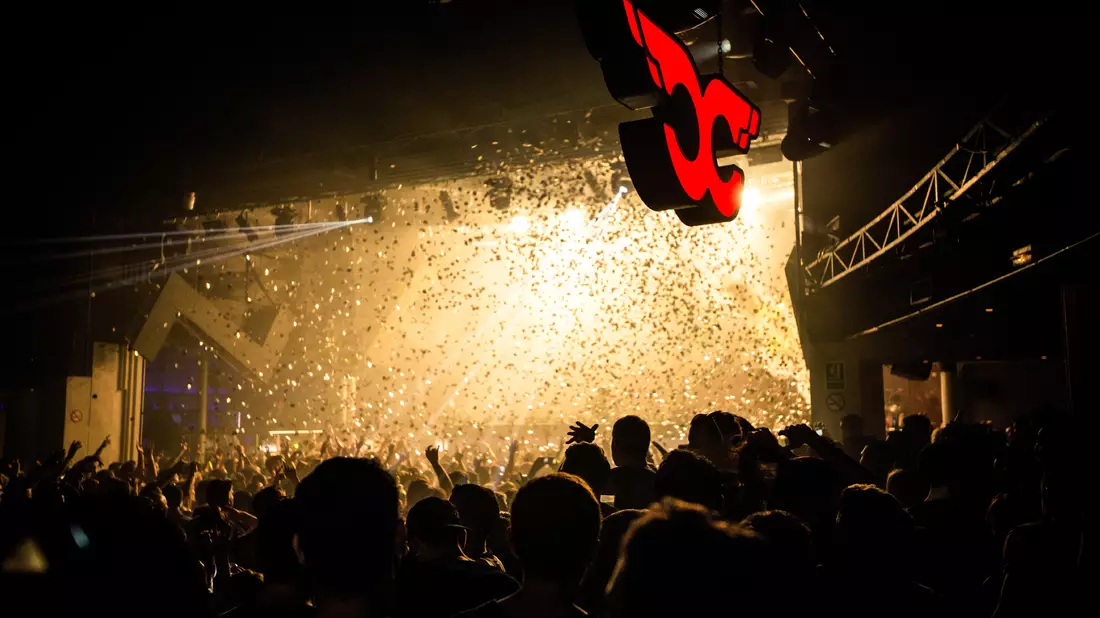
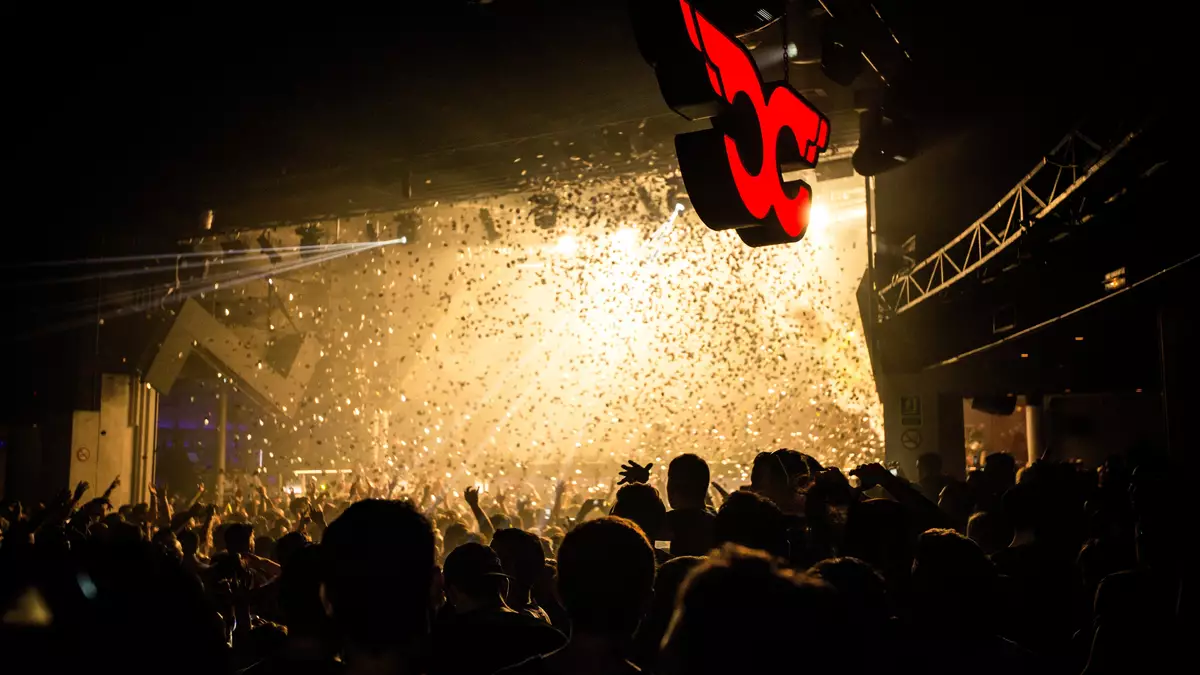
On packed spring nights across American arenas, Green Day are tearing into Saviors cuts before detonating thirty-year-old anthems that still shake the rafters. The California trio are in a rare victory-lap moment, using their 2024 and 2025 touring cycle to celebrate a new album and the anniversaries of Dookie and American Idiot while reminding US crowds why they remain one of punk rock's most enduring bands.
Green Day's current chapter: Saviors, stadiums, and anniversaries
As of 17.05.2026, Green Day are deep into the touring cycle behind their fourteenth studio album, Saviors, released in January 2024 through Reprise Records. According to Billboard, the record debuted at number four on the Billboard 200, extending a streak of top ten album bows that dates back to the mid-2000s.
The new material arrived as the group also marked landmark anniversaries for two albums that reshaped their career and modern rock radio. In 2024, Dookie turned 30, while 2024 and 2025 performances often spotlighted American Idiot, the 2004 rock opera that helped the band cross from punk upstarts to arena headliners. Rolling Stone noted that on recent US dates the trio have played long sets that mix full-album tributes with new songs, leaning into nostalgia without getting stuck in it.
The current tour has brought Green Day back to some of the most storied rooms in American live music. Recent itineraries have included Madison Square Garden in New York, Kia Forum in Los Angeles, and Chicago's United Center, alongside festival appearances at Lollapalooza Chicago and Austin City Limits in previous cycles. While individual 2026 dates continue to roll out, the through-line is clear: the band is positioning Saviors as a late-career high point while treating fans to front-to-back readings of the records that made them icons.
Industry data backs up that strategy. Billboard reports that catalog streaming for Dookie and American Idiot surged around the release of Saviors and the announcement of the anniversary shows. The RIAA database lists Dookie as Diamond-certified in the United States, while American Idiot holds multi-Platinum status, underscoring the commercial weight behind the current nostalgia wave.
For US fans following the trek, the group maintain an updated list of shows, including arena and stadium stops, through their official tour portal. From club roots in the Bay Area to football stadiums like MetLife Stadium in New Jersey and Oracle Park in San Francisco on recent runs, Green Day's live story is central to this phase of their career.
- New album cycle: Saviors continues the band's top tier chart presence.
- Anniversary focus: Dookie and American Idiot sets anchor recent shows.
- US arenas and festivals: from Madison Square Garden to Lollapalooza.
- Legacy metrics: RIAA Diamond and multi-Platinum certifications shape the narrative.
Who Green Day are and why they still matter in US rock
Three decades after breaking through, Green Day remain one of the few guitar bands that can headline US stadiums while still influencing younger punk, pop-punk, and alternative acts. Frontman Billie Joe Armstrong, bassist Mike Dirnt, and drummer Tré Cool built their reputation on hyper-melodic songs that bridge classic punk and mainstream rock, with choruses that stick and lyrics that toggle between bratty and politically charged.
In the 1990s, the group's success helped open doors for a wave of pop-punk bands that would later dominate TRL, Warped Tour stages, and rock radio. For millennials who grew up with MTV and CD booklets, tracks from Dookie and Insomniac are as foundational as anything by Nirvana or Pearl Jam. For Gen Z, Green Day function as both a legacy act and a gateway to punk history, in the same way that classic rock radio once turned kids onto The Clash and The Ramones.
The band also stand out because they never fully retreated into a legacy-only mode. From the politically charged American Idiot through the ambitious 21st Century Breakdown and the sprawling ¡Uno!, ¡Dos!, ¡Tré! trilogy, Green Day have continually refreshed their catalog. Even less commercially dominant later releases like Revolution Radio and Father of All... show a group still chasing new hooks instead of simply re-cutting their 1990s formula.
That combination of catalog depth, political engagement, and pop smarts keeps the trio culturally useful. When they launch a new era like Saviors, there is a built-in storyline that resonates for US audiences raised on both punk DIY mythology and arena-scale spectacle.
From Gilman Street to global stages: origin and rise
Green Day's roots trace back to the East Bay punk scene in Northern California, particularly the famed all-ages club 924 Gilman Street in Berkeley. Billie Joe Armstrong and Mike Dirnt began playing together as teenagers under the name Sweet Children before solidifying a lineup with drummer John Kiffmeyer and eventually Tré Cool. Their early releases on indie label Lookout! Records, including the album Kerplunk, established them as standouts in a tight-knit local scene.
According to NPR Music, the band's decision to sign with Reprise Records in the early 1990s was controversial among Gilman purists, who viewed major labels as antithetical to punk ethics. That move, however, set the stage for one of the decade's biggest rock breakthroughs. Released in 1994, Dookie delivered a string of radio-ready singles anchored by punchy riffs and Armstrong's nasal, instantly recognizable voice.
Billboard's chart archives show that Dookie peaked at number two on the Billboard 200 and spawned Hot 100 and Modern Rock hits, introducing mainstream US audiences to a sound that was more playful and melodic than the grunge dominating the era. Tracks like Basket Case and When I Come Around became staples on MTV and alternative radio, helping to shift the narrative around what punk could sound like in the post-Nirvana age.
The band weathered a classic mid-career dip in commercial momentum as the 1990s gave way to the 2000s, with albums like Nimrod and Warning taking stylistic swings that earned critical respect but less explosive chart returns. The real pivot came in 2004 with American Idiot, a concept album that responded to the George W. Bush era and the Iraq War with a blend of power-chord fury and Broadway-scale storytelling.
The album, produced by Rob Cavallo, debuted at number one on the Billboard 200 and earned Green Day a Grammy Award for Best Rock Album, as confirmed by The Recording Academy's official records. The subsequent success of the American Idiot Broadway musical adaptation underscored just how far the trio's reach had expanded beyond club stages and mosh pits.
Signature sound, style, and key works in the Green Day catalog
At their core, Green Day built a style that compresses classic punk energy into pop songcraft. Three-chord progressions, galloping rhythms, and shout-along choruses form the DNA of albums like Dookie, but there is a sophistication in their arrangements and melodic choices that ties back to British punk and power-pop predecessors. Armstrong's guitar tone, thick and crunchy but never sludgy, sits front and center, while Dirnt's bass lines and Tré Cool's busy drumming push the songs forward with kinetic precision.
Dookie remains the most obvious entry point, with songs like Longview, Welcome to Paradise, and Basket Case showcasing the band at their tightest and most immediate. The follow-up, Insomniac, arrived darker and heavier, with a more aggressive sonic profile that critics at the time, including those at Spin, praised for its intensity, even as casual fans sometimes overlooked it compared to its predecessor.
By the late 1990s, records like Nimrod expanded the formula with surf, ska, and ballad elements. The surprise radio smash Good Riddance (Time of Your Life) became a graduation and TV farewell staple in the United States, illustrating how the band could write slow-burning songs without losing their identity. Warning further broadened the palette with acoustic textures and more overt nods to The Kinks and The Clash.
The creative leap of American Idiot redefined Green Day's role in the rock landscape. Structured as a narrative about disillusionment in a fractured America, the album introduced multi-part suites like Jesus of Suburbia and embraced dynamics more commonly associated with classic rock epics. Critics at outlets such as The New York Times heralded the album as a rare example of a major-label punk band pulling off an ambitious political statement without losing momentum.
Subsequent albums like 21st Century Breakdown continued the conceptual approach, while the ¡Uno!, ¡Dos!, and ¡Tré! trilogy explored looser, garage-rock aesthetics. Revolution Radio, released in 2016, found the band reconnecting with their core sound in the context of new political turbulence, an approach that many reviewers, including those at Consequence, viewed as a late-period return to form.
Saviors threads elements from across this history. Early reviews in publications like Rolling Stone highlighted its blend of concise punk blasts and more midtempo, reflective songs that nod to the band's age and longevity. The production, again associated with Rob Cavallo alongside Green Day themselves, keeps the guitars loud and the vocals upfront, reminding listeners that even after stylistic experiments, the trio's musical center of gravity remains intact.
Live, Green Day's signature style becomes even more pronounced. Armstrong's call-and-response banter, the invitation for fans to shout choruses, and the occasional moment when a crowd member is pulled onstage to play guitar turn their shows into participatory rituals. For US audiences who grew up seeing them tear through half-hour sets on the Warped Tour, the ability to command a two-hour stadium show without losing that sense of intimacy is a key part of their appeal.
Cultural impact, chart milestones, and legacy
Green Day's impact on American music goes beyond record sales and radio spins. The band helped redefine what mainstream punk could look and sound like in the 1990s, paving the way for later waves of pop-punk acts including Blink-182, Fall Out Boy, and Paramore. Many of those artists have cited Green Day as an influence, and the sound of tight, melodic, downstroked guitar parts remains a staple across rock playlists.
Chart-wise, the band's presence has been remarkably consistent. According to Billboard, they have scored multiple top ten albums on the Billboard 200 and landed hits on the Billboard Hot 100 and alternative and rock charts. Songs like Boulevard of Broken Dreams and Wake Me Up When September Ends crossed over to adult contemporary and pop formats, broadening their reach well beyond the punk world.
The RIAA's certification database underscores that reach, with Dookie achieving Diamond status and American Idiot certified multi-Platinum in the United States. Several other releases, including Insomniac, Nimrod, and 21st Century Breakdown, hold Gold or Platinum certifications. These milestones place Green Day in a small cohort of punk-rooted acts with catalog numbers on par with classic rock heavyweights.
Critical reception has evolved alongside these commercial achievements. Early debates within punk circles about the band's major-label move have given way to a broader recognition of their songwriting and longevity. Outlets like Pitchfork, which once viewed pop-punk skeptically, have revisited Green Day's catalog with more nuance, acknowledging the emotional and political depth in albums like American Idiot and 21st Century Breakdown.
Their Broadway crossover further cemented their cultural footprint. The stage adaptation of American Idiot, which premiered in California before moving to Broadway, translated the album's narrative and songs into theatrical form, drawing in audiences who might never attend a punk show. The production earned Tony nominations and extended Green Day's reach into the world of musical theater, an unusual trajectory for a band that once played basements and warehouse shows.
In the live realm, the trio's presence at major US festivals like Coachella, Lollapalooza Chicago, and Austin City Limits has made them a generational bridge, linking older rock fans with young festival-goers discovering vinyl and guitar bands through social media. Their induction into the Rock & Roll Hall of Fame in 2015, confirmed by the Hall's official site, punctuated a narrative that began in the East Bay and now spans arenas, Broadway, and multiple generations of listeners.
As streaming reshapes listening habits, Green Day's catalog continues to find new life on platforms like Spotify, Apple Music, and YouTube. Viral clips of live performances, fan-shot footage from club days, and TikTok trends using snippets of their songs introduce the band to audiences who were not alive when Dookie first hit CD racks. For a US rock scene that often frets about guitar music's relevance, the trio's continued resonance offers a counterargument.
Frequently asked questions about Green Day
How did Green Day get started in the Bay Area punk scene?
Green Day began when Billie Joe Armstrong and Mike Dirnt started playing together as teenagers in the late 1980s, rooted in the East Bay punk community around Berkeley and Oakland. They played early shows at venues like 924 Gilman Street and released music on indie label Lookout! Records, gradually building a following that led to their major-label deal with Reprise Records and the release of Dookie.
What are Green Day's most important albums?
Fans and critics typically point to Dookie and American Idiot as the band's most pivotal albums. Dookie brought punk energy and pop hooks to mainstream US radio in the 1990s, while American Idiot reintroduced them as politically engaged storytellers in the 2000s. Records like Insomniac, Nimrod, 21st Century Breakdown, and the more recent Saviors also play key roles in understanding their evolution.
Has Green Day won major music awards in the United States?
Yes, Green Day have received multiple major US music honors. According to The Recording Academy, they have won several Grammy Awards, including Best Alternative Music Performance for Dookie and Best Rock Album for American Idiot. They have also picked up MTV Video Music Awards and were inducted into the Rock & Roll Hall of Fame in 2015, a recognition of their long-term influence on rock and punk.
What is Green Day doing on tour around the time of Saviors?
Around the Saviors era, Green Day have focused on large-scale US and international tours that mix new material with full or partial performances of Dookie and American Idiot. Setlists often run well over two hours and feature both deep cuts and radio hits, tailored for arenas and stadiums such as Madison Square Garden and MetLife Stadium. For the most current dates, the band maintain an official tour page where they list updated schedules and venue details.
How has Green Day influenced younger punk and pop-punk bands?
Green Day's blend of fast tempos, sharp melodies, and emotionally direct lyrics has shaped several generations of punk and pop-punk artists. Bands like Blink-182, Fall Out Boy, and Paramore have cited them as inspirations, and the pop-punk revival that has cycled through US radio and streaming playlists often traces back to the sound of Dookie. Their success also demonstrated that punk-rooted music could thrive on major labels and in large venues without abandoning its core energy.
Green Day on social media and streaming
For listeners exploring Green Day in 2026, social media and streaming platforms offer a constantly updated window into the band's world, from official videos and live clips to fan remixes and setlist debates.
Green Day – moods, reactions, and trends across social media:
More coverage from AD HOC NEWS
More coverage of Green Day at AD HOC NEWS:
Read more on Green Day at AD HOC NEWS ->Browse all Green Day coverage at AD HOC NEWS ->
Disclaimer zu unseren Artikeln: Keine Anlageberatung, keine Kauf oder Verkaufsempfehlung. Angaben zu Kursen, Unternehmen und Märkten ohne Gewähr; Änderungen jederzeit möglich. Börsengeschäfte können zu hohen Verlusten führen. Unsere Beiträge werden ganz oder teilweise automatisiert mit Unterstützung von AI erstellt und geprüft.