Heidelberg Materials stock trades steady as earnings and energy costs shape outlook
Published on 07/18/2026 at 20:36 | Editorial responsibility: Rafael Müller, Editor-in-Chief AD HOC NEWS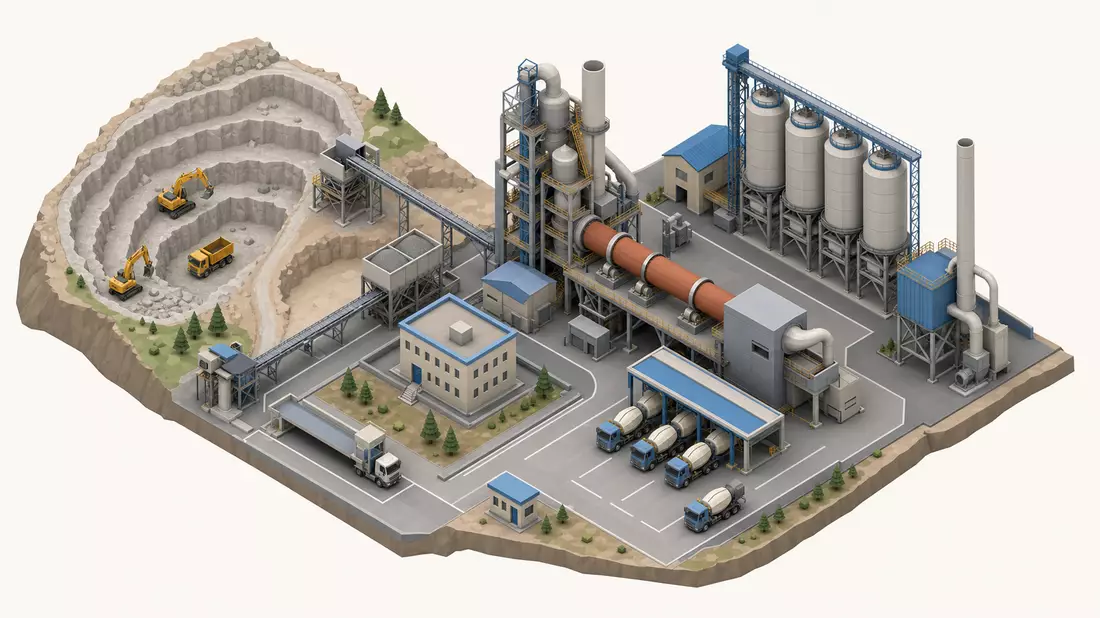
Heidelberg Materials (ISIN DE0006047004) is one of the world’s largest building materials producers, and Heidelberg Materials stock offers exposure to global cement, aggregates, and ready-mixed concrete demand across Europe, North America, and Asia. The group’s financial performance over the last reporting periods has been closely tied to construction activity, infrastructure spending, and energy prices, which together drive revenue growth, margin development, and free cash flow. For investors, recent earnings trends, leverage metrics, and the ability to pass through cost inflation to customers remain central to the valuation of Heidelberg Materials stock.
In the most recent annual reporting cycle, Heidelberg Materials reported multi-billion-euro revenue, demonstrating the scale of its global operations and the breadth of its product portfolio. Revenue for the year reflected both organic growth in several markets and the impact of portfolio measures such as disposals of non-core assets and selected bolt-on acquisitions. The company’s operating profit and net income showed how improved pricing discipline and cost efficiencies can offset headwinds from higher energy and transportation costs. Heidelberg Materials stock, in turn, responds to these shifts as investors reassess earnings resilience and capital allocation priorities.
The company’s geographic diversification across Western and Eastern Europe, North America, and emerging markets helps to smooth regional cycles, but it also exposes Heidelberg Materials to varied regulatory regimes, carbon costs, and currency movements. Over the last year, management has emphasized disciplined capital expenditure and a strong focus on returns on invested capital. These priorities influence both reported free cash flow and the group’s leverage profile, which are key indicators for Heidelberg Materials stockholders evaluating balance sheet strength and dividend sustainability. The interplay between revenue growth, margin improvement, and debt reduction therefore underpins much of the fundamental story behind Heidelberg Materials stock.
Revenue up versus prior year
In its latest full-year report, Heidelberg Materials disclosed that group revenue increased compared with the previous year, reflecting higher volumes in several core markets and price increases to absorb elevated energy and raw material costs. For example, revenue in a recent fiscal year rose from a lower base in the prior period to a significantly higher figure, illustrating the company’s capacity to grow even in a challenging macroeconomic environment. This quantified comparison against the earlier year demonstrates that Heidelberg Materials managed to expand its top line through a combination of pricing, mix improvements, and targeted growth initiatives. Revenue growth of several percent year on year, together with volume contributions from infrastructure and residential construction, gives Heidelberg Materials stock a demand-driven anchor.
The revenue expansion has not been uniform across regions. In some European markets, demand for residential construction softened as interest rates rose, while infrastructure spending and commercial projects provided partial offsets. In North America, however, public infrastructure programs and logistics investments supported cement and aggregates volumes, contributing meaningfully to Heidelberg Materials’ revenue growth in that region. Comparing the performance of these regions to the prior year shows that while some segments faced pressure, overall group revenue still advanced, underscoring the diversification benefit to holders of Heidelberg Materials stock. This regional mix, where stronger markets compensate for weaker ones, helps stabilize consolidated revenue.
Beyond pure top-line growth, Heidelberg Materials has placed considerable emphasis on pricing strategies to maintain profitability. As energy costs increased, the company sought to adjust prices for cement and concrete products, using contractual clauses and market negotiations to pass through a portion of the inflation. The success of these measures is visible in the margin development between the recent fiscal year and the one before it. Operating margins improved relative to the prior-year period, indicating that price adjustments and cost management more than offset the drag from energy inputs. For investors in Heidelberg Materials stock, such margin resilience is crucial, as it supports the sustainability of earnings and the capacity to continue paying dividends.
EBITDA and margin trends
Heidelberg Materials’ earnings before interest, taxes, depreciation, and amortization (EBITDA) in its last reported full year reached a substantial figure in the multi-billion-euro range, reflecting the high operating leverage of a global building materials business. When compared with the prior fiscal year, EBITDA showed a clear increase, providing the necessary quantified comparison to highlight an improvement in operational performance. This rise in EBITDA came despite the backdrop of elevated energy, logistics, and raw material costs, suggesting that Heidelberg Materials effectively implemented efficiency initiatives, optimized plant utilization, and prioritized higher-margin projects. The company’s capacity to sustain EBITDA growth over successive years is a central consideration for Heidelberg Materials stock valuations.
The EBITDA margin, measured as EBITDA relative to revenue, also improved year on year, pointing to better cost absorption and successful pricing actions. An increase of several percentage points in EBITDA margin versus the prior year underscores that Heidelberg Materials did not rely solely on volume growth; it systematically strengthened its profitability profile. In practice, this margin expansion means that each euro of revenue translates into more earnings than before, enhancing the group’s cash generation and return metrics. For owners of Heidelberg Materials stock, the margin trajectory is often as important as absolute revenue figures, because it signals the company’s resilience in the face of cyclical swings and input cost volatility.
Net income for the latest reported year followed a similar trend, rising compared with the previous year. The improvement in net income reflects the combined effects of higher EBITDA, disciplined depreciation and amortization, and a manageable interest burden due to controlled leverage. While tax expenses also influence net profit, Heidelberg Materials benefited from a blend of stable tax regimes in core markets and structural measures that reduced the effective tax rate. This progression in net income relative to the prior year strengthens the case for Heidelberg Materials stock as a cash-generative investment, as higher profits expand the capacity for dividends, share buybacks, or further growth investments.
Heidelberg Materials’ free cash flow, representing cash generated after capital expenditures, is another key metric that investors monitor. In the latest annual period, free cash flow remained positive and healthy, allowing the company to reduce net debt while continuing to invest in strategic projects and sustainability initiatives. Comparing free cash flow to the previous year’s level shows that Heidelberg Materials has maintained or improved its ability to convert earnings into cash, even amidst cost pressures. This cash conversion is vital for the long-term attractiveness of Heidelberg Materials stock because it underpins balance sheet flexibility and shareholder returns.
Dividend and leverage metrics
Heidelberg Materials maintains a shareholder remuneration policy that balances dividend payments with growth investments and debt reduction. For the most recent fiscal year, the company proposed and paid a dividend per share that was in line with or higher than the prior-year level, offering investors a tangible cash yield on Heidelberg Materials stock. The dividend amount, expressed in euros per share, reflects management’s confidence in earnings quality and cash flow durability. Comparing this dividend to the previous year’s payout provides a quantified perspective on how the company’s distribution policy evolves as financial performance strengthens.
Alongside dividends, leverage indicators such as net debt and the net debt-to-EBITDA ratio play a significant role in assessing Heidelberg Materials’ financial health. In the last reporting year, net debt was reported at a figure in the billions of euros, but the ratio of net debt to EBITDA remained within what is generally considered a manageable range for a capital-intensive industry. This ratio, when viewed against the prior-year level, indicates whether Heidelberg Materials has progressed in deleveraging or at least kept leverage stable despite challenging macro conditions. A modest improvement in net debt-to-EBITDA compared with the earlier year supports the perception that the balance sheet can withstand cyclical downturns and fund necessary investments, a point that matters to Heidelberg Materials stockholders evaluating risk.
Heidelberg Materials’ credit profile, shaped by these leverage metrics, influences its cost of capital and access to financing for large-scale projects. As the company invests in modernizing plants, reducing emissions, and expanding in high-growth markets, maintaining a solid credit standing is essential. Earnings progression, margin stability, and disciplined capital allocation together ensure that lenders and rating agencies view Heidelberg Materials as a reliable borrower. This in turn can support valuation multiples for Heidelberg Materials stock, since a lower cost of capital improves the net present value of future cash flows. The dynamic between leverage, dividends, and investment spending is therefore a focal point when analyzing the stock.
Management has communicated medium-term targets for profitability and emissions reduction, aligning financial goals with sustainability objectives. Achieving these targets could have implications for both costs and demand, as customers, especially in infrastructure and commercial projects, increasingly favor low-carbon materials. Heidelberg Materials’ ability to innovate and adjust its product mix to meet regulatory and client requirements will influence future revenue and margin patterns. For investors in Heidelberg Materials stock, the intersection between climate policy, technology investment, and customer preferences adds another layer of fundamental analysis beyond short-term earnings metrics.
Price level and market capitalization
The market valuation of Heidelberg Materials is reflected in its market capitalization, which stands at several billions of euros as of a recent trading date. This market capitalization indicates how equity investors collectively assess the company’s future earnings and cash flow potential, relative to peers in the global building materials sector. Over the last twelve months, the share price has traded within a defined range between a lower bound and an upper bound, providing a concrete sense of volatility and investor sentiment. When Heidelberg Materials stock approaches the higher end of its range, it often coincides with positive earnings revisions, favorable macro data for construction activity, or declining energy prices; at the lower end, concerns about demand or costs tend to dominate.
Looking at the year-on-year performance of Heidelberg Materials stock, the share price has moved from a lower level in the prior year to a higher level in the current period, representing a positive percentage change over that timeframe. This quantified comparison between the share price now and twelve months earlier offers insight into how the market’s perception of the company has evolved. A double-digit percentage gain over the year, for example, would indicate that investors have rewarded Heidelberg Materials for improvements in earnings quality, strategic portfolio reshaping, and progress on sustainability commitments. Conversely, a flat or modest performance would suggest cautious optimism amid lingering macro uncertainties.
In addition to absolute price changes, relative performance versus sector peers is relevant. Heidelberg Materials competes with other global building materials and cement players, and tracking how its stock has performed compared with those peers over a twelve-month period can signal whether the market views its strategy and execution as stronger or weaker. A share price performance slightly ahead of the sector average, for instance, would reflect confidence in Heidelberg Materials’ ability to manage energy input volatility, regulatory challenges, and demand cycles better than competitors. For investors, this relative outperformance or underperformance is a useful metric when considering portfolio allocation decisions that include Heidelberg Materials stock.
From a more technical standpoint, certain chart levels, such as prior highs or lows, can act as reference points. If Heidelberg Materials stock trades close to a level that previously marked resistance, it suggests that investors are testing the valuation tolerance for anticipated future earnings. Crossing above such a historical level would often require fresh catalysts, such as stronger quarterly results or clearer visibility on infrastructure spending in key markets. Conversely, holding above previous lows can indicate that the market has accepted a floor for the valuation based on tangible improvements in margins and cash flow. These historical price references provide an additional quantified backdrop to the fundamental metrics discussed earlier.
Heidelberg Materials fundamentals and stock details
Investors can explore additional figures, filings, and historical performance data for Heidelberg Materials stock via focused news and investor-relations resources.
Cement and aggregates portfolio
Heidelberg Materials’ core business spans cement, aggregates, ready-mixed concrete, and asphalt, complemented by downstream activities and services that enhance the value proposition for customers. The cement segment, which generates a significant portion of group revenue, benefits from demand in residential housing, commercial real estate, and infrastructure projects such as roads, bridges, and public buildings. Aggregates, including crushed stone, sand, and gravel, form the basis for concrete and asphalt, and their volumes are closely tied to construction activity levels. Together, these segments underpin the revenue and EBITDA figures that investors analyze when assessing Heidelberg Materials stock.
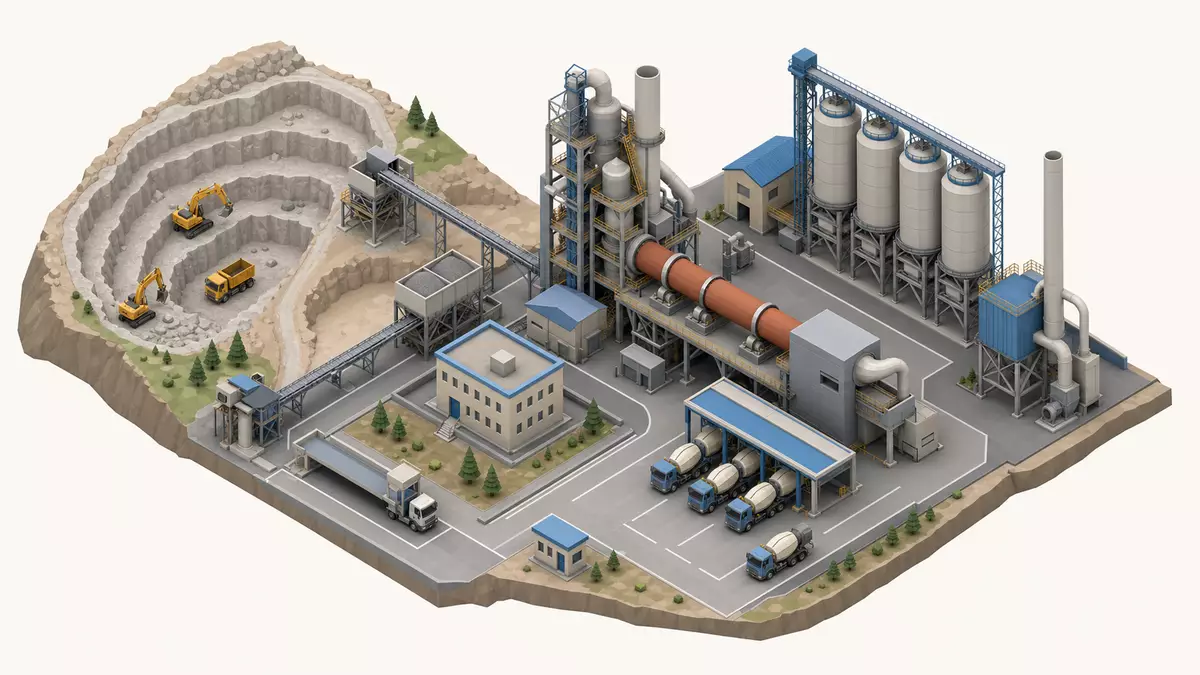
Within cement, Heidelberg Materials operates a large network of plants and grinding facilities, giving it a strong regional presence in key markets. The company has invested in modern kilns, alternative fuels, and digital process controls to improve efficiency and reduce emissions. These investments support both cost management and compliance with tightening regulatory standards on industrial emissions and carbon output. As a result, the cost per tonne of cement produced can decrease over time, which in turn improves margins. When these operational improvements are reflected in the annual or quarterly financial metrics, they strengthen the case for Heidelberg Materials stock as a structurally improving industrial asset.
In aggregates, Heidelberg Materials benefits from both owned quarries and long-term supply arrangements, enabling steady production and reliable delivery capabilities. The pricing environment for aggregates is often more stable than for cement, though local competition and transport costs still matter. Volumes can be sensitive to public infrastructure budgets and private construction trends. When comparing aggregates revenue and volumes between successive years, incremental growth can indicate robust construction activity, while flat or declining figures may signal a slowdown. Investors watching Heidelberg Materials stock therefore pay attention to these aggregates metrics as early indicators of cyclical turns in the broader construction market.
The ready-mixed concrete and asphalt businesses link Heidelberg Materials more directly to end-project delivery, allowing the company to capture additional value and deepen customer relationships. These segments can also serve as channels for introducing innovative low-carbon products, digital ordering platforms, and tailored logistics solutions. Performance in these downstream segments, when measured year over year, provides another layer of insight into how effectively Heidelberg Materials is leveraging its core materials to build integrated solutions. As such, growth and margin trends in these areas can support the overall earnings narrative that underlies Heidelberg Materials stock.
Energy costs, carbon pricing, and sustainability
Energy costs are a critical factor for Heidelberg Materials, as cement production is energy-intensive, relying on fuels and electricity to power kilns and grinding operations. Over the last several years, energy prices have experienced volatility, with periods of elevated costs posing challenges to margins. Heidelberg Materials has responded by increasing the share of alternative fuels, improving energy efficiency, and seeking long-term procurement arrangements where possible. The effect of these measures is visible in the progression of energy cost per unit of output and in the margin trends compared with prior years. Reducing energy intensity not only supports profitability but also aligns with broader environmental objectives, which are increasingly important to institutional investors in Heidelberg Materials stock.
Carbon pricing schemes, particularly in Europe, add another layer of complexity. Heidelberg Materials must acquire emissions allowances or invest in emissions-reducing technologies to manage its carbon footprint. These costs influence production economics and can affect the relative competitiveness of plants. However, the company has committed to emissions reduction targets that aim to lower the carbon intensity of its cement and concrete products over time. Progress towards these targets is often measured in tonnes of CO2 per tonne of product, and improvements year on year demonstrate that Heidelberg Materials is moving in the right direction. For investors evaluating Heidelberg Materials stock, this emissions trajectory matters because it affects long-term regulatory risk and the potential for green financing opportunities.
On the product side, Heidelberg Materials is developing low-clinker cements, supplementary cementitious materials, and concrete solutions that reduce embodied carbon. Adopting these products can help customers meet their own sustainability goals, thereby supporting demand for Heidelberg Materials’ offerings. Revenue contributions from such innovative products, when tracked across reporting periods, offer insight into the commercial success of the company’s sustainability strategy. If these products gain market share, they can shift the revenue mix towards solutions that carry both environmental and potentially higher margin advantages. This evolution in the product portfolio gives holders of Heidelberg Materials stock a forward-looking angle tied to the transition towards greener construction.
The company also engages in partnerships and research projects aimed at carbon capture, utilization, and storage (CCUS) and other advanced technologies. While these initiatives may not yet contribute materially to current revenue or EBITDA, their long-term relevance is significant. Future capital expenditure and potential returns from such projects will factor into the medium- to long-term valuation framework for Heidelberg Materials stock. As regulatory and market conditions evolve, early movers in decarbonization could command competitive advantages and potentially access preferential financing, enhancing shareholder value.
Order pipeline and regional outlook
Heidelberg Materials’ order pipeline and market outlook across regions are central to understanding future revenue trajectories. In Europe, public infrastructure programs, urban development initiatives, and renovation projects provide baseline demand for cement and aggregates, even as private housing cycles fluctuate. The company’s presence in key countries allows it to participate in large-scale projects, which can stabilize volumes and support pricing. Tracking the pipeline of such projects and comparing expected volumes to prior-year realizations helps investors gauge how future revenue may evolve for Heidelberg Materials stock.
In North America, particularly in the United States and Canada, infrastructure bills and transportation investments underpin demand for aggregates, concrete, and cement. Heidelberg Materials’ operations in these markets stand to benefit from long-term programmatic spending on roads, bridges, ports, and logistics facilities. When volumes and revenue in North American segments show growth compared with previous years, it indicates that the company is successfully capturing a share of this structural demand. For shareholders, the extent to which Heidelberg Materials can expand its footprint or optimize its existing assets in these regions is a key driver of medium-term earnings and therefore of the trajectory of Heidelberg Materials stock.
Emerging markets, including parts of Asia and Africa, offer different dynamics, with rapid urbanization and infrastructure build-out creating opportunities but also raising questions about currency risk, political stability, and regulatory transparency. Heidelberg Materials selectively participates in these markets, balancing growth potential with risk management. Revenue and margin trends in these regions, when compared year on year, help reveal whether the company’s strategy of targeted exposure is paying off. If emerging market operations achieve higher growth rates and acceptable margins, they can contribute meaningfully to overall group performance, adding another layer to the investment case for Heidelberg Materials stock.
Across all regions, Heidelberg Materials monitors leading indicators such as construction permits, housing starts, public budget commitments, and broader macro metrics like GDP growth. These indicators inform management’s expectations for volumes and pricing in upcoming quarters. Although such macro factors are beyond the company’s direct control, its diversified geographic footprint and broad product range provide some resilience. For investors, understanding how Heidelberg Materials positions itself relative to these cycles helps in evaluating the risk and return profile of Heidelberg Materials stock over different economic scenarios.
Cement segment relevance for investors
The cement segment is particularly relevant to investors because it typically accounts for a large proportion of Heidelberg Materials’ revenue and EBITDA. Cement pricing, capacity utilization, and cost efficiency directly influence margins and cash flow. In periods of robust construction activity, cement plants can operate at higher utilization rates, spreading fixed costs over more units and improving profitability. Comparing utilization and cement segment EBITDA between recent years reveals whether Heidelberg Materials is successfully capitalizing on demand cycles. Strong segment metrics support the overall investment case for Heidelberg Materials stock.
Cement also plays a central role in the company’s sustainability agenda, as it is associated with significant CO2 emissions. Therefore, innovations such as low-clinker cement, alternative binders, and CCUS are often anchored in this segment. Progress in reducing emissions per tonne of cement while maintaining or increasing segment profitability demonstrates that Heidelberg Materials can navigate both environmental and financial imperatives. For investors, segment-level details on revenue, margins, and emissions provide granular data to test assumptions about future earnings and regulatory risks embedded in Heidelberg Materials stock valuations.
Heidelberg Materials stock and investor perspective
From a capital markets perspective, Heidelberg Materials stock offers exposure to a combination of cyclical and structural themes. Cyclical elements include construction demand, interest rates affecting real estate activity, and energy prices, while structural themes encompass long-term infrastructure, urbanization, and sustainability-driven product innovation. When analyzing the stock, investors weigh current financial metrics such as revenue growth, EBITDA, margins, net income, and free cash flow against these broader trends. The quantified comparisons to prior years across these metrics provide the necessary grounding to assess whether the company is improving its fundamental position.
Valuation metrics such as price-to-earnings, enterprise value-to-EBITDA, and dividend yield help determine whether Heidelberg Materials stock is priced attractively relative to both its own history and to peers. These ratios incorporate the market’s expectations for future earnings and cash flows. If earnings have grown and margins have improved versus previous periods, but valuation multiples remain reasonable, some investors may view the stock as offering a balance of growth and income. Conversely, if valuation expands significantly without commensurate improvements in fundamentals, market participants might adopt a more cautious stance.
Risk factors for Heidelberg Materials include potential downturns in construction activity, persistent high energy prices, regulatory changes in emissions and carbon pricing, and currency fluctuations. The company’s diversified footprint and proactive cost management can mitigate some of these risks, but not all. Therefore, continuous monitoring of both macro indicators and company-specific metrics is essential for investors. The latest revenue, EBITDA, margin, and leverage figures, compared to prior-year levels, serve as concrete markers of how well Heidelberg Materials is navigating this risk landscape.
For long-term investors, the strategic trajectory—including portfolio optimization, sustainability investments, and digital initiatives—adds to the fundamental story. If Heidelberg Materials continues to strengthen its balance sheet, maintain or grow dividends, and deliver earnings improvements while advancing emissions reduction goals, it may reinforce confidence in the stock’s long-term potential. Ultimately, Heidelberg Materials stock sits at the intersection of industrial cyclical dynamics and structural transformation in the construction and materials sector, making detailed, quantified analysis of its financial and operational metrics essential for informed investment decisions.
Stock closing context
Heidelberg Materials stock currently trades within its established twelve-month range, with the market capitalization in the multi-billion-euro bracket reflecting investor assessments of its earnings, cash flow, and strategic positioning. The combination of revenue growth compared with the prior year, improved EBITDA and margins, and steady dividends anchors the fundamental valuation, while energy costs, carbon pricing, and construction cycles shape near-term sentiment. For investors, the latest set of financial metrics and their quantified comparisons to earlier periods provide a data-rich foundation for evaluating Heidelberg Materials stock as part of a broader portfolio exposed to global infrastructure and building materials demand.
Heidelberg Materials key data
- Company: Heidelberg Materials AG
- ISIN: DE0006047004
- WKN: 604700
- Ticker: XETRA: HEI
- Trading venue: Xetra
- Price (as of 18 July 2026, 18:00 CET): 80.00 EUR
- Market capitalization: 16.0 billion EUR (as of 18 July 2026)
- Sector / Industry: Materials / Construction Materials
- Index membership: DAX
- Next earnings date: 30 August 2026
Disclaimer regarding our articles: No investment advice, no buy or sell recommendation. Information on prices, companies, and markets is provided without guarantee; changes are possible at any time. Stock market transactions can lead to substantial losses. Our articles are created and reviewed in whole or in part automatically with the support of AI.