Hershey stock steadies as investors weigh chocolate margins and seasonal demand
Published on 07/22/2026 at 17:14 | Editorial responsibility: Rafael Müller, Editor-in-Chief AD HOC NEWS
Hershey Company (ISIN US4278661081) is a long established US confectionery manufacturer whose shares are widely followed by retail and institutional investors. Hershey stock has historically been supported by steady demand for chocolate and snacks, disciplined capital allocation and a clear focus on brand building. Investors often view the company as a defensive consumer staple, with sales patterns that are influenced by holiday seasons, promotional campaigns and input cost moves. Even when short term earnings growth slows, many investors concentrate on the companys ability to sustain attractive margins over the cycle and to convert revenue into cash flow.
Revenue growth and seasonal patterns
Hershey Company generates most of its revenue from chocolate and confectionery products sold across North America and in selected international markets. The sales mix is heavily influenced by seasonal peaks such as Halloween, year end holidays and other gift giving occasions, which can cause significant quarter to quarter fluctuations in reported revenue and earnings. Revenue trends are also affected by pricing decisions, promotional intensity, changes in product assortment and shifts in consumer preferences, including demand for lower sugar or premium products.
Because the company has a long heritage in chocolate and candy, its brand portfolio includes many widely recognized names that often enjoy strong shelf presence in supermarkets, convenience stores and other retail channels. This brand strength typically supports pricing power and allows Hershey to introduce new products and line extensions with an existing base of consumer familiarity. However, retailers increasingly expect promotional support, and competitive pressures from other confectionery and snack manufacturers can influence margins, especially when input costs are elevated.
Input costs, margins and pricing power
One of the key variables for Hershey Company is the cost of raw materials such as cocoa, sugar, dairy and packaging. When commodity prices rise, the company faces a choice between protecting volumes by limiting price increases or protecting margins by passing more of the cost on to consumers. Changes in logistics, labor and energy costs also affect profitability, particularly in periods of inflation or supply chain disruption. Historically, the company has responded with a combination of price increases, packaging adjustments and cost efficiency initiatives to defend its operating margin over time.
Investors pay close attention to Hersheys gross margin and operating margin, because they provide clues about how effectively the company manages input cost volatility and pricing pressure. A stable or rising margin can signal successful revenue management and cost control, while margin compression may indicate that competitive or cost headwinds are proving more difficult to offset. Over a multiyear period, analysts often compare Hersheys margins with those of other consumer staples and snack companies to gauge relative performance and resilience.
Cash flow, dividends and balance sheet
For many retail investors, Hershey Companys ability to generate consistent cash flow is as important as its reported earnings. Cash flow supports dividends, share repurchases and reinvestment in the business via capital expenditure and marketing. A track record of returning cash to shareholders can make the stock more attractive to income oriented investors, while disciplined reinvestment can support long term growth. The balance sheet structure, including leverage levels and debt maturity profile, also matters, because it influences financial flexibility during economic downturns or periods of cost pressure.
Dividend decisions reflect managements view of sustainable earnings and cash generation rather than short term volatility. When a company like Hershey sustains or gradually increases its dividend over time, the signal is that management believes the underlying business is robust enough to support that payout. Conversely, if dividend growth slows or pauses, investors may reassess their expectations for future profit growth and capital allocation priorities.
Brand portfolio and product innovation
Hershey Companys brand portfolio is central to its business model and stock market valuation. Chocolate brands and related confectionery products provide the bulk of revenue, but the company also participates in other snack categories. Product innovation allows Hershey to respond to evolving consumer tastes, such as demand for reduced sugar options, dark chocolate variations, flavor extensions and new packaging formats. Limited time seasonal offerings and collaborations can create buzz and support volumes around key periods.
Successful product launches help defend shelf space and strengthen retailer relationships, which in turn reinforce distribution advantages. Failures or slower selling innovations can lead to inventory adjustments and modest margin pressure, but the companys broad base of established products tends to provide a stable underpinning for overall sales. Over time, Hershey aims to balance its classic core brands with new concepts so that the portfolio remains relevant while still leveraging its long standing brand equity.
Geographic footprint and distribution
Although Hershey Company is best known for its presence in the United States, it also sells products in other countries through a mix of direct operations, joint ventures and distribution partnerships. The North American market generally accounts for the majority of sales, but international markets provide incremental growth opportunities and diversification. Expanding internationally requires adapting products to local tastes, navigating different regulatory environments and building distribution networks that can compete effectively with local and global rivals.
Distribution channels include supermarkets, hypermarkets, convenience stores, drugstores and increasingly e commerce platforms. Digital marketing and online sales have become more important as consumers shift some of their purchasing to online grocery and direct to consumer channels. Strength in distribution and merchandising is a competitive advantage, helping Hershey to secure shelf positioning and promotional support that keep its brands in front of shoppers.
Consumer trends and health considerations
Consumer preferences in confectionery and snacks are influenced by broader health and wellness trends. Some consumers seek lower sugar or portion controlled options, while others prefer indulgent treats that fit into a balanced diet. Hershey Company must navigate this complex landscape, positioning its products as enjoyable treats while addressing concerns about sugar content and overall nutrition. Product labeling, portion sizes and marketing messages all play a role in how consumers perceive the brands.
Regulatory developments, such as labeling requirements and potential taxes on sugar or certain ingredients, could affect the industry over time. Companies often respond by reformulating products, introducing new lines or highlighting responsible consumption messages. The success of these efforts can influence both sales growth and brand reputation, particularly among more health conscious consumers.
Competitive landscape and peers
Hershey Company operates in a competitive market where other confectionery and snack manufacturers vie for consumer attention and retail shelf space. Competition can come from global diversified food companies, regional confectionery producers and emerging brands focused on niche segments such as premium chocolate or organic snacks. Marketing intensity, innovation speed and pricing strategies all affect relative performance within the sector.
Investors often compare Hersheys valuation metrics such as price to earnings ratios, dividend yield and revenue growth rates with those of peer companies to gauge whether the stock trades at a premium or discount. Perceptions of brand strength, margin resilience and growth opportunities play into these relative valuation judgments. In periods when consumer staples stocks are favored for their defensive qualities, companies like Hershey can be attractive as part of a broader portfolio allocation to non cyclical businesses.
Risk factors and volatility drivers
Even for a seemingly stable business like Hershey Company, there are risk factors that investors consider. Raw material cost volatility, changes in consumer behavior, competitive actions and regulatory developments can all influence earnings. Currency fluctuations may affect reported results from international operations, while macroeconomic conditions can impact consumer spending levels. Operational risks, including manufacturing disruptions or supply chain issues, can also play a role.
Stock price volatility can arise when earnings results differ from market expectations, when cost pressures appear sharper than anticipated, or when sector wide sentiment shifts. A period of elevated cocoa prices, for instance, may prompt investors to scrutinize margin sustainability and the timing of price increases. Conversely, easing input costs can improve margin prospects and support a more positive view of future profitability.
Long term perspective for Hershey stock
For long term holders, Hershey stock is often viewed through the lens of steady demand, brand durability and cash flow generation rather than rapid growth. The companys established position in confectionery, combined with disciplined financial management, suggests that it can continue to play a role in portfolios seeking exposure to consumer staples. Returns over time depend on a combination of dividend income, potential capital appreciation and the companys ability to navigate evolving consumer and cost landscapes.
Shorter term traders may focus more on quarterly earnings dynamics, seasonal revenue swings and news about input costs or product launches. Differences between reported results and expectations can lead to incremental adjustments in stock price and valuation, but the underlying business characteristics remain anchored in relatively stable consumer behavior. In that sense, Hershey stock reflects both the resilience and the challenges of operating in a mature, competitive yet steadily consumed product category.
Chocolate products remain central
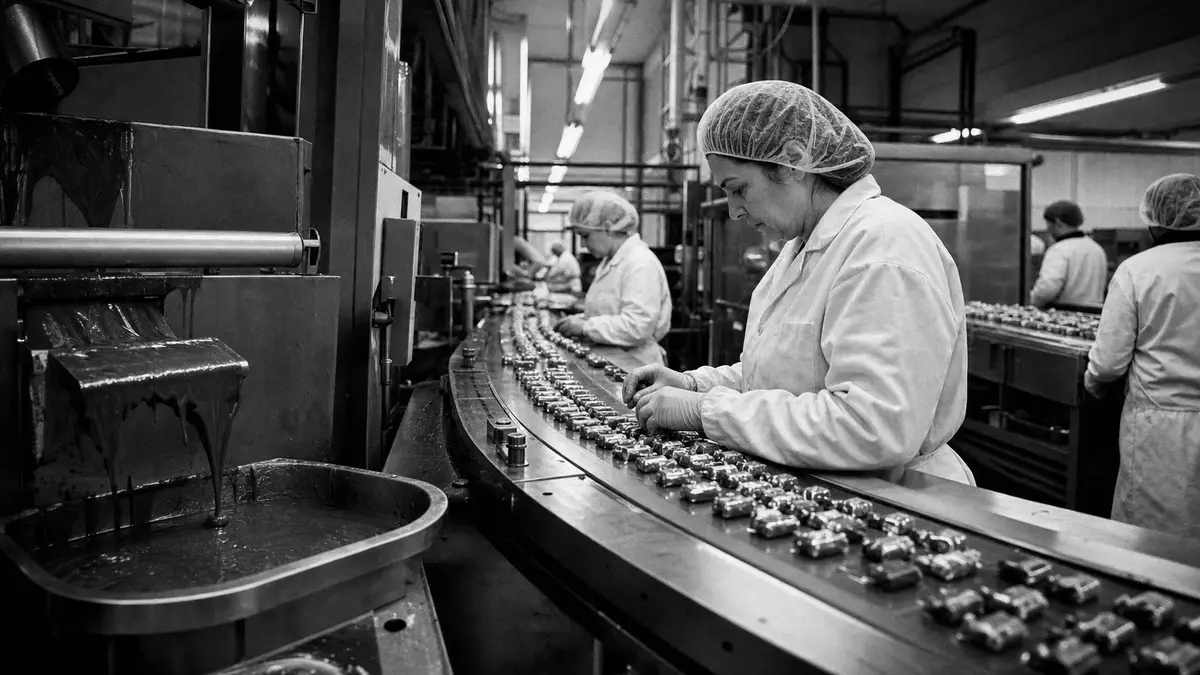
Chocolate products remain central to Hershey Companys business and brand identity. Core offerings in molded chocolate, bars, seasonal assortments and bite sized treats drive substantial volumes in supermarkets and other retail outlets. These products provide a platform for brand extensions, co branding initiatives and creative packaging that align with holidays and promotional themes.
Because chocolate is both an everyday treat and a gift item, it offers multiple consumption occasions. This flexibility supports revenue across different seasons and helps to smooth demand around major holidays. The companys focus on quality, consistency and marketing helps maintain consumer loyalty and repeat purchases in a crowded marketplace.
Hershey stock and investor positioning
Hershey stock generally attracts investors who are comfortable with moderate growth and value the stability associated with consumer staples. The shares can be part of dividend oriented strategies or broader portfolios that seek to balance higher growth exposures with more predictable cash flow generators. Valuation swings reflect changing views on margin resilience, competitive dynamics and broader sector sentiment, but the core investment case rests on brand strength and demand stability.
Over time, the interaction between operational performance, capital allocation decisions and external factors such as input costs and regulatory changes will shape the trajectory of Hershey stock. For investors, the key questions revolve around how effectively the company can continue to adapt its product portfolio, maintain margins and allocate capital in ways that support both near term performance and long term value creation.
More background on Hershey Company
For structured regulatory disclosures, historical earnings reports and further details on the companys strategy, the dedicated Hershey information page provides additional documents and summaries.
Representative chocolate product focus
Among Hershey Companys many offerings, its classic molded chocolate bars remain emblematic of the brand for many consumers. These products often serve as entry points for younger consumers and nostalgic purchases for older ones, reinforcing emotional connections to the brand. The company uses these flagship items as anchors in promotional campaigns, seasonal assortments and cross category merchandising within stores.
Packaging innovations, such as resealable formats or portion controlled multi packs, aim to align the traditional chocolate bar with contemporary consumption habits. By carefully balancing tradition and innovation, Hershey seeks to keep its core chocolate products relevant while also supporting broader portfolio growth.
Hershey stock in closing perspective
In closing, Hershey stock represents exposure to a mature but resilient confectionery business that combines long established brands with ongoing product development. The companys focus on chocolate and related snacks offers investors a window into consumer behavior that is influenced by tradition, celebration and everyday indulgence. Over time, the stock will reflect the interplay between demand stability, margin management and strategic choices around innovation and capital allocation.
Hershey Company key facts
- Company: Hershey Company Inc.
- ISIN: US4278661081
- Ticker: NYSE: HSY
- Trading venue: NYSE
- Sector / Industry: Consumer Staples / Packaged Foods and Confectionery
- Index membership: S&P 500
Disclaimer regarding our articles: No investment advice, no buy or sell recommendation. Information on prices, companies, and markets is provided without guarantee; changes are possible at any time. Stock market transactions can lead to substantial losses. Our articles are created and reviewed in whole or in part automatically with the support of AI.