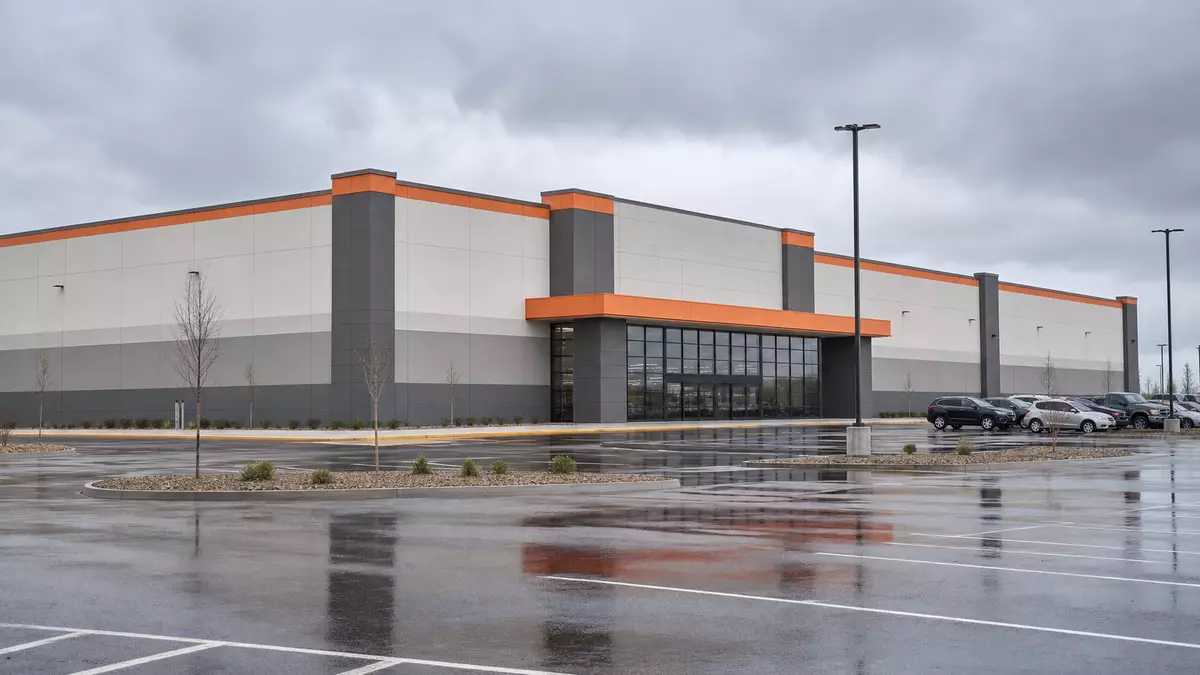
Home Depot stock reflects steady demand and a mature retail footprint
Published on 07/16/2026 at 07:02 | Editorial responsibility: Rafael Müller, Editor-in-Chief AD HOC NEWS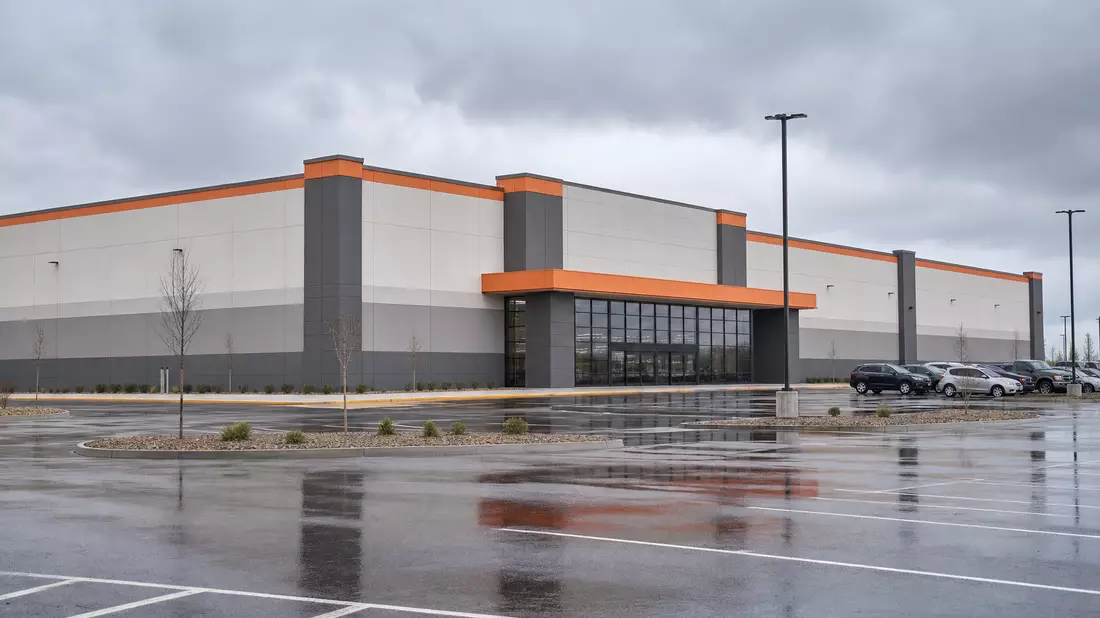
Home Depot stock represents ownership in one of the largest home improvement retailers in the United States, a company known for its big-box stores and extensive range of building materials, tools, appliances, and related services for households and professional customers.
Business model and retail footprint
Home Depot operates a network of large-format stores that are designed to function as one-stop destinations for home improvement, repair, and construction needs. These locations typically stock lumber, hardware, plumbing supplies, electrical components, paint, flooring, garden products, and power tools, consolidating many categories that residential and commercial projects require.
The company’s core business model relies on high store traffic, broad assortments, and competitive pricing, while leveraging scale to manage inventory and distribution efficiently. Home Depot serves not only individual homeowners undertaking renovation and maintenance projects but also professional customers such as contractors, tradespeople, and property managers, who often buy in larger quantities and on a recurring basis.
Customer segments and demand drivers
Demand for Home Depot’s products and services is closely tied to activity in housing and construction. When residential remodeling, new home building, and property maintenance are robust, store visits and order sizes for building materials, fixtures, and tools tend to be stronger. In periods of slower construction or softer housing turnover, the mix can shift more toward smaller repair projects and maintenance purchases but the underlying need to maintain and improve homes continues over time.
The company’s customer base spans do-it-yourself consumers, who may tackle painting, landscaping, or minor renovations, and do-it-for-me customers, who rely on professional installers and contractors; Home Depot seeks to address both groups through products, project guidance and services. This dual focus on homeowners and pros creates a diversified revenue stream and helps smooth demand across different economic cycles.
Digital capabilities and omnichannel strategy
Beyond its physical stores, Home Depot has developed e-commerce and digital tools to support customers who plan projects online or prefer ordering for pickup and delivery. The company’s omnichannel strategy aims to integrate its website, app, and store network so that customers can research products, check availability, and choose fulfillment options like curbside pickup or scheduled delivery.
These digital capabilities support larger and more complex projects, because professional customers can place bulk orders and coordinate shipments to job sites, while homeowners can access product information, ratings, and how-to content before making purchase decisions. Over time, this combination of in-store expertise and online convenience has become a structural element of Home Depot’s competitive positioning.
Focus on professional customers
Professional contractors and tradespeople are an important segment for Home Depot, because they tend to purchase higher volumes of core materials like lumber, drywall, fasteners, and plumbing supplies, as well as power tools and job-site equipment. The company offers services such as bulk purchasing support, job account management, and dedicated parking and loading areas to make frequent visits more efficient for these customers.
By concentrating on reliability of supply, consistent product quality, and logistics that match professional workflows, Home Depot aims to deepen relationships with pros who can generate repeat business across multiple projects and properties. For investors, the professional segment is often viewed as a stabilizing factor that can offset fluctuations in purely discretionary consumer spending on home decor or smaller projects.
Store layout, merchandising, and services
Home Depot’s stores are typically organized into distinct departments such as lumber, building materials, hardware, paint, flooring, kitchen and bath, plumbing, electrical, garden, and tools. This layout is designed to make it easier for customers to locate items and complete entire project lists in a single trip, while also encouraging discovery of related products through merchandising.
In addition to product sales, Home Depot often provides rental services for equipment such as power tools, demolition gear, and moving vehicles, allowing customers to access specialized equipment without a long-term purchase commitment. Installation services through third-party partners further expand the offering for customers who prefer professional help with projects like flooring, cabinetry, or major appliances.
Competitive landscape and positioning
Home Depot competes with other home improvement chains, regional hardware stores, specialty building material suppliers, and online marketplaces that sell tools and construction products. Its large-scale purchasing, logistics infrastructure, and nationally recognized brand give it advantages in assortment breadth and pricing compared with many smaller rivals.
At the same time, niche suppliers and local distributors can offer tailored services or specialized products, particularly for professionals with specific technical requirements. Home Depot’s strategy balances broad national assortments with regional variations where climate and local building practices create unique demand patterns, such as different roofing materials or landscaping products.
Macro context and home improvement cycle
Home improvement spending tends to be influenced by factors such as home prices, mortgage rates, household income, and consumer confidence. When homeowners feel secure about the value of their properties and their financial outlook, they may be more inclined to invest in renovations, upgrades, and landscaping projects, which can benefit retailers like Home Depot.
During periods of higher borrowing costs or softer housing activity, some large projects may be deferred, but maintenance and safety-related purchases—such as plumbing repairs, electrical fixes, or essential replacements of worn-out fixtures—often continue. This dynamic has historically made home improvement retailers part of a broader consumer and housing cycle, but with exposure to both discretionary and non-discretionary spending.
Supply chain, inventory, and pricing
Operating a vast network of stores requires Home Depot to manage complex supply chains that include domestic and international suppliers of building materials, fixtures, tools, and seasonal products. Inventory management affects both customer satisfaction—having products available in the right quantities—and financial performance, as excessive stock can tie up capital while shortages can hurt sales.
Pricing decisions reflect commodity costs, competition, and customer expectations. For example, lumber and other raw materials can experience price swings driven by global demand and supply conditions, and the company must adjust its purchasing and retail prices to maintain margins while remaining competitive for price-sensitive customers.
Operational efficiency and store investment
Home Depot invests in store maintenance, associate training, and in-store technology to improve checkout speed and product location. Tools such as handheld devices for associates, real-time inventory systems, and self-checkout lanes support higher throughput and more efficient customer experiences, which can help the company handle busy periods without significantly increasing labor costs.
Operational efficiency efforts also extend to distribution centers and transportation networks, where routing, load optimization, and scheduling can reduce costs while maintaining timely deliveries. For investors assessing Home Depot stock, such structural efficiency initiatives can be seen as long-term drivers of profitability rather than short-term catalysts.
Representative product: power tools
Among Home Depot’s broad assortment, power tools are a representative product category that illustrates the company’s role in both DIY and professional markets. Customers can find drills, saws, sanders, grinders, and outdoor power equipment from various brands, alongside accessories such as bits, blades, and safety gear.
Power tools are central to many projects, from simple home repairs to large-scale construction, and tend to see repeat purchases and upgrades over time. The combination of in-store demonstrations, online product information, and rental options helps customers choose tools that match their skill level and project needs while reinforcing Home Depot’s position as a comprehensive source for project-ready equipment.
Home Depot stock and investor perspective
Home Depot stock is listed in the United States and is associated with the home improvement retail sector, which often features in discussions about consumer spending and housing-related activity. Shares of the company give investors exposure to a mature, large-scale retailer that generates revenue from both everyday maintenance purchases and larger renovation projects.
For many investors, the key long-term considerations around Home Depot stock include the durability of demand for home improvement, the company’s ability to maintain operational efficiency and cost control, and its success in continuing to integrate digital tools with store-based sales and services. These structural elements support the investment narrative around the stock even when short-term market conditions fluctuate.
Home Depot at a glance
- Company: Home Depot Inc.
- ISIN: US4370761029
- CUSIP: 437076102
- Ticker: HD
- Exchange: NYSE
- Sector / Industry: Consumer discretionary / Home improvement retail
- Index membership: S&P 500
- Next earnings date: not yet officially scheduled
Disclaimer regarding our articles: No investment advice, no buy or sell recommendation. Information on prices, companies, and markets is provided without guarantee; changes are possible at any time. Stock market transactions can lead to substantial losses. Our articles are created and reviewed in whole or in part automatically with the support of AI.