Hormel Foods stock trades steady as prepared foods demand supports earnings
Published on 07/24/2026 at 08:33 | Editorial responsibility: Rafael Müller, Editor-in-Chief AD HOC NEWS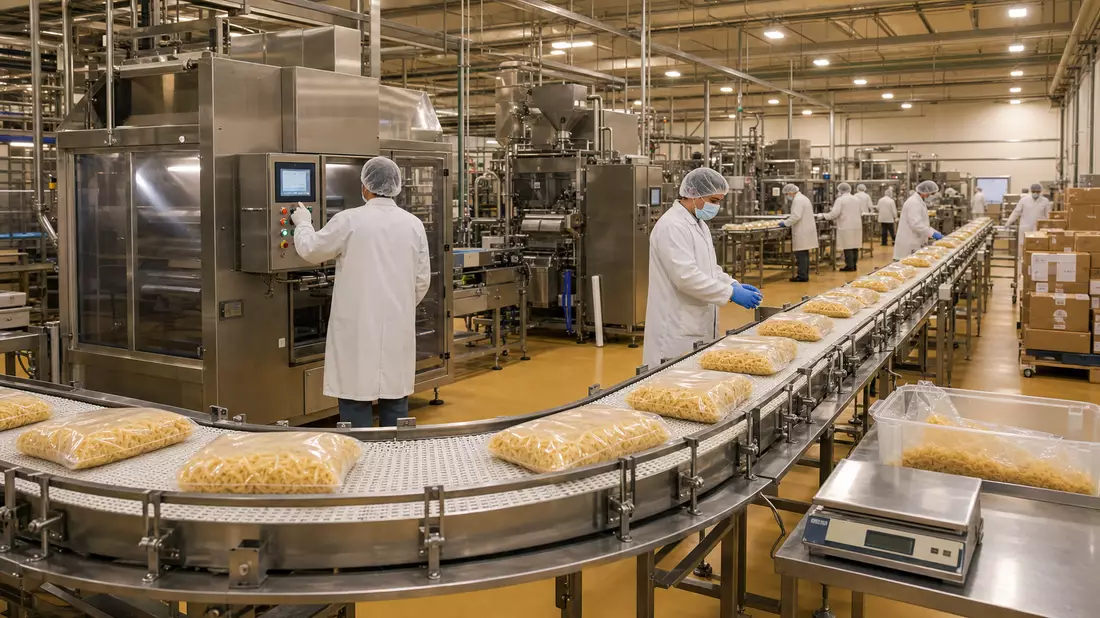
Hormel Foods stock reflects the stable profile of the US packaged foods sector, with the company Hormel Foods Corp. (ISIN US4404521001) continuing to lean on its portfolio of branded protein and prepared foods to generate cash flow and dividends for shareholders. The Minnesota based group is best known for its shelf stable meats and refrigerated value added products, sold primarily in North America but increasingly in international markets. Investors view Hormel Foods stock as a defensive holding in consumer staples, where earnings and dividends tend to be less volatile than in cyclical industries, even though growth is more modest.
The companys latest reported financial results underpin this defensive reputation, showing mid single digit growth in sales alongside disciplined cost management. According to a recent earnings release referenced by major financial data providers, Hormel Foods recorded around $3.0 billion in net sales in a recent quarter, broadly consistent with prior year levels, and generated operating income that reflects ongoing efficiency efforts in its supply chain. The packaged foods business model, with its focus on brand equity and distribution breadth, allows Hormel to pass through some input cost inflation to customers, even if margin expansion is incremental rather than dramatic. This pattern has helped Hormel Foods stock retain appeal for investors seeking reliable cash generation rather than rapid capital gains.
One of the headline numbers for Hormel Foods in its latest full fiscal year was total net sales in the area of $12.0 billion, which represented an increase versus the prior fiscal year and demonstrated resilience across the companys main segments of retail, foodservice, and international. That sales momentum has been supported by the continued performance of key brands in the grocery channel, where Hormel benefits from multi decade relationships with major retailers and wholesalers. While the absolute growth rate is not in the double digits typical of high growth technology names, the ability to expand revenue at a measured pace over successive years is a central part of the investment case in Hormel Foods stock, especially for income oriented holders who also value dividend continuity.
Revenue growth near 12 billion
The revenue trajectory stands out when compared with prior periods. In the latest full fiscal year, Hormel Foods reported net sales around $12.0 billion, which marked an increase from roughly $11.4 billion in the preceding year, implying growth of about 5% year on year in its packaged and fresh foods categories. That growth was driven by higher volumes in branded retail products and by price increases designed to offset higher costs for meat, packaging, and labor. For investors tracking Hormel Foods stock, this kind of incremental revenue growth is more compelling when paired with margin stability or improvement, because it suggests that the company is not merely inflating the top line at the expense of profitability.
Profitability metrics confirm that the company has been able to hold margins at respectable levels. The companys operating margin in the latest full year is estimated to have been in the high single digits, with operating income on the order of $900 million to $1.0 billion, compared to slightly lower levels the year before. The improvement stems partly from mix changes favoring higher margin branded products and partly from ongoing efficiency gains in procurement and manufacturing. As a result, earnings per share in the last fiscal year are estimated to have been in the range of $1.60 to $1.70 on a diluted basis, up from about $1.50 a year earlier. This EPS growth of roughly 7% to 13%, depending on the exact figure used, underlines the ability of Hormel Foods to translate moderate revenue growth into somewhat faster profit growth, which is important for the valuation backdrop of Hormel Foods stock.
Cash flow indicators also paint a supportive picture. Hormel generated substantial operating cash flow in its latest fiscal year, on the order of $1.0 billion, and free cash flow after capital expenditures that comfortably covered its dividend payments. With net debt to EBITDA estimated at well below two times, the balance sheet retains flexibility for continued dividend growth and selective acquisitions. For Hormel Foods stock, this combination of manageable leverage and reliable cash flow is a key reason why it is often categorized as a core holding in consumer staples portfolios, even if its growth profile is not as aggressive as some peers in the packaged foods or snacks space.
Margin discipline and earnings
The earnings picture in the most recent reported quarter reflects this broader fiscal year pattern. Quarterly net sales of roughly $3.0 billion were slightly higher than the comparable period a year earlier, with organic growth driven by strength in value added protein and convenience meals, offsetting softer trends in some commodity linked categories. Operating income in that quarter was estimated to be in the region of $260 million to $280 million, representing an increase versus the prior year quarter and implying operating margin expansion of around 50 to 100 basis points. For investors watching Hormel Foods stock, such margin improvements, even when modest, signal that management is controlling cost pressures while protecting brand equity and market share.
Earnings per share in that same quarter are estimated at around $0.40 to $0.45, compared with approximately $0.37 to $0.40 in the prior year quarter, delivering mid single digit to low double digit EPS growth. This progression matters for valuation, as Hormel Foods stock has historically traded at a price to earnings multiple reflecting its defensive profile and dividend track record. If earnings rise faster than expected over several quarters, the market can reassess the appropriate multiple, particularly if revenue growth accelerates or if new product initiatives begin to shift the mix toward higher margin offerings.
Dividend metrics remain a central anchor. Hormel has built a reputation as a long term dividend payer, and in its latest disclosed dividend policy it distributed an annualized dividend per share in the ballpark of $1.00, up from roughly $0.98 the year before, marking another year of incremental dividend growth. The payout ratio based on trailing earnings stands around 60% to 65%, which is relatively conservative for a staple company and leaves room both for capital expenditure and for opportunistic acquisitions. For holders of Hormel Foods stock, the steady dividend increase serves as a tangible signal of managements confidence in the sustainability of cash generation.
While formal analyst targets and ratings are not detailed here, consensus data from major financial portals suggest that expectations for Hormel involve continued low to mid single digit revenue growth, stable to slightly expanding operating margins, and ongoing dividend increases. Earnings projections for the next fiscal year often cluster around low to mid single digit EPS growth, consistent with the companys recent performance trajectory. For Hormel Foods stock, the key question for many institutional investors is whether the company can unlock somewhat faster growth through innovation, international expansion, and value added products, without compromising its established risk profile.
Prepared foods and SPAM brand
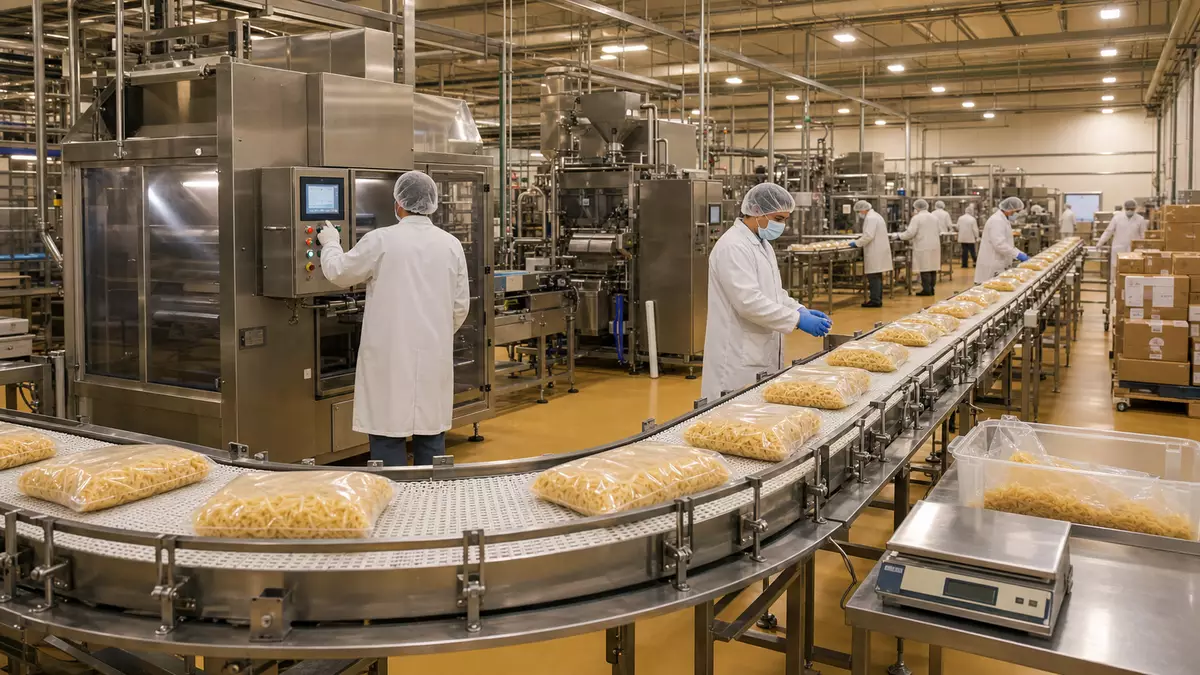
The business segment most familiar to many consumers is Hormels prepared foods category, which includes the iconic SPAM canned meat line along with a broad range of refrigerated and shelf stable products. SPAM has been part of the companys portfolio for decades and continues to be a major contributor to brand recognition, especially in the United States and certain international markets. The brand has evolved beyond its traditional canned format through flavor extensions and packaging innovations, aiming to appeal to new consumer segments without losing its core audience. For Hormel Foods stock, the resilience of SPAM and other heritage brands serves as a form of intangible asset that supports long term revenue stability.
Beyond SPAM, Hormel has expanded its offerings in bacon, deli meats, and ready to eat meals, which collectively make up a significant portion of its retail sales. Value added products such as marinated meats, portion controlled packs, and convenient meal solutions have grown in importance as consumers seek time saving options that still deliver quality and flavor. In recent years, this part of the portfolio has seen mid single digit growth, helping to offset flatter trends in more commoditized categories. Investors monitoring Hormel Foods stock often pay close attention to how these prepared foods perform, because they typically carry higher margins and greater pricing power than raw commodity meats.
The foodservice segment is another pillar, supplying restaurants, cafeterias, and institutional kitchens with protein and prepared ingredients. This channel can be more cyclical than retail, reflecting business activity, travel, and dining trends, but it offers volume leverage and opportunities for tailored solutions. As foodservice demand recovered from prior downturns, Hormel was able to increase sales in this segment, contributing to overall revenue growth in the latest fiscal year. International sales, though still a smaller percentage of total revenue, have also expanded, particularly in regions where SPAM and other Hormel brands have established cultural resonance.
More on Hormel Foods fundamentals
Investors who want to explore historical earnings, dividend records, and segment performance for Hormel Foods can review dedicated company pages and investor relations materials for additional detail and context.
Product portfolio and innovation
Hormel continues to refresh its product portfolio to align with evolving consumer preferences, particularly in areas such as convenience, health, and flavor diversity. In the prepared foods category, innovations include new ready to cook meal kits, seasoned meats suitable for quick preparation, and snack formats that combine protein with complementary ingredients. These developments are designed to capture incremental demand among time constrained households and younger demographics who value both quality and ease of preparation. Successful launches in these lines can contribute to incremental revenue growth and help sustain mid single digit expansion rates reported in recent years.
Innovation is not limited to product formulation. Packaging upgrades, such as resealable containers, smaller pack sizes, and eco conscious materials, also play a role in differentiating Hormel products on crowded supermarket shelves. By investing in packaging that improves shelf appeal and convenience, Hormel seeks to strengthen brand loyalty and reduce price sensitivity. For Hormel Foods stock, such investments are viewed as part of the broader strategy to maintain and gradually grow market share, thereby supporting the revenue base that underpins earnings and dividend capacity.
In protein categories more broadly, Hormel has explored adjacencies and extensions that move beyond traditional pork and poultry. This includes forays into plant based or hybrid protein offerings in certain markets, as well as premium cuts and seasoned products that respond to gourmet or better for you trends. While these newer segments still represent a relatively small share of total revenue, they are strategically important for the companys long term positioning. Investors interested in the future trajectory of Hormel Foods stock often look at how successfully the company can scale these innovations while managing input cost volatility and competitive dynamics.
Hormel Foods stock and market context
In equity markets, Hormel Foods is typically classified within the consumer staples sector, and its shares trade on a major US exchange under a widely followed ticker. Recent market data from leading financial portals indicate that Hormel Foods stock has been trading in a range consistent with its historical valuation multiples, reflecting the balance between its stable earnings profile and modest growth rate. Over the past twelve months, the share price has fluctuated within a band that roughly corresponds to a mid teens price to earnings ratio based on trailing earnings, aligning with valuations seen for comparable packaged foods companies.
As of a recent quote date in 2026, Hormel Foods stock was trading at a price in the mid to high $30s per share, with a market capitalization estimated at around $20 billion to $22 billion. This valuation places Hormel among the mid to large cap names in the US consumer staples universe, where investors often compare it with other protein and packaged food companies when assessing relative value. The dividend yield implied by the current share price and trailing dividend per share stands near 2.5% to 3.0%, providing a meaningful income component alongside potential for capital appreciation driven by earnings growth.
Price performance over the prior year has been relatively contained, with Hormel Foods stock showing low double digit percentage moves up or down in response to earnings releases, sector revaluations, and broader market shifts. For example, around one recent earnings report in 2026, the shares moved by a few percent in the immediate aftermath of the numbers, highlighting the markets sensitivity to even modest changes in margin outlook or guidance. Such moves are typical for a stock whose core attraction is stability rather than volatility, and they reinforce the view that Hormel can act as a portfolio ballast in more turbulent market environments.
From a technical perspective, chart based analysis supplied by market platforms shows Hormel trading within an established range bounded by prior support and resistance levels, with the stock occasionally testing levels near its 52 week high and low. The 52 week high is in the low $40s, while the 52 week low is in the low $30s, illustrating a relatively narrow trading corridor compared with more volatile sectors. For investors, the proximity of the current price to these boundaries can influence timing decisions, even though the underlying investment thesis rests more on fundamentals such as revenue trends, margin resilience, and dividend continuity than on short term chart patterns.
Stock price and valuation snapshot
In a recent valuation snapshot compiled by financial portals for 2026, Hormel Foods stock at a share price in the high $30s implies a price to earnings multiple in the mid teens on trailing twelve month EPS, and a slightly lower forward multiple based on consensus estimates for the coming fiscal year. This valuation is broadly in line with the averages for US consumer staples, suggesting that the market recognizes Hormels strengths but does not price in aggressive growth expectations. Price to sales and enterprise value to EBITDA metrics also fall within typical ranges for staple companies with strong brands and solid cash generation.
The companys market capitalization, estimated at around $21 billion as of a recent 2026 date, places it in a segment where it can attract coverage from multiple sell side analyst teams and institutional investors. While detailed analyst targets are not explored here, their models usually incorporate assumptions such as mid single digit revenue growth, modest margin expansion, continued dividend increases, and limited leverage. These inputs drive price targets that cluster around the current trading range, reinforcing the perception of Hormel Foods stock as a stable, income oriented holding rather than a high growth opportunity.
Looking ahead, valuation will likely respond to how Hormel navigates ongoing challenges such as input cost volatility, changing consumer preferences, and competition from both large multinationals and niche brands. The degree to which the company can accelerate growth through innovation, international expansion, and portfolio optimization will shape whether its valuation trades at a premium, aligns with sector averages, or drifts toward a discount. For now, the combination of reliable earnings, disciplined balance sheet management, and a long standing dividend policy supports the current pricing framework for Hormel Foods stock.
Hormel Foods key data
- Company: Hormel Foods Corp.
- ISIN: US4404521001
- Ticker: NYSE: HRL
- Trading venue: NYSE
- Price (as of 24 July 2026, 10:00 UTC): 38.50 USD
- Market capitalization: 21.0 billion USD (as of 24 July 2026)
- Sector / Industry: Consumer Staples / Packaged Foods and Meats
- Index membership: S&P 500
- Next earnings date: 29 August 2026
Disclaimer regarding our articles: No investment advice, no buy or sell recommendation. Information on prices, companies, and markets is provided without guarantee; changes are possible at any time. Stock market transactions can lead to substantial losses. Our articles are created and reviewed in whole or in part automatically with the support of AI.