Index Upgrade Meets Reality Check: Thyssenkrupp's Steel Stalemate and Mid-Cap Move
Published on 06/22/2026 at 18:06 | Redaktion boerse-global.de
Thyssenkrupp has secured a fresh seat at the European equity table. The index provider STOXX has promoted the industrial conglomerate from the Small 200 to the Mid 200, a move that reshapes its peer group overnight. For institutional investors who track benchmarks, the shift means Thyssenkrupp will now be measured against medium-sized industrial names rather than small-caps — a potential catalyst for fund inflows. Yet beneath the index mechanics, the company’s core challenge remains unresolved: how to complete a costly, slow-motion transformation while its steel heart beats unevenly.
The index promotion is a purely market-capitalisation-driven event, not a vote of confidence in operational progress. Shares have barely reacted, trading around €10.50, virtually unchanged from the prior close. The week has seen a loss of roughly 8%, though year-to-date the stock still shows a gain of nearly 9%. Technically, the price holds above its 200-day moving average, and the RSI sits in neutral territory near 45, reflecting a market that is neither pressing the buy button nor running for the exits.
That neutrality makes sense when you consider the backdrop. Thyssenkrupp is no longer a classic industrial conglomerate; it is remaking itself into a lean financial holding with majority stakes in independent subsidiaries, each with its own capital market access. Marine Systems has already gone public. Nucera, the green hydrogen spin-off, trades on its own. The APEX efficiency programme runs across the group. The strategy is bold — but execution is uneven, and nowhere is that truer than in steel.
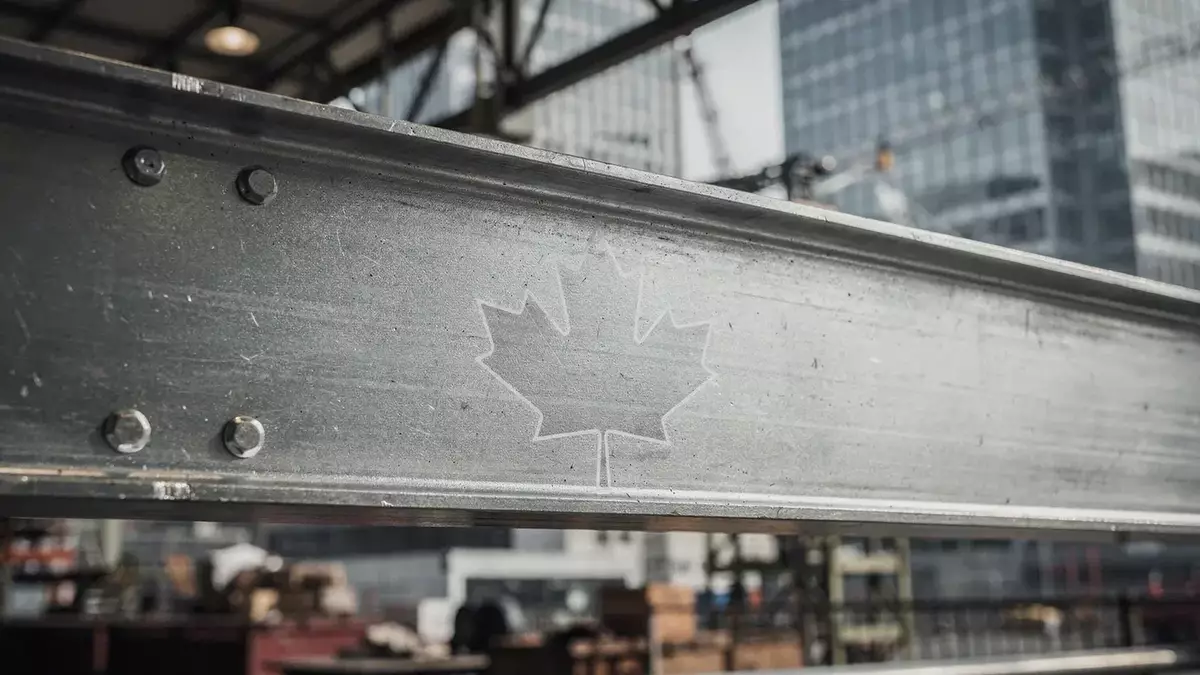
The hardest chapter involves Thyssenkrupp Steel Europe and its quest for carbon-neutral production by 2045, powered by green hydrogen. For months, the company had been in talks with Jindal Steel International about a potential sale of the steel division. In May 2026, those discussions were paused “by mutual agreement,” with Thyssenkrupp citing improved market conditions, a better operational picture, and a more supportive regulatory environment for European steel. CEO Miguel López described the steel business’s prospects as “as good as they have been in a long time.” The goal of an independent Thyssenkrupp Steel remains on the table, but the path is now deliberately left open.
Should investors sell immediately? Or is it worth buying Thyssenkrupp?
The pause may be tactical — in a rising market for European steel, selling too early could mean leaving money on the table. But it also delays the clarity investors crave. The stock sits about 20% below its 52-week high of €13.24, and nearly 49% above its low of €7.10 — a wide range that captures the tug-of-war between belief in the transformation and impatience for proof.
Operationally, the most recent quarter offered mixed signals. Adjusted EBIT improved to €198 million, but the bottom line showed a net loss of €11 million. Free cash flow turned deeply negative before acquisitions, though the group retains a comfortable net financial position of €2.8 billion in cash and €4.6 billion in total liquidity. Management has trimmed revenue expectations for the current fiscal year, now forecasting at best stagnation, while leaving profit and cash flow targets untouched.
The annualised volatility above 41% is not a red flag so much as a structural feature of a company in mid-reinvention. Investors who hold Thyssenkrupp shares are not betting on today’s earnings — they are betting on the conglomerate’s ability to keep meeting milestones: the next IPO of a subsidiary, tangible progress on steel autonomy, and measurable results from cost programmes. The direction is clear; the question is pace. And as any turnaround veteran knows, large-scale transformations almost always take longer and cost more than initially planned.
Thyssenkrupp at a turning point? This analysis reveals what investors need to know now.
For now, the market waits. The index upgrade brings fresh visibility, but the steel stalemate and the slow burn of restructuring mean that the real story remains unwritten. Thyssenkrupp’s journey from a sprawling giant to a focused holding is a long-term wager — one that requires patience as much as strategy.
Ad
Thyssenkrupp Stock: New Analysis - 22 June
Fresh Thyssenkrupp information released. What's the impact for investors? Our latest independent report examines recent figures and market trends.
Disclaimer regarding our articles: No investment advice, no buy or sell recommendation. Information on prices, companies, and markets is provided without guarantee; changes are possible at any time. Stock market transactions can lead to substantial losses. Our articles are created and reviewed in whole or in part automatically with the support of AI.