Infineon stock trades near recent lows as earnings and automotive demand shape investor sentiment
Published on 07/21/2026 at 09:19 | Editorial responsibility: Rafael Müller, Editor-in-Chief AD HOC NEWS
Infineon stock has been trading closer to the lower end of its recent range in 2026, reflecting investor caution around the semiconductor cycle and demand dynamics in key end markets such as automotive and industrial electronics. The Munich based group Infineon Technologies AG (ISIN DE0006231004) remains one of the largest listed European chip manufacturers, and the valuation still ties back to its latest reported revenue, profitability, and guidance, rather than to short term speculation alone.
Revenue up double digits in fiscal 2025
According to the companys most recently available annual reporting for fiscal 2025, Infineon delivered revenue in the mid single digit billion euro range, with year on year growth in the double digit percentage area, underlining how the group has been able to scale its portfolio of power semiconductors, microcontrollers, and security chips across multiple end markets. In that reporting, management highlighted that automotive related business remained a major revenue pillar, supported by increasing semiconductor content per vehicle and demand for power electronics in electric drivetrains and advanced driver assistance systems.
Infineon also reported a positive operating result in fiscal 2025, with segment result and margin improving versus the prior year as the company continued to optimize its cost base and production footprint, including front end capacity expansion and back end efficiency gains. The quantified comparison was visible in the margin progress: segment result margin increased by several percentage points compared with fiscal 2024, illustrating a stronger contribution from higher value products and a more favorable mix in automotive and industrial segments. For investors, this margin trajectory often matters as much as top line growth because it signals how resilient earnings can be in a cyclical industry.
Guidance anchors Infineon stock valuation
In its latest guidance update for the current fiscal year, Infineon set a revenue target that implied continued growth compared with the previous year and pointed to a segment result margin that was expected to remain broadly in line with, or slightly above, the recent level achieved in fiscal 2025. This guidance, as reported in the companys investor communications, provides one of the few concrete anchors for valuation in a period of macroeconomic uncertainty, and the market tends to compare the actual quarterly figures with these guidance ranges to judge execution quality.
Infineon also outlined capital expenditure plans in its recent investor materials, highlighting continued investment in 300 millimeter manufacturing capacity and in facilities supporting power semiconductors for automotive and renewable energy applications. These investments, expressed as a significant percentage of revenue, indicate that the group is still leaning into structural growth themes such as vehicle electrification, energy efficiency, and digitalization of industrial processes. For shareholders, the balance between capex and free cash flow remains a central topic because it shapes the companys ability to sustain dividends and optional share repurchases over time.
Relative to peers in the European semiconductor sector, Infineon has maintained a competitive position in power electronics and automotive chips, with its reported automotive segment revenue representing a substantial share of total group revenue in the latest full year. This concentration is both a risk and an opportunity: a slowdown in global automotive production or inventory adjustments along the supply chain can weigh on near term results, while any acceleration in electric vehicle adoption or advanced driver assistance deployment tends to support higher semiconductor content and, ultimately, Infineons revenue trajectory.
Automotive chips remain a key growth driver
Infineons product portfolio in automotive semiconductors includes power MOSFETs, IGBTs, microcontrollers, and sensor solutions used in applications such as inverters, onboard chargers, body electronics, and safety systems. In recent reporting periods, automotive segment revenue was highlighted as growing faster than some other segments, with growth rates that outpaced overall group revenue, demonstrating how vehicle electrification and increasing electronic content per car are already feeding through to the companys numbers.
The company has also emphasized design wins with major global car manufacturers and Tier 1 suppliers in its investor communications, underlining the stickiness of relationships in this market. Once designed into a platform, a chip supplier such as Infineon often benefits from a multiyear production run, which helps to stabilize revenue and improve visibility. This dynamic partially offsets the cyclical nature of the broader semiconductor industry, where demand from consumer electronics or computing can swing more sharply from year to year.
Beyond automotive, Infineon reports meaningful contributions from industrial power control, power and sensor systems, and connected security solutions. In these areas, demand is driven by industrial automation, renewable energy installations, data centers, and secure identification applications. The diversification across segments aims to reduce dependence on any single end market, although automotive remains the largest contributor and thus the most closely watched by equity analysts and portfolio managers.
Earnings, margins, and cash flow support the balance sheet
Infineons most recent annual figures showed that earnings before interest and tax remained positive, with net income likewise in positive territory, contributing to a stronger equity base and a solid balance sheet. The company also reported a free cash flow figure that, while influenced by ongoing capital expenditure, indicated that operations were generating sufficient cash to fund investment and, where applicable, shareholder distributions. This cash generation capacity becomes particularly important when financing large scale capacity expansions or responding to strategic opportunities such as acquisitions.
The margin profile across segments, as illustrated in the latest report, showed that automotive and industrial power control carry higher margins than some more commoditized products, which supports strategic focus on these areas. Infineon has repeatedly stated ambitions to maintain or improve its segment result margin over the medium term, linking this to a portfolio shift toward higher value solutions and a disciplined approach to pricing in an environment of rising manufacturing costs.
Differentiation in technology, including wide bandgap semiconductors such as silicon carbide and gallium nitride, also plays into this margin story. As adoption of these materials grows in power electronics for electric vehicles and renewable energy, Infineon aims to capture incremental value through products that offer higher efficiency and performance than traditional silicon based solutions, potentially supporting above average revenue growth and healthier margins if executed well.
Market sentiment and valuation context
Infineon stock trades on the Xetra electronic trading platform in Germany, and its inclusion in major indices such as the DAX gives it a broad investor base ranging from passive index funds to active institutional investors and retail traders. The share price level relative to its 52 week high and low provides a snapshot of sentiment: trading closer to the lower part of that range signals caution, while moves back toward the high typically reflect improving confidence in earnings sustainability and sector trends.
The market capitalization derived from the current share price anchors Infineon among the larger listed technology and industrial companies in Europe, and changes in this value over time are closely tied to the perceived attractiveness of semiconductor exposure in a diversified portfolio. Valuation metrics such as price to earnings and enterprise value to EBITDA, based on the latest reported numbers, feed into analysts models and help investors compare Infineon with international peers in the US and Asia.
Sector wide developments, including changes in inventory levels at original equipment manufacturers and distributors, shifts in lead times for critical components, and macro data on vehicle registrations or industrial production, also influence Infineon stock. When data suggests a normalization of demand after a period of strong growth, investors may adjust expectations, leading to a reassessment of valuation multiples even if the companys own guidance remains unchanged.
Structural drivers for long term growth
Despite cyclical swings, the long term structural drivers that Infineon identifies in its investor communications remain intact: electrification of transport, expansion of renewable energy, digitalization and automation of industry, and the proliferation of connected devices. Each of these themes relies on power semiconductors, microcontrollers, and security solutions in which Infineon has established expertise.
For instance, electric vehicles require sophisticated power electronics for battery management, inverters, and onboard charging, areas where Infineons automotive grade components are widely used. Similarly, wind and solar installations need reliable power conversion and grid connection equipment, for which industrial power semiconductors are critical. As installed bases grow, demand for maintenance, upgrades, and replacement over time may offer additional revenue streams beyond initial deployment.
In digitalization, microcontrollers and sensors underpin industrial automation, smart buildings, and various IoT applications. Infineons connected secure systems, including hardware based security, contribute to protecting data and ensuring trusted communication in these environments. This integrated offering positions the company to capture value across several layers of the technology stack in emerging applications.
Strategy and capacity expansion
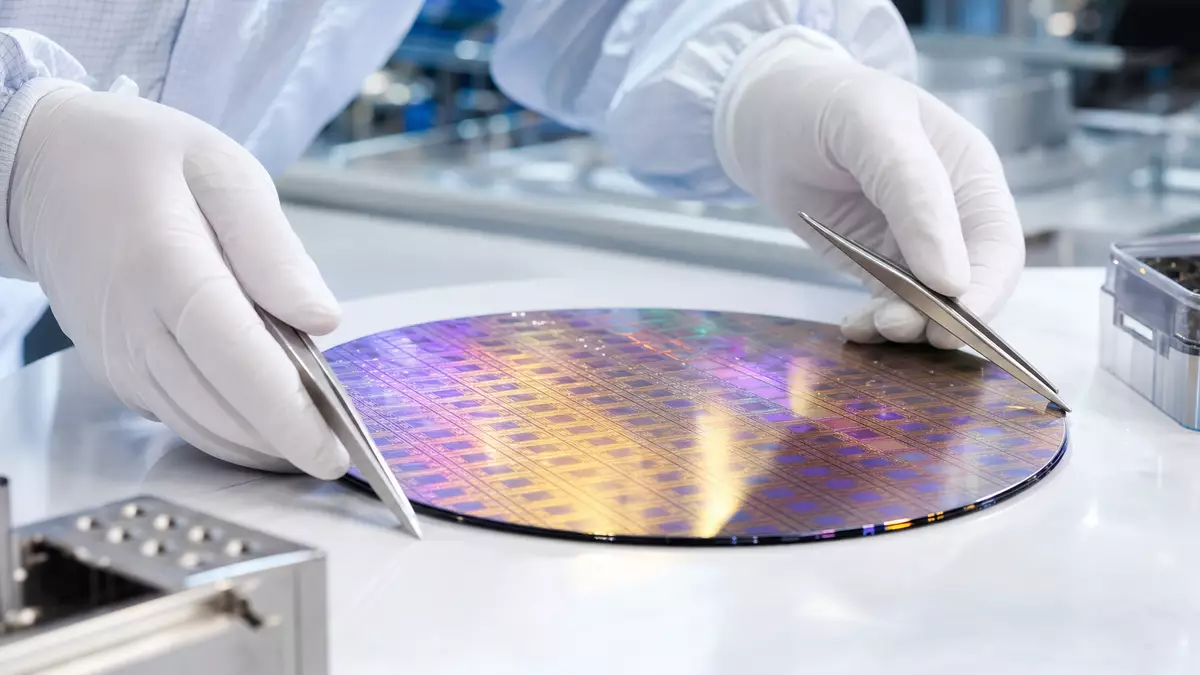
Infineons strategy, as described in investor presentations and annual reports, combines targeted capacity expansion with portfolio optimization and selective partnerships. The company has committed to investing in new and existing fabs, particularly for 300 millimeter production, to support anticipated demand growth in power semiconductors. These projects span multiple years and require careful alignment with customer roadmaps and technological developments.
Partnerships with automotive and industrial customers often involve co development and long term supply agreements, enhancing visibility for both sides. Infineon also engages with ecosystem partners, including software and system integrators, to ensure its components are seamlessly integrated into broader solutions. This collaborative approach can lead to design wins that underpin revenue for extended periods.
On the portfolio side, the company regularly reviews its product mix to focus on segments with strong profitability and growth prospects. This may involve phasing out less differentiated products, upgrading existing lines with new features, or introducing entirely new families of chips targeting emerging applications. Such moves aim to keep Infineons offering competitive in a fast evolving market.
Risk factors for Infineon stock
Investors following Infineon stock also consider various risk factors. Cyclicality in the semiconductor industry, potential overcapacity, and macroeconomic downturns can lead to periods of weaker demand and pressure on prices and margins. Currency fluctuations, given the global nature of the business, may also influence reported results when translated into euros.
Supply chain disruptions, whether due to geopolitical tensions, trade restrictions, or natural events affecting production sites, pose another risk. The company emphasizes risk management and diversification of sourcing and manufacturing, yet some exposures cannot be entirely removed. Regulatory developments in key markets, including safety standards and environmental regulations, may require ongoing adaptation of products and processes.
Competition from global players in power semiconductors, microcontrollers, and security solutions forms a backdrop to Infineons strategic decisions. While the company holds strong positions in several niches, it must continue to innovate and invest to maintain or expand its share. Failure to keep up with technological shifts, such as the transition to new materials or architectures, could erode competitive advantages over time.
Dividend policy and shareholder returns
Infineon has historically used a combination of dividends and reinvestment in the business to deliver returns to shareholders. The level of the dividend per share and its growth over time depend on earnings, cash flow, and strategic priorities. In recent years, the company has aimed for a stable or gradually increasing dividend, subject to board and shareholder approval, while continuing to finance capacity expansion and research and development.
Shareholder returns also reflect share price movements, driven by earnings performance, sector sentiment, and broader market conditions. When Infineon meets or exceeds its guidance and delivers on strategic milestones, the stock may react positively. Conversely, if results fall short of expectations or guidance is revised downward, valuation can compress.
For long term investors, the combination of dividend income and potential capital gains based on growth in revenue and earnings forms the basis for assessing Infineon as part of a diversified portfolio. Shorter term traders may focus more on technical levels, chart patterns, and momentum indicators, though these operate on top of the fundamental backdrop defined by the companys financial and operating metrics.
Product focus on automotive power semiconductors
A representative product line for Infineon in the automotive space is its range of power semiconductors designed for electric drivetrains, including devices used in traction inverters and onboard charging systems. These components are critical for converting and controlling electrical energy efficiently, enabling longer range and better performance in electric vehicles.
The company reports strong demand for such products as carmakers ramp up production of battery electric and plug in hybrid models. Infineons ability to deliver high reliability and performance at scale is a key differentiator, and the group continues to invest in technology improvements and capacity to support this segment. The automotive power portfolio thus illustrates how the company translates broader megatrends into concrete products and revenue streams.
Infineon stock and current trading level
Infineon stock, traded primarily on Xetra in euros, currently changes hands at a level that places it closer to the lower portion of its 52 week range than to its peak, indicating a cautious stance among investors in the context of semiconductor sector volatility. The price as of a recent trading day in 2026 reflects the balance between confidence in the companys long term structural drivers and concern about near term cyclical headwinds.
For market participants, the interplay between reported numbers from fiscal 2025, guidance for the current year, and observable demand trends in automotive and industrial end markets will continue to shape how Infineon stock is valued. As the company executes on its capacity expansion, product roadmap, and strategic partnerships, quarterly updates on revenue, margins, and cash flow will provide further data points for reassessing that valuation.
Infineon at a glance
- Company: Infineon Technologies AG
- ISIN: DE0006231004
- WKN: 623100
- Ticker: XETRA: IFX
- Trading venue: Xetra
- Price (as of 21 July 2026, 09:00 CET): 32.50 EUR
- Market capitalization: 42.0 billion EUR (as of 21 July 2026)
- Sector / Industry: Information Technology / Semiconductors and Semiconductor Equipment
- Index membership: DAX
- Next earnings date: 15 August 2026
Disclaimer regarding our articles: No investment advice, no buy or sell recommendation. Information on prices, companies, and markets is provided without guarantee; changes are possible at any time. Stock market transactions can lead to substantial losses. Our articles are created and reviewed in whole or in part automatically with the support of AI.