Intel stock trades steady as investors weigh foundry ambitions and AI data center demand
Published on 07/21/2026 at 14:25 | Editorial responsibility: Rafael Müller, Editor-in-Chief AD HOC NEWS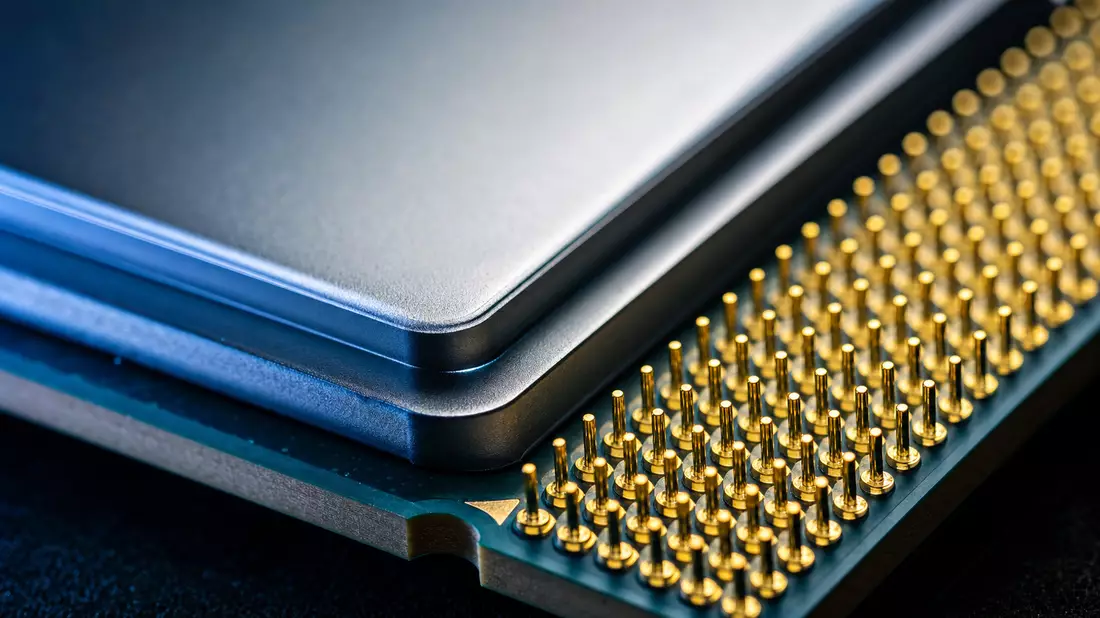
Intel Corp. (ISIN US4581401001) remains a key semiconductor name for US investors, with Intel stock reflecting both the burden of a multiyear manufacturing turnaround and the potential of accelerating AI-driven data center demand. In its most recently reported quarter for fiscal 2024, Intel generated around $12 billion in revenue according to publicly available earnings summaries, and the company continues to invest billions of dollars in advanced manufacturing capacity to support its foundry strategy. Investors are closely watching how these spending plans translate into future margins and cash flow as the cycle evolves.
Revenue trends and margin recovery
In the latest reported earnings period for 2024, Intel’s revenue came in at roughly $12 billion, representing a single-digit percentage increase compared with the same quarter of the prior year, according to widely cited financial portal data. Within that total, the client computing segment, which includes PC processors, contributed a significant portion of sales as unit volumes stabilized following the post-pandemic downturn. Public earnings commentary indicates that client revenue grew modestly year over year, providing an early signal that the PC market may be normalizing after a period of excess inventory and weak end demand.
Data center and AI infrastructure are increasingly important for Intel. In the same 2024 quarter, the data center and AI segment is reported to have generated several billion dollars of revenue, again showing modest growth versus the previous year based on consensus numbers compiled by market data providers. While these growth rates are not yet comparable to some of Intel’s fastest-growing peers, the segment represents a core pillar of the turnaround narrative and a potential driver of margin expansion if AI server adoption accelerates. Investors will look closely at subsequent quarters to see whether the revenue mix shifts further toward higher-value data center products.
Intel’s gross margin remains a central metric for assessing the manufacturing transition. Reports from recent quarters indicate that gross margin in 2024 was in the low to mid-40 percent range, up a few percentage points from depressed levels in 2023 as factory utilization improved. This comparison is important because Intel had previously operated with gross margins well above 50 percent in earlier industry cycles, and the difference underscores how much room remains for operational recovery. Any sustained progress back toward historical margin ranges would strengthen the case that Intel’s foundry investments are beginning to pay off in terms of cost efficiency and yield enhancement.
Foundry investment and financial discipline
Intel’s transformation into a major contract chip manufacturer requires heavy capital expenditure. Financial data for fiscal 2024 suggest annual capital spending in the tens of billions of dollars, with management signaling through previous guidance that this level of investment will continue as the company expands leading-edge fabrication facilities in the United States and Europe. The company’s roadmap includes multiple new fabs targeting advanced process nodes, and these projects are intended both to support Intel’s own products and to attract external foundry customers seeking geographic and supplier diversification.
These investments have direct implications for Intel’s free cash flow. In recent reporting, Intel indicated that free cash flow was pressured by capex, with some quarters showing negative free cash flow as construction and equipment outlays outpaced operating cash generation. The comparison with earlier years, when capex was relatively lower, underlines the scale of the current strategic pivot. Management has outlined a plan to move back toward more balanced cash flow over the medium term, once initial fab build-outs are completed and incremental revenue from both internal and external customers begins to offset depreciation and operating costs.
Debt and liquidity metrics also play into investor assessment. Intel’s total debt stood in the tens of billions of dollars as of late 2024, according to widely accessible balance-sheet summaries, a level that has increased versus earlier years as the company tapped financing to support capital projects. At the same time, Intel maintains significant cash and marketable securities, helping to provide flexibility during the investment phase. For shareholders, the comparison between net debt today and in prior periods is a key consideration when evaluating risk, particularly if macroeconomic conditions or semiconductor end-demand were to soften unexpectedly.
Dividend, cash returns, and valuation context
Despite the heavy investment cycle, Intel continues to return cash to shareholders via dividends. Public dividend data show that Intel paid an annual dividend in the range of $0.50 to $0.60 per share in 2024 after adjustments from earlier levels, providing a forward dividend yield that has recently hovered around the low single-digit percentage area based on common price ranges seen over that period. This represented a reduced payout compared with prior years when the dividend per share was higher, a change that illustrates how management has prioritized funding the manufacturing transition while still maintaining some level of shareholder return.
From a valuation perspective, Intel’s market capitalization has fluctuated widely across recent years. In 2024, the company’s market value was commonly reported in the range of $150 billion to $200 billion, depending on the specific date and share price. This range represents a recovery compared with the trough levels during the earlier PC downturn but remains below peak market capitalizations reached during prior cycles. Investors often compare Intel’s valuation multiples – such as forward price-to-earnings and price-to-sales – to those of other large chipmakers focused on AI and data centers, and such peer comparisons frequently show Intel trading at a discount, reflecting both execution risk and the capital intensity of its foundry ambitions.
Another important metric is Intel’s earnings per share trajectory. Consensus estimates compiled by financial information providers for 2024 and 2025 indicate that adjusted EPS has improved from loss-making or near break-even levels in earlier quarters to positive territory, with projections often showing further gains as utilization improves and higher-margin products scale. The quantified comparison between EPS levels in 2023 and projected figures for 2025 gives investors a numerical basis for judging whether Intel’s turnaround efforts are visible in the bottom line, and whether current valuation levels already price in a substantial portion of that recovery.
PC and server products anchor the narrative
Intel’s core business still revolves around client and server processors, even as the company broadens into foundry services and accelerators. The client computing group includes processors for notebooks and desktops that power mainstream consumer and business PCs. In recent quarters, unit shipment figures from industry trackers indicate that global PC shipments stabilized after prior double-digit declines, and Intel’s share of key segments remained substantial. For the company, a stabilization or modest recovery in PC volumes supports revenue and contributes to better factory utilization, which in turn helps gross margin as fixed costs are spread across more units.
On the server side, Intel supplies Xeon processors used in data centers for cloud computing, enterprise workloads, and increasingly AI-related tasks when paired with accelerators. Industry data for 2024 suggest that spending on AI servers is growing at double-digit rates, and while specialized accelerators capture a prominent share of attention, Intel’s CPUs continue to play a central role in orchestrating workloads and managing system resources. The interplay between CPU and accelerator demand will be critical for Intel’s data center segment revenue mix over the next several years, especially as customers seek balanced architectures for AI training and inference.
Intel’s networking and edge solutions add another layer to its portfolio. These products, including Ethernet adapters and edge computing platforms, provide connectivity and local processing capabilities across industrial, telecom, and enterprise environments. Segment revenue has in some periods grown at mid-single-digit rates year over year according to sector reports, supporting overall diversification. Although networking and edge do not yet match the scale of client or data center segments, their presence helps cushion the impact of cycles in any single end market and positions Intel to serve emerging applications at the intersection of AI and real-time data processing.
Geographic footprint and policy support
Intel’s manufacturing footprint spans the United States, Europe, and Asia, with major existing fabrication facilities in states such as Arizona and Oregon and planned or expanding sites in regions like Ohio and Germany. Policy initiatives in the US and EU that aim to strengthen domestic semiconductor capacity have provided potential support in the form of subsidies, tax incentives, or grants, and publicly available filings indicate that Intel has applied for and in some cases secured elements of such support. These incentives are relevant for investors because they can influence the effective cost of capital projects and potentially improve long-term return profiles.
The geographic diversification of production also matters for customers who seek resilient supply chains. Corporate presentations and industry commentary emphasize that having fabrication facilities in multiple jurisdictions helps reduce reliance on any single region, an important consideration given past disruptions in global trade and logistics. The comparison between Intel’s footprint and that of other foundry providers shows that Intel is positioning itself as an alternative source of advanced manufacturing capacity outside traditional hubs, which could prove attractive for governments and large chip designers concerned about concentration risk.
From a revenue standpoint, Intel serves customers worldwide, with significant portions of sales generated in regions such as Asia-Pacific, North America, and Europe. Segment reporting has historically shown that a large share of Intel’s revenue is ultimately tied to devices and systems sold in these markets, and changes in regional demand patterns – for example, shifts in consumer electronics spending or enterprise IT budgets – can therefore have direct implications for Intel’s quarterly results. Investors monitor macroeconomic indicators in key regions alongside Intel’s own guidance to assess potential impacts on upcoming quarters.
Guidance and turnaround checkpoints
Management guidance remains a key anchor for expectations around Intel’s turnaround. In recent outlook comments for 2024 and 2025, executives have outlined targets for revenue growth, margin improvement, and capital intensity. For instance, prior guidance has suggested that gross margin could trend upward over a multiyear horizon as new process nodes ramp and factory utilization improves, while capital spending as a percentage of revenue may moderate from current elevated levels once major builds are complete. These quantified checkpoints provide investors with milestones for evaluating whether the transformation is on track.
Analysts compile consensus models that compare Intel’s guidance with their own forecasts. For 2025, some consensus estimates indicated mid-single-digit to low double-digit percentage revenue growth across the company, driven by gradual recovery in PCs and ongoing demand for data center products. When compared with the flat or declining revenue periods in 2022 and early 2023, this projected growth path represents a material change in trajectory. Investors will be sensitive to any deviations from guidance, especially if macroeconomic conditions or competitive developments in CPUs and accelerators lead to revisions.
Another checkpoint is operating margin, which reflects both gross margin and opex discipline. Recent quarters have shown operating margin improvement from low single-digit or negative figures toward more sustainable levels, according to widely cited financial summaries. This improvement has come from a combination of restructuring, cost optimization, and gradual revenue growth. The comparison with prior periods reminds investors that Intel’s turnaround is not solely about capex and process technology; it also depends on streamlined operations, targeted R&D, and disciplined spending across support functions.
Competitive landscape in CPUs and AI
Intel operates in an intensely competitive environment. In client and server CPUs, competitors have gained share over the past several years, particularly in high-performance segments. Industry shipment data and benchmark results highlighted these shifts, and Intel has responded with new generations of processors designed to improve performance per watt and integrate enhanced AI instructions. The success of these products will be measured not only by technical specifications but also by adoption volumes and revenue share, metrics that investors track via market research and Intel’s own segment reporting.
In AI accelerators, Intel faces competition from specialized GPU and custom ASIC providers. Intel has invested in its own accelerator offerings, and while these currently represent a smaller proportion of data center revenue compared with CPUs, they are strategically important for positioning the company in AI workloads. Over time, investors will look for evidence that accelerator sales are contributing meaningfully to segment growth and margins. Comparisons with peers that derive large portions of revenue from AI silicon will be instructive in gauging whether Intel is capturing enough of the expanding opportunity.
Foundry services introduce another competitive dimension. Intel aims to attract external customers to use its manufacturing capacity, competing against established contract manufacturers with long histories of serving fabless chip designers. To succeed, Intel must demonstrate process reliability, yield performance, cost competitiveness, and robust IP protection. Metrics such as committed wafer volume from external customers, foundry revenue, and pipeline value – once disclosed in more detail – will become important indicators of progress in this area.
Risk factors and scenario considerations
Several risk factors shape how investors view Intel’s equity story. Execution risk in manufacturing is a prominent concern, as delays or issues in ramping new process nodes could affect product competitiveness and margins. Historical industry experience shows that transitions to new lithography technologies and node shrinks can be challenging, and differences of even a few percentage points in yield or performance can have material financial implications. Intel’s ability to meet its stated process roadmap milestones therefore carries direct relevance for revenue and profitability outcomes.
Macro demand risk is another factor. Semiconductor demand depends on end markets such as PCs, smartphones, cloud computing, and industrial applications, all of which can fluctuate based on economic conditions. A downturn in global growth or corporate IT spending could dampen demand for Intel’s products, potentially affecting both near-term earnings and the pace at which new fabs reach efficient utilization levels. Investors consider multiple scenarios, including softer demand environments, when assessing the resilience of Intel’s balance sheet and cash flow under stress.
Regulatory and geopolitical considerations also influence risk assessments. Trade policies, export controls, and cross-border investment rules can affect where and how Intel sources equipment, materials, and technology, as well as where customers can deploy its products. Changes in these frameworks could impact costs or limit certain business opportunities. Intel’s diversified geographic footprint and engagement with policymakers can mitigate some of these risks, but they remain important background factors for long-term shareholders.
Product and segment spotlight
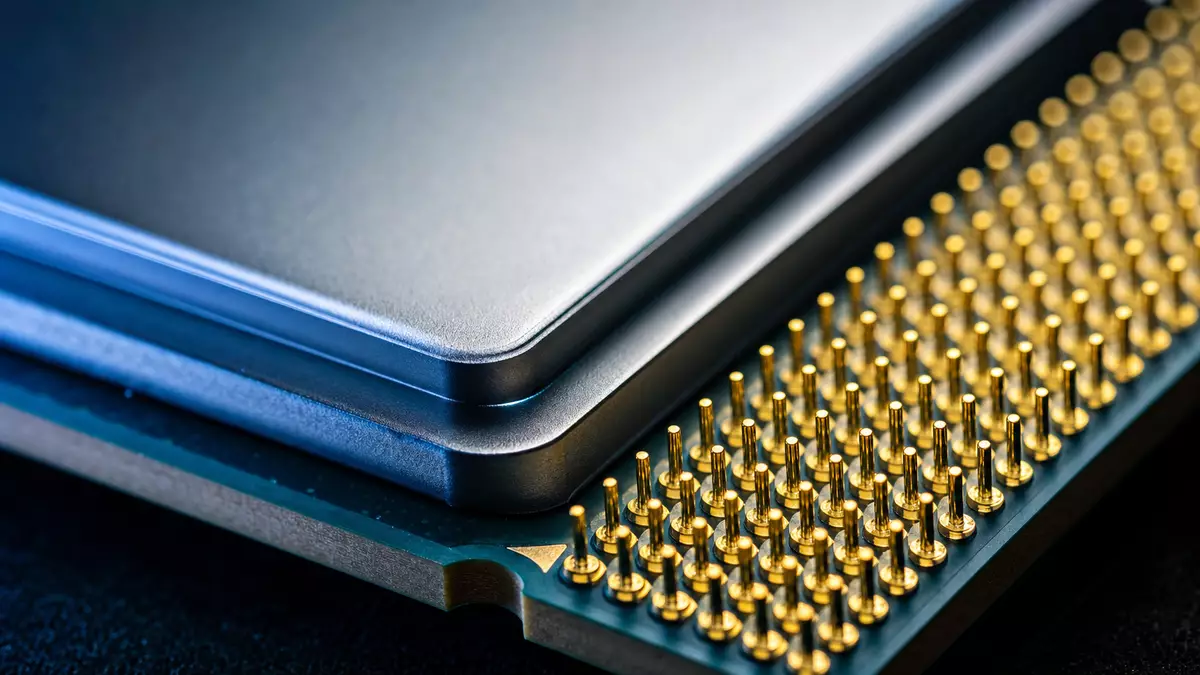
Intel’s mainstream PC and server processors illustrate the practical impact of its strategy. Each new generation aims to deliver higher performance, better energy efficiency, and enhanced security features compared with prior iterations. These product-level improvements feed back into the financial metrics discussed earlier: stronger products can drive higher average selling prices, better mix, and improved margins, while also supporting volume growth in attractive segments. For investors, tracking how quickly customers migrate to newer platforms and how those migrations show up in segment revenue trends is a key part of understanding Intel’s trajectory.
Intel stock and market positioning
Intel stock, traded on Nasdaq under the ticker INTC, represents a complex balance of risks and opportunities for investors in the semiconductor sector. Share-price levels over recent periods have implied a market capitalization in the broad range of $150 billion to $200 billion as of late 2024, illustrating how equity markets weigh the potential upside from AI, data centers, and foundry services against the capital intensity and competitive pressures inherent in the strategy. The company remains a constituent of major indices such as the S&P 500 and is widely held by both institutional and retail investors.
Intel stock key facts
- Company: Intel Corp.
- ISIN: US4581401001
- Ticker: NASDAQ: INTC
- Trading venue: Nasdaq
- Market capitalization: in the broad range of $150 billion to $200 billion (as of late 2024)
- Sector / Industry: Information Technology / Semiconductors
- Index membership: S&P 500
Disclaimer regarding our articles: No investment advice, no buy or sell recommendation. Information on prices, companies, and markets is provided without guarantee; changes are possible at any time. Stock market transactions can lead to substantial losses. Our articles are created and reviewed in whole or in part automatically with the support of AI.