Jamiroquai return spotlight to their timeless groove
Published on 05/17/2026 at 00:44 | Editorial responsibility: Rafael Müller, Editor-in-Chief AD HOC NEWS
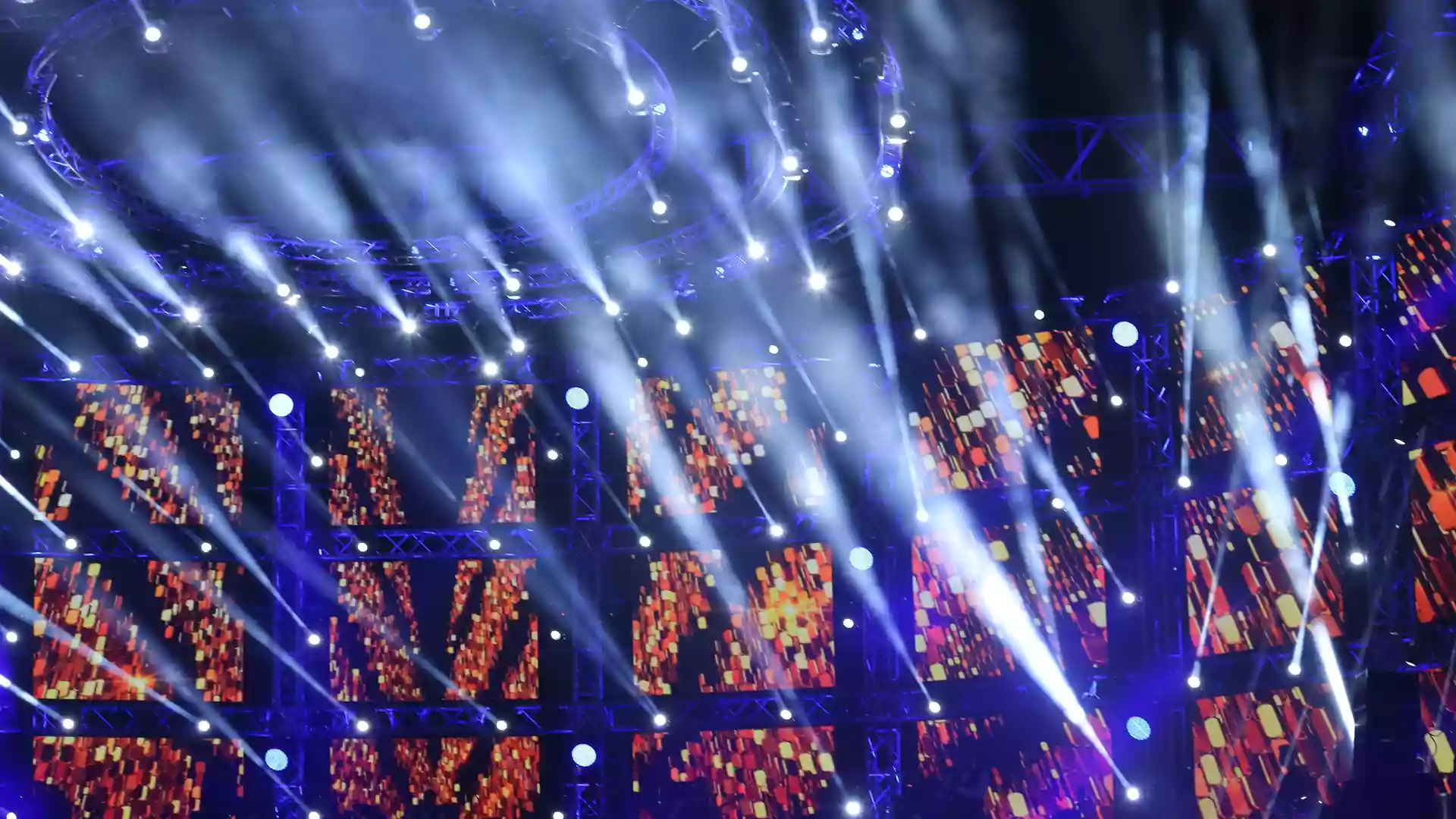
Under neon lights and a whiplash of laser beams, Jamiroquai can still turn a festival field or arena floor into a synchronized bounce, their future?funk grooves cutting through decades of trends in a matter of bars.
Jamiroquai now: a legacy live act ready for the next chapter
As of 17.05.2026, Jamiroquai are in a classic legacy?act phase: no new studio album has been announced, but their catalog and live presence keep gaining cultural traction. The group continue to be booked at major festivals in Europe and beyond, and US fans routinely trade videos of frontman Jay Kay dancing across stages in his trademark headgear.
Official tour plans are fluid and vary by region, so the most reliable source for current shows is the band's own listings. Their official site highlights a dedicated live page, reflecting an emphasis on concert experiences rather than constant release cycles. For American listeners, that means Jamiroquai function as a cult live draw and a steady presence on playlists rather than a traditional album?every?two?years act.
Billboard has consistently framed the act as one of the definitive crossover successes of the 1990s acid jazz wave, a scene that bridged club culture, funk revival, and pop radio. NPR Music, looking back on the era, has placed Jamiroquai alongside acts like Brand New Heavies and Incognito while noting that the group managed to break far wider in the United States thanks to a run of high?concept videos and radio?ready hooks.
In the streaming era, those strengths translate into long?tail relevance. Songs like Virtual Insanity, Canned Heat, and Cosmic Girl have become staples of algorithmic funk and throwback playlists, strengthening the band's connection with a younger US audience that may never have seen their original MTV breakthrough.
- Focus on high?energy live shows over rapid studio output
- Catalog staples regularly surface on US streaming playlists
- Legacy secured through iconic videos and enduring funk hooks
Who Jamiroquai are and why the band still matters
Jamiroquai are a British group centered around singer and songwriter Jay Kay, whose elastic voice and kinetic stage presence helped define 1990s acid jazz for many US listeners. While often associated with their breakthrough hits, the act has sustained a multi?decade career blending funk, soul, disco, and electronic textures.
The outfit's relevance in the United States rests on a few pillars. First is the sound itself: tight rhythm sections, warm analog keys, and horn arrangements that hint at both 1970s Stevie Wonder and contemporary house music. Second is the visual identity: from Jay Kay's feathered headdresses to futuristic set designs, the band embraced a stylized look just as music television was at peak influence.
Third is their function as a gateway into deeper groove?based music for mainstream pop and rock fans. According to retrospective features in Rolling Stone, many American listeners who discovered the group through MTV eventually traced their influences back to artists like Herbie Hancock, Earth, Wind & Fire, and Sly and the Family Stone. In that sense, Jamiroquai have acted as an on?ramp into a broader funk and jazz tradition.
Finally, Jamiroquai matter because they occupy a lane that few contemporary acts fill at scale: a band capable of headlining large stages with a live, human groove that still feels sleek and modern. In an era dominated by laptop?driven performances, their combination of tight musicianship and visual flair remains a distinctive draw.
From London clubs to global charts: the origin and rise of Jamiroquai
Jamiroquai emerged from London's early 1990s club scene, where acid jazz connected DJs, live bands, and dancers in small venues before spilling into the mainstream. Jay Kay formed the group around his love of funk and rare groove, recruiting musicians who could stretch out like a jazz band but lock into dance?floor?ready patterns.
The band signed with Sony's S2 imprint in the early 1990s, giving them major?label resources while still positioning them as part of a new, hip club culture movement. Their debut studio album Emergency on Planet Earth introduced listeners to a blend of environmentally focused lyrics, slippery bass lines, and a strong sense of rhythm. Critics in outlets such as NME and The Guardian praised the album's mix of social consciousness and danceable grooves.
Follow?up album The Return of the Space Cowboy deepened the sound, adding extended jams and more complex songwriting. While it did not initially make the same commercial impact in the United States as in the United Kingdom and Europe, it solidified the band's reputation among musicians and DJs worldwide.
The true American breakthrough came with Travelling Without Moving, released in the mid?1990s. The album's lead single Virtual Insanity became a phenomenon thanks to its mind?bending video, in which Jay Kay appears to glide across a shifting room as furniture moves around him. MTV rotated the clip heavily, and it went on to win multiple MTV Video Music Awards, cementing Jamiroquai as a visual force as well as an audio one.
According to Billboard archives, Virtual Insanity made an impact on several US charts, and the album performed strongly on the Billboard 200, especially for a band that did not fit neatly into existing radio formats. The success pushed Jamiroquai into larger US venues and opened the door for further crossover singles.
Subsequent releases such as Synkronized, A Funk Odyssey, and Dynamite saw the band experiment with more overt disco and electronic influences. Collaborations with producers steeped in dance?music culture helped keep their sound club?friendly while still anchored by live instrumentation. Across these records, the lineup shifted, but Jay Kay remained the constant creative center.
Signature sound, style, and key works in the Jamiroquai catalog
Jamiroquai's signature sound is built on a few key elements. At the heart is a rhythm section that combines the precision of studio funk with the spontaneity of jazz. Bass lines often function as lead melodies, weaving around the drums in patterns that invite both dancing and close listening.
Keys and synthesizers play a central role, too. Many of the group's most recognizable tracks pair electric piano chords with string arrangements and analog synth leads. This approach is especially evident on Virtual Insanity, where swirling keys and a tight groove support Jay Kay's falsetto melodies while subtle production touches add depth for headphone listeners.
The albums Travelling Without Moving, A Funk Odyssey, and Rock Dust Light Star are often singled out by critics as essential listening. Pitchfork and other outlets have noted how A Funk Odyssey in particular pushed the band deeper into electronic territory without sacrificing their live feel, resulting in tracks that can sit comfortably alongside French house and nu?disco cuts in a DJ set.
On the vocal side, Jay Kay draws on classic soul phrasing, sliding between chest voice and falsetto, often within a single line. Lyrically, Jamiroquai songs tend to orbit around themes of technology, environmental tension, romance, and the search for escape, though the band generally avoids heavy?handed messaging in favor of mood and movement.
Key songs for new listeners include:
Virtual Insanity — The breakout track whose video became a 1990s touchstone, pairing social commentary with seamless funk.
Canned Heat — A joyous, stomping tune later immortalized in a famous dance scene in the film Napoleon Dynamite, giving it a second life in US pop culture.
Cosmic Girl — A sleek disco?influenced track with a chorus that shows off the band's knack for earworm hooks.
Little L — A groove?heavy single from A Funk Odyssey that leans into club?ready production while keeping the horns and bass front and center.
Automaton — The title track from their most recent studio era, spotlighting more overt electronic production and a sci?fi concept that fits neatly into the band's long?running fascination with technology.
Behind the boards, Jamiroquai have often kept production in?house or worked with longtime collaborators who understand the balance between live playing and polished pop. That continuity has helped the group maintain a recognizable sonic stamp even as trends around them shift.
Cultural impact, influence, and Jamiroquai's lasting legacy
Jamiroquai's influence reaches beyond their own chart statistics. In the United States, their mid?1990s MTV run helped normalize the idea that a funk?driven band could occupy mainstream pop space. Outlets like Rolling Stone and The New York Times have pointed to the band's success as part of a broader resurgence of groove?based music during an era otherwise dominated by grunge, Britpop, and emerging hip?hop.
One crucial dimension of that influence is visual. The Virtual Insanity video is frequently cited in lists of the most important music videos of the 1990s, not only for its technical execution but also for how it used set design and choreography instead of digital spectacle. Younger artists and directors drawing on 1990s aesthetics often reference the clip's moving floor and minimalist set as inspiration.
Another is their bridge role between genres. Jamiroquai are a rock?festival band that plays funk; a pop?chart act that relies on live improvisation; and a club favorite whose songs are performed by a sizable touring ensemble. That flexibility has earned them festival slots alongside rock, electronic, and R&B acts, including stages that lean more toward jam?band or jazz audiences.
Jamiroquai's catalog has also seeped into film and television. The placement of Canned Heat in Napoleon Dynamite embedded the track in American pop memory in a way that charts alone could not. Meanwhile, songs like Cosmic Girl and Virtual Insanity remain go?to sources for directors seeking a particular blend of retro and futuristic texture.
From an industry standpoint, the band's presence on labels connected to Sony and their consistent performance on international charts underline their staying power. While specific RIAA certifications for Jamiroquai releases do not always mirror their overseas success, the Recording Industry Association of America's database shows steady US recognition for their strongest?selling titles, and that catalog continues to generate streams and catalog sales.
Critically, Jamiroquai have weathered shifts in taste better than many of their 1990s peers. When dance?punk, nu?disco, and modern funk revivalists emerged in the 2000s and 2010s, journalists at outlets such as Spin and Stereogum were quick to draw lines back to the band's blend of analog groove and sleek production. Their influence can be heard in acts that merge live instrumentation with club?oriented structures, from French house adjacent projects to contemporary nu?funk artists.
The band's live reputation is another pillar of their legacy. Though they have not always toured the United States as extensively as some fans would like, key shows at venues such as Madison Square Garden in New York and major festivals abroad have reinforced the idea of Jamiroquai as a must?see live experience. The combination of tight musicianship, improvisational moments, and Jay Kay's crowd work makes for performances that translate well on social media clips, further extending their reach.
In the broader pop narrative, Jamiroquai stand as a reminder that groove?centered bands can evolve across technological eras without losing their core identity. From CD boom to digital download era to streaming dominance, their catalog has adapted, remastered, and found new life in playlists and algorithm?driven discovery systems.
Frequently asked questions about Jamiroquai
What kind of music does Jamiroquai make?
Jamiroquai operate at the crossroads of funk, acid jazz, soul, and disco, often wrapped in sleek pop arrangements. Their tracks typically feature live drums, melodic bass, electric piano, horns, and Jay Kay's soulful vocals, with production touches borrowed from house and electronic music.
What are Jamiroquai's most important albums?
Many fans and critics point to Emergency on Planet Earth, The Return of the Space Cowboy, and Travelling Without Moving as the core of the band's classic era. Later releases like A Funk Odyssey, Dynamite, Rock Dust Light Star, and Automaton show how the group folded in more electronic textures while keeping their groove?heavy DNA intact.
How big were Jamiroquai in the United States?
Jamiroquai enjoyed their biggest American visibility in the mid? to late 1990s, thanks largely to Virtual Insanity and its award?winning video. The track pushed the band onto MTV and US radio, and Travelling Without Moving performed well on the Billboard 200. While their chart presence later tilted more toward Europe and other territories, US streaming data and festival bookings suggest a durable stateside fan base.
Is Jamiroquai still active today?
Yes. As of 17.05.2026, Jamiroquai remain an active band, even if their release schedule is less frequent than in their 1990s heyday. Jay Kay continues to front the group, and their official channels highlight ongoing live activity and catalog engagement rather than imminent studio albums.
Where can US fans see Jamiroquai live?
Touring patterns change from year to year, and Jamiroquai's US appearances can be sporadic. Fans looking for confirmed dates should rely on the band's official live listings, along with announcements from venues and major festivals. Historically, they have headlined arenas and festival stages in Europe and selected international markets, with occasional engagements in North America when schedules and logistics align.
Jamiroquai on social media and streaming
For listeners who want to follow the latest clips, catalog drops, and fan conversations around Jamiroquai, social platforms and streaming services offer an always?on window into the band's world.
Jamiroquai – moods, reactions, and trends across social media:
More coverage from AD HOC NEWS
More coverage of Jamiroquai at AD HOC NEWS:
Read more on Jamiroquai at AD HOC NEWS ->Browse all Jamiroquai coverage at AD HOC NEWS ->